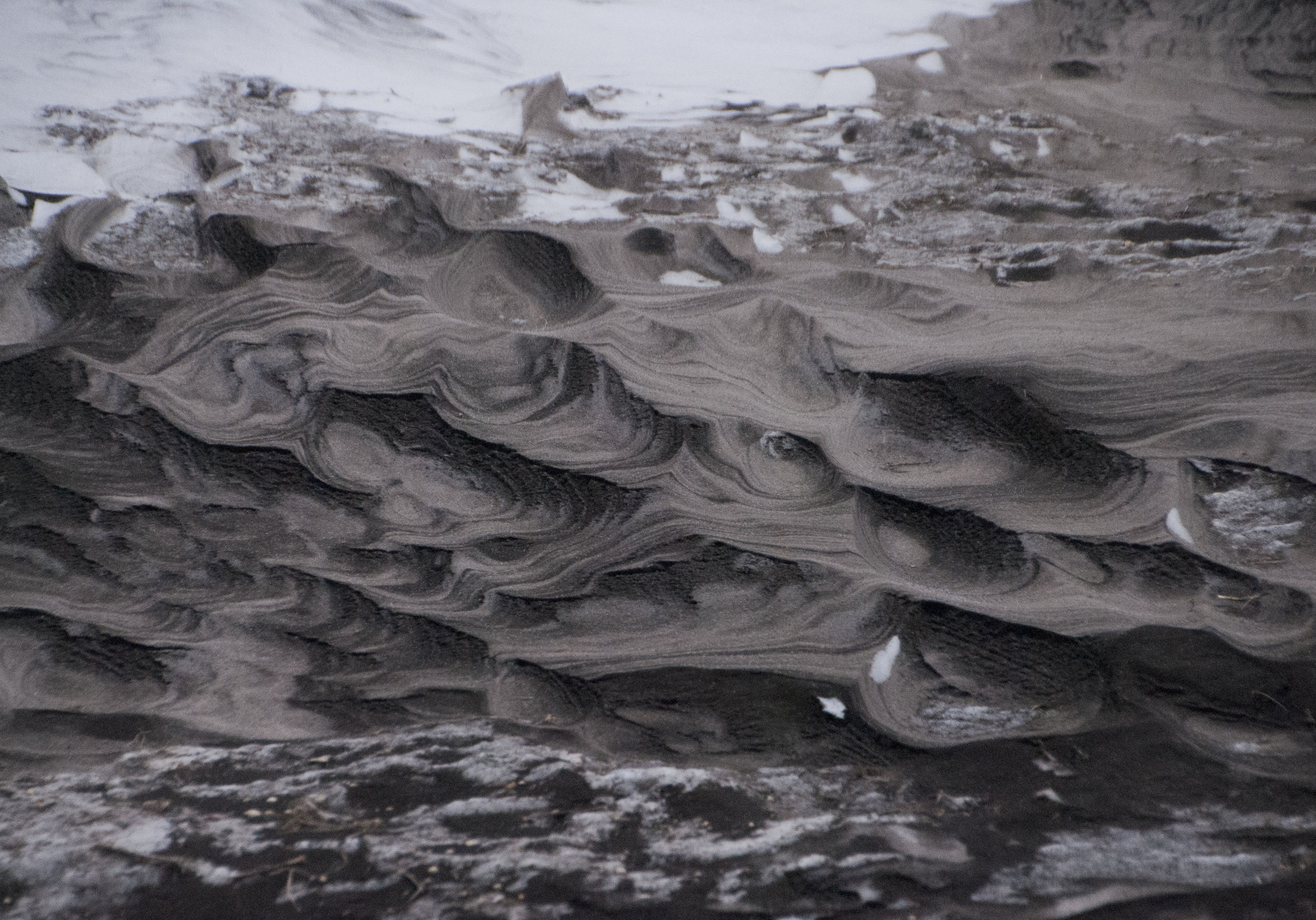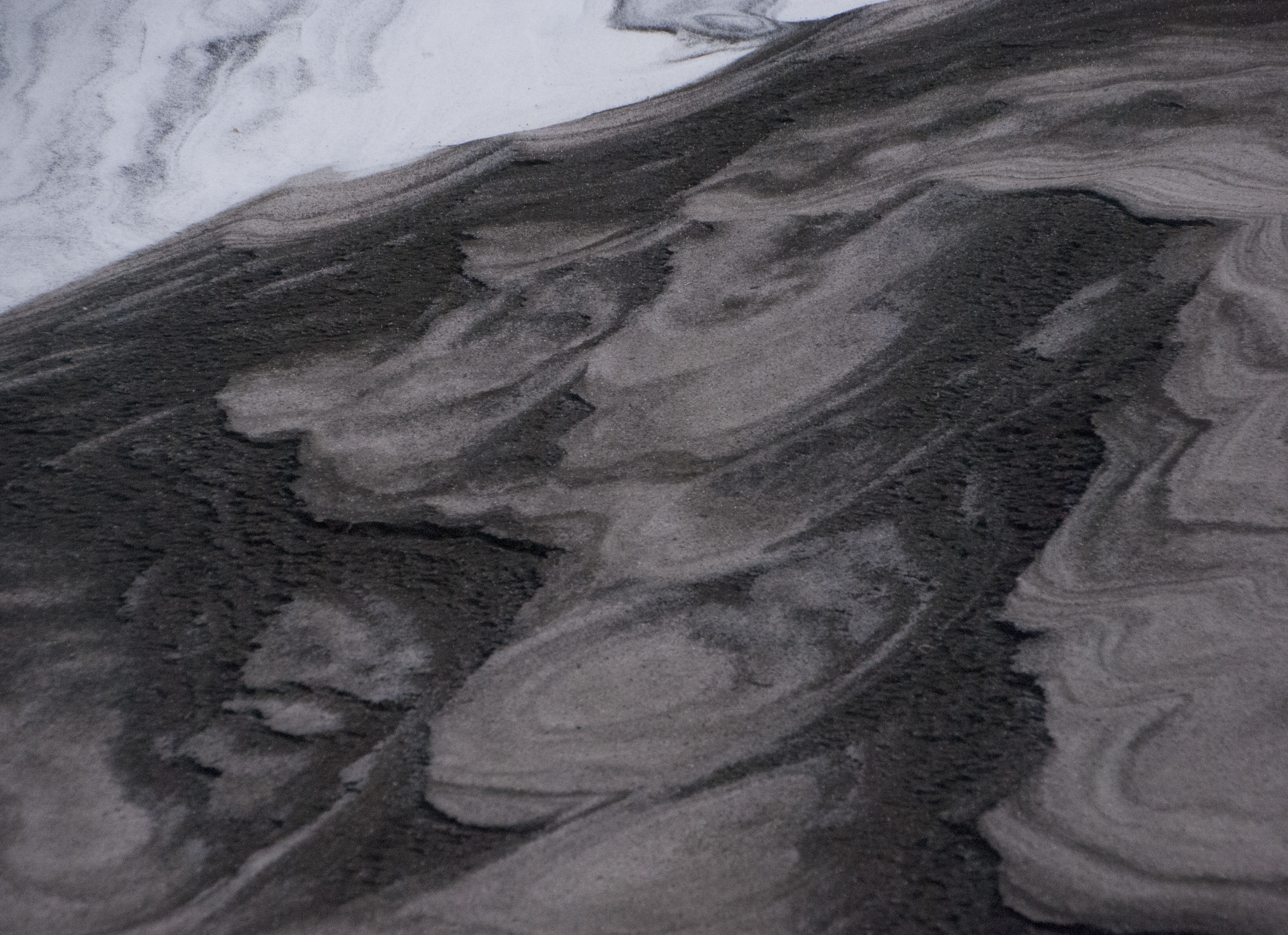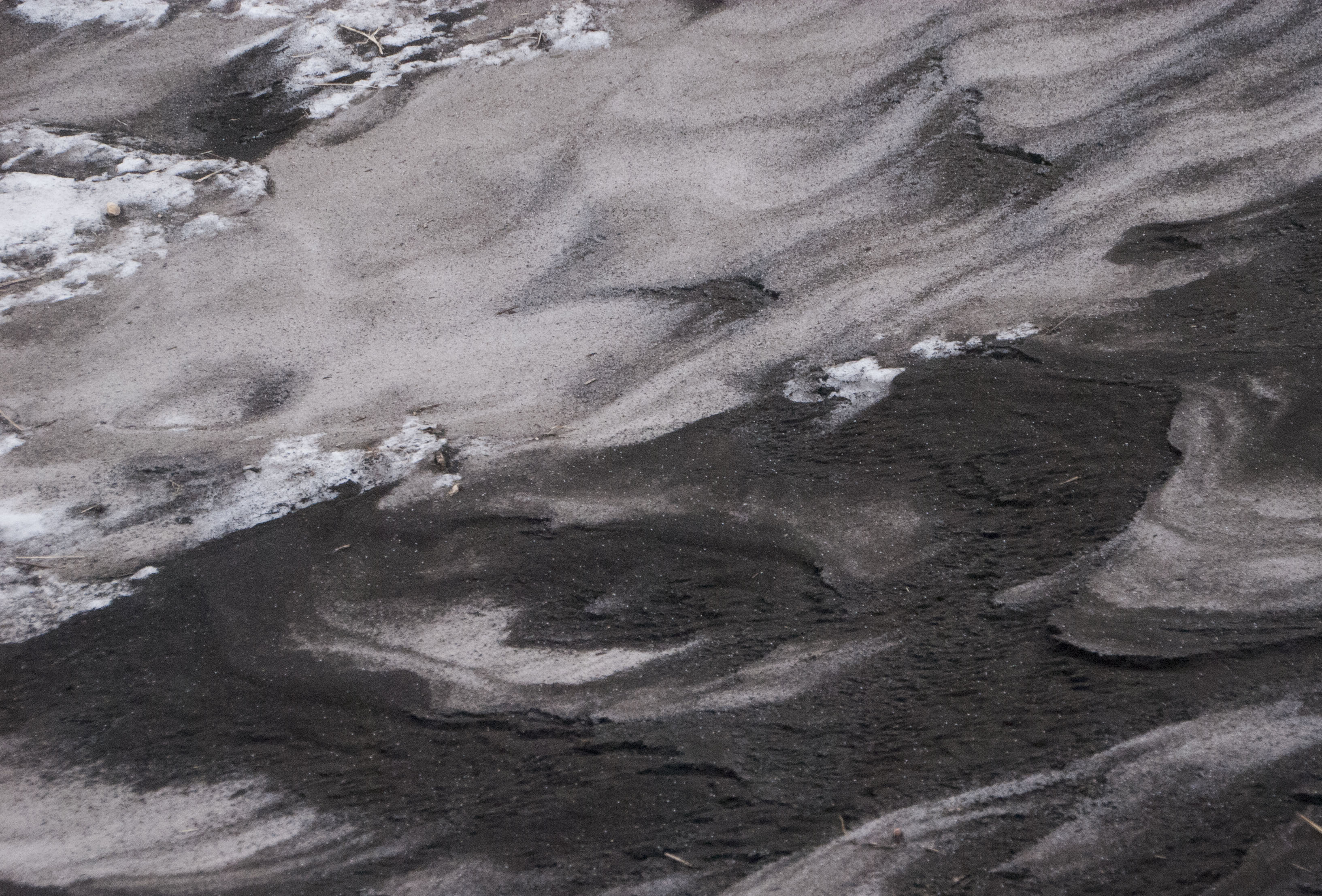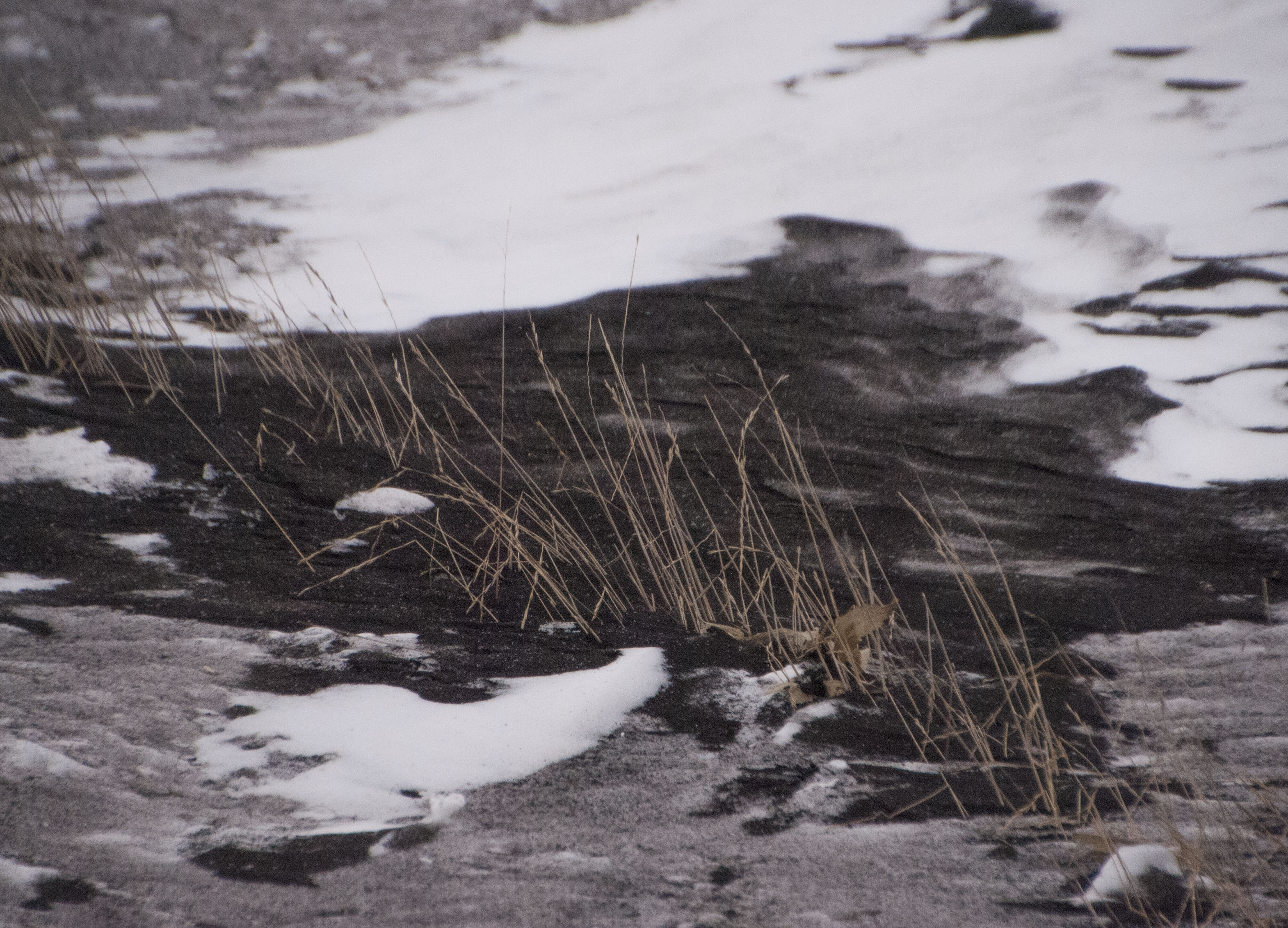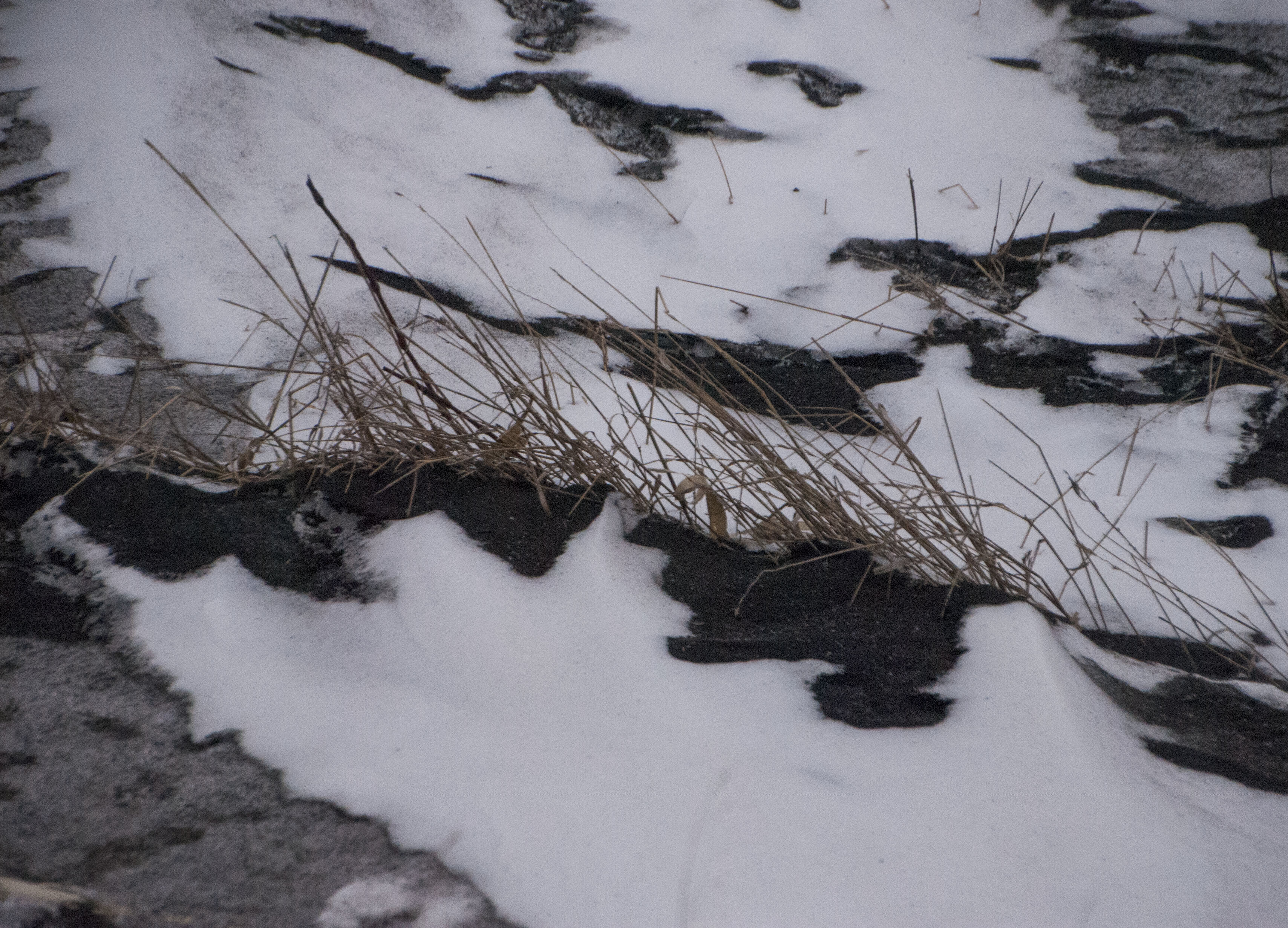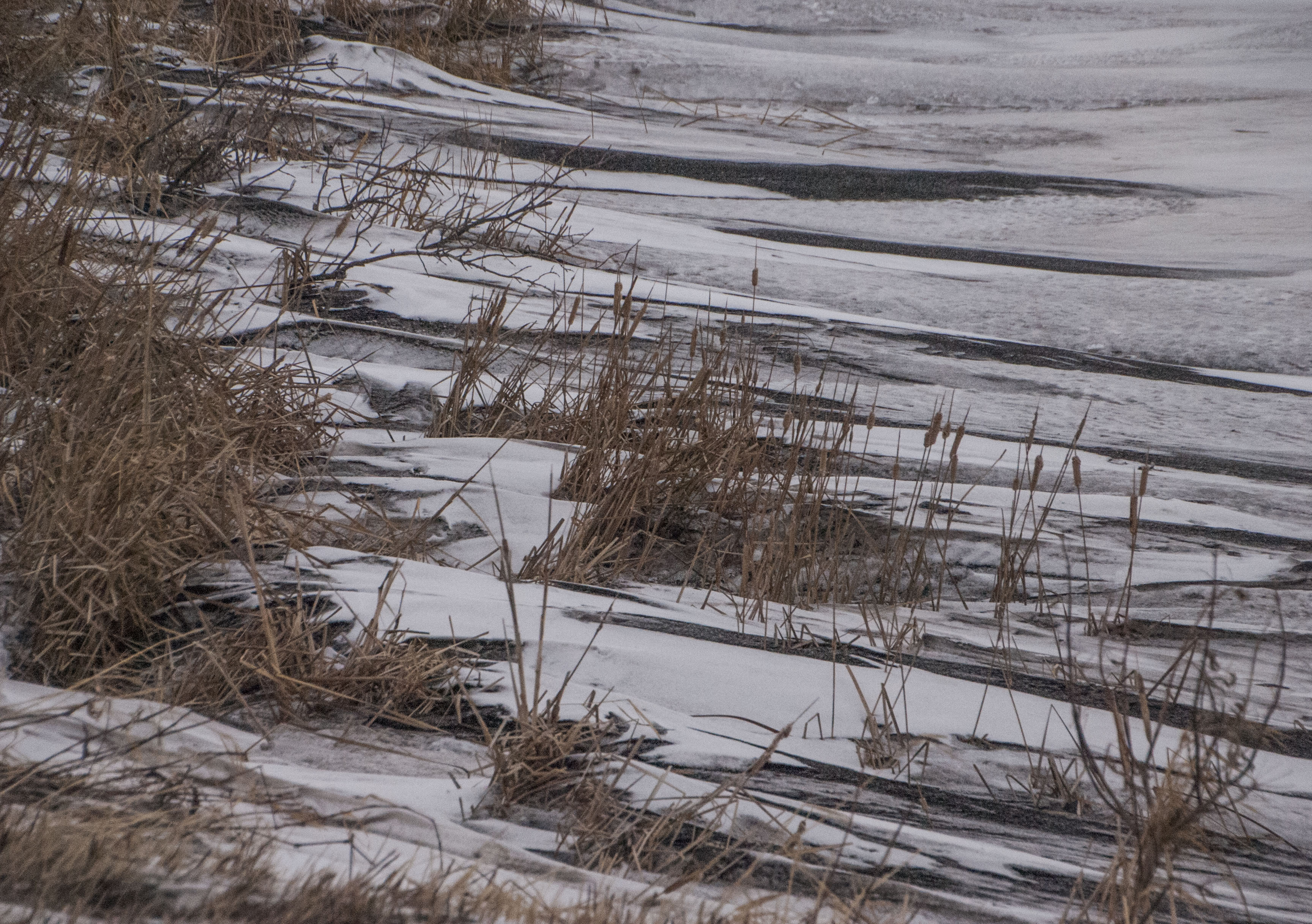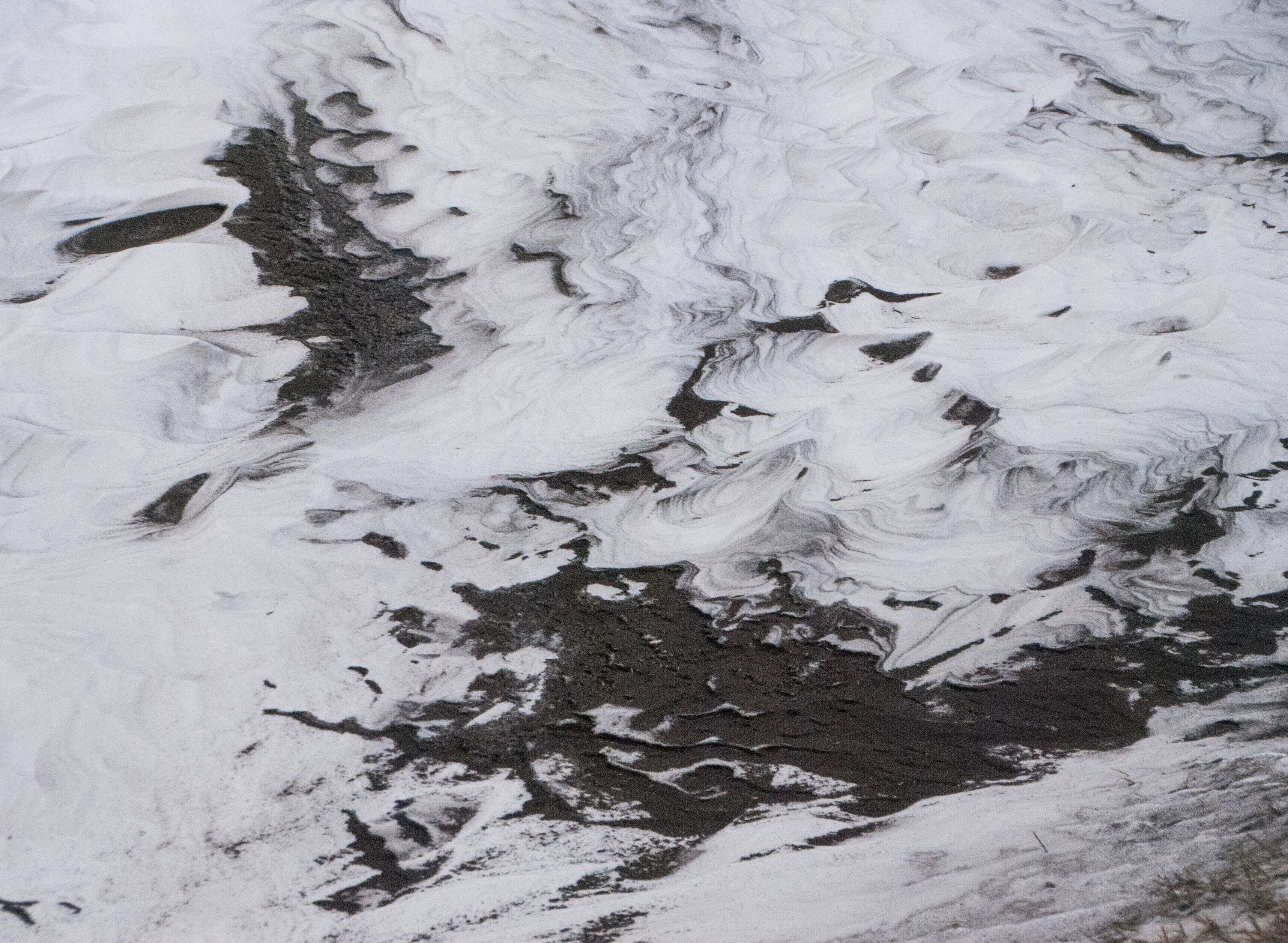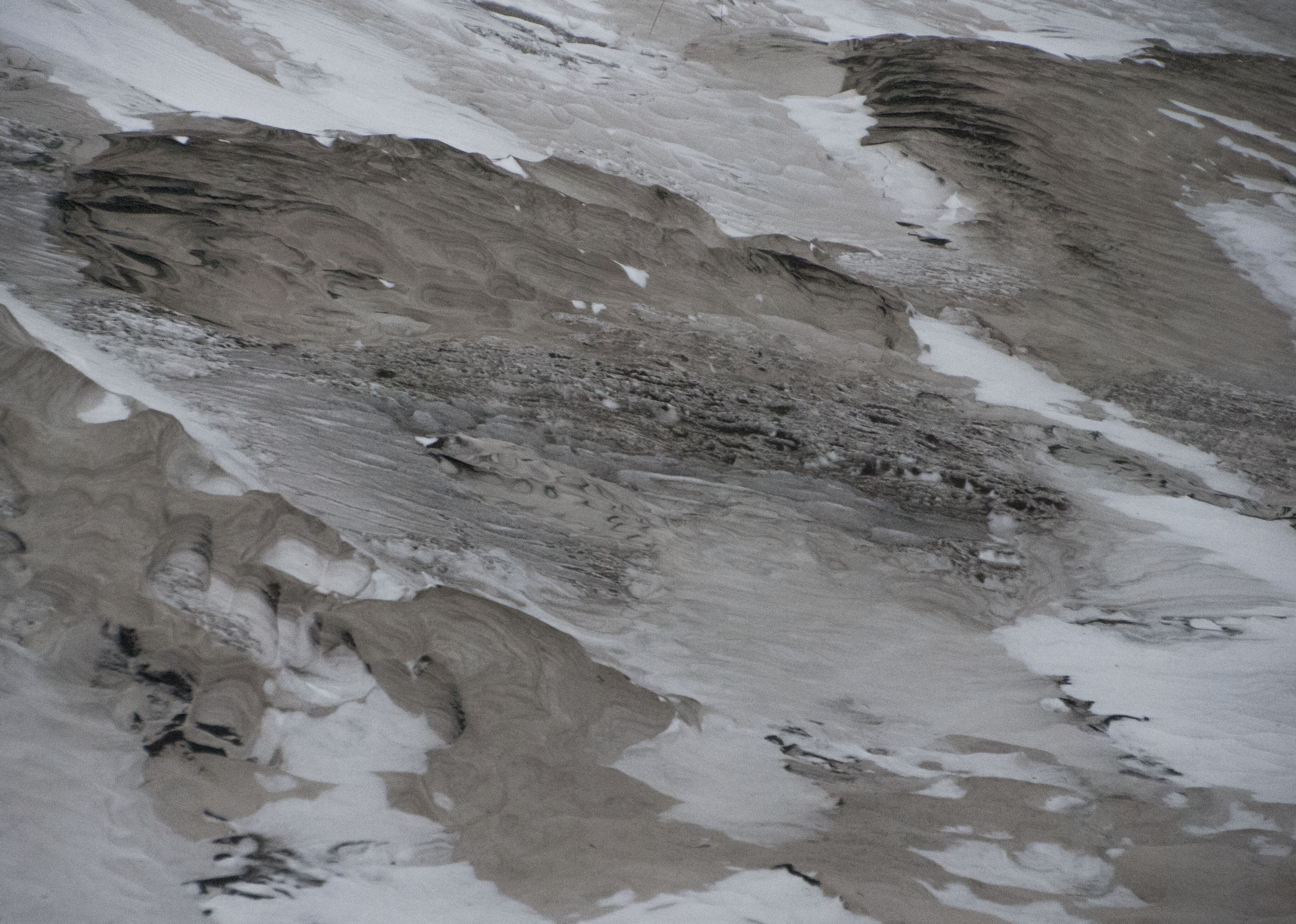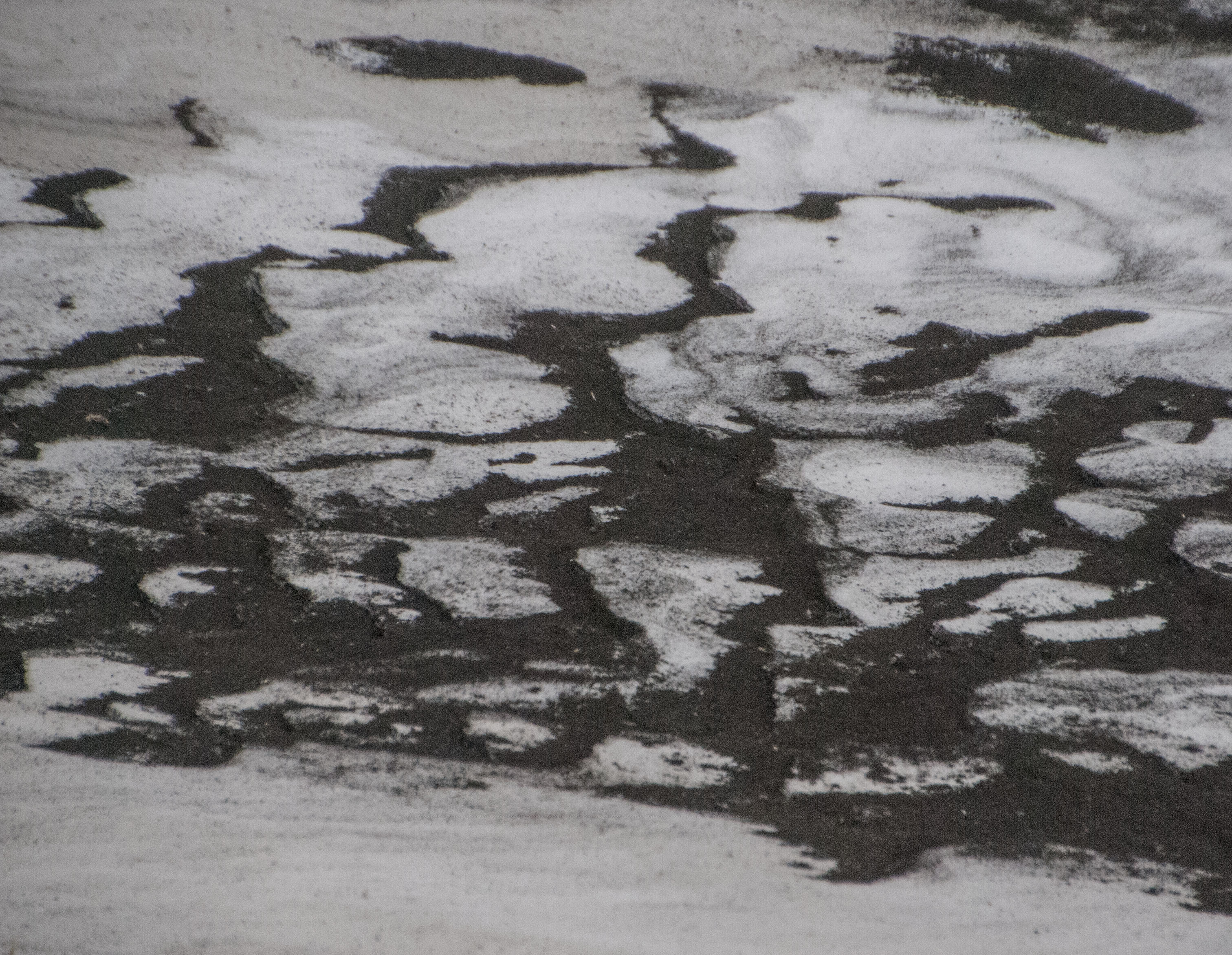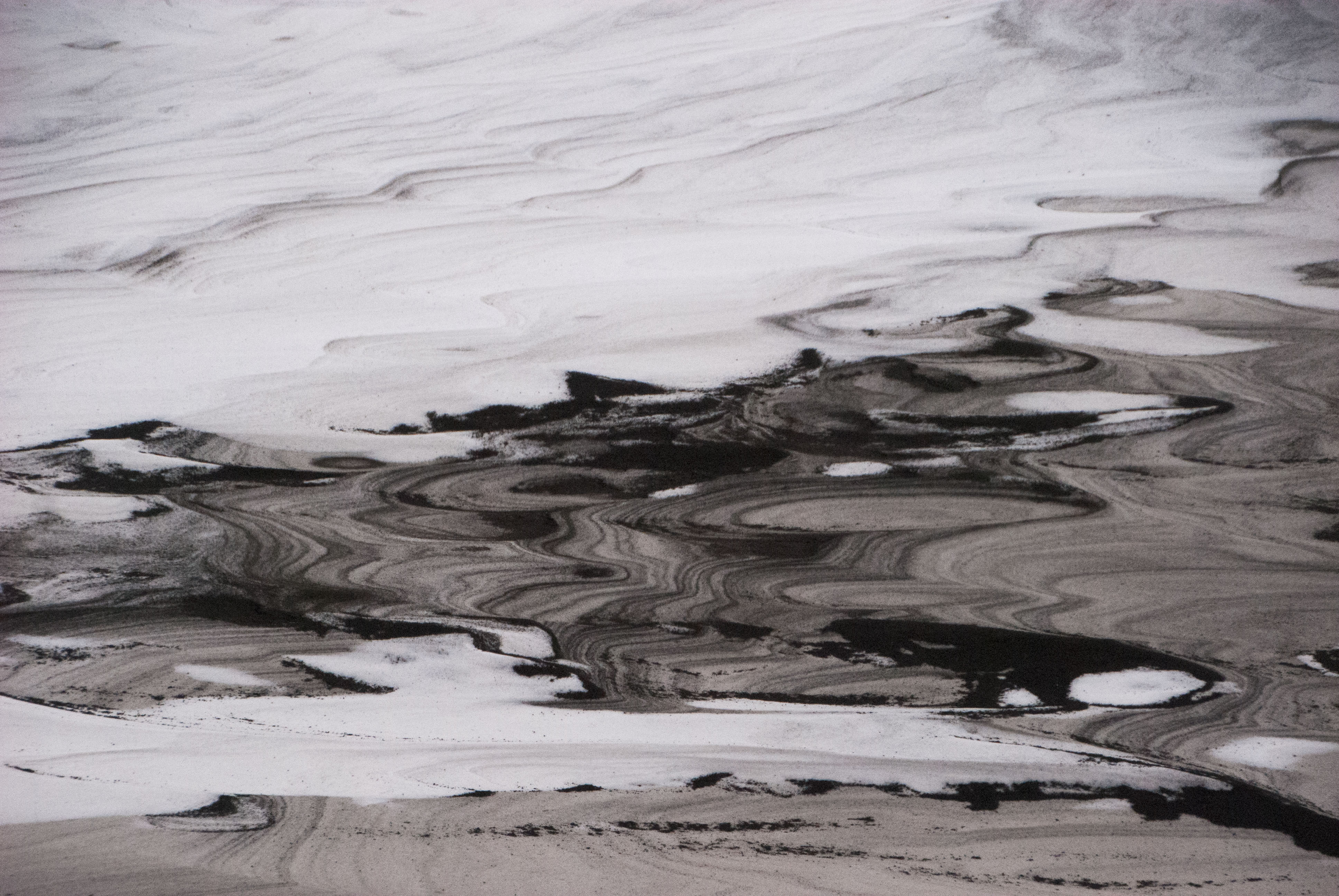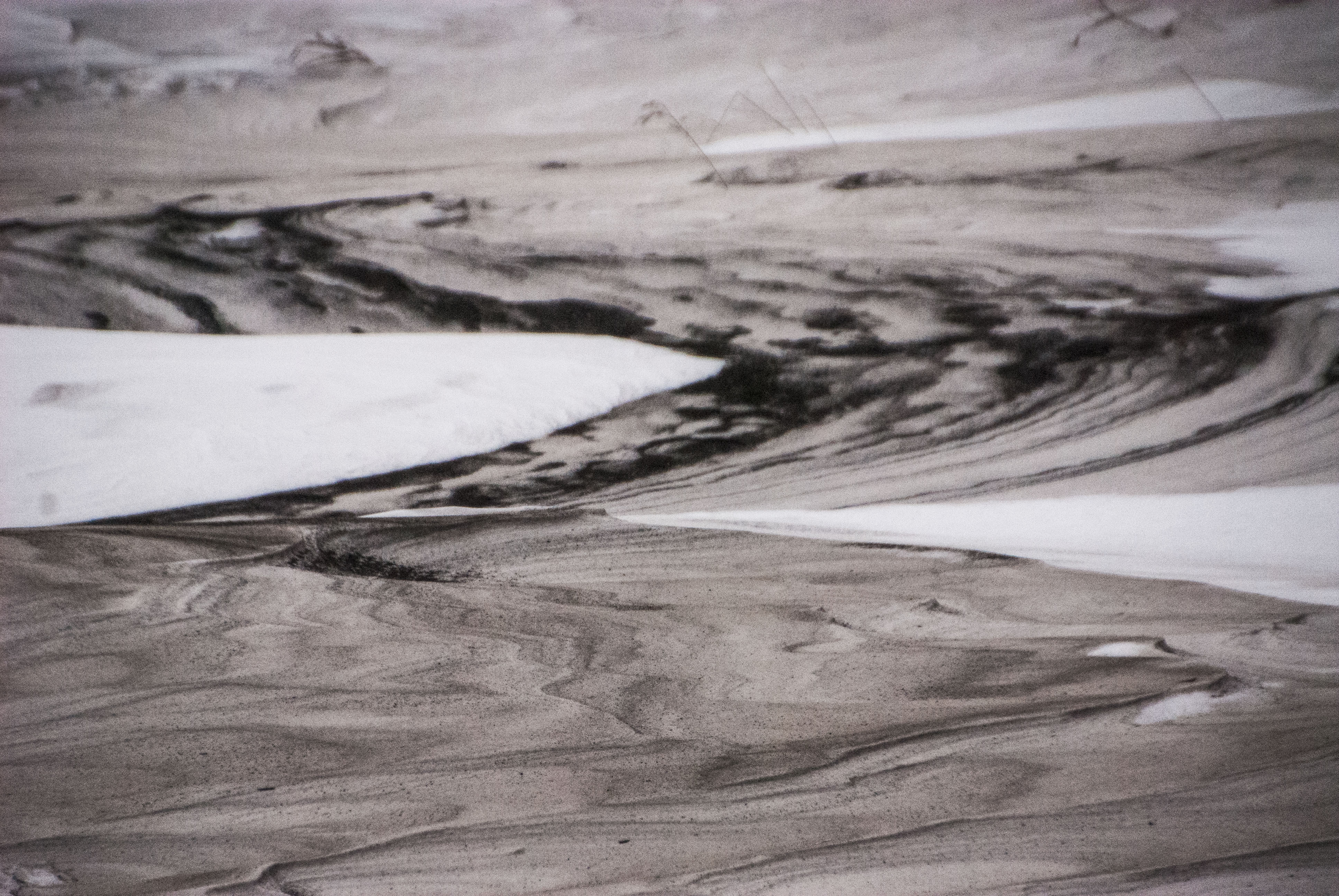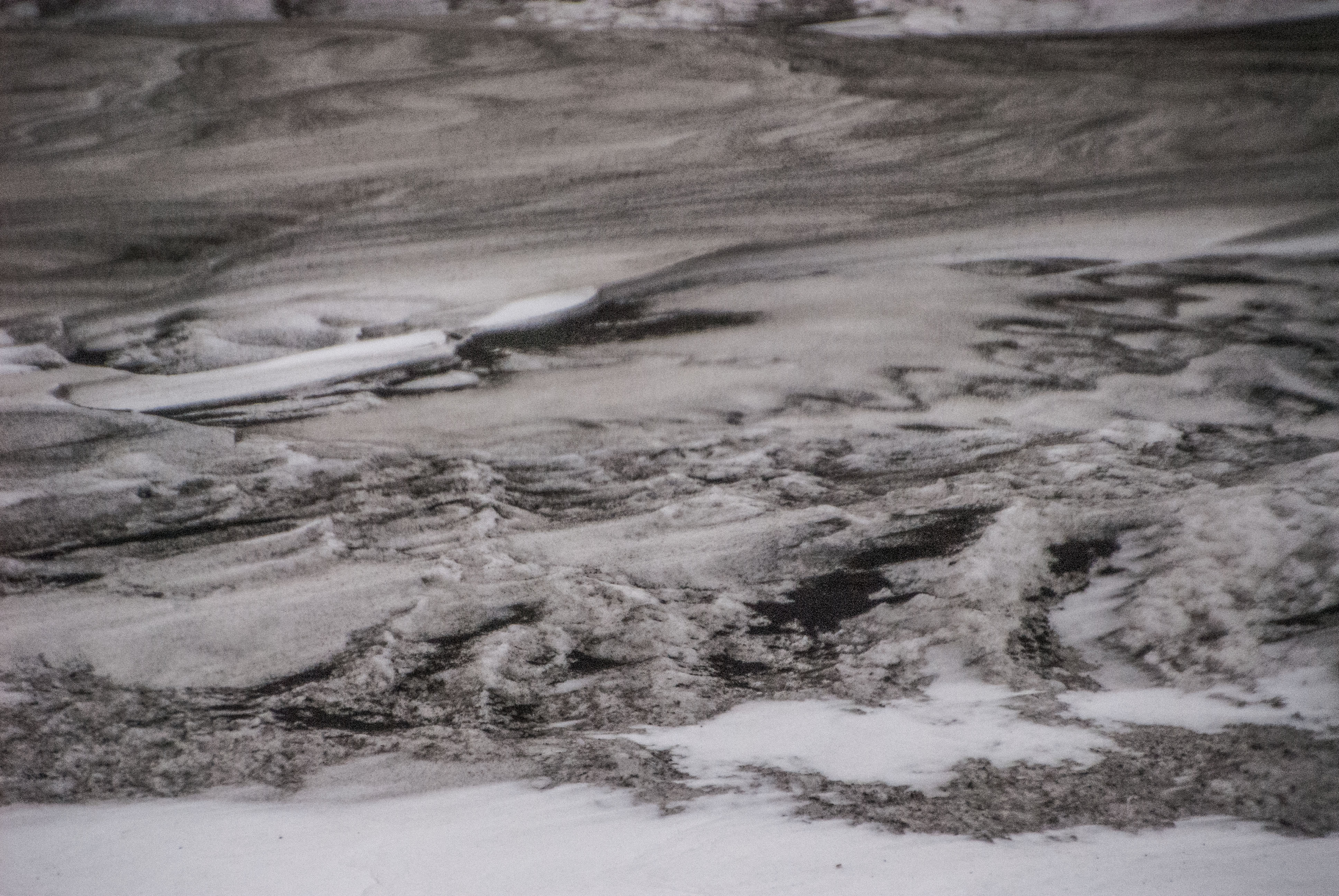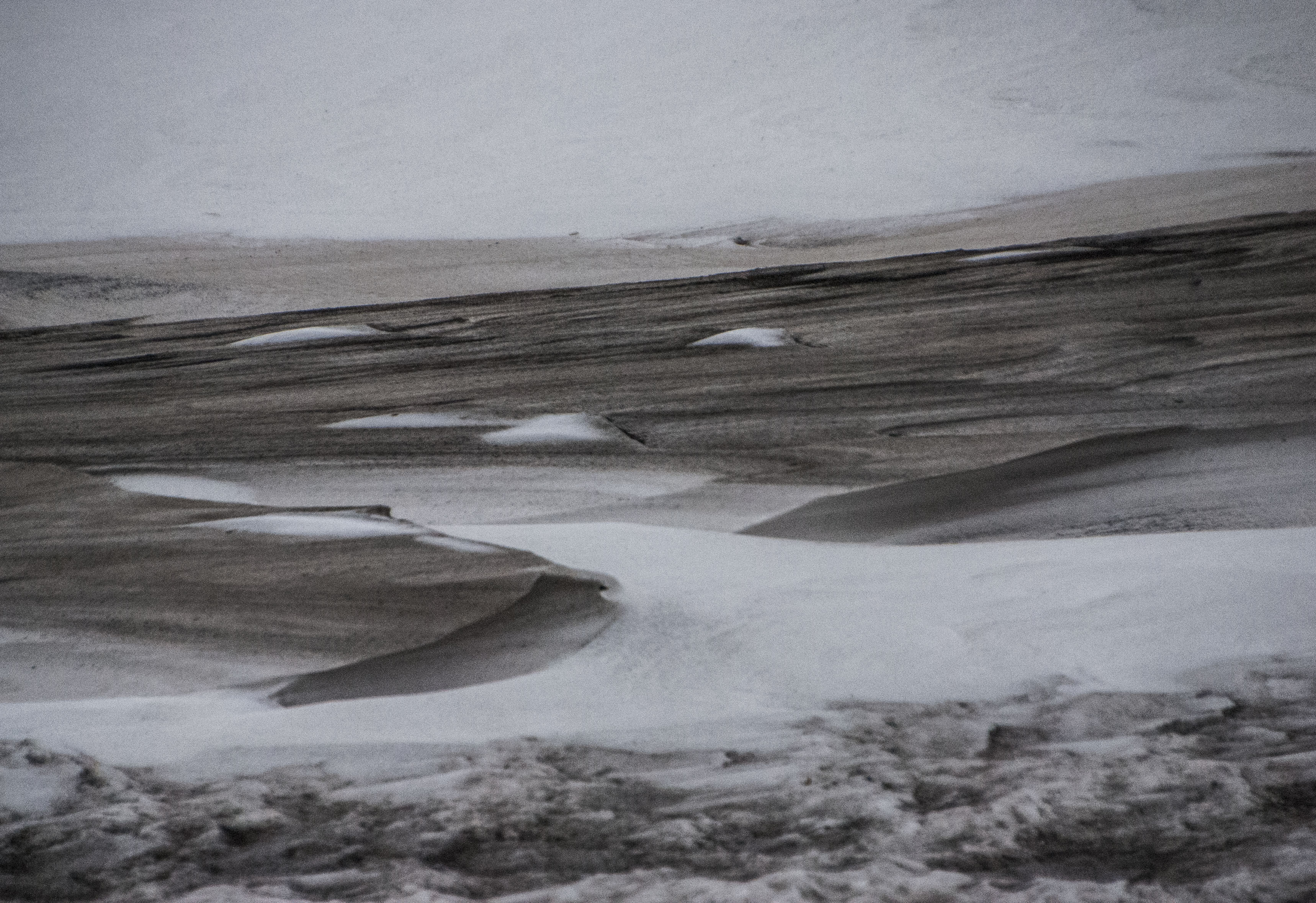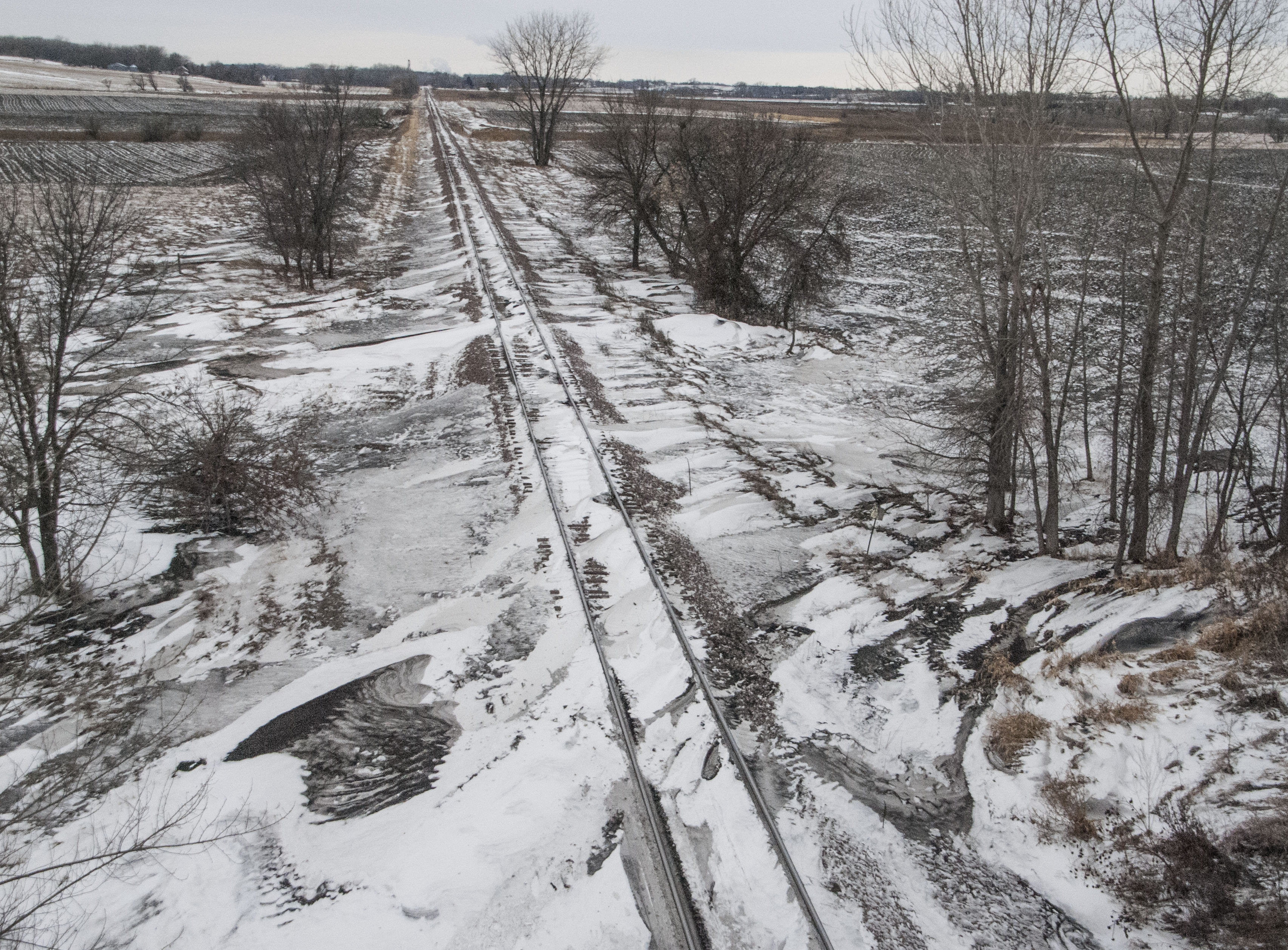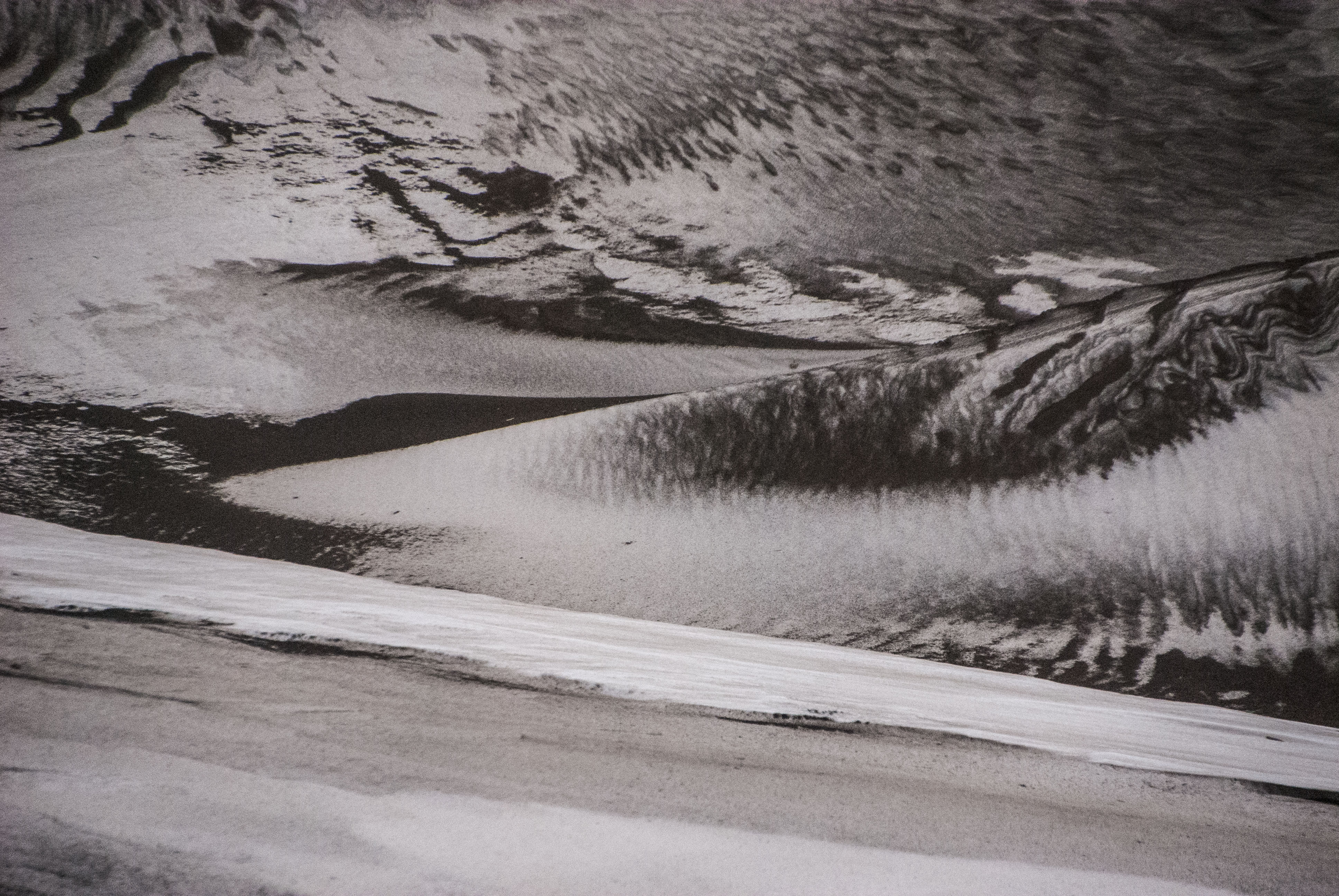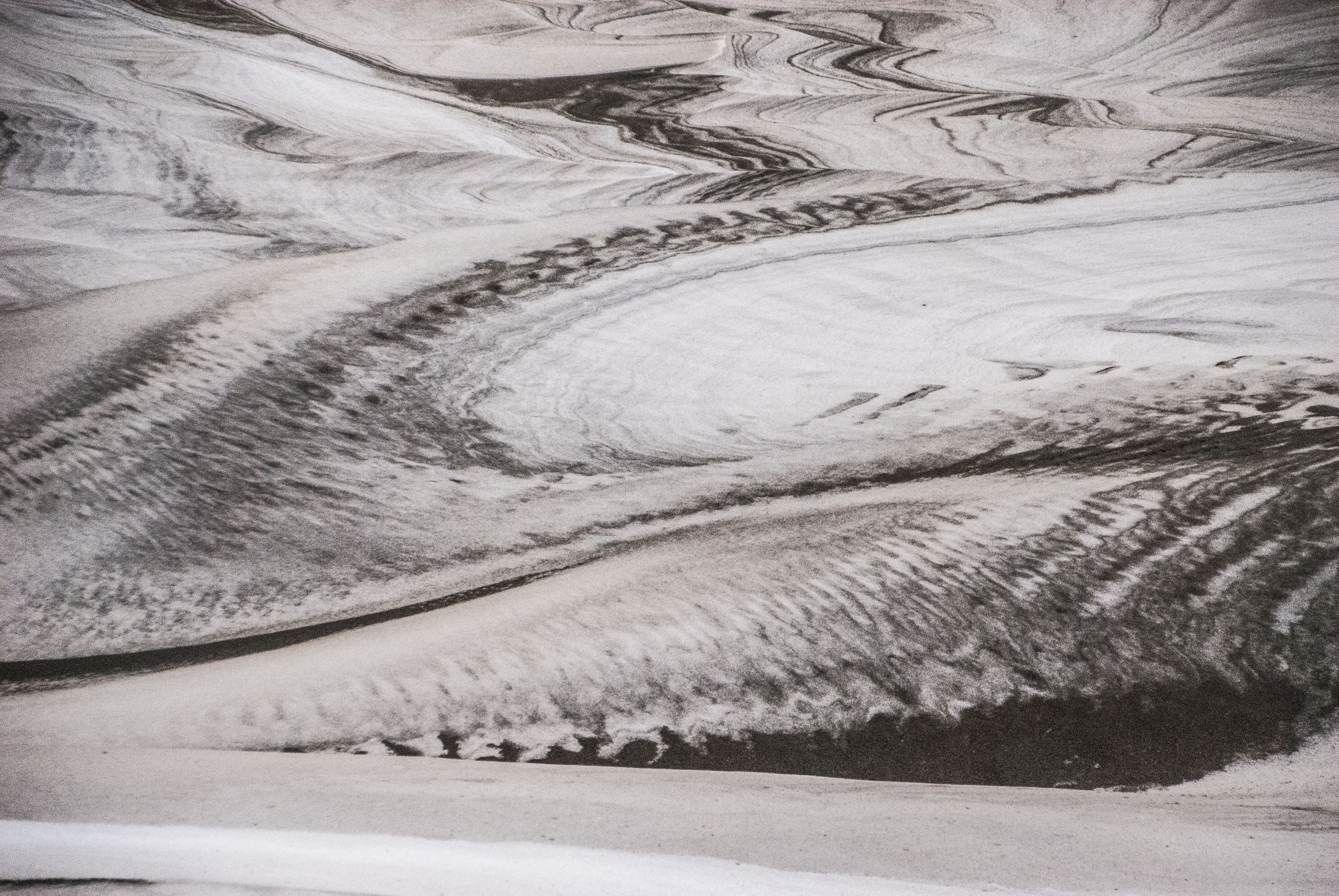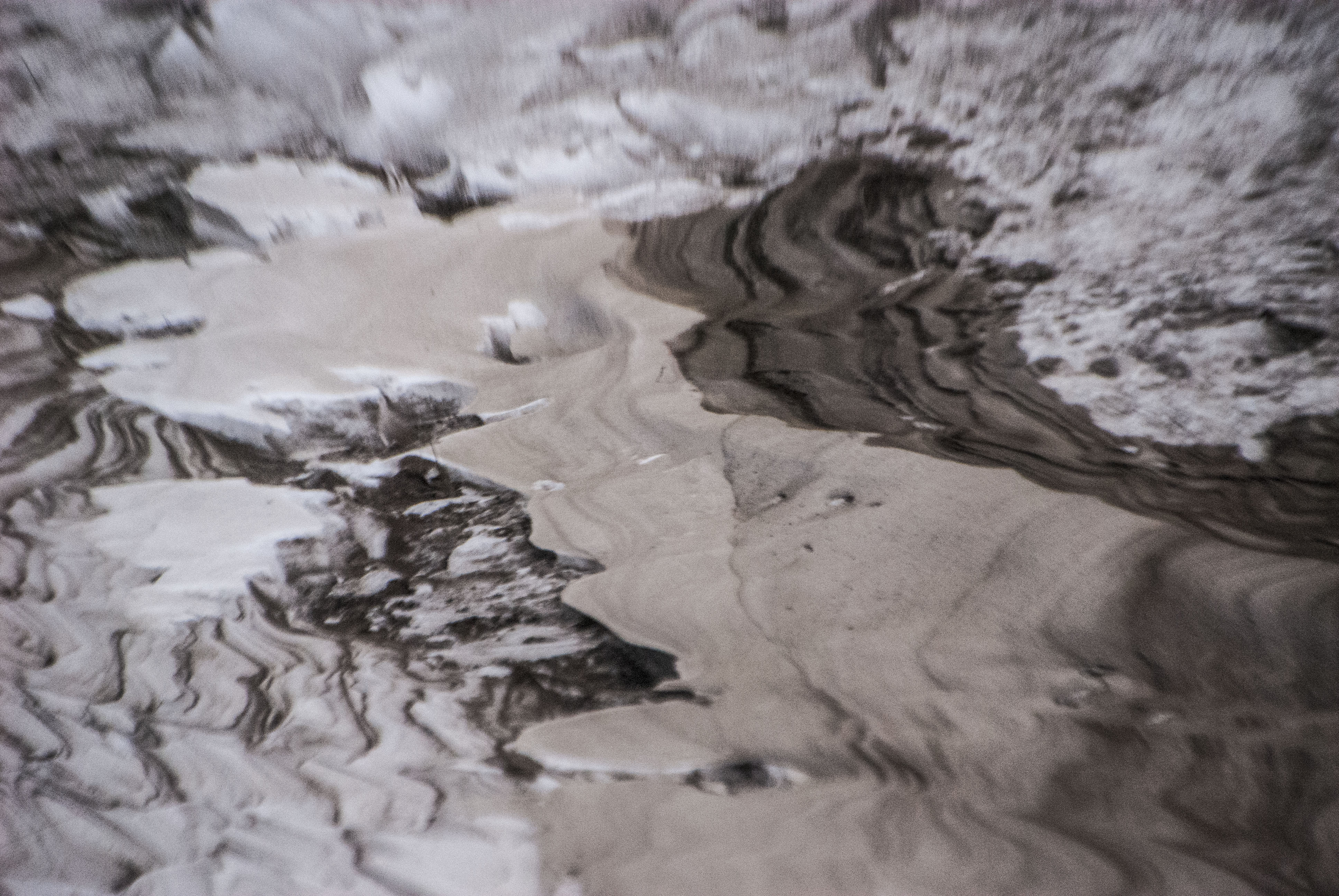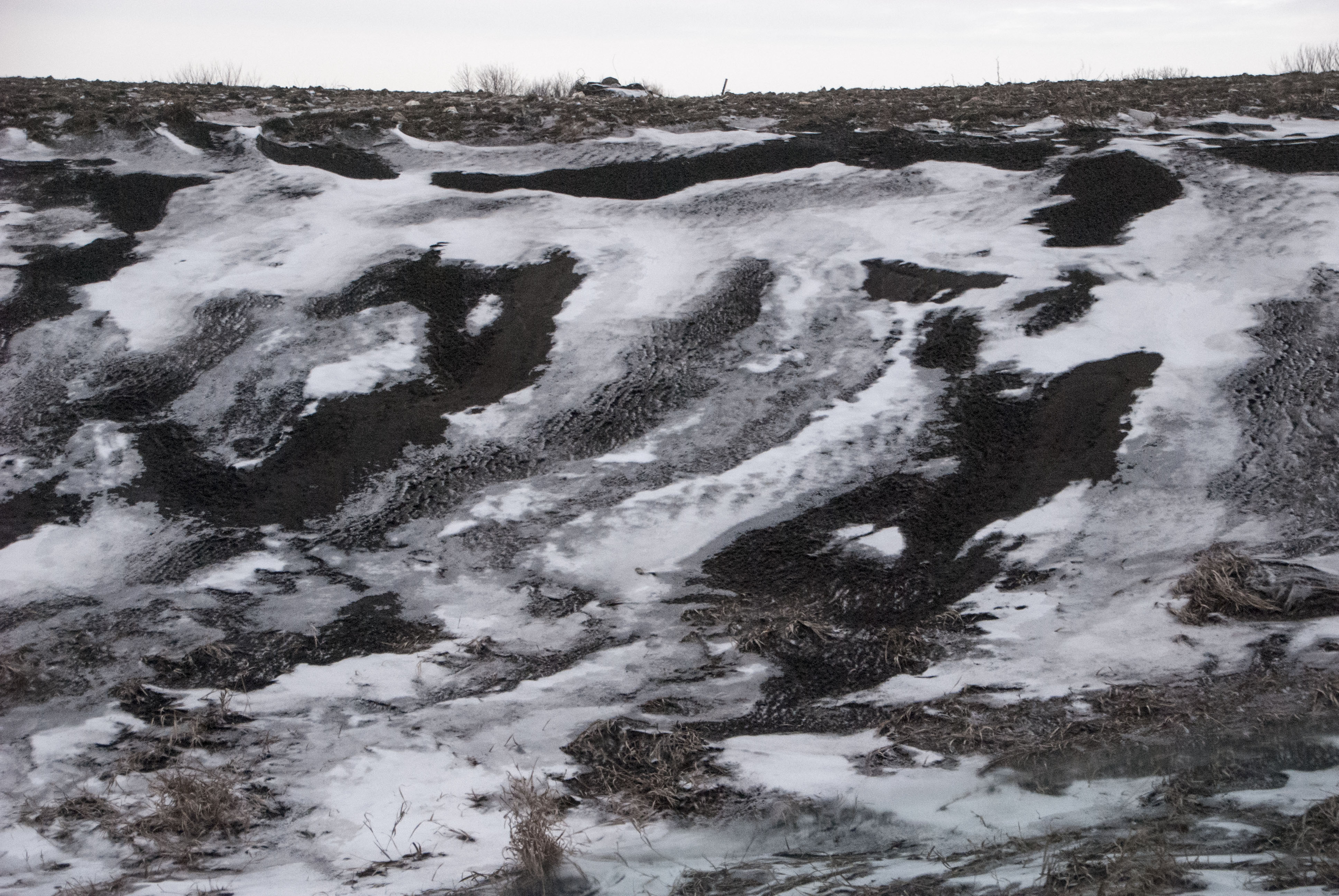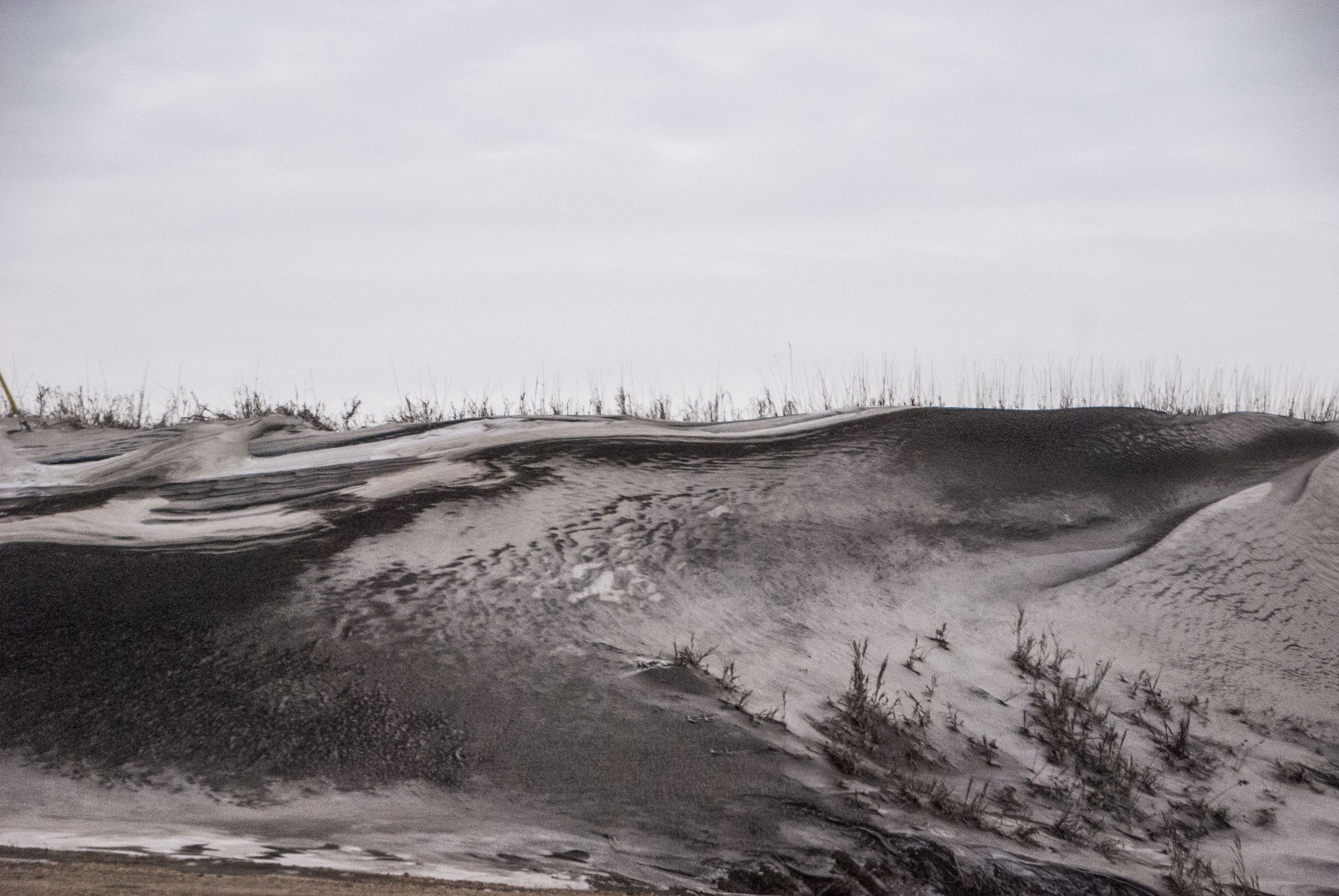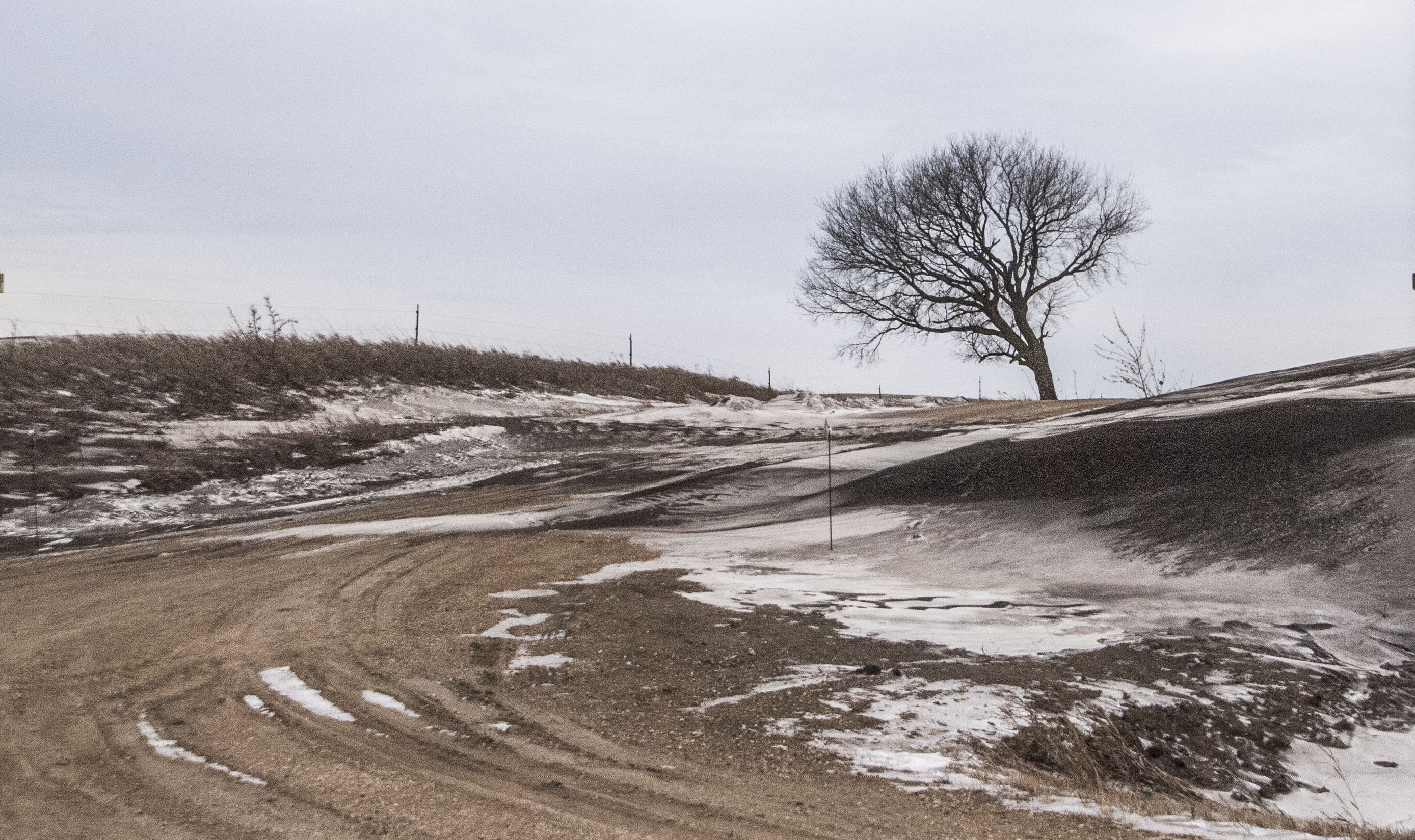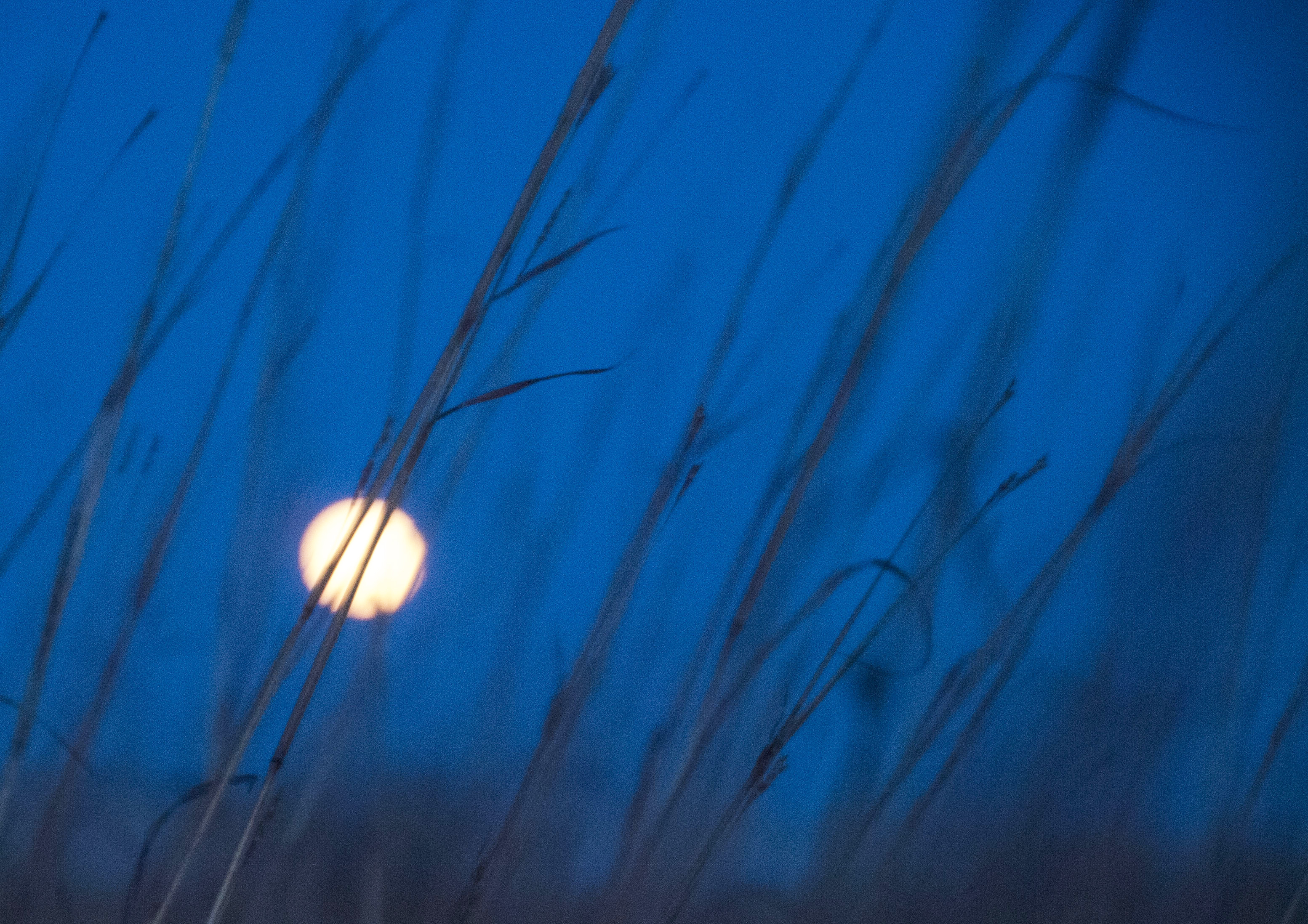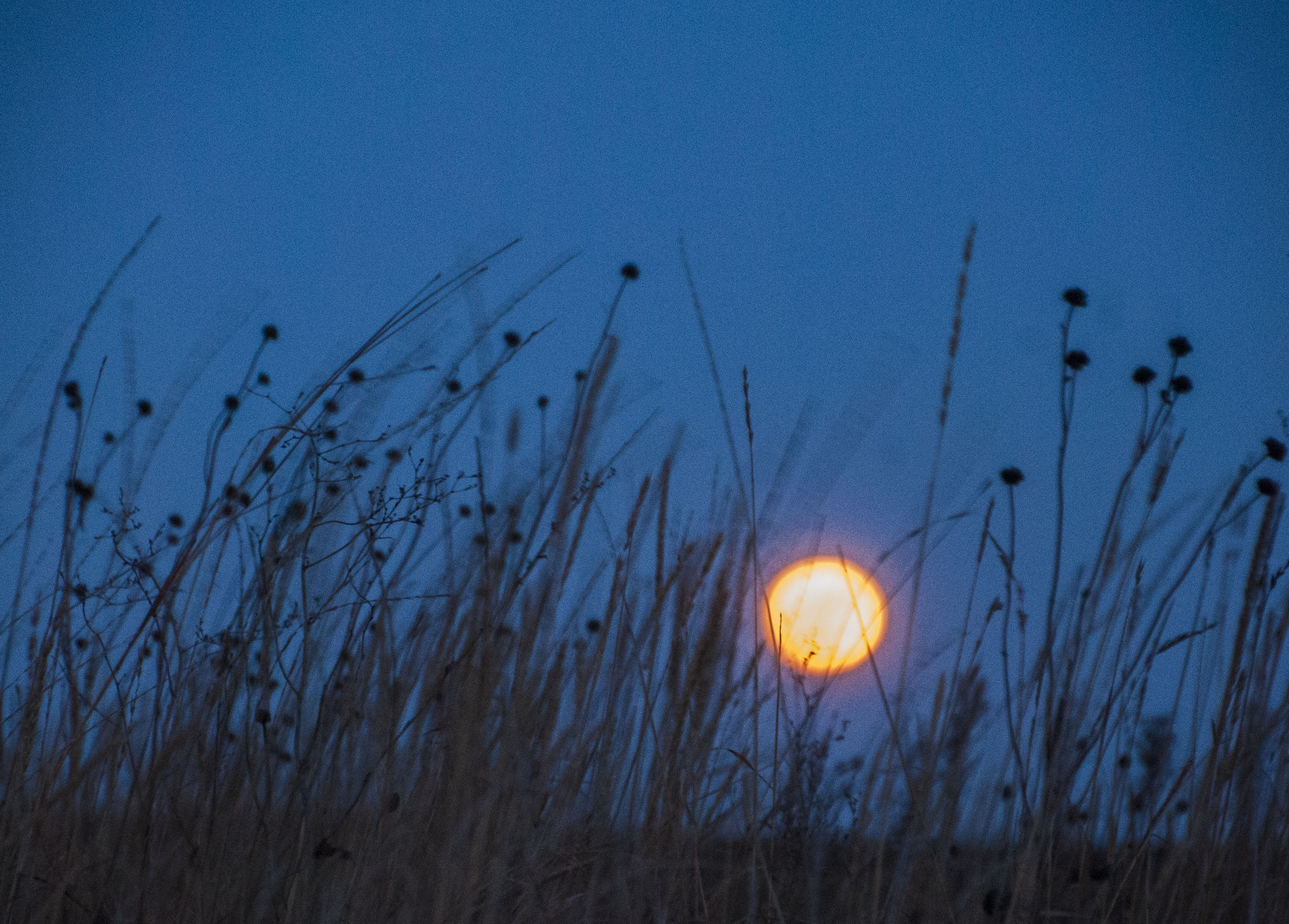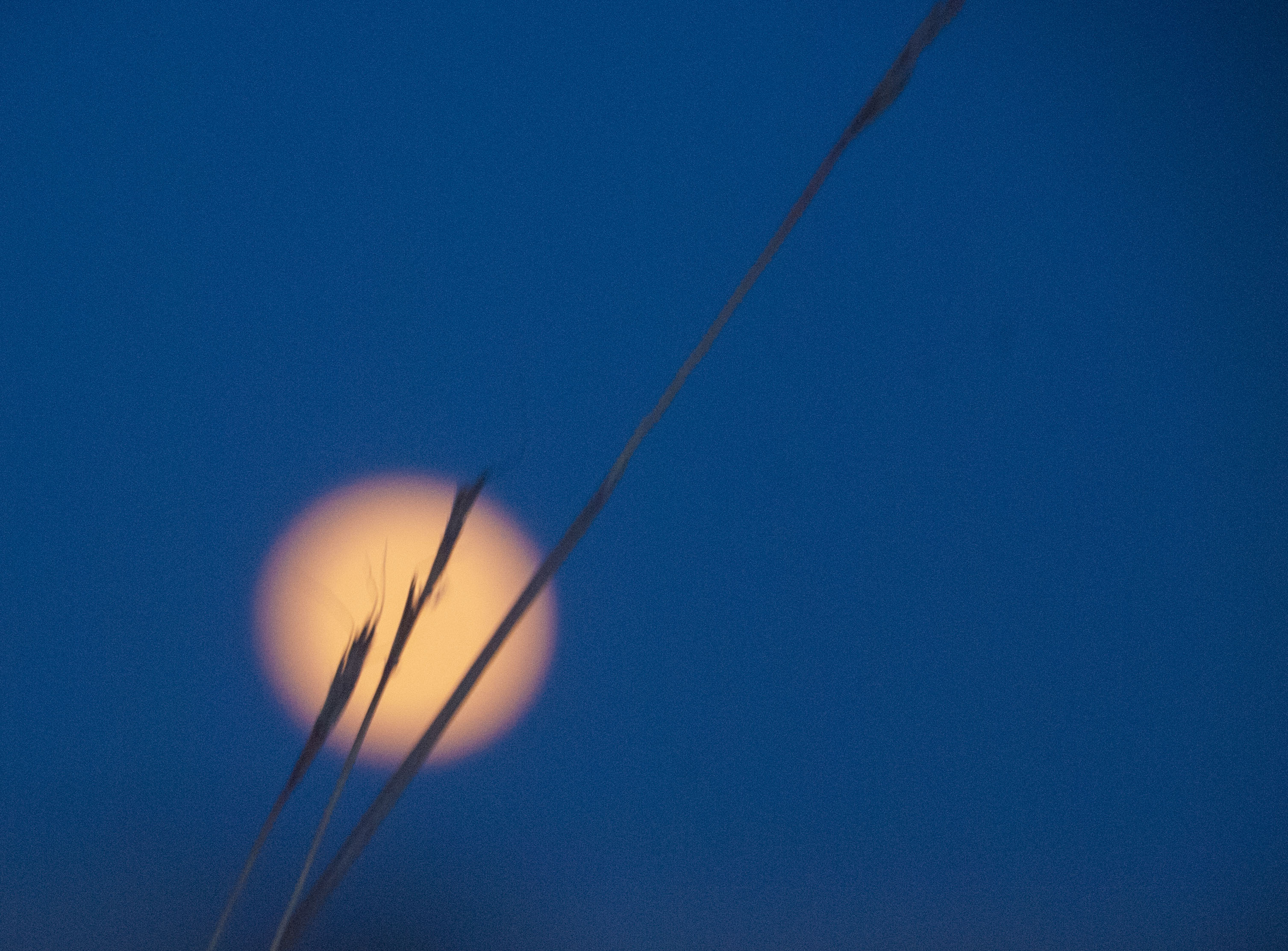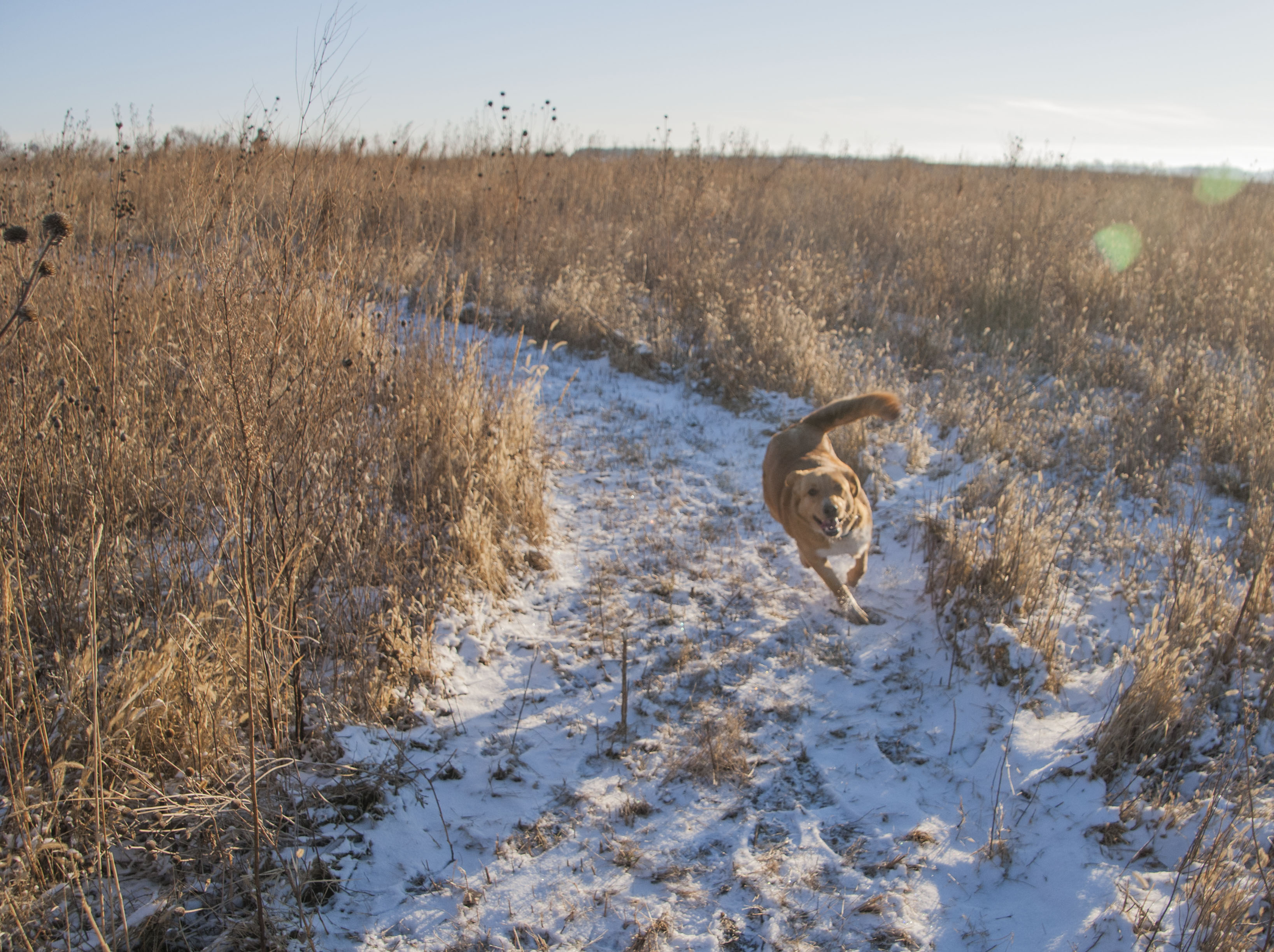
No Words …

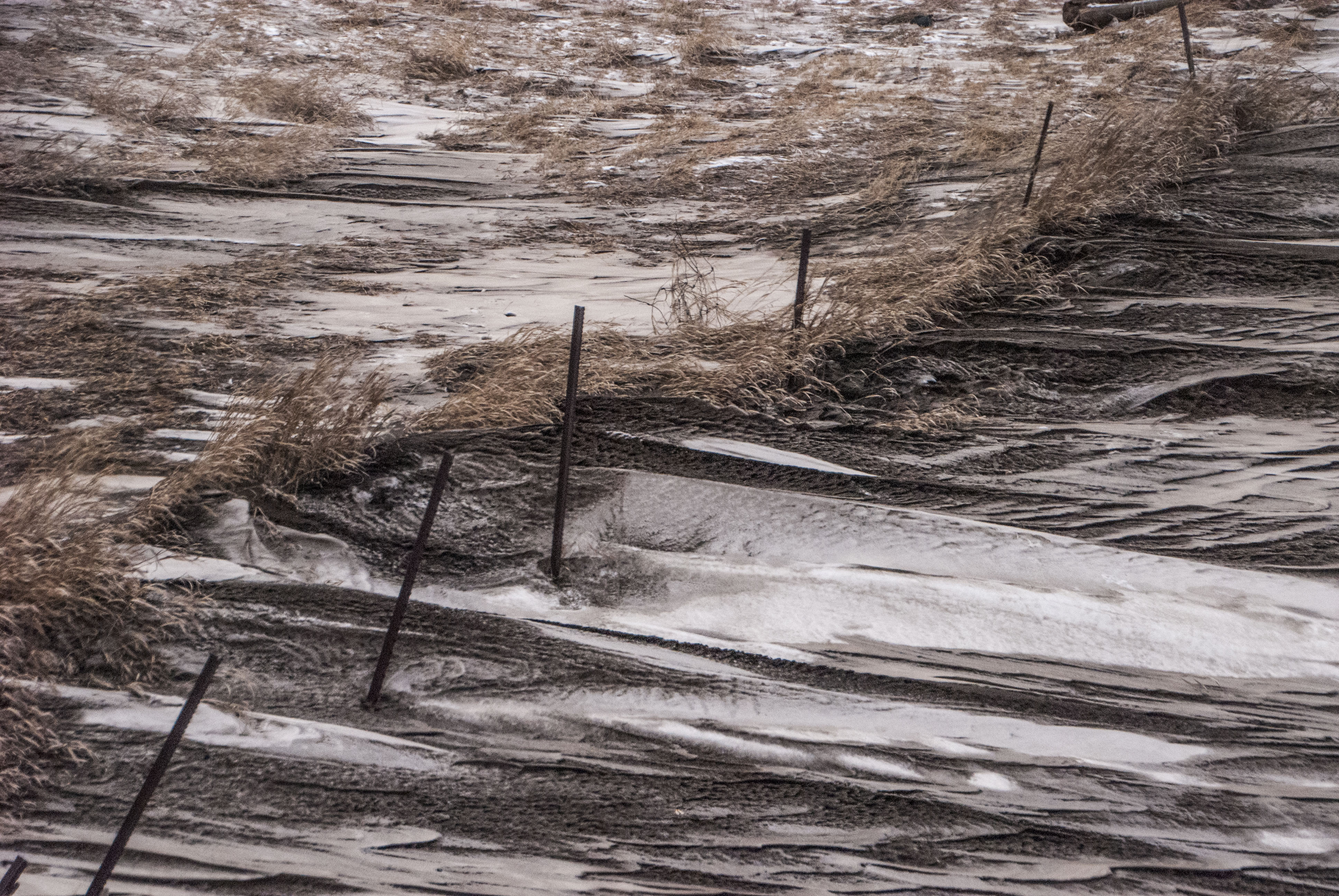
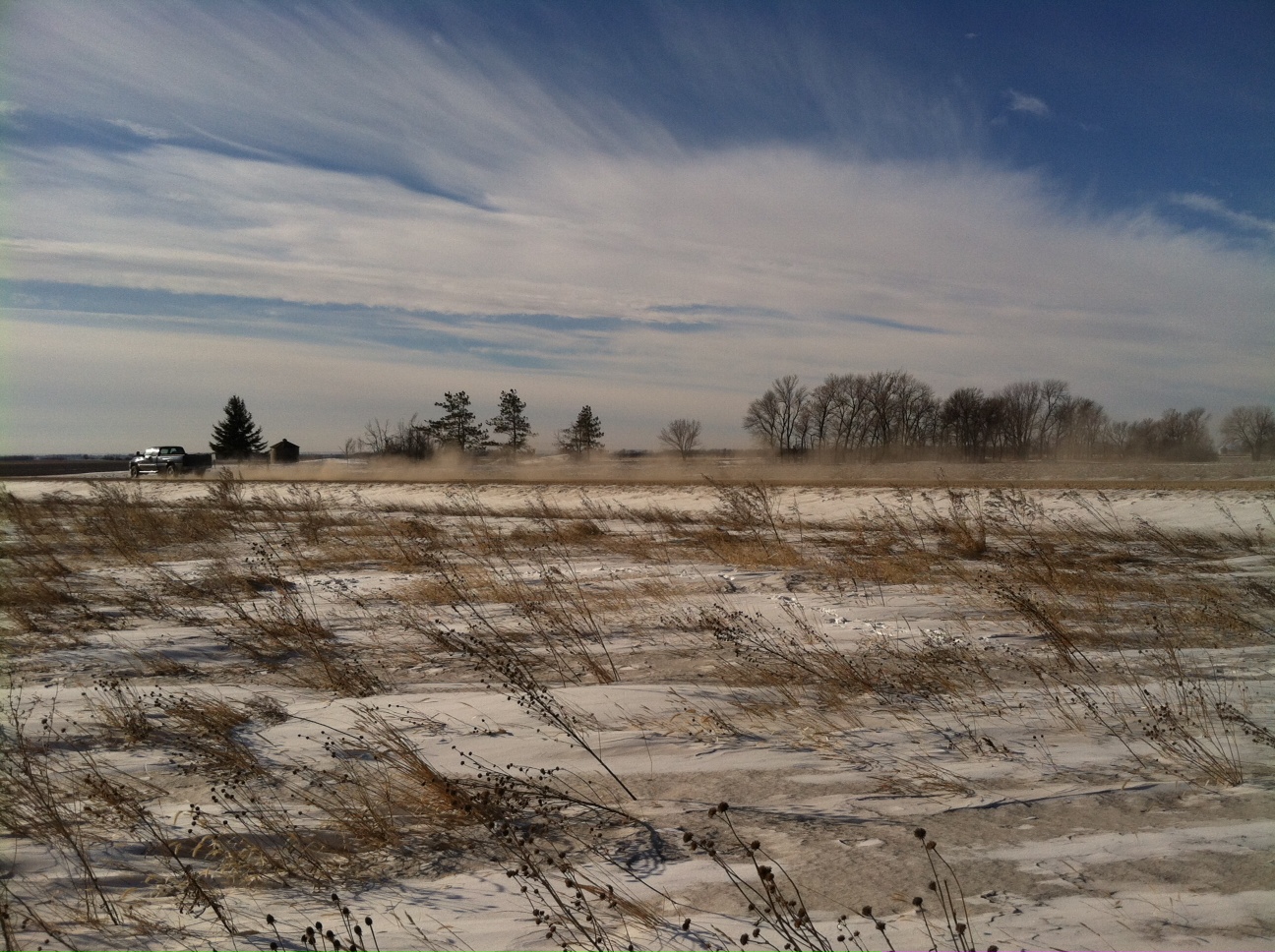
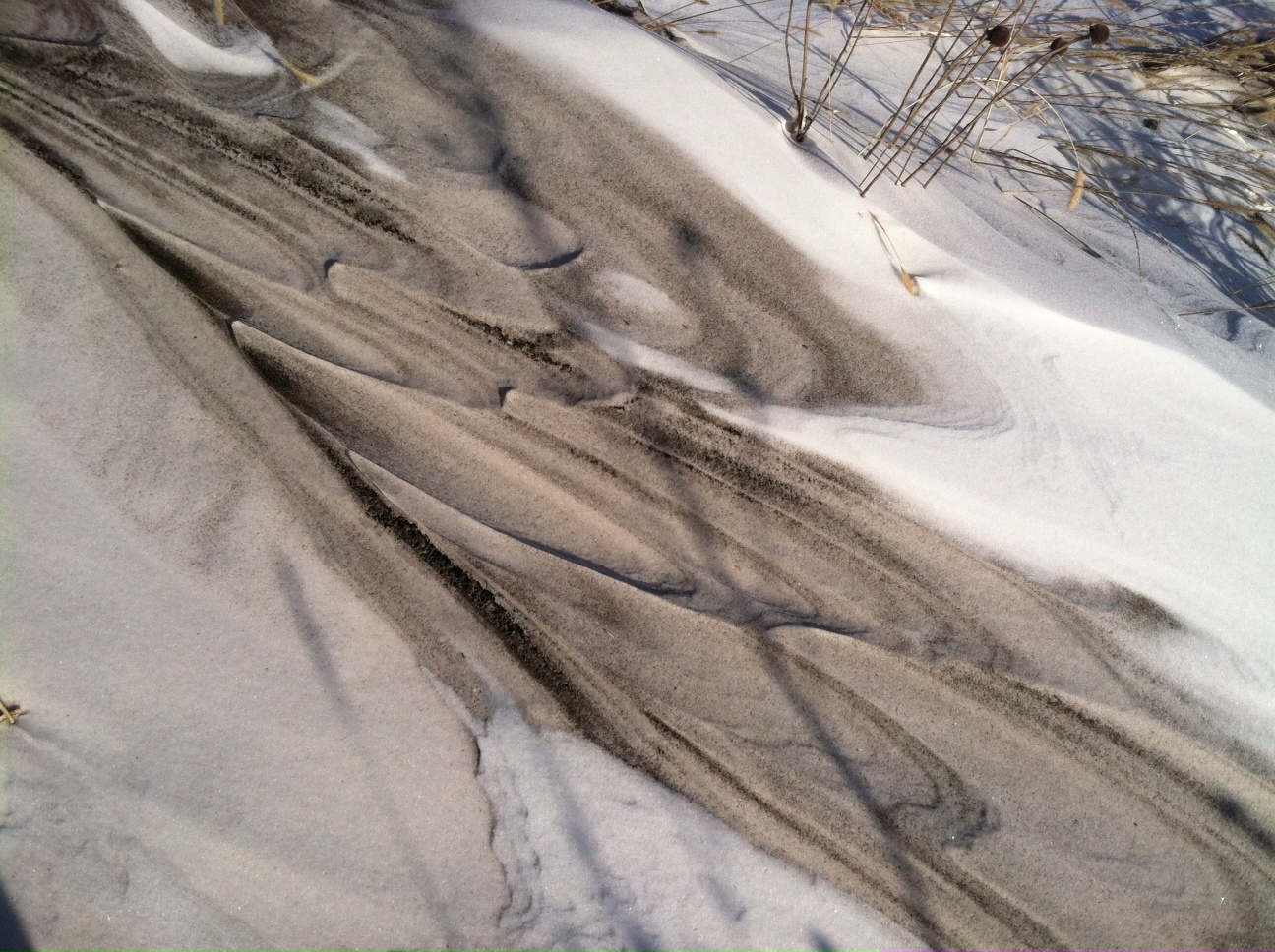
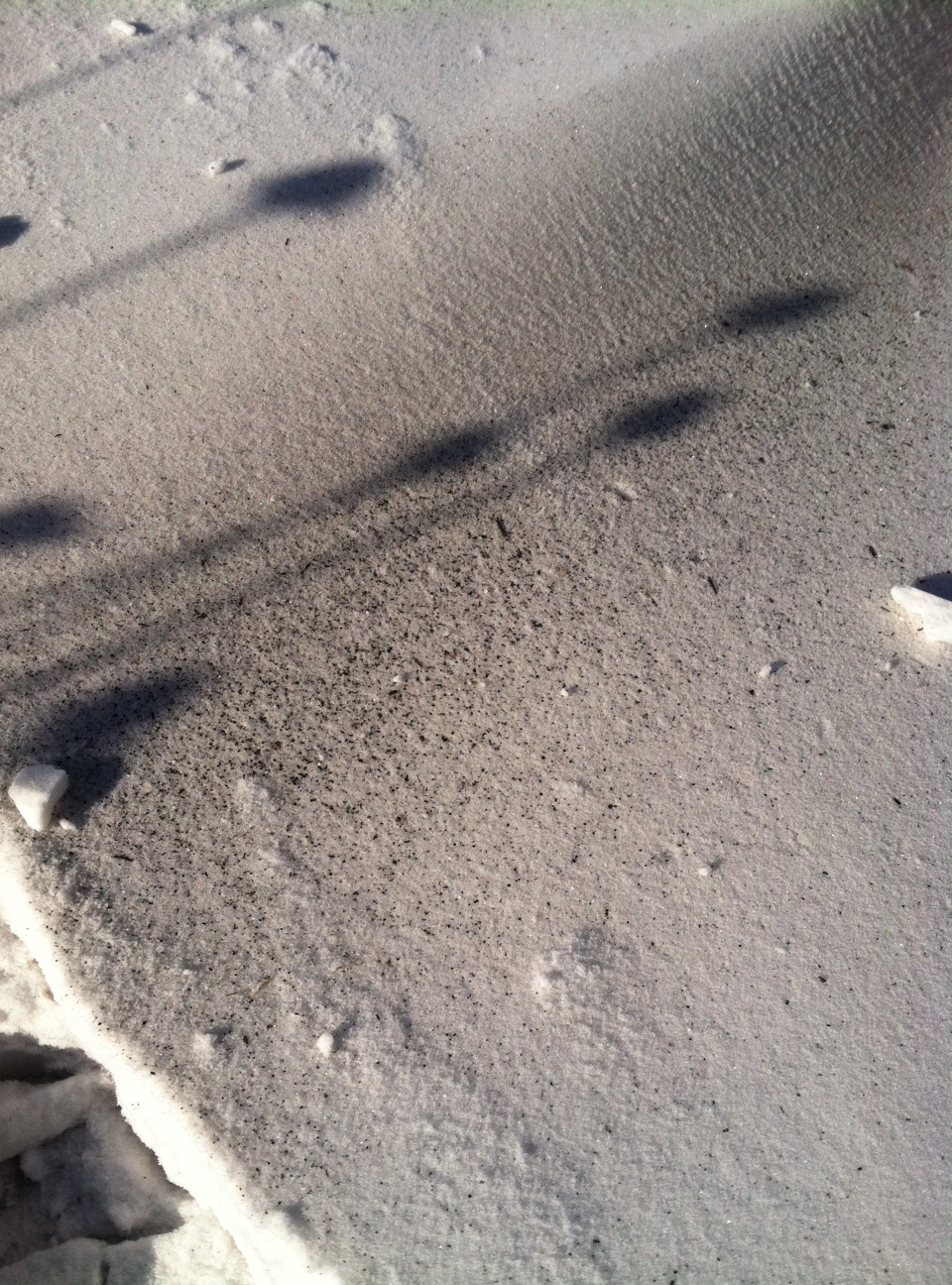
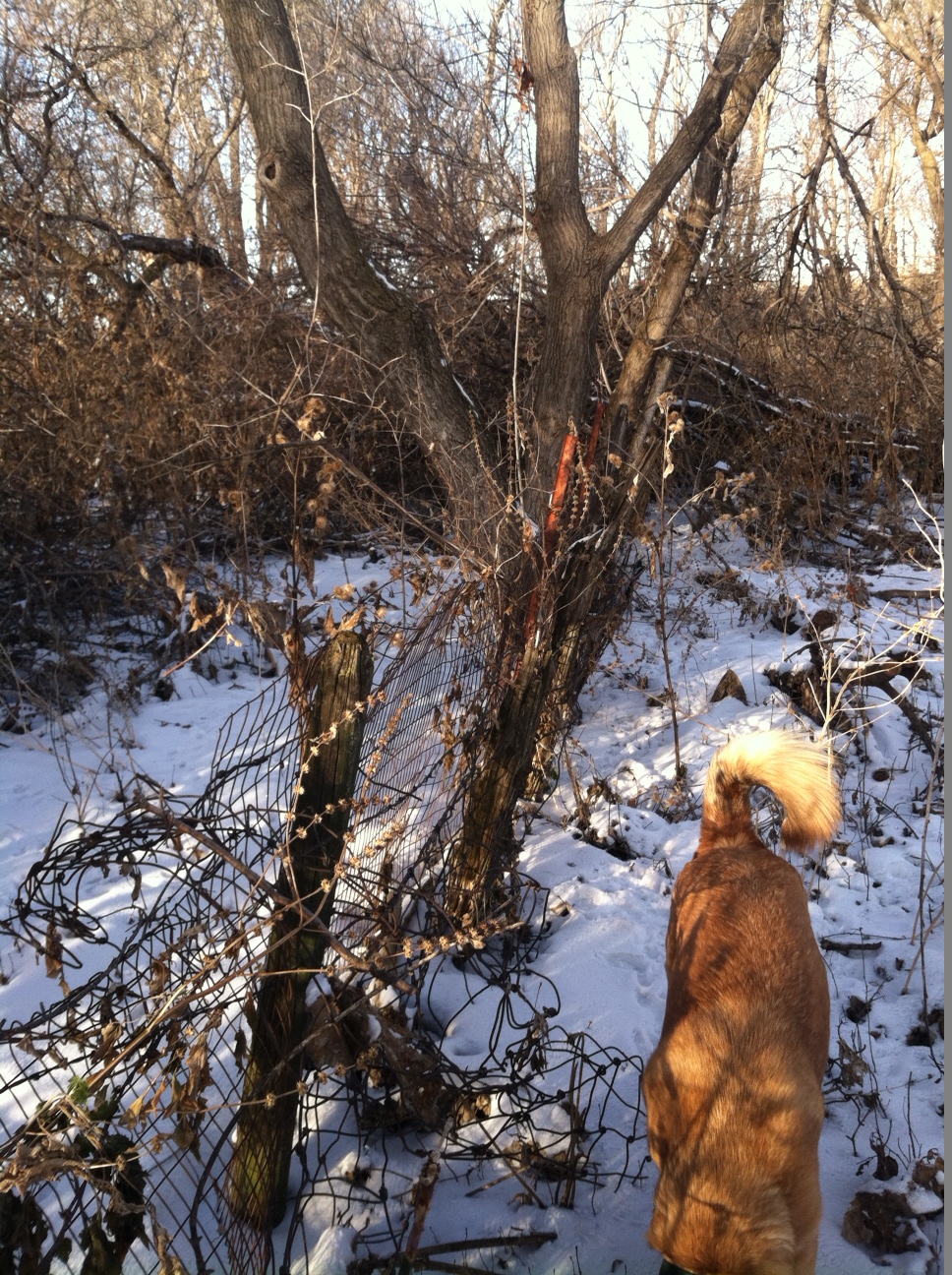
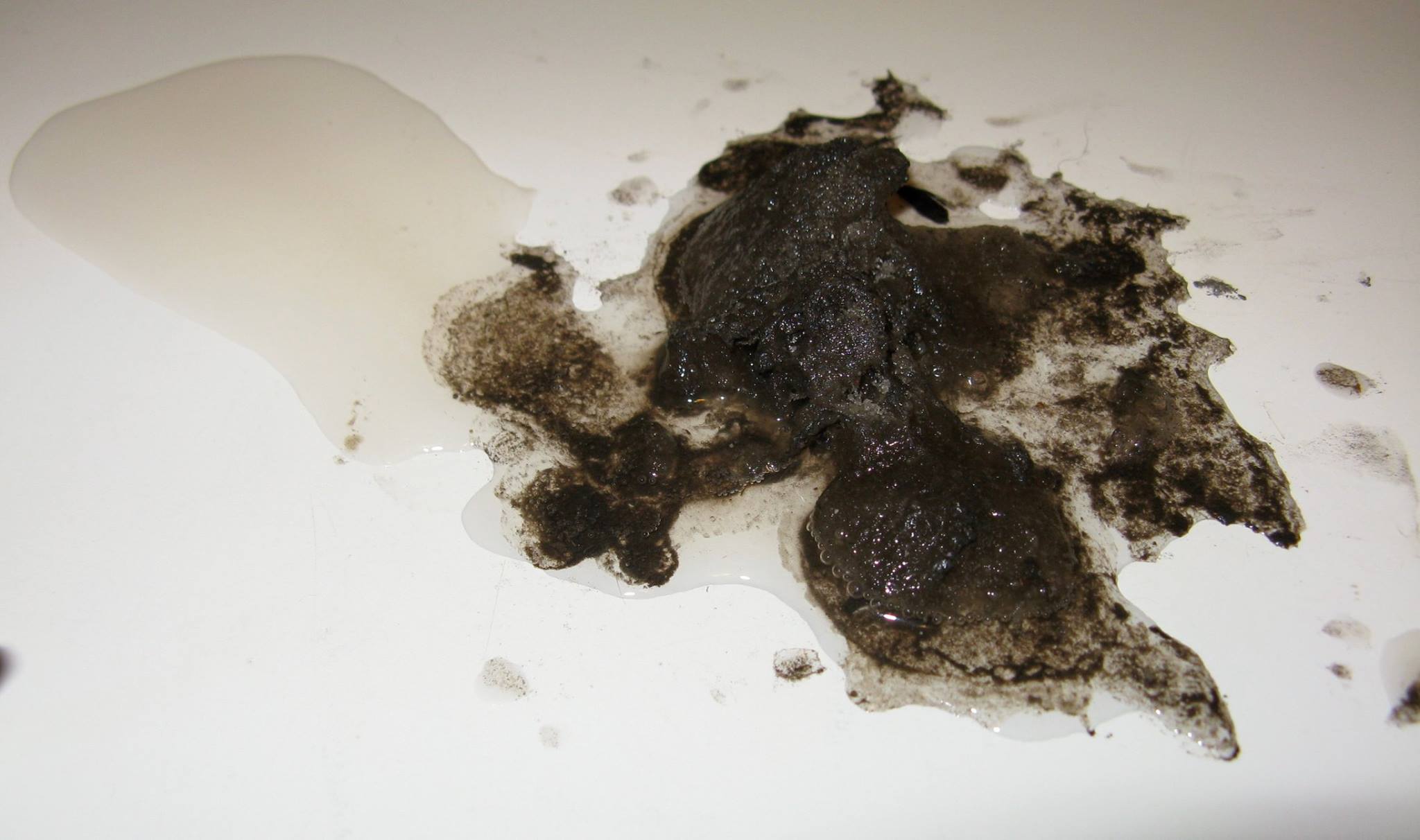
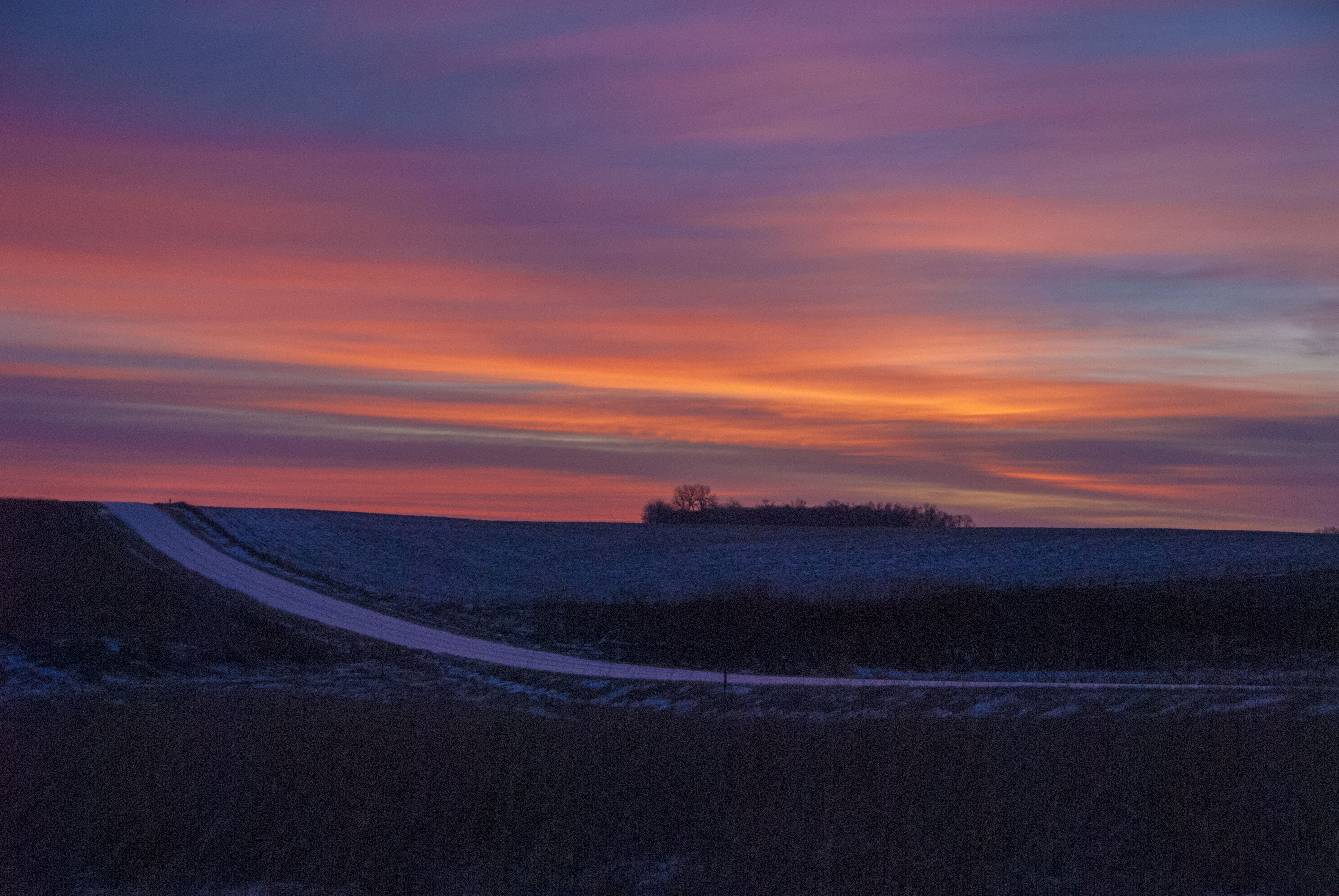
Sometimes, no words are necessary …. •snirt1 snirt2 snirt3 snirt4 snirt5 snirt6 snirt7 snirt9 snirt12 snirt13 snirt15 snirt16 snirt17 snirt18 snirt19 snirt20 snirt21 snirt22 snirt23 snirt24 snirt25 snirt26 snirt27 snirt28 snirt29 snirt30 snirt31 snirt32 snirt33 snirt35 snirt36 snirt37 snirt38 snirt39 snirt40 snirt41 snirt42 snirt43 snirt44 snirt46 snirt47 snirt48 snirt49 snirt50 snirt51 snirt52 snirt53

* Brought to you by a failed Federal Farm Policy and a lack of due diligence on area croplands. Images were made on the morning of January 11, 2015, in Big Stone, Chippewa and Lac qui Parle Counties.

Winter Journal

Up early and at it hard. John’s down south all day in a Southwest Arts & Humanities Council meeting, and while that cat’s away, this mouse is playing catch-up. The sun is shining, and NOAA says we might hit 12 degrees above zero this afternoon with a less than 10mph wind, which seems like a certifiable heatwave given the past week’s brutal chill.

The chickens are finally outside after several days of being shut in. At one point earlier in the week I opened their coop door because the real temp was above zero, but not one of them took advantage, and then the wind came up, and down I went to shut them in again. The two Americanas are finally laying their pretty green eggs (both of them started on the same day!) after a six week hiatus–they are not dependable winter layers like the “Buffies” (Buff Orpingtons) and “The Coven” (Black Australorps), but I know my customers like to see those “Easter Eggs” in the cartons.

photo 3(6)

Overall, laying is down even with supplemental light, but the few more minutes of day length we’ve gained since the solstice are giving us a couple more eggs than we got back in December. So far, everyone is doing fine in the unheated coop–last year’s hens proved themselves during the Polar Vortex (and Polar Vortex II), and this year’s batch are even heavier, hardier breeds.

John and I are planning our late winter travel. For me, it’s important to get out (if I’m going to get out) before seed-starting season commences in early March. I haven’t been to Seattle in five or six years now, and my dear friends out there should not have to wait any longer! That, and it’s always rejuvenating to visit the west coast in winter and to dream of what it might be like to live in a place where rosemary and lavender grow as luxurious full hedges rather than having to be potted up and brought inside or buried under bales for the winter.

Yes, it’s possible it might be cold there when I go…if by cold you mean, like, 35 or 40 degrees (it’s 46 there right now!). Maybe I’m nuts, but it seems a little safer, if I only have a week or so to travel, to go to someplace that’s only marginally warmer so that the contrast of returning to the northern prairie doesn’t send me into a deep-freeze-induced depression. The shock of returning to the cold climate should not be a problem for John, as his travel plans include a foray up above the Arctic Circle to visit a former exchange student and hopefully capture some aurora borealis images.

Seed and tree ordering has commenced, with our St. Lawrence Nursery order going in first of all since Bill MacKentley is retiring and there seems to be no clear succession plan at present. The first iteration of that order was pared back quite a bit, but I still got in a few things I’d been keen to try, but had cut from orders in the past: some hardy shagbark hickories, sweet sap silver maples, and blight-resistant American chestnut, as well as a couple of apples, a pear, a plum, and a few grapes.

The only thing I am having second thoughts about is leaving off a Northrup Mulberry, but I guess if I really want a mulberry tree (or fifty, or five hundred), I could get Harry’s permission to head down to the old farmplace in Vermillion and dig along the fencelines and then see what makes it through the winter up here.

I’ve also begun my regular winter session of being a pain-in-the-ass to my local SWCD guy by e-mailing him every other day to ask if he can get this or that native tree or shrub that’s not on their (really, kind of disappointingly short to a native planting fanatic like myself) list. So far he’s located bundles of Homestead Hawthorn and Nannyberry Viburnum for me, and we’ll add to that a few more oaks, hackberries, cottonwoods, cherries, hazelnuts, and maybe a few evergreens. My poor husband will think I am trying to kill him (again). I swear I will help more with planting this year, even if it means taking a couple of days off.

Seed orders are also taking shape–Pinetree is already done and submitted–I like their smaller size packets of herbs and flowers, plus squash and other things I just don’t need a ton of seed for. Their Summer Dance cucumber is the best, most productive and perfect-looking bitter-free cuke I’ve grown. I’m almost afraid to say that publicly, since a couple of other great F1 varieties I’ve raved about over the years (like Lavender Touch eggplant and Papaya Pear summer squash) have reportedly been bought up by Seminis (a subsidiary of Monsanto), and now I won’t grow them anymore. I grow very few hybrid varieties–if I grow one it has to be better (in my estimation) than anything else I’ve seen. When Summer Dance gets bought up, well, I’ll start trialing open pollinated cukes like I did O.P. eggplant and yellow summer squash. Not the end of the world.

Territorial Seed Company will be a small one–a few things I can’t get elsewhere (LOVE the Talon onion and wild garden mustards!), and Johnny’s is the biggie–though most of the volume is several kinds of organic cover crops–buckwheat, oats, field peas, winter radish. I’ll pick up a few other things from Prairie Road, High Mowing, and Seed Savers Exchange too, but I have quite a bit of seed that’s still good from the last couple of years. Everything from 2012 I’ll try to use up this season, and there’s no seed older than that because of the house fire in 2011.

In my fever of catch-up and planning ahead today, there’s still plenty of time for strolling the prairie and running the dogs. Vega will always be my “saint” dog–the one who’s stuck with me through some incredibly trying times in my life–but I am getting immense pleasure from Joe Pye’s company these last few weeks. I’ve nicknamed him “my shadow” because as soon as I get up from my chair, he’s right on my heels (sometimes literally!)–and especially if I head toward the outside door. No matter how brutal the day, he’s game to keep me company during chores and check-ins, and although I’m still working on training him not to rush the chicken pen fence just to see the “girls” scatter and squawk, I thoroughly appreciate his playful (and occasionally peaceful) presence.

photo 2(8)

John and I have been taking the two of them for “prairie galavanting” twice a day almost every day since Joe Pye came to live with us, and the exercise has made a huge difference in Vega’s (and our) energy levels. Still, sometimes the “old lady” (Vega, not me!) needs to retreat and spend the afternoon stretched out napping on her upstairs bed in the sunshine, away from the attentions of her too-eager little brother.

I brought my camera on today’s morning walk to document some of what everyone in the region has been talking about since Thursday’s “big blow.” We took the least-used path that runs through the lower prairie along the west side of our property. It goes unused because it’s the most open to the prevailing winds, and snow drifts deep in those paths, making the way difficult for Vega with her small paws, long legs, and aging hips.

A plume of light brown road dust forms as a truck passes by.

A plume of light brown road dust forms as a truck passes by.

We live on a graveled county road, so we get a fair amount of dust rolling off from traffic. Our own vehicles are constantly coated in it, and this time of year it’s hard to get rid of because the car wash isn’t open and gas station squeegees are frozen solid from the intense cold. But road dust is an easily recognizable grayish-tan. What’s accumulating in our prairie is our neighbors’ good black dirt–topsoil, that is, pulverized, ridged, and bared by fall tillage, and eroding by the truck-full.

This ain't road dust, folks.

This ain’t road dust, folks.

photo 1(12)

There does seem to be a little more stubble on the fields this winter–a few more roots left intact to hold the soil in place. I don’t know if that’s because farmers and landowners saw how bad the erosion was last winter and nixed fall tillage, or because the cold and snow came on too fast this year for the ground to get turned. I hope it’s the former.

A couple of fields down the road from us during a brief thaw a couple of weeks ago.

A couple of fields down the road from us during a brief thaw a couple of weeks ago. The corn stubble holds the soil and snow cover.

Absent a federal farm policy that actively and forcefully discourages practices that seriously damage the land, we are, all of us, counting on individual farmers and landowners to do the right things. By “right things,” I mean those practices that are proven to preserve and protect the soil & water–cover crops, no-till (or at the least, no fall tillage), grass waterways, buffer strips, and keeping marginal lands under perennial cover.

There are more, of course, and many of these practices are eligible for cost share and technical assistance. But they don’t work unless farmers and landowners use them, and it sometimes amazes me how hard Soil & Water Conservation District staff has to work to get farmers and landowners to sign up. I’ve heard conservationists say that farmers who are good stewards of the land will do the right thing regardless of programs and payments, but farmers who are only in it for the bushels (or dollars) per acre won’t do the right thing even if you offer to pay them (but they might if you fine them for not doing it).

photo 1(13) photo 2(11)

I don’t know if it’s that simple, but I sense there’s a grain of truth in it. Still, farmers, like everyone, need to make a living, and because we have a federal farm policy that encourages and even rewards practices that cause environmental degradation, we can’t only point our finger at farmers if what we get what we paid, and voted, for. We all have a stake in a better food and farming system, and unless we all push for policies and practices that encourage what we say we want (soil and water conservation, protecting pollinator and wildlife habitat, limiting the amount of toxic chemicals in the environment and in our food, and…you fill in the blank) and discourage what we say we don’t want, it’s just not going to get better.

photo 2(12) photo 1(14)

One more thought before I leave this depressing track: did you ever think there would come a day when we’d have to consider listing the Monarch butterfly as a threatened species? That day is sadly here.

Aside from documenting the collection of our neighbors’ topsoil, we’re doing a significant amount of farm planning for the coming year. With tree and seed orders going in, we’re also having to figure out where all this stuff will get planted, and how we’ll clear out more of the windrows of cut-and-dropped buckthorn in the grove to make room for things we’d prefer to have growing. If you’re feeling sorry for that invasive species we love to hate, don’t worry–we’ve also got a generation’s worth of buckthorn seeds just waiting to sprout that are causing us to consider (gasp!) getting a couple of goats. The final decision has yet to be made on that thorny subject.

We’re also hoping to remove a bunch of old fence from various parts of the grove–layers of fence in woven and barbed wire–fence that has become part of the living wood of the trees that have grown up through it. It will not be pretty (it’s not pretty now), and I’m guessing it will take many an afternoon with fencing pliers, wire cutters, colorful language, and probably a come-along to heave those old metal posts out of the ground.

photo(6)

Doesn't this look like fun?

Doesn’t this look like fun?

And did I mention the chickens? An expansion of the laying flock and another round (maybe two?) of “Drummies” for the freezer are on the to-do list. A couple of rain gardens, maybe some rain barrels, too, and, oh, I think I want to take out the entire front lawn to build for a terraced rock garden for perennial herbs, flowers, and maybe a few vegetables, too.

I know that all this might not seem like enough to keep us busy, but I’m pretty sure I’m forgetting a few of the major projects on the list.

It’s going to be a busy year.

Country-wide Tragedy

With the blizzard blasting the prairie, most of our afternoon was spent working inside, Rebecca on a mailing and me evaluating grants. Winds have been gale force, often leaving our house here on Listening Stones Farm as a blue island of warm comfort. Thankfully her meeting in Glenwood was canceled, or I’d been worried sick of her safety.

Like she was of mine earlier in the morning. I’ve taken on a new project … just to see how far I can take it. My goal is to make one “keeper” photograph every single day of the year, one that would hopefully be sort of a “diary” of each given day. To capture this day, when winds whipped our prairie grasses and the spindly stalks of the dormant forbs with wild and windy frenzy, I walked out into our eight acres of prairie in hopes of coming home with an image.

Winds whipped the prairie yesterday in gusts of up to 50 mph, but there was prairie grasses to protect the soils.

Winds whipped the prairie yesterday in gusts of up to 50 mph, but there was prairie grasses to protect the soils.

As with many prairie blows, the winds were not consistent. They gust and ebb, whirling here for a moment before sliding over a few hundred feet. Our weather sites told of gusts of up to 50 mph. This meant taking my time, and because of the nature of the wind and my age, my camera was placed on the tripod. Since I was dressed warmly and in layers, the cold was not an issue. With a ground blizzard though, the bigger danger was in  becoming lost. This can happen in an instant, so when Rebecca looked out the kitchen window and could barely make out the grove less than 50 feet away, she donned her winter clothing and came looking for me. It was enough to make a grown man smile.

We then hunkered down in the warmth of our 1912 four square doing our respective business.

Snirt in the front yard of a Boyd-area farm site. (Photo by Julia Ness)

Snirt in the front yard of a Boyd-area farm site. (Photo by Julia Ness)

Hours later pictures began coming across a social media site of gray snow. We have a word for that: Snirt, a combination of snow and dirt. Snirt is a country tragedy. I don’t believe our “original conservationist” and “true environmentalist” neighbors comprehend the severity of the situation, nor do the executives of the multi-national agri-chemical and seed companies that drive our federal farm policy. Already this winter many of us have posted blogs and photographs of significant snirt issues. On many of the prairie highways alert drivers were witness to the unmistakable black swirls in the snow drifts. Our “true environmentalists” may have received a break when the uncharacteristic melt erased the first signs of wind blown evidence, but the images posted today brings the sorry truth right out there for all of us to see once again. And, it’s sickening.

Folks, they’re just not making any new soil. We’ve plowed it up from the Smokies to the Rockies and beyond. More topically, on a recent trip from Minneapolis I chose to return on Highway 7, turning off of I-494, and much to my surprise, the horse farms on the rolling hills just past Victoria — basically on the windward banks of Lake Minnetonka — had all been plowed and planted to corn this past year. In 2014, I drove on this highway from Victoria to Watertown, SD, and my guess is that you couldn’t find 10 fields in that expance of prairie that weren’t in row crops. This is a direct result of federal farm policy.

A snow-covered country lawn gray from wind-blown soils. (Photo by Julia Ness)

A snow-covered country lawn gray from wind-blown soils. (Photo by Julia Ness)

While it’s arguable that those fields are “feeding the world” as the “original conservationists” and their puppet masters like to proclaim, most of what we saw being grown was inedible until it was digested in the bellies of factory-farmed chickens, turkeys, hogs and cattle (with a goodly share actually targeted for ethanol, where we’re also consuming an average of 40 gallons of water to produce a single gallon of ethanol). This on soils that took thousands of years of glaciation and natural forces to form. In a word, this soil is being mined of not just tilth and microbial activity, but is also being left vulnerable to blow away in winds from November through early June when the next crop is tall enough to protect the soil. And, if the soil isn’t being blown away, it is carried away in melt water. Reliable research estimates that a dump truck of dirt per second pours into the Gulf of Mexico. Seemingly, very few farmers act concerned.

Travels across the prairie this winter has shown little if any planted to cover crops, nor many stalk fields left standing to anchor the soils. Little but bare soils are left vulnerable to the winds of winter. I hesitate to guess how many millions of tons of soil were blown from tilled crop fields during this latest blizzard, much of which could have been prevented and wasn’t. Until federal farm policies are tweaked to address the true conservation of the soils, our future generations are being put at risk.

From a handful of snow pulled from dog paws. (Photo by Julia Ness)

From a handful of snow pulled from dog paws. (Photo by Julia Ness)

Here is as idea: That any and all landowners, and especially crop farmers, as well as the powers to be at major farm lobbying multi-nationals and farm organizations, be required to read David R. Montgomery’s book, “Dirt: The Erosion of Civilizations.” Then to qualify for any future government support programs, be required to pass a test on the importance of saving their soil for the good of the human race. If you want the “right to farm,” then farm right. Consider your soil as a precious gift, an investment, a commodity you should surely want to protect for as long as you live. Buffer the ditches. Invest in a cover crop. If you want a cheaper solution, hold off the plowing those corn stalks until next spring.

The parking lot in front of the Renville County SWCD office. (Photo by Tom Kalahar)

The parking lot in front of the Renville County SWCD office. (Photo by Tom Kalahar)

After reading Montgomery’s book, Rebecca said: “There are several things that stick with me from this excellent book, but one of the biggest is his point about the Middle East. We learned as school children that it held the ‘Cradle of Civilization,’ but what we see there now just doesn’t square with that land of milk and honey described in the schoolbooks. And a big part of the reason that picture doesn’t ‘fit’ is because they squandered their topsoil, just like almost every ‘great’ civilization that has fallen on almost every continent, and on many islands as well, on the planet. Almost all of them knew better. They saw the soils lighten, gully, and thin on the hillsides. They saw the dust blow. And almost all of them continued to pursue the quick profit, the biggest bragging rights, the most bushels per acre. They were ‘feeding the world’ as they knew it. And then, with their soils plundered and blown, their world collapsed, and those that didn’t starve led the next exodus to new, unspoiled lands to try again. Where will we go this time?”

Closeup of tracks made in the snirt. (Photo by Julia Ness)

Closeup of tracks made in the snirt. (Photo by Julia Ness)

For you can rest assured we can see those black wavy lines in the snow drifts, or like in this latest blizzard, when from Boyd to Olivia, pictures were made and posted of snow grayed by particles of your precious soil. What we’re really seeing, though, is nothing short of a country-wide tragedy!

Tracks in the Snow

While on my traipse through the new snow on the upper prairie loop this morning, Mr. Roggenbuck came to mind. Fleetingly so, for in the fresh snow were the loping tracks of a coyote. It may have been the one Joe Pye chased from the farmstead just as we were headed to bed last night, although the tracks didn’t appear to have been made in a flight of fright.

Rebecca enjoys having the new snow, for the winter brown was weighing on us. Besides the freshness, a new snow can also give you a glimpse of what goes on in the blackness of night. Coyote tracks, for one. Rabbit tracks, for another. There were the telltale tracks of a single rabbit in a short portion of the trail that suddenly veered off toward the orchard. In the orchard the tracks told a different story. Here were the tracks of an obviously nervous rabbit, circling here and there, heading off toward piled buckthorn then back between the apple and pear trees. If these were the tracks of a single rabbit, it was one with a nervous and fearful heartbeat in a flight of fright.

The minimum maintenance road where the Verse bottomed out.

The minimum maintenance road where the Verse bottomed out.

Right through the midst of the haphazard circles were, once again, the loping tracks of the coyote. A single thread that cut right across the topographical map of fear. This was like many good mysteries, though written in fresh snow. In our walk around the edges of the orchard and through the winding trail of the grove, the dogs and I found no evidence of a severe ending. Nor were there tufts of bloody fur along the upper prairie loop. If Joe Pye, who has quite a nose for prairie grass clues, missed it, the ever studious and ponderous Vega was on task to back up the investigation. Good cops, both!

Which brings me back to Mr. Roggenbuck, our local collision and glass entrepreneur. En route to the upper loop we passed a spot where I had laid in the browned prairie two nights before to take a photograph of the full moon rising into the prairie sky. It was one I made safely, which I’m sure will disappoint Mr. Roggenbuck … who never misses an opportunity to suggest that he has my car on a waiting list for this coming summer. There is precedent.

Moon is peaking through the bluestem in this photo from a year ago.

Moon is peaking through the bluestem in this photo from a year ago.

Two years ago the front on my little plastic, Japanese car was destroyed by a deer. My fault was perhaps one of fate. Ten seconds either side of that exact moment when the doe decided to turn course and head back onto the highway right in front of the car coming from the opposite direction was all that was necessary. That car broadsided the deer, which careened across the country road right into the “grill” of my car. That summer I met Mr. Roggenbuck, a fine man with a stellar reputation and keen sense of humor, for the first time.

Then there was last winter, which on the night of January’s full moon, the little car met a different fate. Since Mr. Roggenbuck had every little part back in place, and even had the headlights focused properly, the Versa was running like a charm. When the moon eased up over the eastern horizon I took note, grabbed the keys and sped quickly to the end of our gravel road where off to the east sits a concise, hillside oak savanna. Ever since we moved here that savanna, which bespeaks the past of the prairie pothole biome, has caught my eye. Here was an opportunity to make a really nice photo, since the savanna is far enough away that my telephoto lens could possibly pull the moon up into one of those iconic coastal images.

Though lacking the drama of the full moon image of a year ago, this one was much less expensive!

Though lacking the drama of the full moon image of a year ago, this one was much less expensive!

One must move quickly with a rising moon, not unlike a coyote in search of a meal in the prairie. It took perhaps 90 seconds to get down the road to the savanna … however, it was not to be. The moon was nowhere to be seen. The rise was much too far to the left. Disappointed, I started back toward the house where Rebecca was in the midst of preparing a great dinner, and one I was hesitant to leave despite her assurances that she would save some for me. At the end of the section a sudden thought came about a WMA with a wonderfully rich growth of big bluestem.

Another image from the Steen WMA, with bluestem in the sunrise.

Another image from the Steen WMA, with bluestem in the sunrise.

Again, a rising moon moves fast, so when I turned I hit the gas. Steen’s WMA was a mile and a half distant, and the snow-covered road, complete with icy ruts, jostled the little car. It wasn’t long before I passed the one mile intersection. A third of a mile distant is an abandoned farm, with the grove still standing. Edging across the low-maintenance gravel road was an impressive finger drift, a peninsula of snow. Having lived here long enough to know that if I didn’t hit the drift with enough speed and muscle I would be stuck, I pushed down on the accelerator and hit the drift. The drift was solid ice and the Versa went airborne. That the car landed without rolling was both impressive and incredibly lucky, yet it crashed with such force that the entire front end was crushed. Pieces of plastic flew past the windshield as I pulled the car to a stop. Fortunately the right headlight was still headed in the right direction and the wheels appeared to aligned, so after taking a deep breath I drove on up the hill to the WMA and took a half dozen pictures.

This past summer Mr. Roggenbuck had his second chance with the car, and after I told him the story of what happened, he said, “We’ll fix ‘er up for you, and we’ll hold a spot open for you for next summer.” Since then we’ve run into one another at least a half dozen times, and he never fails to mention that he has saved me a spot.

moon image2

So getting an image in our home prairie of the rising moon was cause for a quiet and pleasing celebration … until this morning. Before I took the dogs for the walk I once again headed to Steen’s WMA to take in that luminous light of pre-dawn, and the prairie wind was creating a new drift across the one-lane country road at the exact spot. Experience is a great teacher. That drift was approached slowly and delicately, and the Versa remains in one piece.

Between the track mysteries left in the snow, this was also a sense of satisfaction as the dogs and I circled the upper loop.

Forging Ahead

Joe Pye loves to run the paths through the prairie.

Joe Pye loves to run the paths through the prairie.

In an earlier writing I told of how on the eve of our first snow of the winter, Rebecca worked feverishly and successfully to remove the tillage attachment and to install the mower on her “new” garden tractor. As darkness approached, she headed into our eight-plus acres of prairie to mow a meandering path through the grasses and forbs. More than once since she has jokingly been accused of mowing the path in a state of inebriation.

What a beautiful path, though. It loops and connects, meanders and traverses, and even intersects with the farm site in a few strategic places.

That winding path has now become a focal point thanks to adopting our new mutt, Joe Pye. Twice each day since, we’ve taken Joe Pye and Vega, our resident “hound,” on exercise laps on Rebecca’s prairie loops. We have our “upper” prairie on the northern portion of the farm, which begins at the foot of the orchard and winds around above the grove; or the “lower” prairie, which is mostly below the farm yard and main garden. Naturally, she connected the loops between the upper and lower prairies.

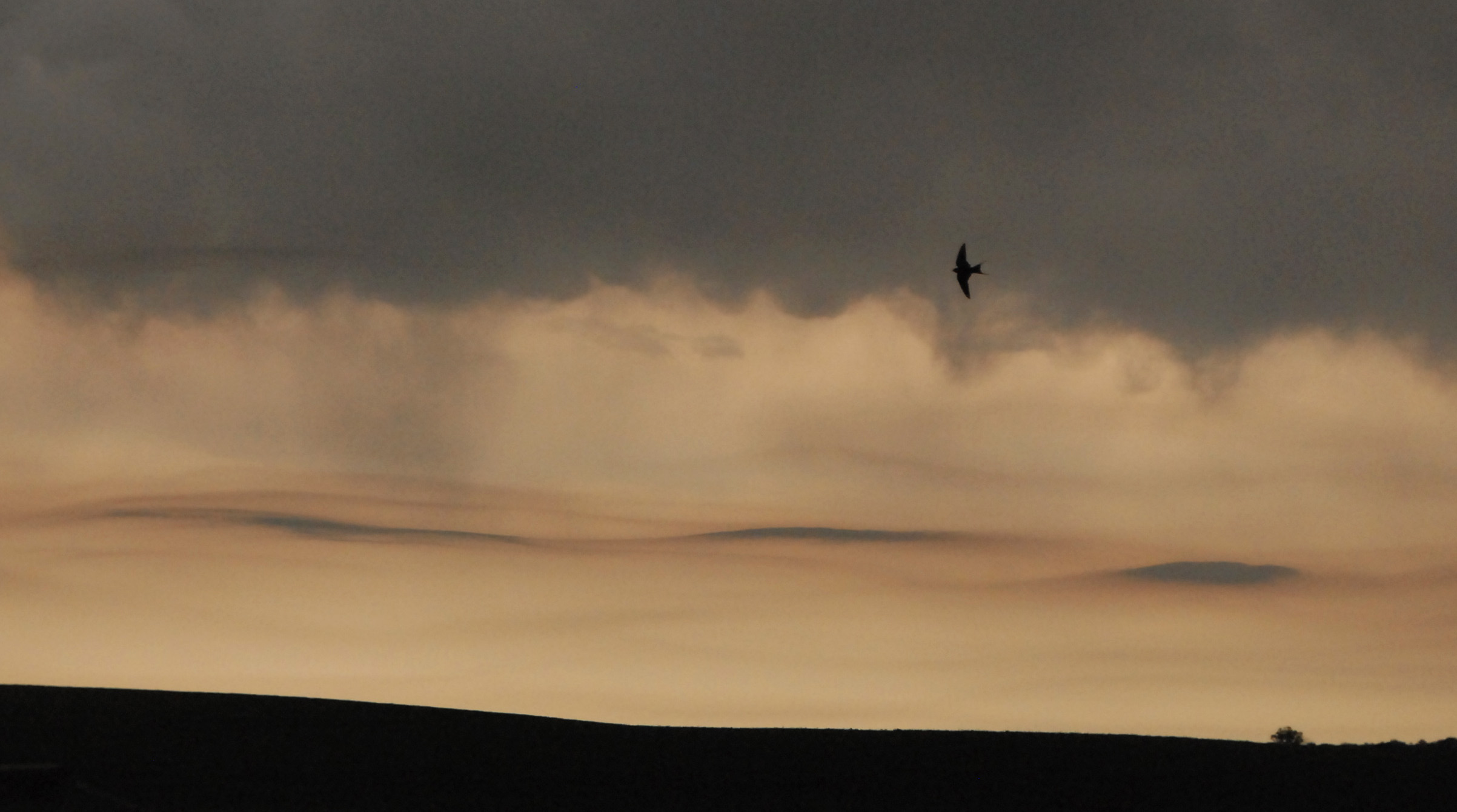
Watching the swallows above the prairie was a treat all summer long.

Watching the swallows above the prairie was a treat all summer long.

The loop paths are giving us both a good excuse for exercise and fresh air, not to speak of giving the dogs a good airing out. It was on one of those walks that Rebecca asked, “How do you think our prairie will look next year?”

“I haven’t a clue,” I answered. My response came from experience and from a comment made by dear friend and prairie addict, Kylene Olson, executive director of the Chippewa River Watershed Project, and who is also a Master Naturalist and winner of CURE’s Riverkeeper Award. Years ago, during the first full bloom of my backyard prairie garden in Clara City, I invited Kylene over to help me identify a few plants and to give an overview of the effort. As we walked the perimeter of the prairie garden, she said, “You realize that no two years are ever alike. You have a lot of blues and purples now, but next year it might be dominated by yellows or with grasses. You never know from year to year.”

Enhanced by the early morning sun, the color of yellow dominated.

Enhanced by the early morning sun, the color of yellow dominated.

In the three years of the garden, she was right. No two years were ever alike. Since then I’ve noticed same is true of the various native prairie patches around the area. “Amy’s Prairie” near Montevideo was a collage of flower colors this past summer, while a year ago it was weak on cone flowers. Two years ago the Clinton Prairie was a carpet of Prairie Smoke late in the spring, while this past spring one had to search diligently to find a single cluster. The WMA located a mile and a half east of our farm had a great season for Big Bluestem in August, seemingly three times what was visible the summer before last.

It was on our first summer here that our prairie was planted. Most of what we saw through the first summer was a domination of pigweed and lamb’s quarter, certainly not desired species … yet they are the first transition species in an ecological plant succession. We were told by the SWCD and Pheasants Forever, who worked together on the planting, not to worry, that the prairie was coming along quite well despite the pigweed jungle. “No two years are alike,” said the SWCD man. There it was again.

More than once we spied deer in the prairie.

More than once we spied deer in the prairie.

This past summer, in our second year, the prairie was dominated by yellows and very few grasses. Every blooming flower, and there were seemingly millions, was a bright yellow. At first it was delightful since it wasn’t pigweed. By August the entire prairie was a carpet of yellow, one you couldn’t miss coming up over the hill at the end of the section. While I hesitate to suggest that we grew tired of yellow, we went on several high-stepping missions through the dense foliage, and prior to the cutting of the paths, in search of anything suggesting a different color. We did find a sprinkling of Purple Prairie Clover and a few Bee Balm plants. In fact, Rebecca believes we’ll have a healthy Bee Balm crop on the upper prairie next summer because when she went up there last fall to transplant some she started from seed, she suddenly spotted them everywhere!

That anticipation of change is one of the beauties of having a prairie. Another is seeing the prairie come to life. Many hours were spent watching the acrobatic flights of swallows over the prairie surface all summer capturing insects drawn to the plants. Come autumn, murmerations of starlings and various blackbirds came to feed among the seed heads of the coreopsis, prairie sunflowers and coneflowers. We have surprised deer, including the flushing of a fawn in early summer that bounded down into the lower prairie flashing its telltale white flag of distress. Butterflies made their appearances, too, and we were so thrilled with seeing monarchs that Rebecca made a concerted effort to spread more milkweed seeds into the grasses.

Side Oat Grama is emerging, and is seen here with a couple of Native Purple Clover.

Side Oat Grama is emerging, and is seen here with a couple of Native Purple Clover.

Nightly we hear coyotes, and although we suspect they’re somewhere in the prairie, we have not seen tracks even after a snow. Those nightly yips and howls take over the late afternoon “barks” of pheasants. Last winter we had a resident rooster who seemed to strut from the prairie into one of our lilac “islands” every late afternoon. On one of our recent walks with the dogs we saw pheasant tracks in the snow in the upper prairie. No birds, though. A day or two later we finally flushed a hen in the lower prairie. We were thrilled, and perhaps even a bit smug in our self-congratulations when considering all the barren crop fields that surround us.

One of the few Bee Balm in our prairie last summer.

One of the few Bee Balm in our prairie last summer.

Yet, it is through the adoption of Joe Pye and Rebecca’s loops that we are becoming ever more familiar and intimate with our home prairie. We had a beautiful summer, as noted, and seeing it twice every day this winter as we move from the Solstice toward the Equinox will no doubt provide various observations of change. We’ll see if those Prairie Smoke plantings were successful as we move into the next greening season, or if Bee Balm will actually “explode” on the upper prairie. Maybe all the sprinkling of seeds “caught” in our pant cuffs after we returned from other native prairies will take root, along with the milkweeds.

What will our prairie look like come summer? Who knows? Yet, that is the beauty of our home being surrounded by a patch of prairie, even if it is restored rather than native. I like this idea of “we’ll see.”

Of a Winter’s Solstice

What was a day-long “ugly” Winter Solstice, with a thick gray hugging our Minnesota prairie like a heavy quilt in a dark room that you can’t seem to kick off your feet, ended with bright blue and vivid lights of red. Of all my escapades over the years to capture an image on this the shortest day of the year, none have ended quite so colorfully.

Dawn foretold the color of the day; we had no sunrise. Before noon I took the dogs for a walk through our prairie and grove seeking inspiration. Yet, for most of the day I kept my eye on the windows, hoping for a glimmer to break through. Gray makes such a search, on a day when light is celebrated, rather gloomy. Since I pride myself on having a positive attitude, I wouldn’t allow the grayness to pull me down.

Last year on the Solstice, these gulls rose from the ice at the Big Stone National Wildlife Refuge.

Last year on the Solstice, these gulls rose from the ice at the Big Stone National Wildlife Refuge.

Late this afternoon, with the camera in tote, it was off to the Big Stone National Wildlife Refuge with just a fringe of pinkish color along the horizon. Unfortunately, once again the gates to the Refuge were padlocked so the outcrops, possible deer sightings, and the acres of native prairie were off limits. Things were not looking good, not like the past several years when my search for a Winter Solstice picture has been rewarded. Few were as bountiful than last winter when I pulled up onto the dam that creates the Refuge on the Minnesota River. Just as I pulled up, a group of terns lifted from the ice. I quickly lifted the camera and was fortunate to capture a single image, and one of my favorite photographs of the year.

Over the years the Winter Solstice has yielded some fine images. Years ago I captured the lowering sun over my neighbor’s farm. Unlike my tern image, which was blessed with just enough sun to show the shadows on the ice, the farm image was decidedly “Solstice” with the height of the sun angled low over the southern prairie sky.

An iconic image of a Winter Solstice on the northern prairie.

An iconic image of a Winter Solstice on the northern prairie.

Another year, just before dawn, I was able to make an image of another neighbor’s sheep pen along the highway in a blessed blue hue as I was leaving for an out of town meeting.

Then there was the deadline picture on a very cold and sunny day, just minutes before I had to send files of the weekly up to the printer. Not only was there a huge hole available on the front page, but it was also the day of the Winter Solstice. In the southern sky were the rainbow colors of a sundog. As I hurried up the street, suddenly a group of pigeons exploded off the local elevator right into the hues. Up until the tern image, this was certainly my favorite Solstice image for many reasons, and the image played well for a tall, three column vertical on the front page. Welcome to the digital age!

Needed a Solstice picture for my country weekly, these pigeons flew from the local grain elevator into the arc of a sun dog.

Needed a Solstice picture for my country weekly, these pigeons flew from the local grain elevator into the arc of a sun dog.

Oh, there are so many times like these when I think of Jim Brandenburg, the Luverne/Ely photographer who went onto fame with the National Geographic Magazine, and who has published two beautiful books based on a personal challenge he offered himself to make one image a day for 90 straight says. Some of his images, which he dated along with the time, were made early in the morning, although enough were late enough in the day where you imagined he was getting a little antsy. While I rarely place that kind of pressure on myself, today I was beginning to wonder if I was going to have enough light, let alone an interesting light, to capture anything besides that grayish gloom. Remember, the Solstice is about light and promise, both of which were the basis of celebration of the Solstice for thousands of years.

With the refuge locked, I turned toward a wetland with jagged stumps jutting from the surface. Whenever I pass the wetland I slow and gaze at the possibilities. The wetland was just up the hill from the valley and offered a last chance considering the approaching dusk. Enough of a melt had occurred to give an interesting reflection of a brighter sky skimming across the surface of the ice. After parking the car, I walked down and worked on the composition on one of the more interesting stumps. Indeed, a sense of accomplishment settled in as I climbed back into the car to return home. At a nearby field approach I made a U-turn and started back down the highway when I noticed a more interesting angle and quickly pulled the car over to the shoulder, making sure I put on the hazard lights.

Dawn broke on a Winter Solstice on a neighbor's sheep pen.

Dawn broke on a Winter Solstice on a neighbor’s sheep pen.

A car passed on my side, and four sped past from the opposite direction as I aimed the lens at the ice and jutting stumps. It was then I noticed the bright blue and vivid red lights bouncing off the rear view mirror … that of a state trooper who had pulled up behind me. As he walked up I sat and wondered just what I might have done wrong, and joked as he came to the back of the driver’s side door. “Sir, I really wasn’t speeding!”

“Well just what are you doing?” he asked.

“Taking a Solstice picture of those stumps in the wetland across the road.”

He turned toward the slough and then looked back at me with a somewhat incredulous expression. “You’re doing what?”

Once again I explained.

“Well, you should probably park up the road and walk back here to take your pictures. It’s just not safe to be parking half off the road and on the fog strip,” he said, again looking across at the wetland. “Just be safe,” he said as he turned to leave.

“Happy Solstice!” I shouted.

Finally, just before dusk, a nice pinkish light broke over the prairie. My 2014 Winter Solstice image.

Finally, just before dusk, a nice pinkish light broke over the prairie. My 2014 Winter Solstice image.

He stopped, looking surprised at the salutation, perhaps his first and only such greeting of the day. “Yeah, well a Happy Solstice to you, too.”

I wonder if Brandenburg has a story like mine.