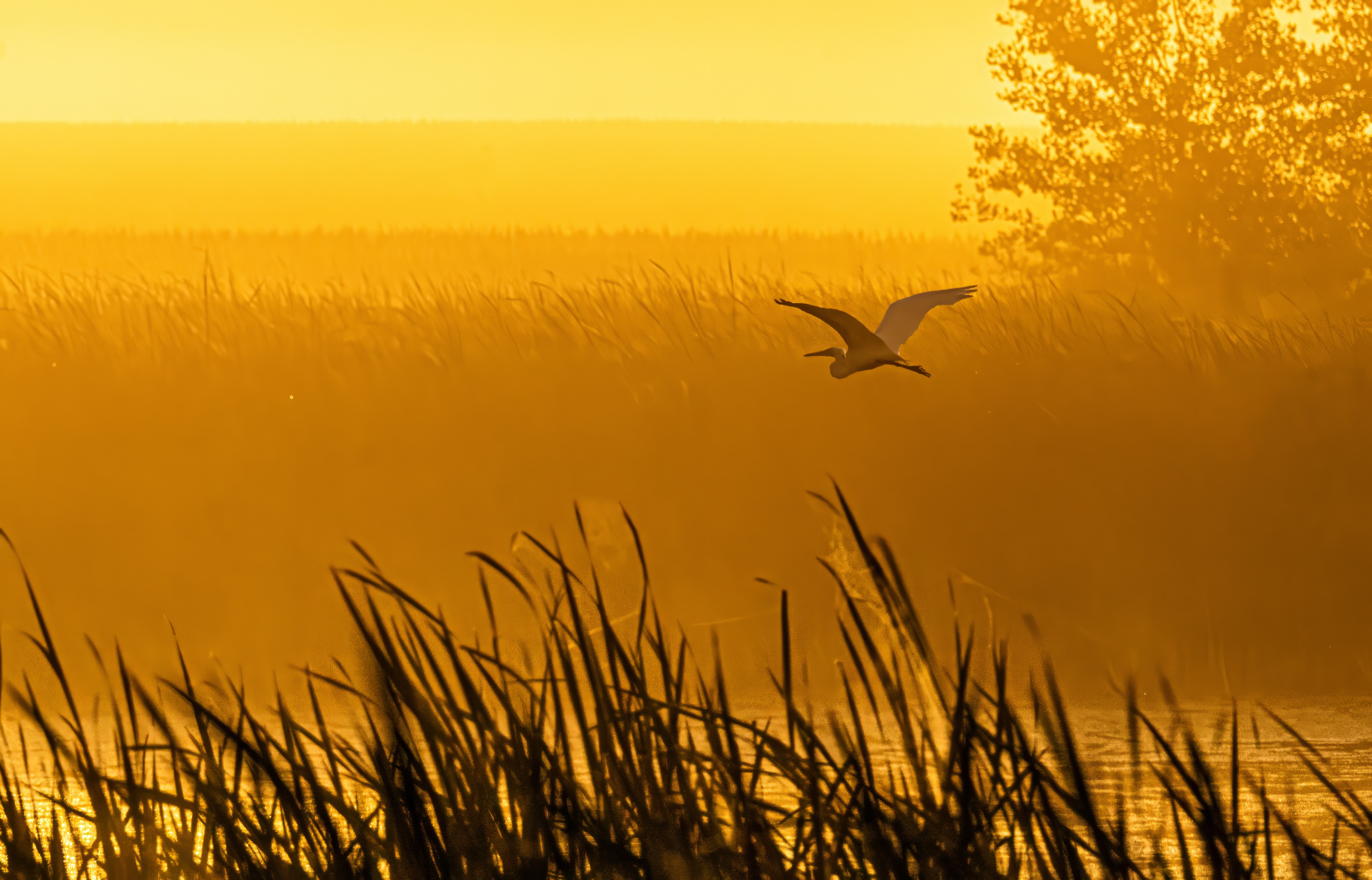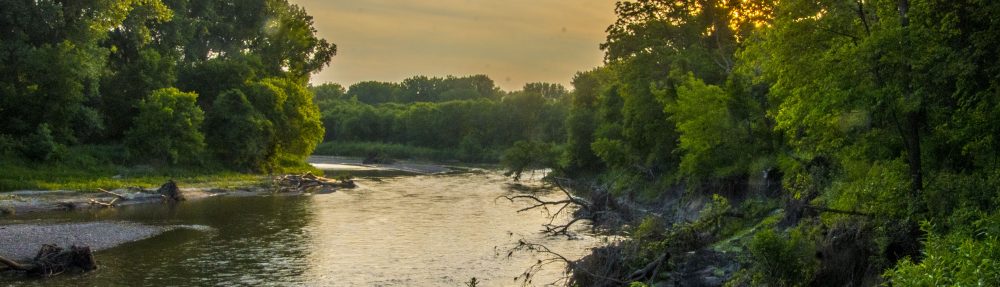
Was it my energy level? A lull after a high coming off an exhibit back in my hometown? Was it because June is an awakening of summer as April brings us such gorgeous gifts of spring? Now as July ebbs toward August we’ve suffered from sweltering heat along with smoke from the ravages of global climate change, in a moment of sapped energy I took a short trip back through the files of images from our trips back in June, through images made over a month where trips were made through four National Wildlife Refuges and a jewel of a nature preserve in Wisconsin. As my partner in life, Roberta, might say, “I could do this again.”
Hopefully we will even if the intent of those recent trips suffered somewhat because the initial muse for each of the journeys was either non-existent or paled by reality. Despite those initial disappointments, unexpected joy emerged in each of the visits. Ready?
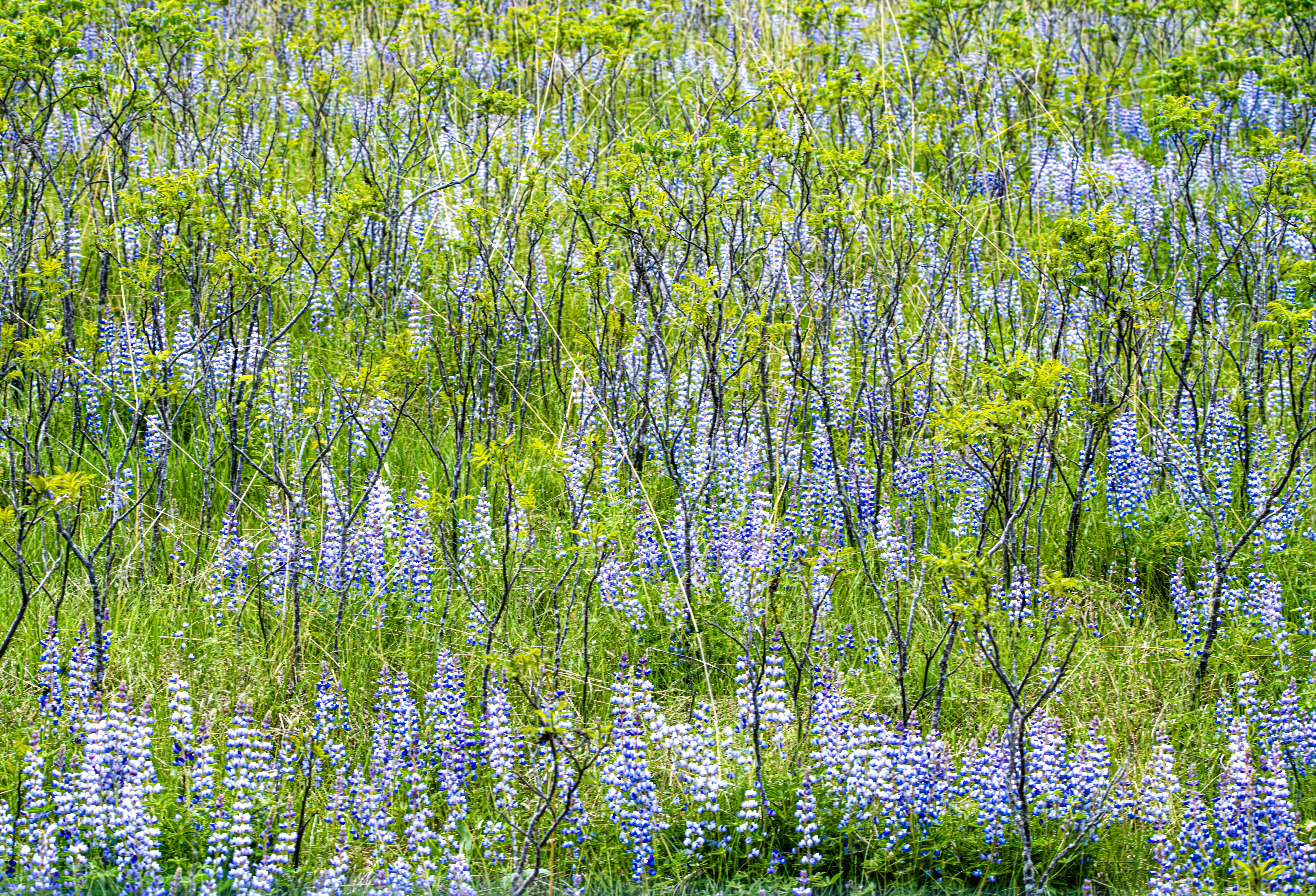
Our first was Sherburne NWR between St. Cloud and the Cities. We came for the Sandhill Cranes and were basically shutout, although our unexpected joy came with my first time of experiencing the blissfully beautiful blues of lupines in full bloom. Yes, there were scattered sightings in the past, meaning a few blossoms here, a few there, though never acres upon acres of a full and heavenly peak of blueness. Lupines are native forbs we see very little of here in the prairie, and in my past early summer visits to Sherburne only a few were spotted either in immaturity or in past bloom ragity. But this? This was a spectacle of beauty. Over the years I had seen photographs of such a bloom and dreamed of one day seeing it in person. Although we eventually found a single pair of feeding cranes, which was certainly appreciated, it was the unexpected bounty of beauty of the lupines that seemed so captivating.
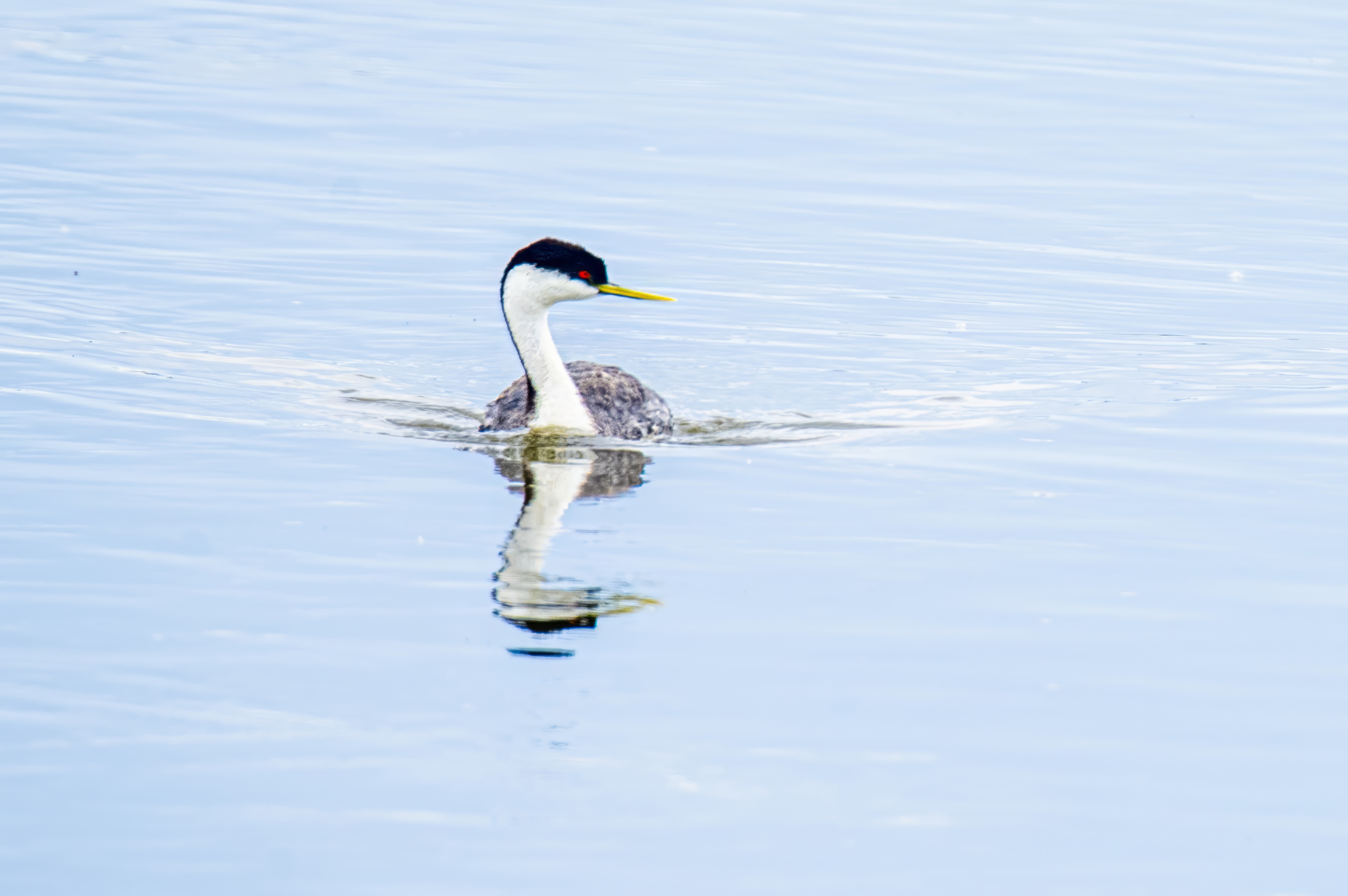
A few days later an urge to once again photograph American Avocets found us at Sand Lake NWR near Houghton, SD, an interesting refuge that often features a wide array of shore birds wading in the wide and endless shallows along miles of shoreline. This was the first spring avocets have escaped me in the past four years, a string that continued at Sand Lake. Not one. That disappointment was curtailed, however, by finding dozens of Western Grebes creating poetry in feathery pattern and motion, a Marbled Godwit striding confidently in shallow waters on long, ballerina-like legs, a group of White Faced Ibis’ crouched in a community feeding frenzy along with various sandpipers traipsing in shallower waters. A fine feast for the eyes and camera on a warm, sunny afternoon.
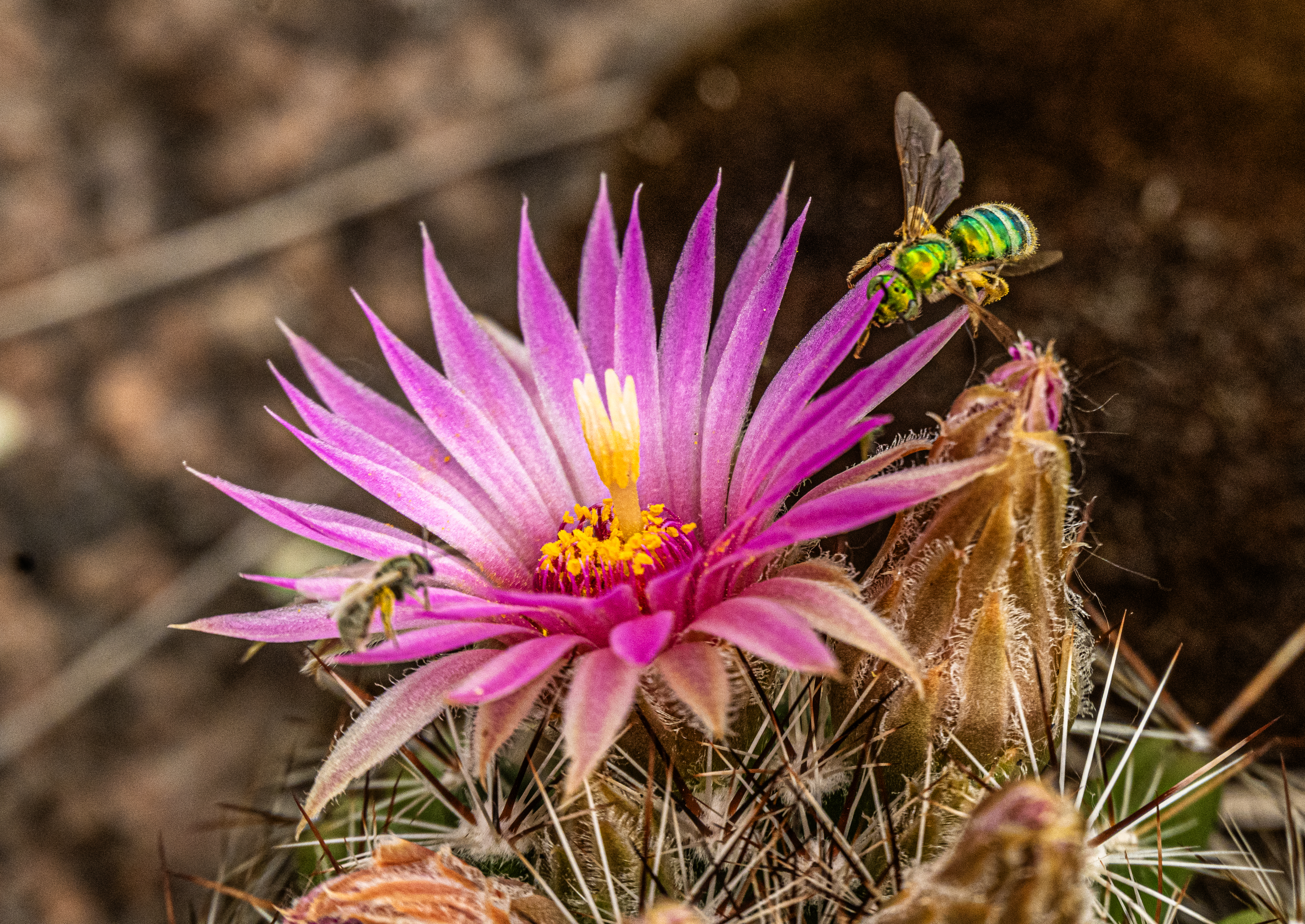
Since we live about 11 miles from Big Stone NWR, we’re frequent visitors, and on this particular afternoon it was in hopes of photographing the flight of the ever rarer Nighthawks in a mating flight. Nope, yet the disappointment faded once we noticed the Ball Cactus in glorious bright pinkish bloom. Just three days earlier all we could find was the yellow blossoms of the neighboring small prickly pear, one of the three native cacti species in Minnesota. Refuge naturalist Brandon Semel had suggested on that earlier visit that the balls would be blooming very soon, so we weren’t totally surprised at seeing those beautiful blooms sprouting from those round balls of lethal looking spikes. What a special treat. And, as we were exiting the flat outcrop a Nighthawk rose from the prairie grasses to ward us away from a probable nest. Obviously we were a bit late for our initial quest of a mating flight.
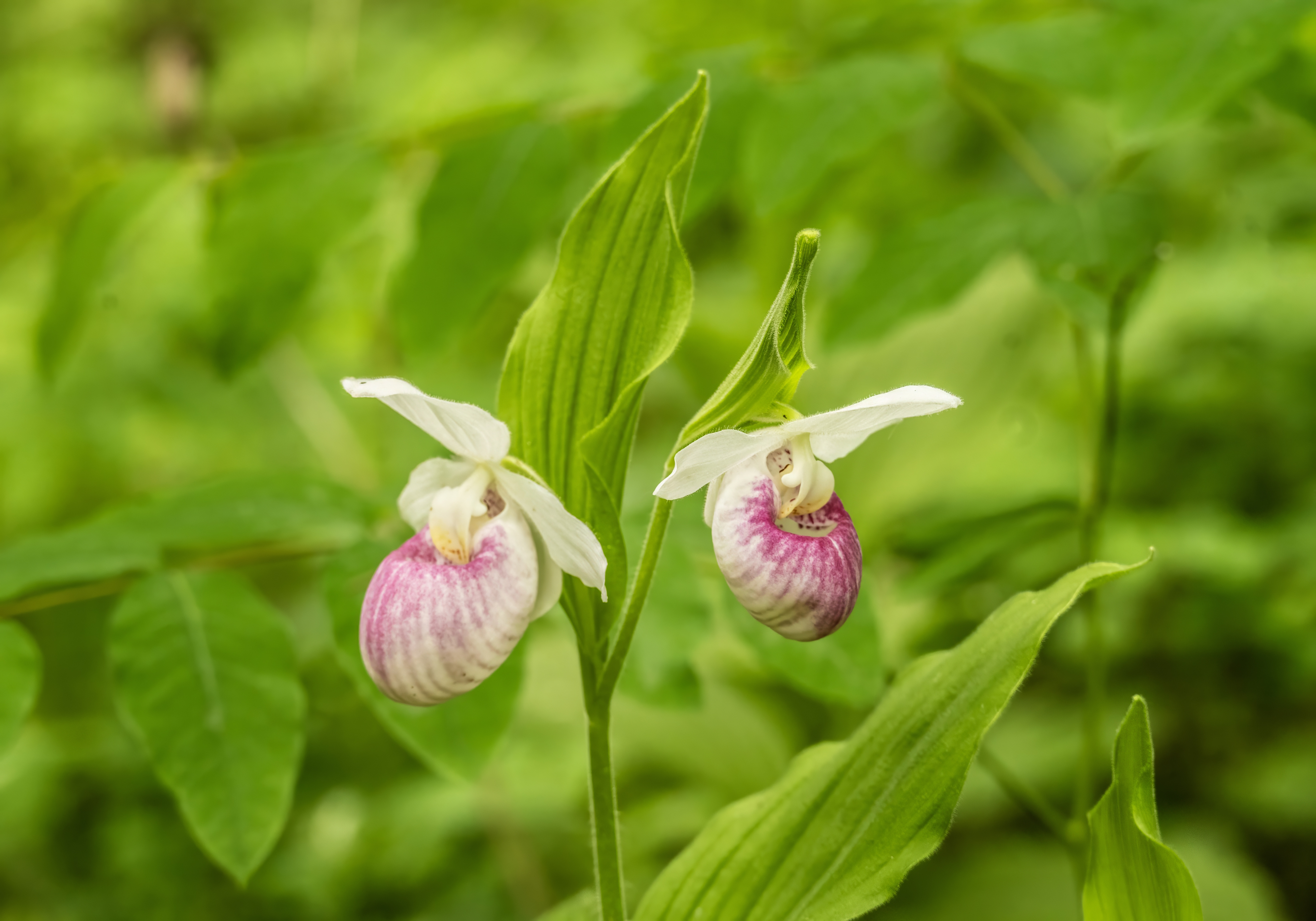
We weren’t done with our travels, not with the possibility of catching both the yellow and Showey Ladyslippers in bloom, so we headed north for a nearly three hour trip to Tamerac NWR near Detroit Lakes. Disappointment reigned for we didn’t see a single yellow, nor were we finding Showeys. We were about to give up the quest when we drove over a small incline about two-thirds through and luckily spotted a small grouping of five Showeys, all hidden in a shaded patch deeper into the woods. Five. That was it! We also came with high hopes of catching wild iris in bloom and didn’t see a single one. It is still a bonus whenever you can photograph Minnesota’s favored orchid, especially those in an early bloom minus those “rusty” spots of aging.
We had still missed finding Sandhill Cranes with colts, and since we were heading to White Bear Lake for a small birthday gathering, we drove over to Crex Meadows just north of Grantsburg, WI. Initially it was quite disappointing. We had found a pair of cranes wading in the Erickson Flowage along Abel Road. That seemed to be the extent of what we would see. Were the cranes feeding elsewhere off the refuge? Would they fly in toward sunset? Back in November we captured some amazing images on a moon rise on the Phantom Flowage near a huge muskrat lodge. In the past we’ve had good luck sighting them on the Main Dike Road along a grouping of small flowages, yet on our drive on this late afternoon we found ample swans and waterfowl and the single pair of cranes.
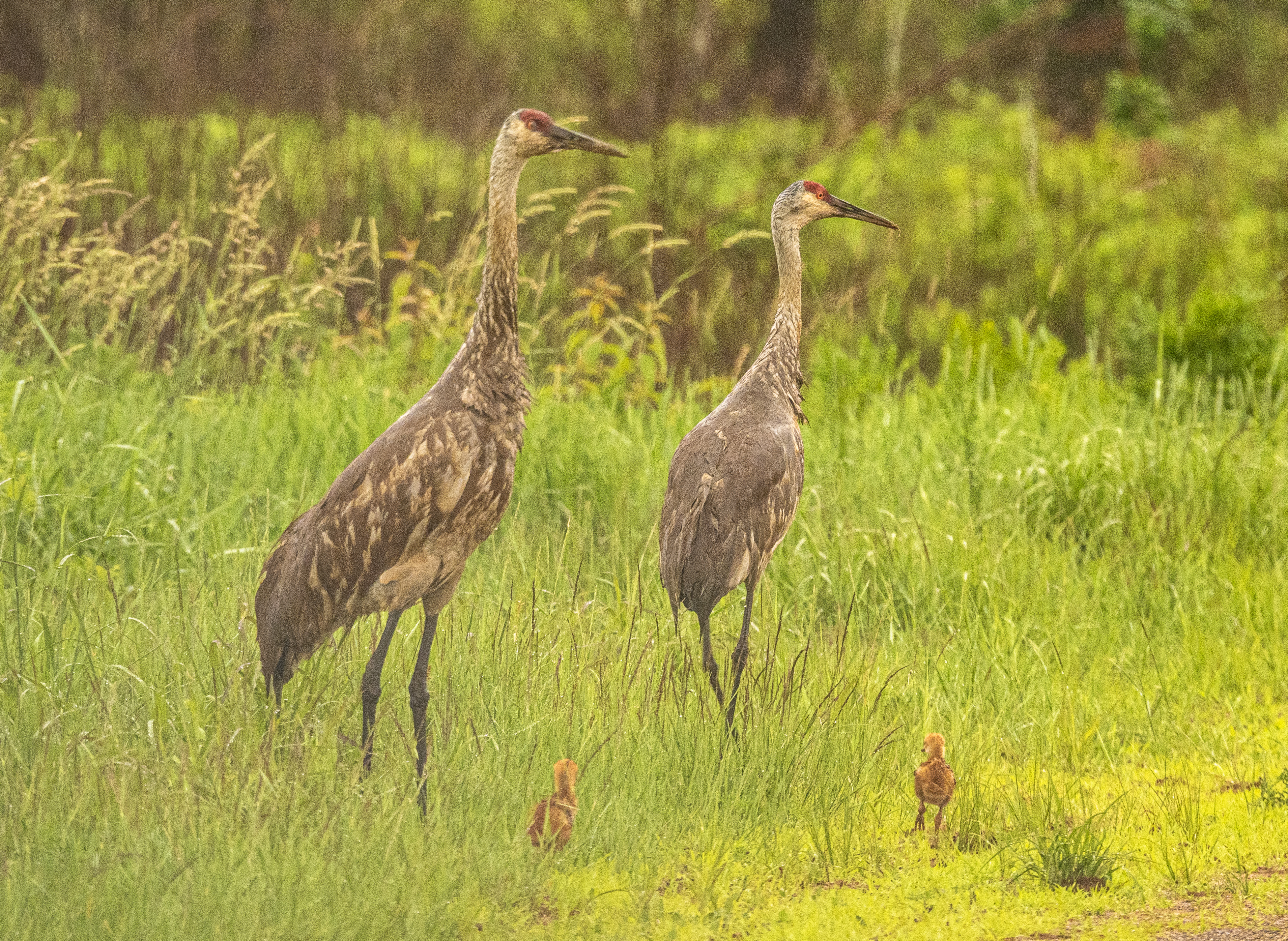
Just as we were about to give up we took a chance detour on what turned out to be a dead end road and heard those “trumpets in the orchestra of evolution,” as Aldo Leopold so poetically penned. We immediately stopped before noticing the head of an adult attempting to duck deep into the cattails. Then the mate appeared, circling in the nearby grasses. Interestingly, they seemed glued to the spot, walking this way and that, which seemed surprising for normally they would have quickly flown away. Suddenly a very small colt emerged from the grassy bank, then a second, and their secret was out. These were the smallest colts I’ve ever photographed, perhaps newly hatched, and the parents hovered around them, ever protectively.
After capturing a few images of parent birds and colts, we attempted to scoot past them only to watch as one of the cranes suddenly leaped in front of the car making dance moves that would have made Alvin Alley happy. We didn’t want to put the car in reverse with the chance of hitting one of the colts, so we slowly edged forward thinking the dancer would skirt off to the side. It wouldn’t. We were still about 50 yards from the “cul de sac” and creeping along slowly. Finally the crane leapt to fly back toward the colts. Unfortunately, we’d need to pass the family on the way out and we did so without too much disturbance.
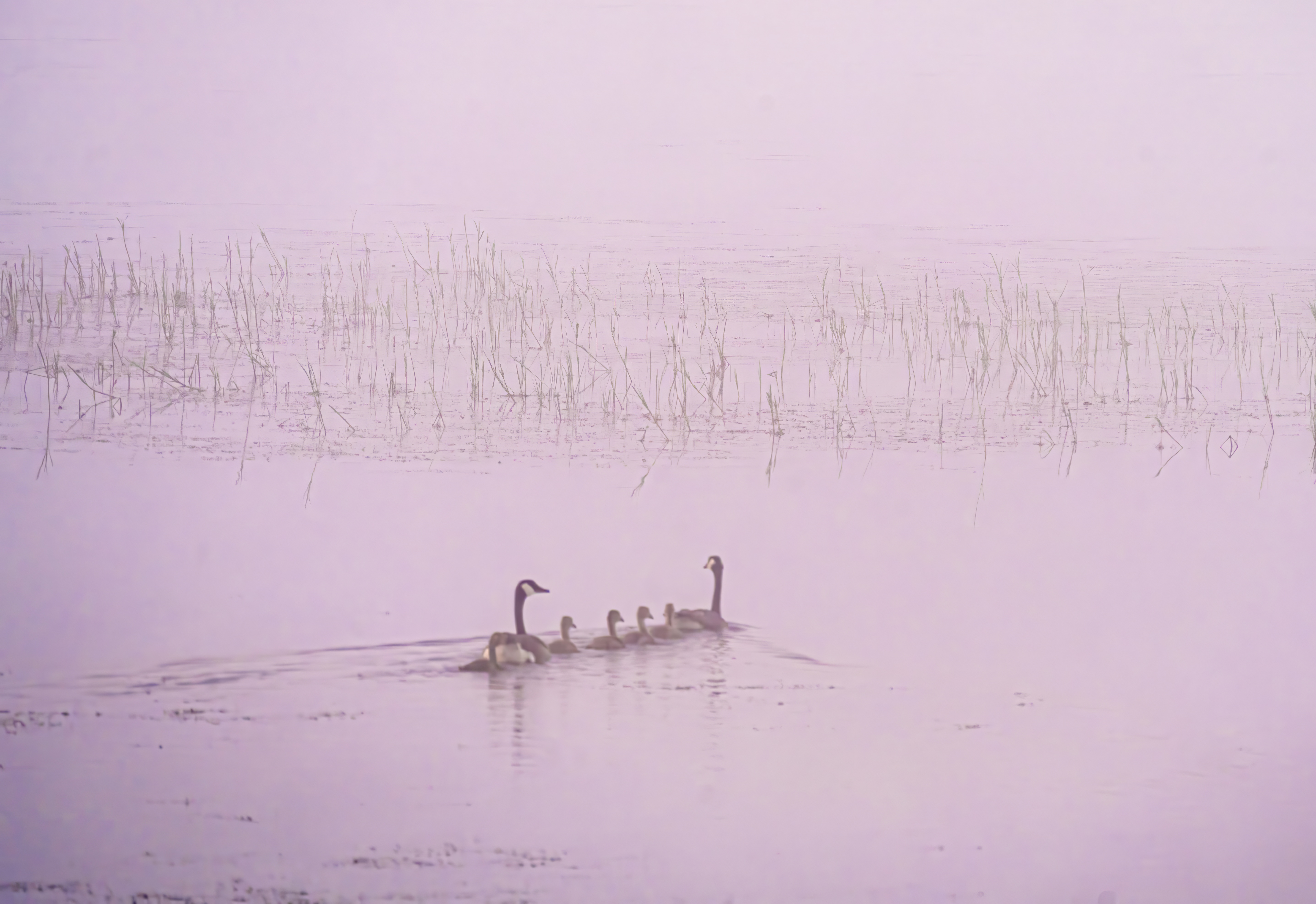
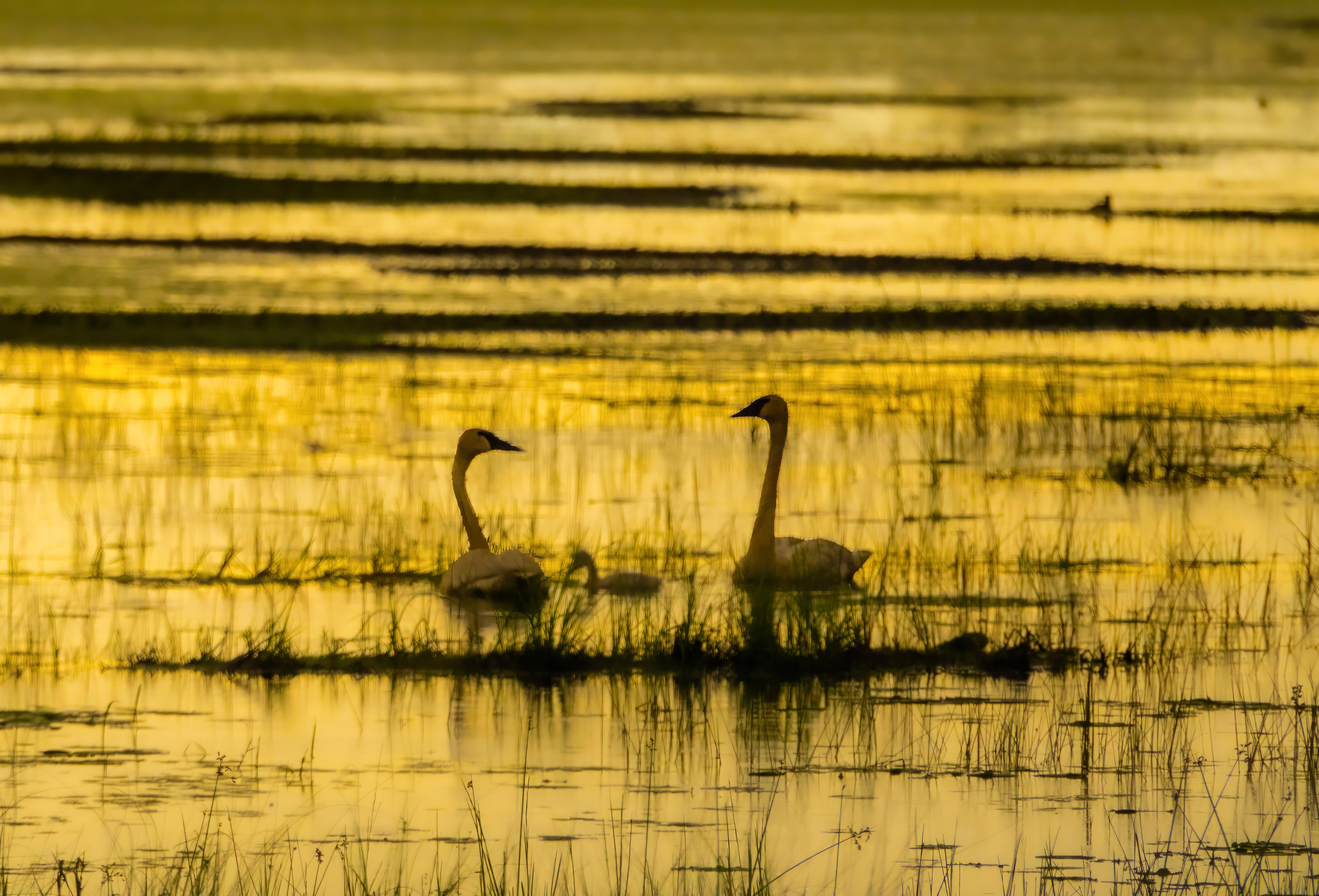
This was all before sunset, and we returned the next morning to capture some nice images of swans with cygnets along with that earlier pair of cranes back on Abel Road. We decided against searching for the parent birds and their colts, for the previous disturbance should have been challenging enough for them. Adding to the joy, though, was capturing some very nice dewy images of the sparkling blue of wild native irises … all of which seemed a fitting bookend for our collective journeys, pairing perfectly with the blues of the Sherburne lupines.
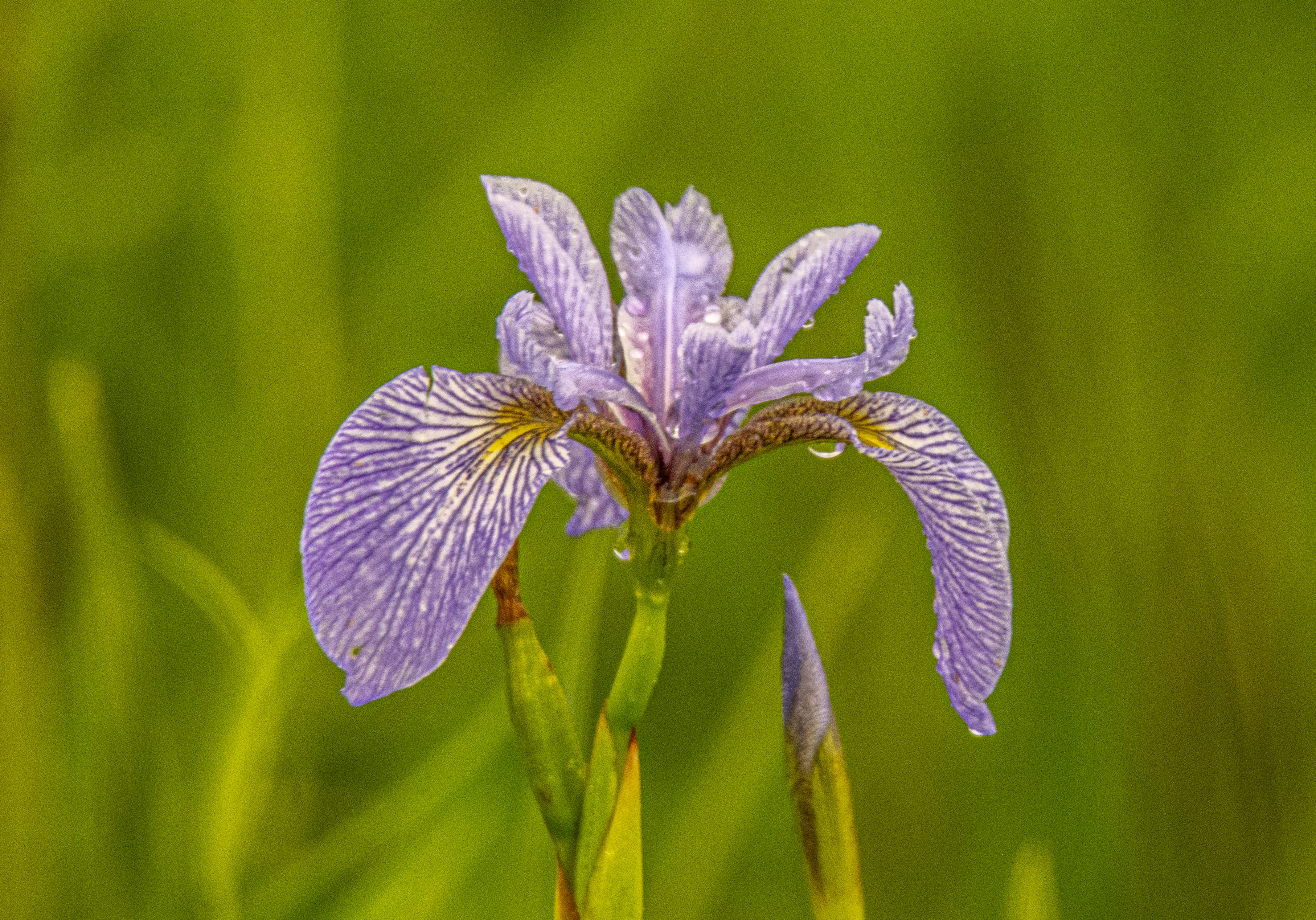
It is always nice to find unexpected joy in the face of initial disappointment, and perhaps F. Scott Fitzgerald said it perfectly by writing, “The best gifts are those we not only didn’t expect, but didn’t even realize we wanted.” Yes, I get it. Couldn’t have stated it any better.