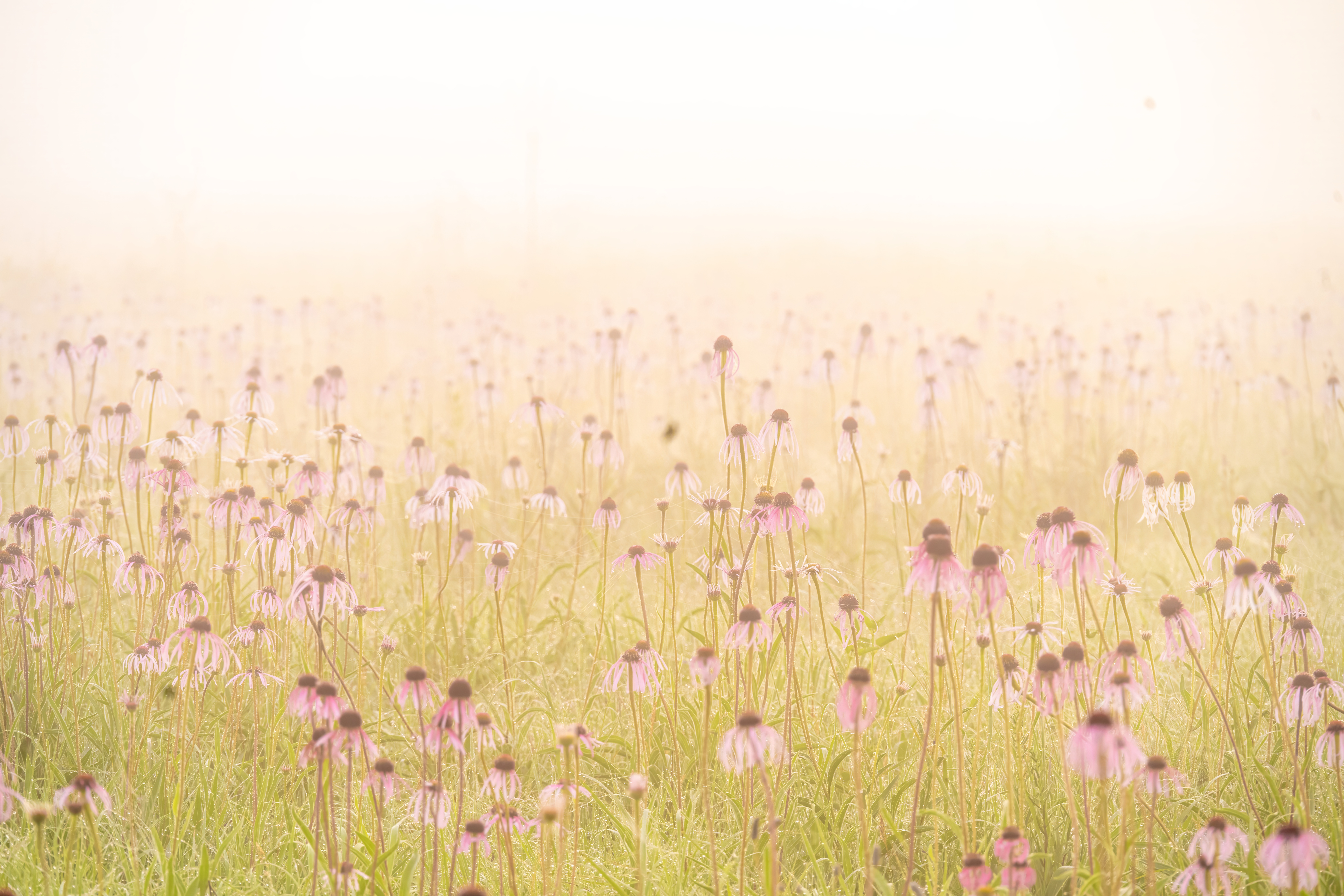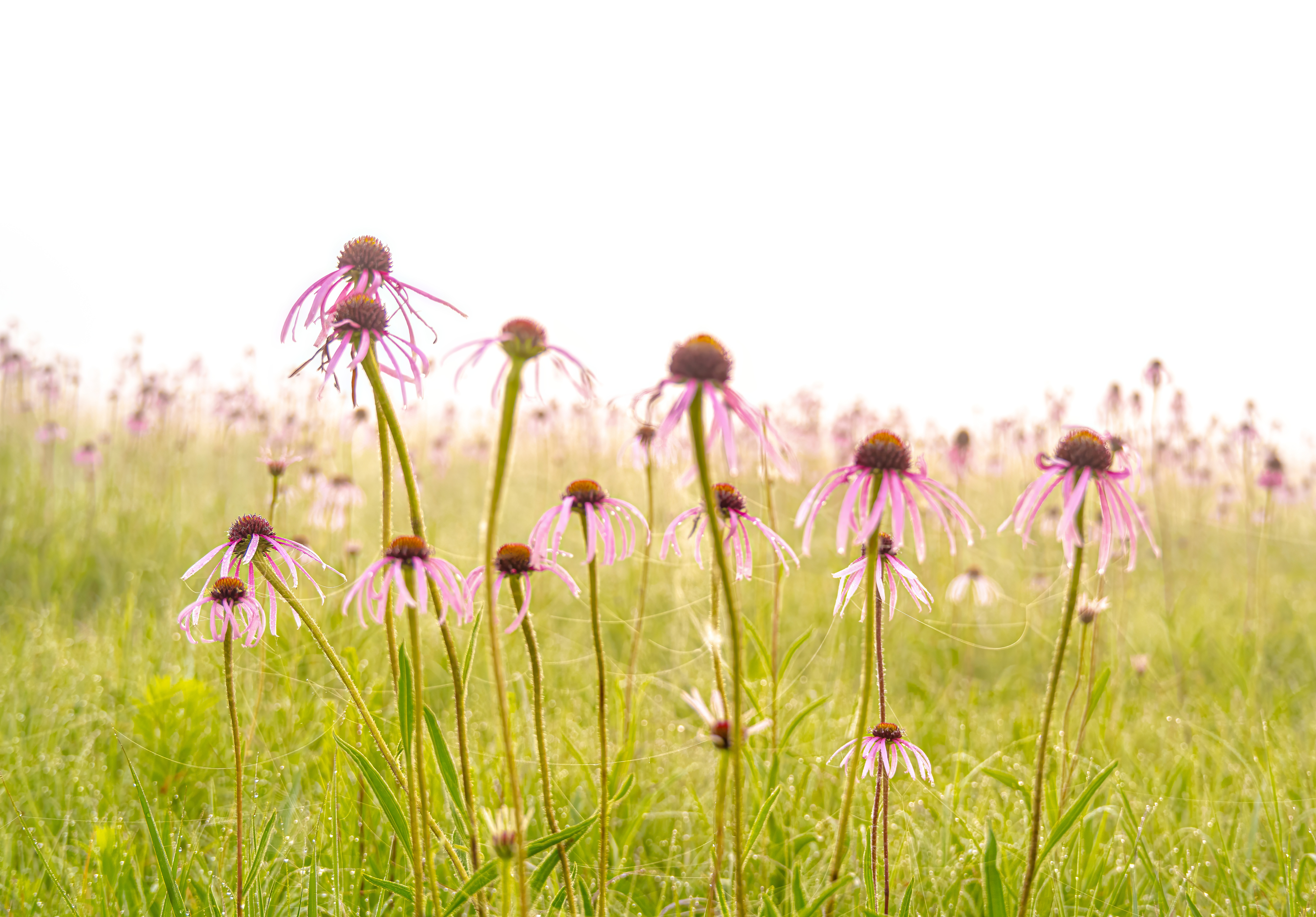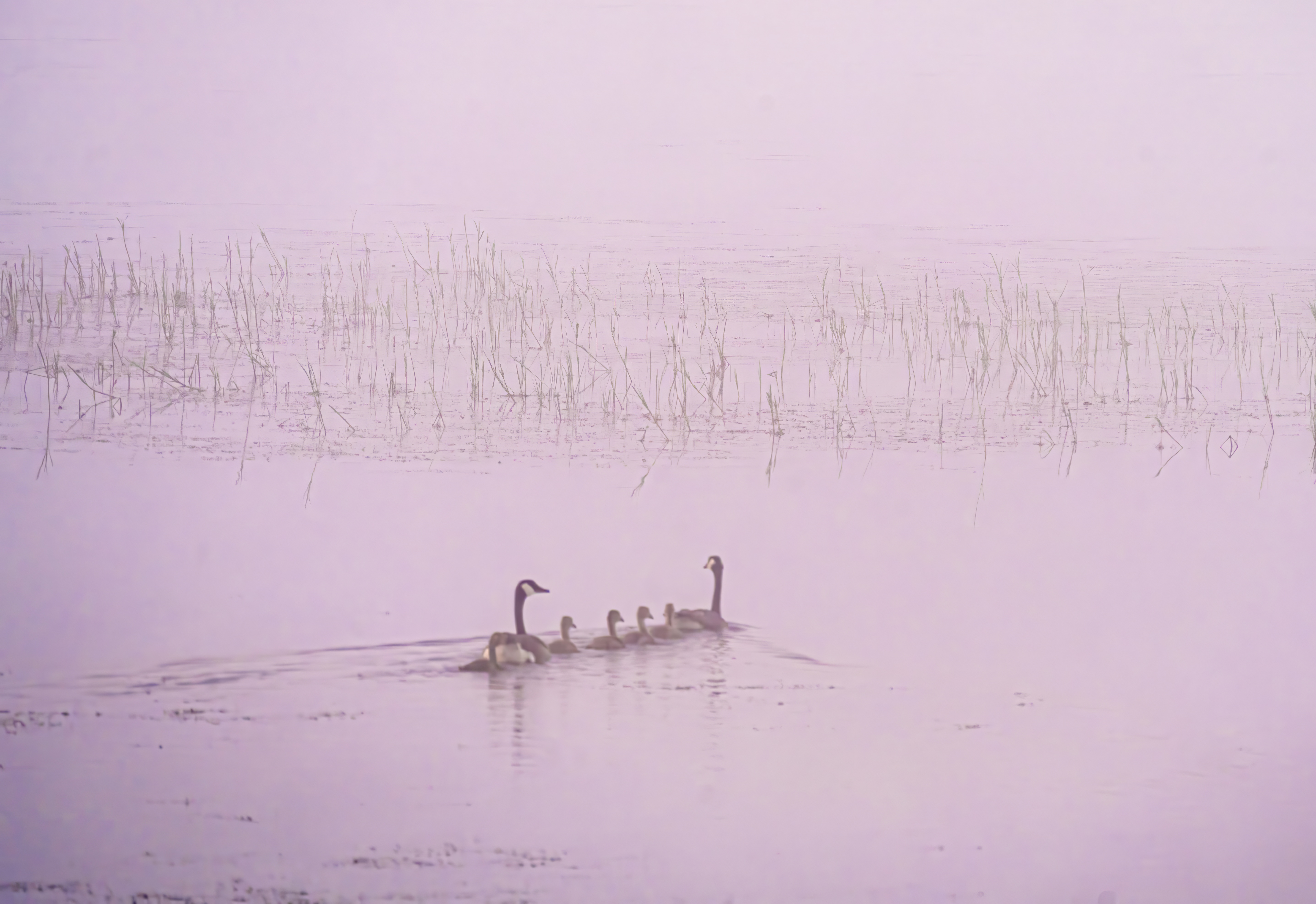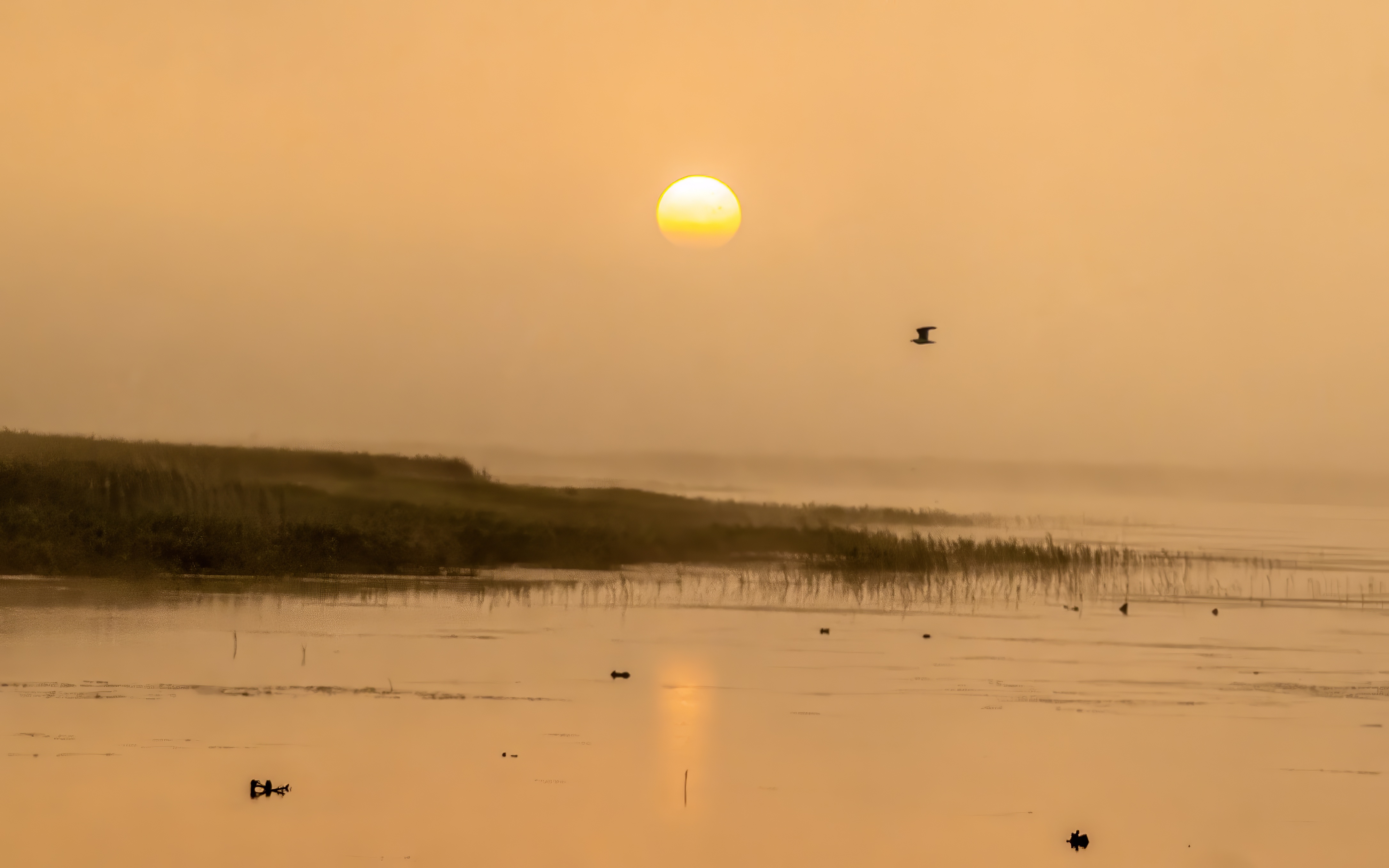
A Lingering Light

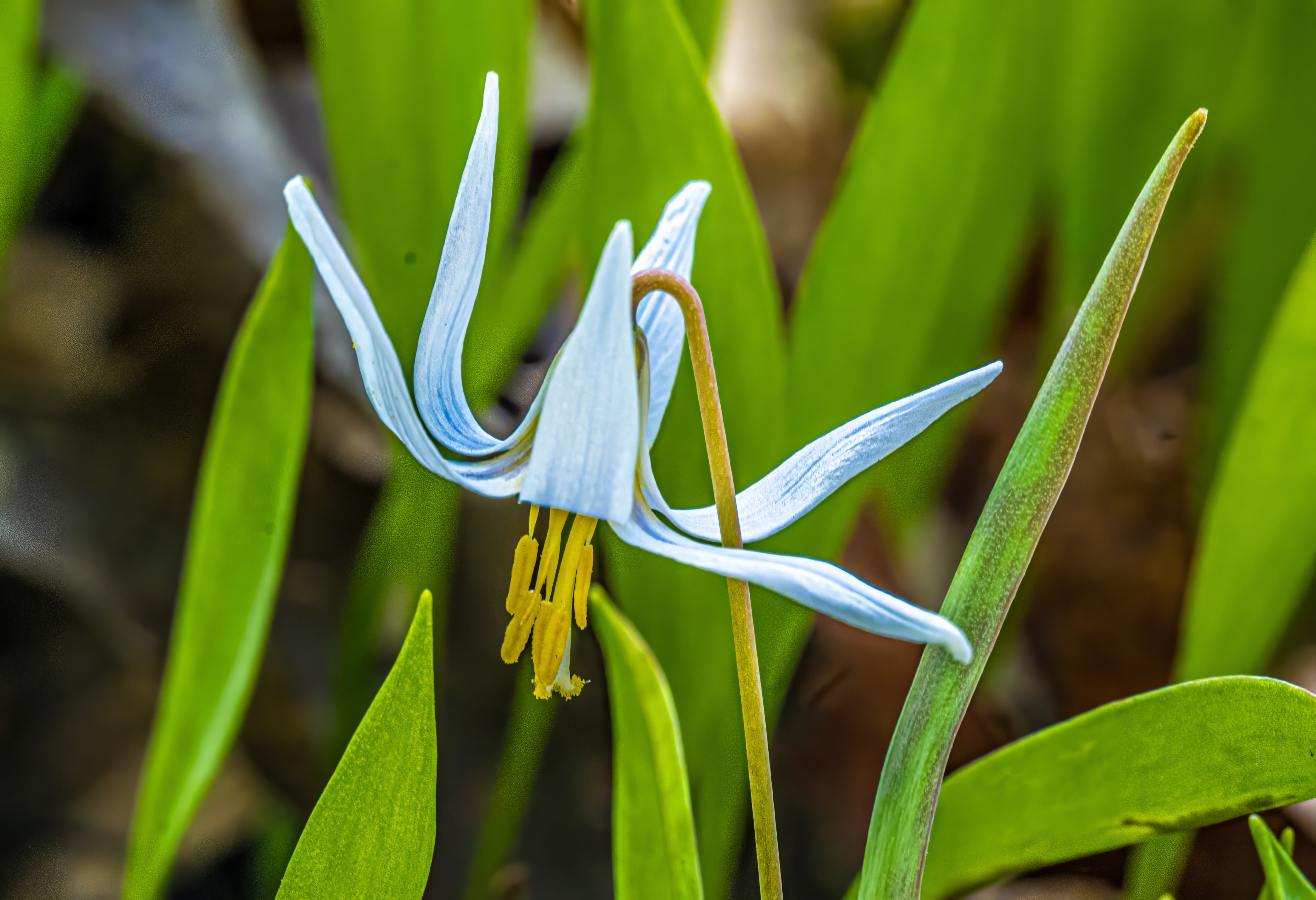
How is this for good company within a delightfully sunny woodland? Kneeling in thought beside me as I focus my lens on our collective favorite brilliant harbingers of spring, the lovely trout lilly, are the aged-old naturalist John Burroughs and the delightful poet Mary Oliver. My mental companions would no doubt be loving every moment of this sun-blessed morning in the wooded hills of Nerstrand-Big Woods State Park just as I was as those tiny and delicate flowers reached preciously from the stem, hugging the white and yellow stamens.

Although I can’t recall the exact moment of a social media message that offered a much needed sprig of hope in these trying times, there is no uncertainty of the muse: “Now is the time to head to Nerstrand-Big Woods for the trout lillies and marsh marigolds!” read the message.

Both are wood-harbored wildflowers that offer as much hope and joy of spring as pasque flowers give us here in the grassy prairie. When I’m near such a shady ecosystem this time of year, both species are difficult to resist. Burroughs spoke of the possible reason behind the common name by pointing to the leaves he claimed seemed  “painted” like a flank of a freshly caught trout. Oliver? While her’s was the more easterly located yellow trout lilly, there is little doubt that seeing them here in the hills of Nerstrand would likewise have given her hope in these trying times as she painted so beautifully in her poem on trout lillies.

“All I know is,” she wrote upon seeing trout lillies in bloom, “there was a light that lingered, for hours,

under her eyelids – that made a difference

when she went back to a difficult house, at the end of the day.”

It was about this time a year ago when an overheard mention of trout lillies being in bloom near Nerstrand-Big Woods State Park caught my attention. We were about an hour north at a gallery where my canvases were hanging when naturalist and former State Senator Tedd Suss, whose spacious little farmstead lies just outside of the park, offered the information to a friend of his. Interestingly, earlier in the day we had walked the wooded path on the grounds of the Izaak Walton League’s gallery in search of various wild flowers including trout lillies.

Suss assured me there was a significant chance of photographing them so after our reception we added a couple of hours to our drive home to check out the park. Initially we were disappointed for no matter where we looked on the path downhill toward Hidden Falls there wasn’t a blossom to be seen. Then, on a set of wooden stairs created to perhaps ward off a nasty face plant on the rocky path, we met up with two women where pleasantries were exchanged. Within that my intent was spoken, and one of them said, “Oh, my. You’re much too late for those beautiful little lillies are long gone.”

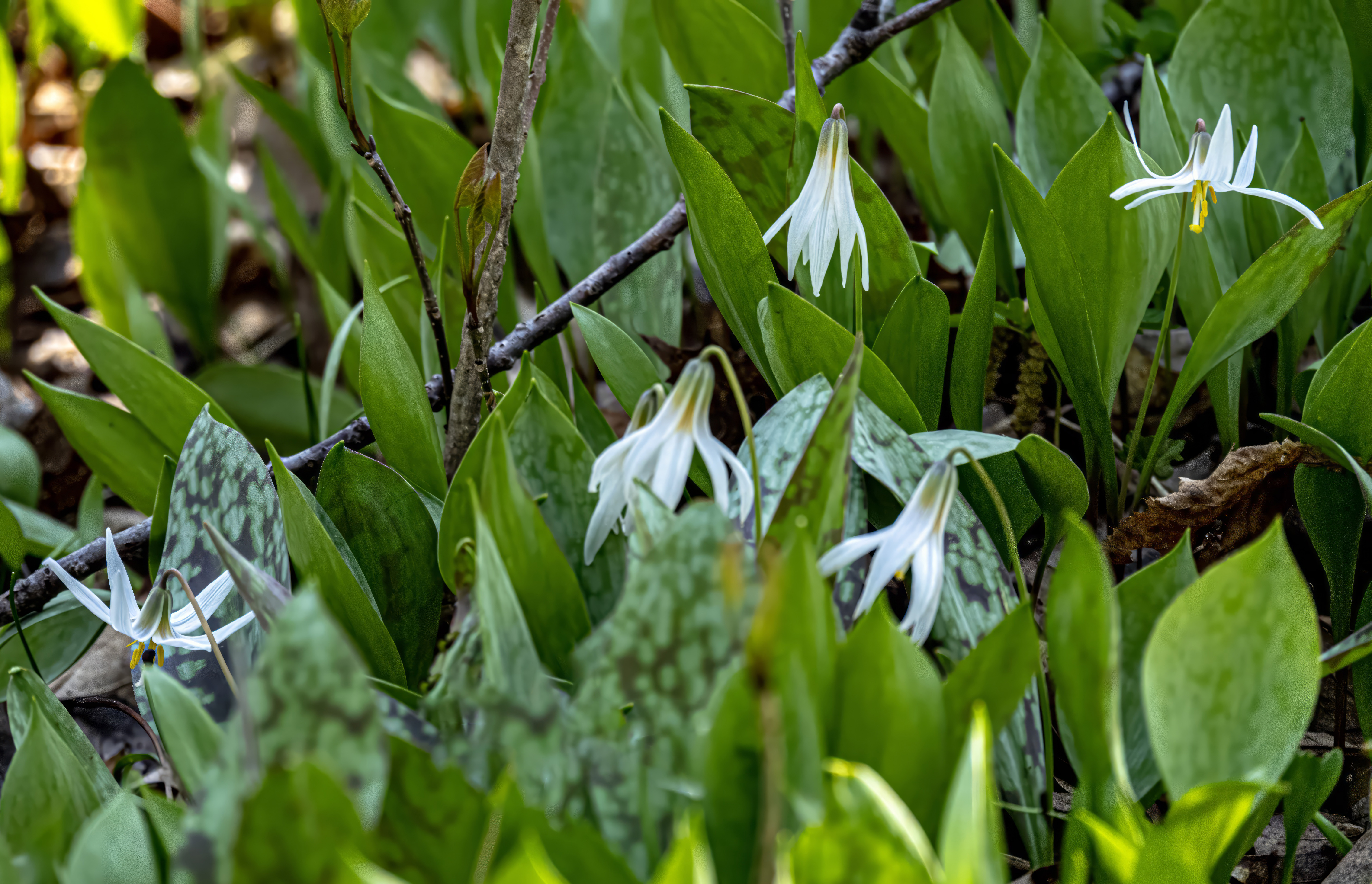
Imagine my disappointment. Regardless, or perhaps in thoughts of dire protest, we continued our search into then knee-high growth along the pathway when suddenly Roberta asked, “Is this what you are looking for?” And, it was. Eventually we found about a half dozen hidden within the tall greenery in full maturity, and my sigh of recognition and relief perhaps fluttered those delicate white petals.

And, this time Mr. Suss was correct, for I had texted him before we left on the four hour, one-way drive. We were a week to ten days earlier this year, and yes, hundreds of them poked from the molted shade. In all stages, from pre-bloom to maturity. And yes, Burroughs’ description of the dappled leaves offered obvious evidence.

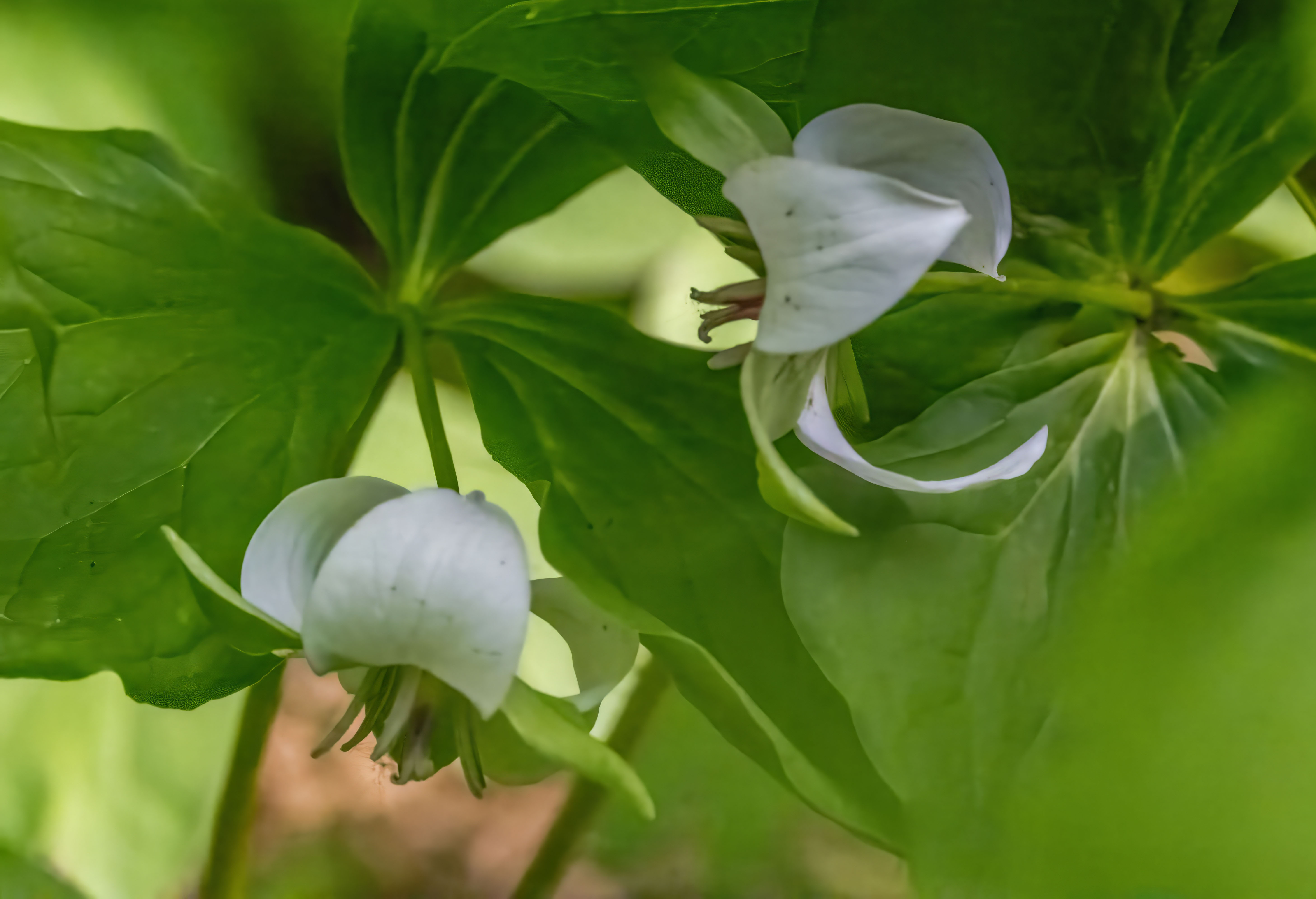
Among the lillies were other beauties of the woods including Jack-in-the-pulpits, wild blue phlox, hepatica, Dutchman’s breeches and those yellowish bellworts. We spied some trillium aching to blossom. Yet it was the trout lillies that drew me in. Delicate white petals hugged the stamens on the newly bloomed, their curtains widened with age. A slight breeze gave them the look of dancers offering a delicate ballet within the woodlands.

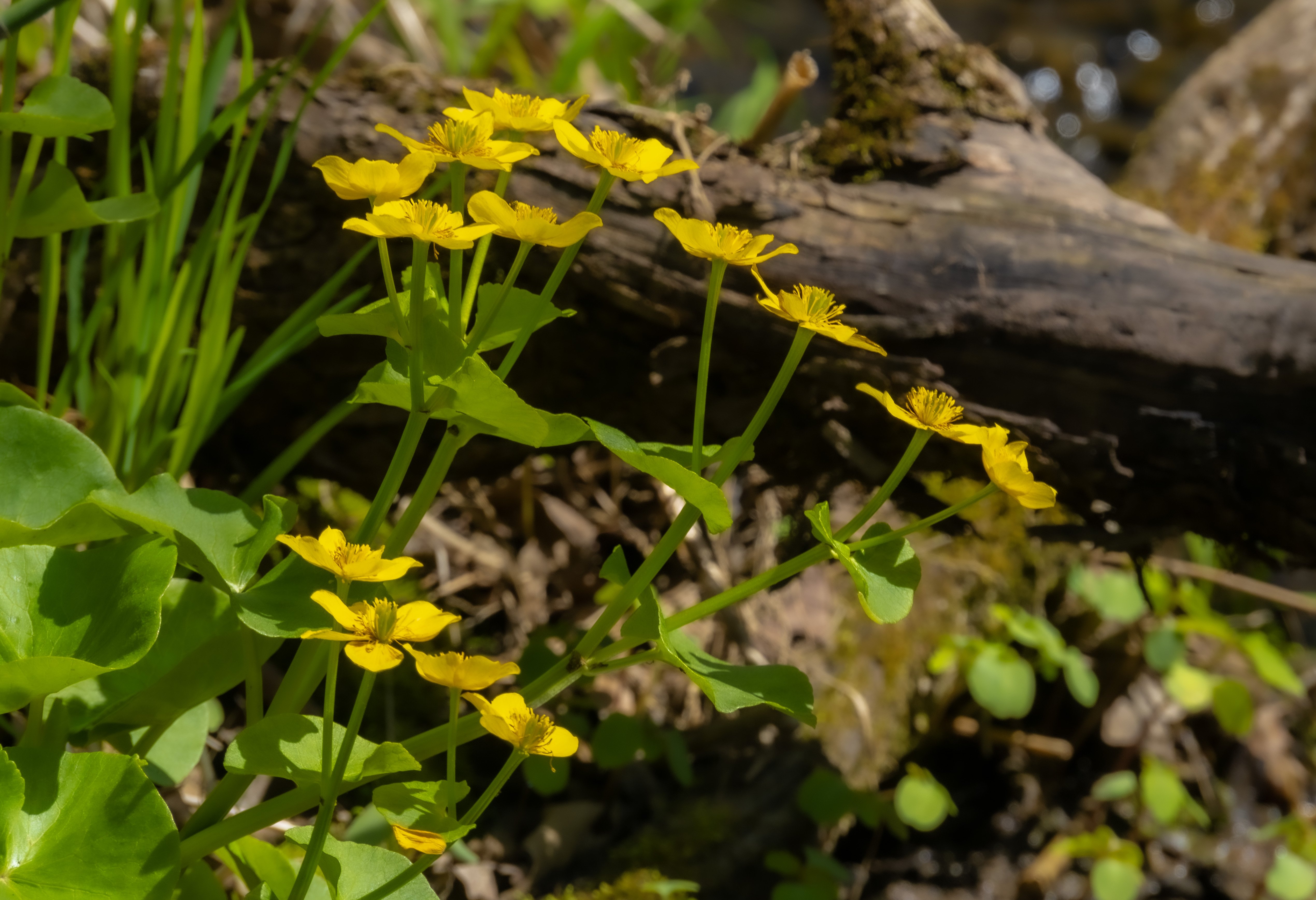
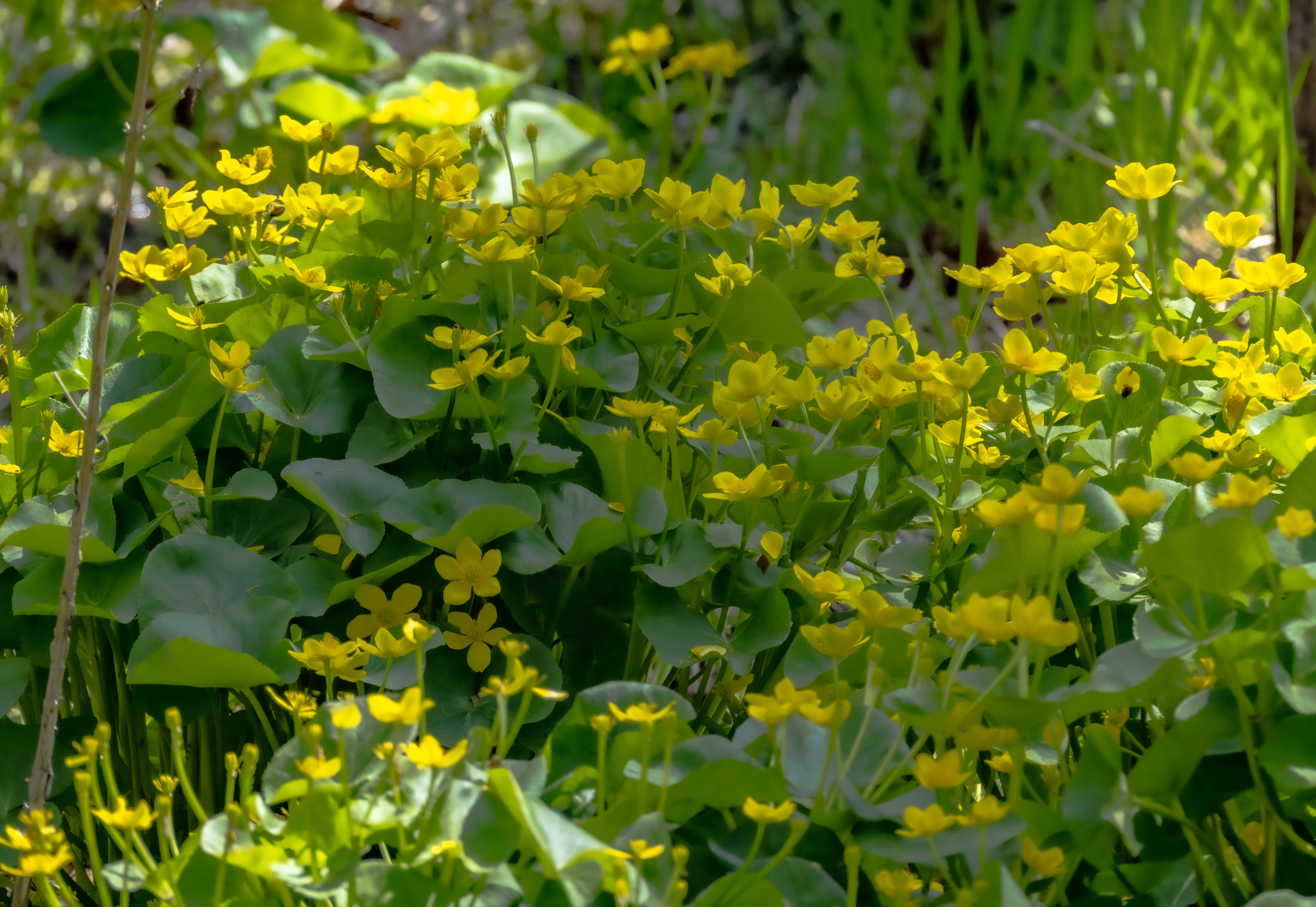
As we neared the Prairie Creek falls the dazzling yellows of marsh marigolds seemed to explode from the watery dampness. Seemingly acres of them, and all in mid-season form. With the harmonious sounds of the nearby falls one couldn’t ask for a more beautiful moment in nature. While others were drawn to the falls, my eyes were on the marigolds, of how they blended so perfectly with weathered wood and stair stepped their way up the glen toward the now distant trout lillies and the other woodland-based beauties of spring.

I find it so lovely here in this beautiful state park where the old growth Big Woods stands as a small memorable remnant of an ecosystem long-since destroyed for farming and commerce, much like the prairie that once extended from Canada to the tip of Texas was. Both are now basically erased from human memory. Like the pasques, trout lillies and marsh marigolds now offer a quaint reminder.

Nerstrand-Big Woods is one of a few of such remnants that the state of Minnesota has blissfully placed into permanent sanctuaries as state parks. Rice Lake State Park and Myre-Big Island State Park, due south of Nerstrand,  also come to mind, all laying east of the interstate highway. Once in the woods you can almost imagine these hills on the lip of the Driftless full of passenger pigeons back in Burroughs’ day as we can envision trout lillies and marsh marigolds hugging the nearby Canon and Straight River wildernesses for miles through dense woods.

Trout Lilies ... by Mary Oliver

It happened I couldn’t find in all my books
more than a picture and a few words concerning
the trout lily,


so I shut my eyes,
And let the darkness come in
and roll me back.
The old creek


began to sing in my ears
as it rolled along, like the hair of spring,
and the young gir
l I used to be
heard it also,


as she came swinging into the woods,
truant from everything as usual
except the clear globe of the day, and its
beautiful details.


Then she stopped,
where the first trout lilies of the year
had sprung from the ground
with their spotted bodies
and their six-antlered bright faces,
and their many red tongues.


If she spoke to them,
I don’t remember what she said,
and if they kindly answered, it’s a gift that can’t be broken
by giving it away.
All I know is, there was a light that lingered, for hours,
under her eyelids – that made a difference
when she went back to a difficult house, at the end of the day.

Afterglows

Sometimes a colloquialism may come back to bless you, something I’ve been thinking about for a few days of receiving some of those blessings. First, with apologies, the back story:

Denver was the destination of a special 4-H award a few years before I was old enough to drive. Some 17 years or so later Denver was my destination after leaving a comfortable and supportive managing editor with the Dubuque Telegraph-Herald. An interesting tie between the two dailies was a fellow named Monk Tyson, who was nearing retirement with the Post.

As I traveled through the towns along the Mississippi River, and into the depths of the wooded hills of the Driftless on both sides of the river, from Galena to Prairie du Chien and places inbetween, many of the older people I met and interviewed for stories kept mentioning Monk’s name. We apparently covered the same beat at least a generation or so apart.

My blessing this past Sunday …

When I arrived in Denver for the second time I was initially given a freelance assignment by the ME John Rogers for the Post under none other than Monk Tyson. Yes, I finally would  meet the person behind an old and storied legend back in River County. Less than a week into that assignment I was called back to Denver and offered a full time position. Months later Tyson would have a massive heart attack in the parking lot across the street from the newspaper. A week or so later my assignment was changed. I would replace Monk as the “state side” reporter, meaning I had left the Driftless for the Rocky Mountains to continue working a familiar job.

Then on Monday this happened, initially seen while cooking dinner …

Eventually we would create a column called Country Roads that packaged a typically full page layout of my photojournalistic efforts along with a story. That meant I was spending most of my time outside of the office and Denver, rolling from town to town, hooking up with ranchers and even wine makers, farmers and lonesome High Plains characters with stories to tell. Everyone, as feature writer’s learn, has a story. 

Often in my trunk was a fly rod, a box of trout flies and a kite, the latter of which I loved to sneak onto some remote mountain cliff after work where I could play with the winds in a full 360 degrees of sky and unpredictable winds. Again, after work! After an interview in those mountainous climes I would ask for either a cliff or trout stream. In the Plains, a good steakhouse!

Often times I receive a little help from my friends, the birds!

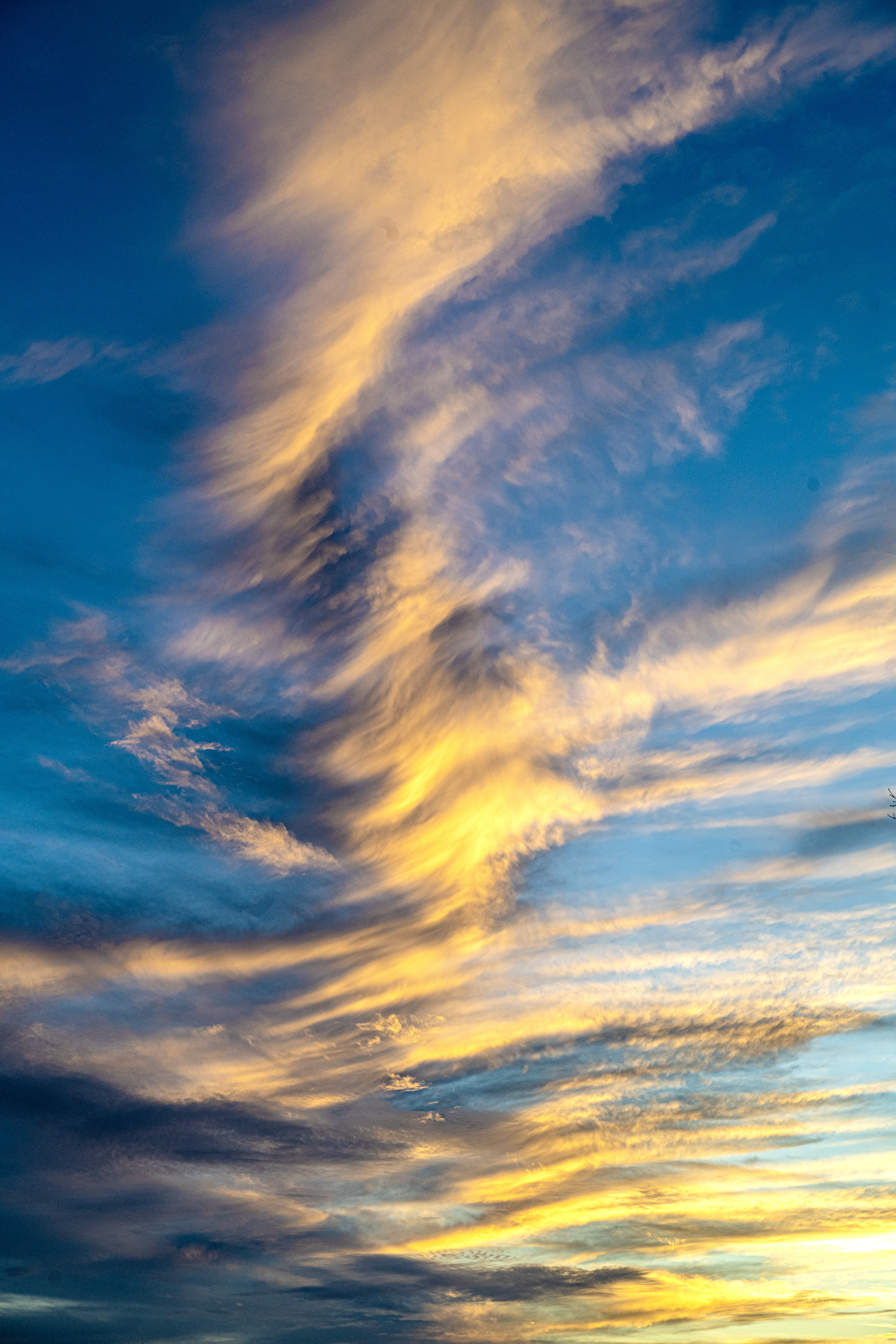
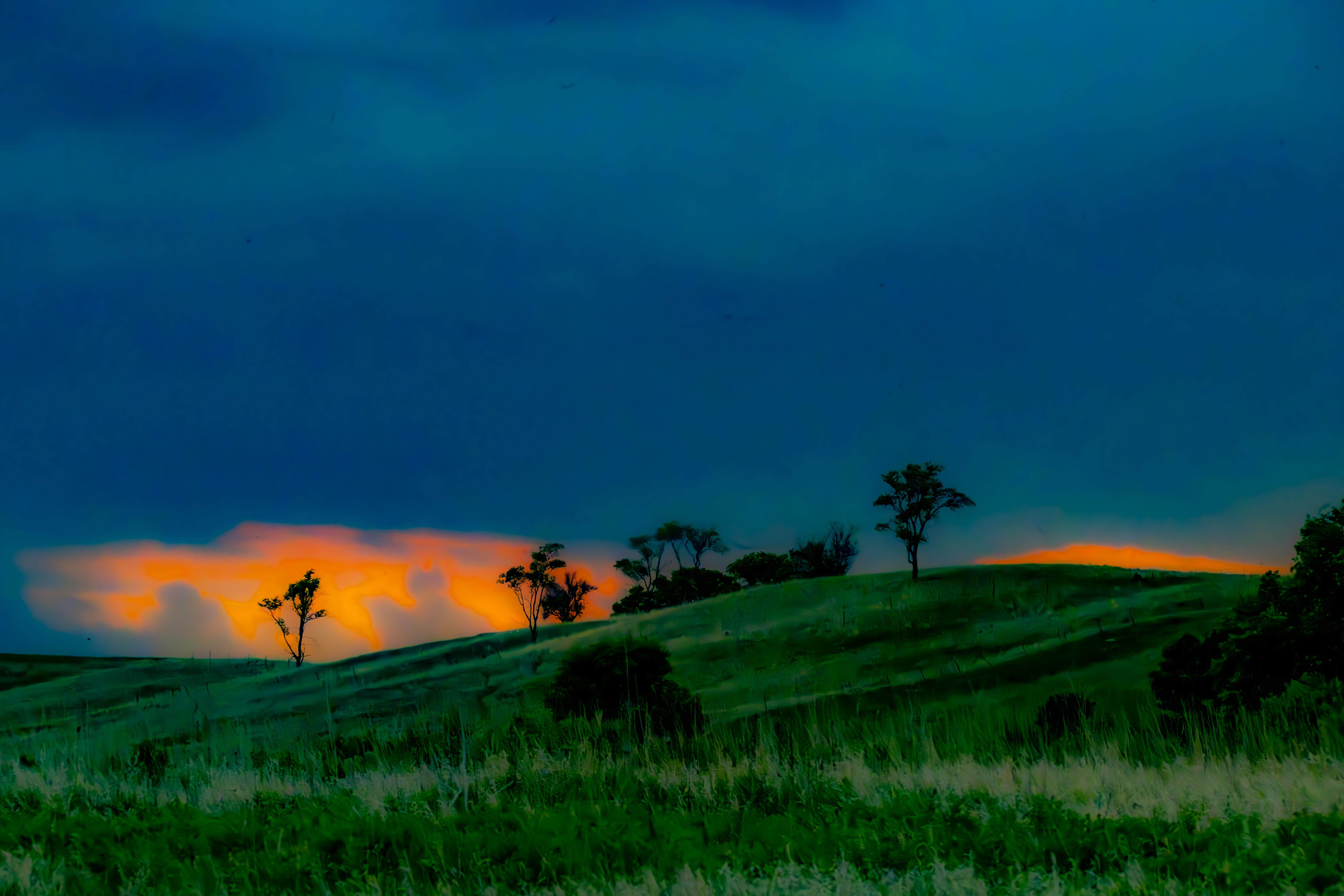
This was a time I when learned the meaning of a new colloquial phrase common to the people among the mountains. “Afterglow.” You might be having an early breakfast in a small town cafe when you would overhear someone say, “Wow, did you catch the afterglow last night?” Their meaning finally dawned on me, for you see, there is rarely a place where you can actually catch a true sunset because of the mountains, yet the ambient colors from a lowering sun would paint the top of the peaks and those towering clouds, especially those to the east, with amazing colors. For those it wasn’t about sunsets but the afterglows.

Nowadays, living in my weird sense of retirement, sunrises from my deck or sunsets through the huge plate glass kitchen window while cooking dinner are rather common. Afterwards comes the afterglows that will often fill the cloudy prairie skies with incredible colors. Rarely taken for granted, and always appreciated, it is as the late professor, dean and essayist Bill Holm would suggest, “A horizontal grandeur!” 

Back in May, above the Big Stone Moraine …

Frankly, for me at least, sunrises are seemingly more “grandeur” than those late afternoon sunsets. Oh, but the afterglows! Yes, Colorado and the other mountainous states have those moments when the afterglows are stunning, although I might suggest that the prairie skies are far from a shrinking violet as ambient colors create vistas as stunning as any view you might visualize in the mountains. Yes, they’re such a blessing!

And I almost always look eastward away from a setting sun in search of clouds and ambient colors, of softened light, of how it might blend with what a young friend calls the “rainbow sky along the horizon.” Sometimes the reflections in the wetlands adds another entirely beautiful spectrum to an image, and when you can add the turkey feet of the Big Bluestem, there is no question that you’re in a nice patch of prairie. 

And, when reflected in waters, this the Minnesota River, the pleasures are immense …

I have nothing against mountains, yet as Holm suggested, the vastness of a prairie sky can be just as humbling as it is magnificent. When those colors paint the clouds I’m often in awe. This reminder came to me again earlier this week with two incredible afterglows I was able to capture. 

Now in a more reflective period of my life, so many memories have a way of sneaking into my consciousness. Those times along the Mississippi, and those in the Plains and mountains of Colorado, offer strong moments of a wonderful past. Sometimes those moments are visual, and happen after the sun has lowered beneath the rim of the horizon and a pallet of ambient colors paint the clouds up above. No two, it seems, are ever alike, and in their own way, each individually, offers a unique vista. So thanks to all those folks in the mountains for what was then a new word, and still a reminder that sometimes the light after a sunset is often the most beautiful of all.

Along the River

Initially I didn’t realize I needed a river. We were simply on a lazy afternoon drive with only one commitment. Yet, there seemed to be a calling, one apparently buried deeply in subconsciousness.

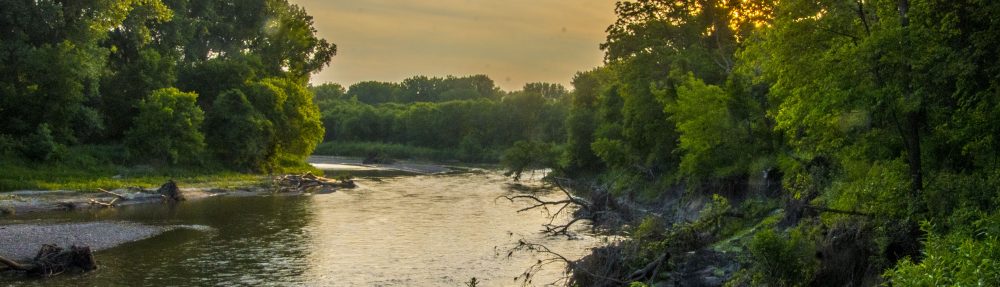
Yet, here we were. For thirty some years my “home river” was the Minnesota, from the headwaters at the foot of Big Stone Lake down to Mankato where it takes a serious bend to head northeasterly toward its confluence with what becomes the Mighty Mississippi. Hundreds of gneiss outcrops line the shores of the upper river, and eagles often man the riverine forestial  corridor. It’s a river that if one was blind to the murky waters it might suggest resemblance to the BWCA.

With a little time to kill before meeting up with an old friend in Granite Falls on Saturday, my car somehow ventured toward some of my old river haunts downriver, specifically to nearby Kinney’s Landing.

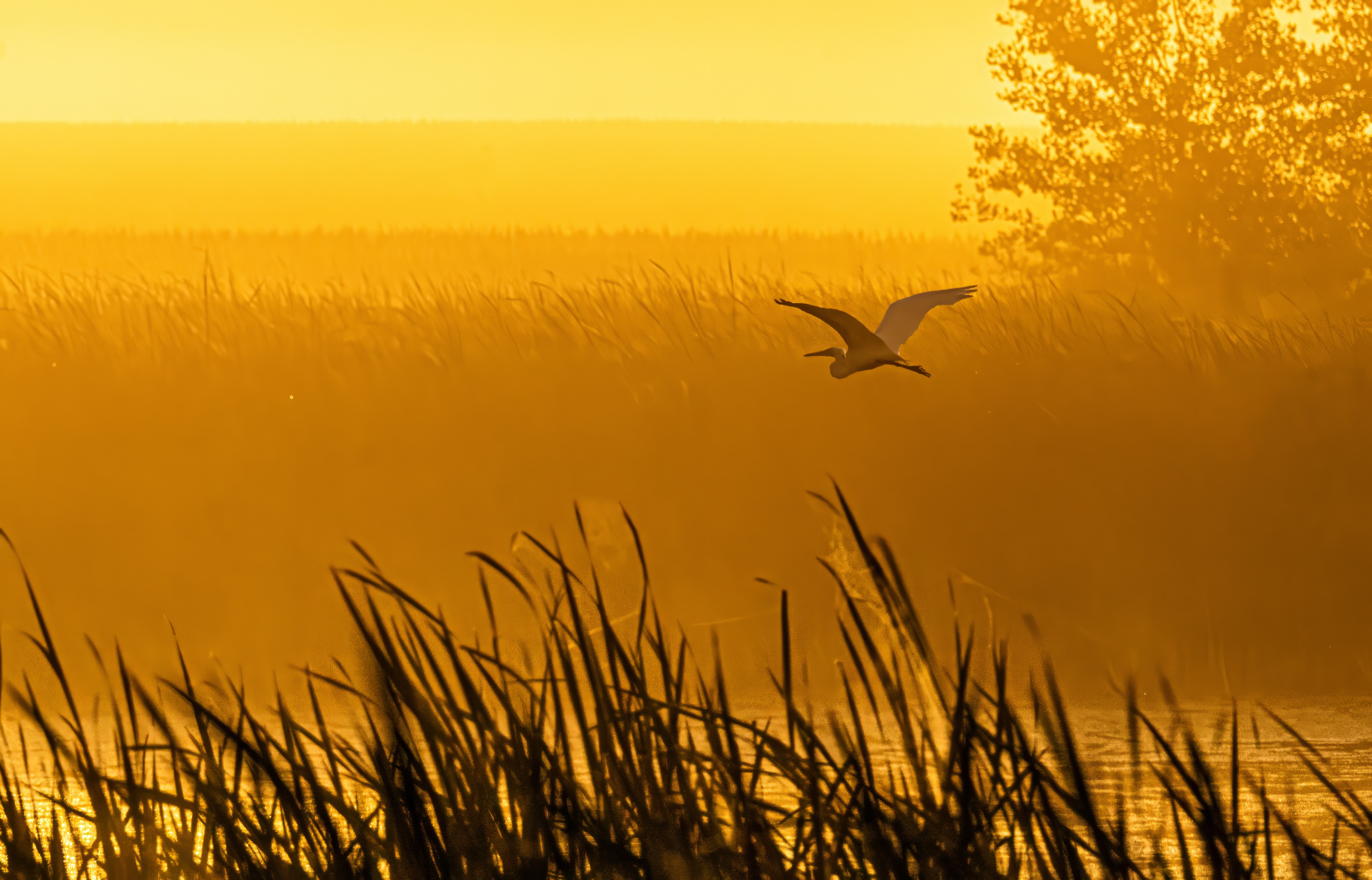
There would be no tag with this heron, who flew across the river away from us.

It was auspicious start for the picturesque access where we had launched our canoes so many times over so many of those years was both empty and appeared in disregard. Part of that is undoubtedly due to a summer of high water that prevented meeting up with my old fishing buddies for a bit of walleye and catfish angling. Floating the currents over many of those years to ease behind a dead fall to drop a baited hook has continued even though I have moved from the “upper” portion of the river to the headwaters an hour or so north by auto. Many overnight gravel bar camping trips happened along these waters with huge driftwood bonfires, lines on salt water rods set for all night flathead fishing while I typically did the honors of frying freshly caught catfish served with wine kept chilled in a cooler. Hey, we knew how to live.

Yes, I miss those times.

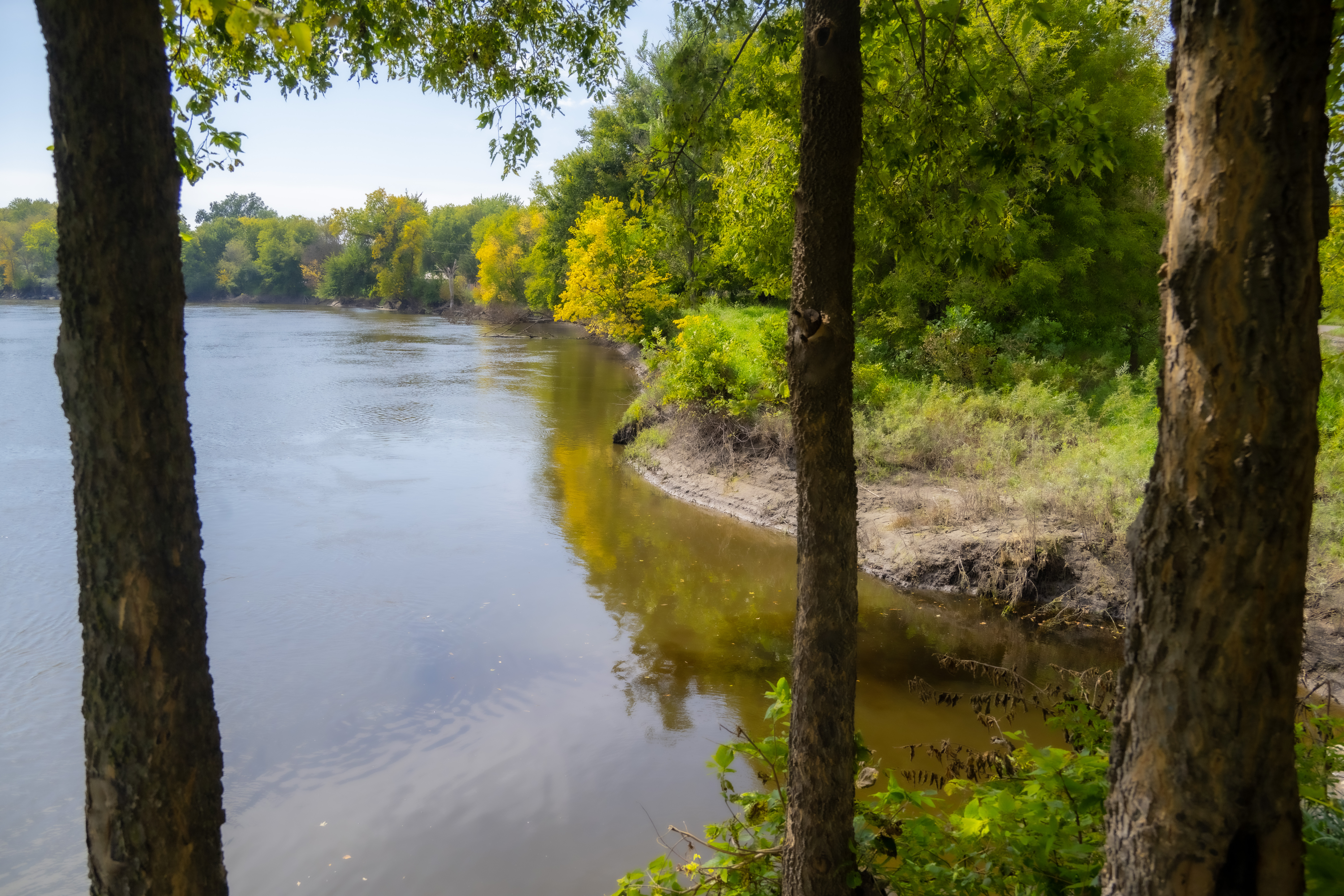
On this day the arched “church” of a tree way canopy overshadowed ample parking spaces I remembered being full so many times, and the landing itself was mired in a thick cake of mud. An old photo of the access captured on a foggy morning years ago graces my wall, a portrayal both charming and welcoming, a place where you might sit for awhile to take in the surroundings, to sniff the air and listen for feathery songs from the leafy canopy. On an otherwise warm autumn afternoon that would have been prime, such poetry was absent. 

Leaves are just beginning to turn …

After several minutes we left to take a riverine gravel that hugs the “west” bank where we played tag with a Great Blue Heron, that quickly grew tired of us and angled across the river. The heron would basically be the only bird life we would encounter until we were near the headwaters hours later, where distant swallows livened a beautiful sunset. Yet, this was a familiar stretch, a length of river my writer and fishing buddy, Tom Cherveny, and I launched to paddle upstream to the Minnesota Falls Dam, which has since been removed. 

Before the dam removal the river spread almost lake-like to create numerous islands between downtown Granite and the dam. Just below the dam we caught stringers of nice catfish. When we paddled up to the dam from Kinney’s we would ease our way back, dropping lines along the deeper holes on the east bank and below a couple of river islands. Our heron had landed just downriver of the bigger of the two tree-blessed, rocky islands.

Now, at my age, standing on the bank and gazing at the murky waters, many fond memories of those trips came to mind. Moments that brought a smile, and a calmness that has seemed to be missing of late.

We caught the sunset at a bridge just west of Odessa.

Eventually, though, we headed toward Granite where a hydro dam still exists at the apex of this small, old artistic river town. Surprisingly there were no pelicans. Roberta, my dear partner, has expressed wonder about the sudden absence of the birds especially here in our home prairie. “I think we’re going to have a bad winter,” she’ll say. Perhaps, for on some of the prairie wetlands swans that typically have a couple of signets seemed to have hatched a half dozen or more this summer.

And, it seems as if one day our robust skies populated by two oriel species, brown thrashers, a brave catbird, Red Breasted Grosbeaks, umpteen swallows and even starlings became suddenly and eerily quiet. And, empty. Now? Sparrows and a few gold finches, slowly molting into their winter colors, fight squirrels for feeder space.

As we gazed at the rush of waters below the Granite dam she asked, “Are we following the river all the way home?” Well, yes, for you pretty much do, although you’ll cross the Chippewa, the Sag and the Pomme de Terre en route. We live here in a vast river valley, one created by the Glacial River Warren in whose abandoned bed now flows the minuscule Minnesota — by glacial standards. 

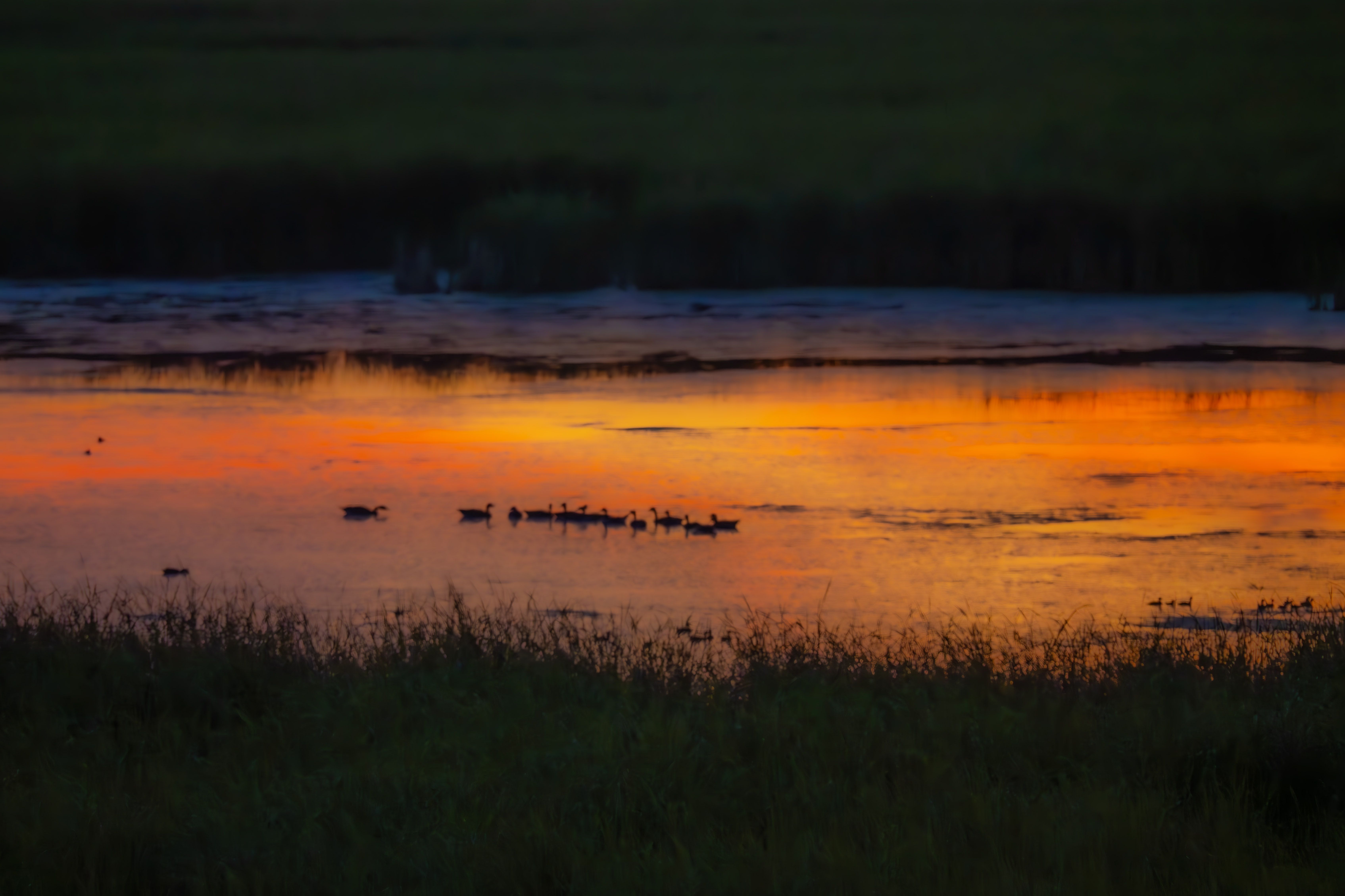
Hours later, when we reached the vast expanse of the Refuge, though, we were actually back to the banks of our namesake flowage. By then the sun had lowered in the western sky, and we had ample clouds to create some beautiful ambient post sunset color. What a blessing to behold, from the river view on the edge of Odessa and into the Refuge itself, where we found reflected colorful skies in windless waters. Being along the river was actually an unexpected blessing, although one that was thoroughly needed. At least subconsciously.

A fitting conclusion to a beautiful “river day!”

You see, I fear our times, of our loss of compassion and caring for others. It seems increasingly difficult to know the feelings of old friends who are revealing personal thoughts so different than you believed we collectively shared. So on an afternoon of what I later realized was an internal discord, I came to realize just how much I needed a river. My river. A river so mistreated with siltation and chemical runoff, yet one that has followed the same channel since the breakthrough of Lake Agassiz some 10,000 years ago, waters that just keeps ambling along, sandpapering sad thoughts and sending the chaff off along in the down river currents. 

Then there was a heron, perched in the shallows, a dark crown over its grayish blueness, and there was a flow that sometimes in less flooded times offers ripples through shallows for a sense of calmness. And now on an autumn afternoon the wooded riverine banks are taking on a magical transformation of color, and on this, an evening with troublesome anxieties, when the skies came alive with such an amazing palate of color … these are times when little feels better than the comfort of being along the river.

A Backstory of Momentary Prairie Luck

Here is what I remember from that late afternoon in August a few years back. We were heading toward one of those moments I believe seems most common in the prairie for I don’t recall experiencing what Sophia, the grown daughter of friends in the Cities who had ventured out to the prairie to work on an organic farm, called a   “rainbow sky.” This is that fleeting post-sundown moment when the prairie horizon gathers in a magical grandeur of pastel colors, graduating from orange to pinkish to violet to blue and eventually into a heavenly darkness. Such a poetic term for a fleeting moment.

A rainbow sky won’t happen every evening, and it seems no two are exactly alike. I’m not alone by being drawn to them when they occur, and on this particular afternoon, one among hundreds of such afternoons, nature called me to a wonderful patch of big bluestem to capture the rapidly maturing “turkey foot” seed heads silhouetted against such pleasing pastel colors.

While big bluestem grows abundantly in my home prairie here at Listening Stones Farm, another great patch can be found about a mile or so from here at the hilly Steen Wildlife Management Area  …  if those who oversee it haven’t taken mower and baler to the grasses. The prairie at Big Stone Lake State Park, at the lower end of our gravel road, also beckons, as it did on this particular afternoon. 

Here is the 2024 State Park windshield sticker made from a prairie saunter a few years ago in Big Stone Lake State Park.

My simple goal was to somehow capture one or several of those turkey foot seed heads silhouetted against Sophia’s rainbow sky. Not knowing what nature might offer, I was ambling through the grasses with a smaller zoom lens, one that offers unlimited and minute degrees of focal length options ranging from 28mm to 300 mm. This is rather common practice for me, for as a photojournalist I’m typically looking and reacting rather than planning and orchestrating an image. My goal was to simply find pleasing compositions that work well with the light and the ambient color being offered, featuring this iconic prairie grass. 

Surely there were numerous raw images made, although I remember selecting but two for my permanent files: One was a ghostly multi-dimensional image of numerous seed heads; and a second of a lone dragonfly perched on a strand of big bluestem. Prints were made, matted and framed for the annual Upper Minnesota River Arts Meander. That ghostly image has been made into canvases to grace a few walls. 

Life went merrily along after those few moments on a prairie photographic foray. Years, in fact. Then came an interesting email last summer involving Big Stone Lake State Park Manager, Terri Denisen, and Veronica Jaralambides, a marketing consultant with the Minnesota Parks and Trails. Apparently Parks and Trails was planning to feature the local, Big Stone Lake State Park, on its 2024 State Park windshield sticker. Locally, Terri knew I had numerous images taken at both the Meadowbrook and Bonanza portions of the park. With the park so close I’m in either one section or the other numerous times a week throughout the year. For years.

This “ghostly” image of bluestem “turkey track” seedheads was made moments after the dragonfly image, both blessed by a pastel “rainbow sky.”

The initial request was for an image that blended the beautiful and haunting oak savannas and the mature prairie of the Bonanza area, so a handful of those images were chosen and sent via email to Veronica. Then, having second thoughts, I sent another grouping that included a handful of more individually focused nature subjects including my two bluestem images. Almost immediately Veronica emailed me back to say she absolutely loved the image of the dragonfly, and that she wished to take it to her committee. She would get back to me. A week or so later came the word, that the dragonfly would grace the sticker. There was one major request … I had to be sworn to secrecy. 

So for six months I had to “bite my tongue” all while remembering my thoughts through the years of other nature artists who had a trout, pheasant or waterfowl image chosen for fishing and hunting stamps. Then, finally, late last year the 2024 sticker was introduced, and yes, they hadn’t changed their mind. The dragonfly on the bluestem against the rainbow sky was no longer a secret. 

Parks and Trails had these beautiful cups commissioned featuring the image.

Since the secret was out I’ve been blessed with wonderful press. My long time friend, canoeing and fishing buddy, Tom Cherveny, did the initial honors for the West Central Tribune and Forum Publications, then a call came from WCCO-TV for what turned out to be a fabulous multi-minute piece on an afternoon news program called The Four that used several of my images along with an interview. Other interviews followed and stories published. 

Among the questions asked, of course, was when and what circumstances were involved with capturing the image. What could I say? When your sauntering through a big bluestem prairie and you just happen to see a lone dragonfly silhouetted against a rainbow sky, you simply react by quickly focusing, framing and capturing the image. Not a whole lot of excitement there other than a pleased smile in the moment after checking to see if all those intricate connections worked in the image; nothing like the story of the murderous bear in the Colorado mountains that ended up with an artist’s rendition for a cover and several of my images being published in Outdoor Life Magazine back in the 1970s. Who am I to argue or complain? I’ve had a wonderful journalist career that has been mutated a bit since I’ve been granted entry into the magical world of prairie art.  

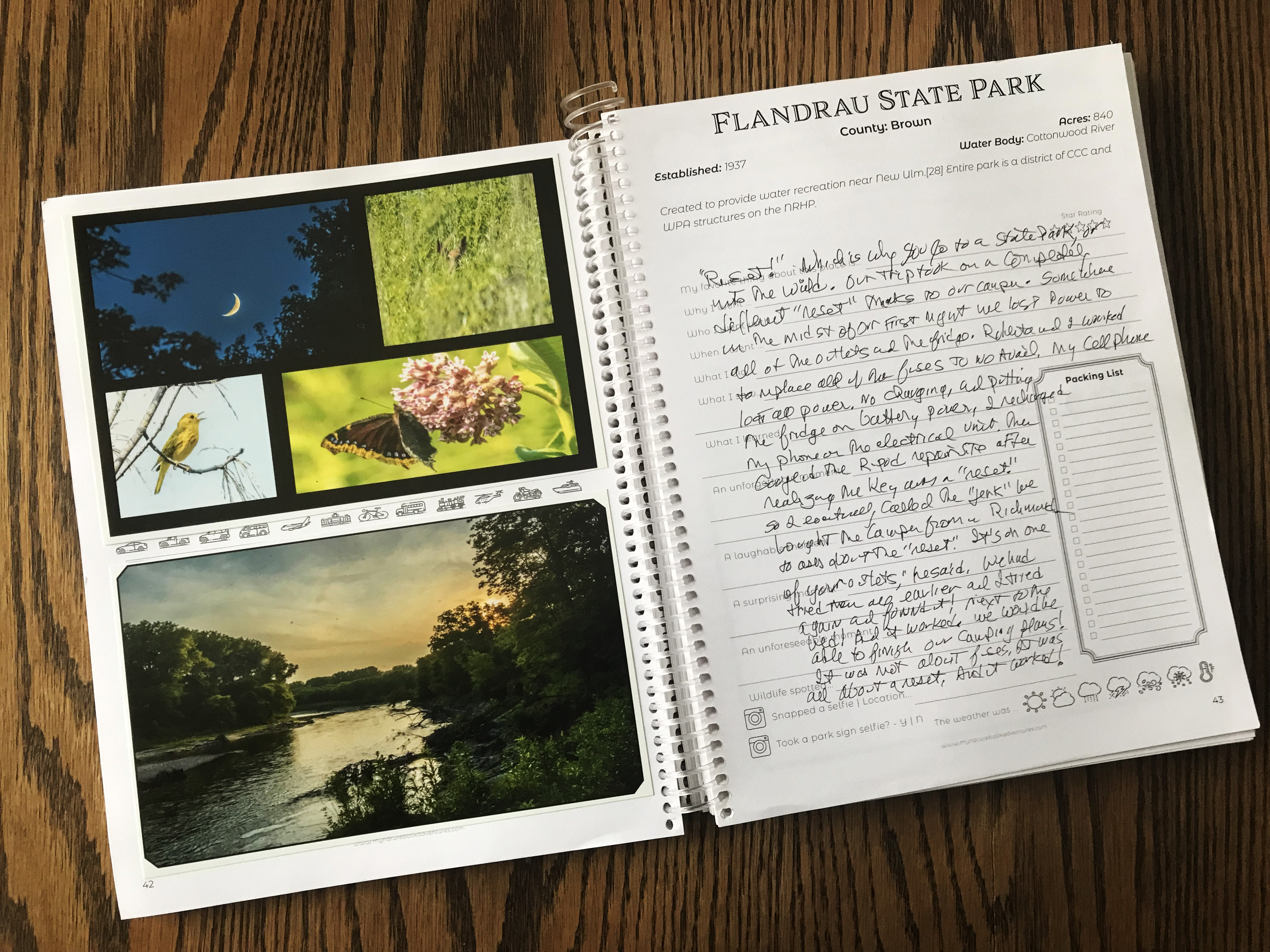
My personal quest is to complete this photographic journal of the 66 state parks in Minnesota, and so far 39 have been added to the journal.

I suppose making up some glorified murderous bear-like story might have been more entertaining and exciting, although I’ve never known of anyone being stalked, chased down and battered to death by dragonfly wings. I was simply doing what a photojournalistic nature photographer would do. I went for an ambient light foray with a camera, captured an image and was simply fortunate enough know the right Park Manager. Adding to that was being so fortunate that my image resonated with Veronica at Parks and Trails. 

This luck came two years after Parks and Trails shocked me by choosing three of my photographs in their annual photographic contest, two of which made their annual calendar.

Minnesota’s beautiful State Parks are quite important to me, and I’m now continuing my work on completing a photographic journal of each of the 66 parks along with my volunteering as a Minnesota Master Naturalist. To date I’ve visited 39 parks, although a few visits were before the photo-journaling began. So the adventures continue, this time with the knowledge that all those vehicles we’ll now pass in the State Parks will have displayed on the passenger-side corner of their windshields a dragon fly silhouetted on a stem of big bluestem in Sophia’s rainbow sky. I couldn’t be more pleased.