When we first boarded the Oslo to Bergen train in Hokksund, the anticipation was one of joy and relaxation. A calm, laid back five or six hours of mountainous beauty. Three years ago was our first trip on what is often described as the most beautiful train ride in the world. From Oslo you pass through outer suburbs of the city into the greenish countryside, gliding through beautiful valleys, centuries’ old farms and picturesque villages until you reach the “crossing of the roof” to enter a completely different vista of an Arctic tundra near Finse, riding high over fjords and rivers that beg for a kayak. It was after passing that roof, though, that our trip was suddenly filled with the pure raw nature of the highlands!
It was, in short, an unforgettable and powerful experience.
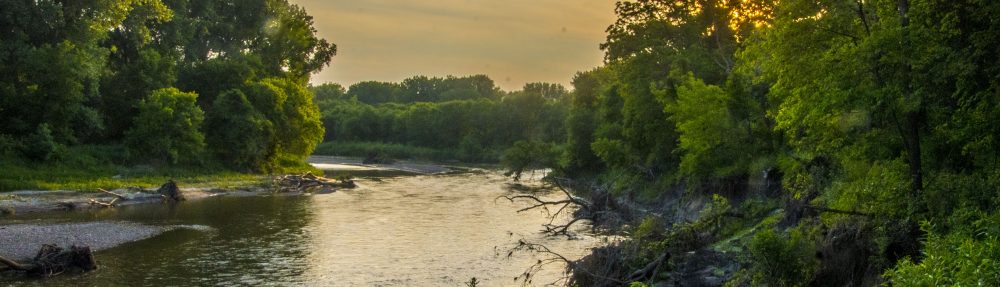
Before that passage, though, and even afterwards, we were aware of calm waters. In lakes and fjords, along the ocean and on all of the rivers of the three countries we had previously visited. Before Norway, we traveled from Graz to Vienna near lakes and rivers, then we rode the rails though the beautiful Czech Republic countryside, vistas we were warned would lack much beauty until after we had passed through Prague and had rolled up into the mountains. However, it was impossible to deny the beauty of the rolling hills, picturesque valleys and small, tree-lined rivers of the CR. Streams with water poetically rolling over and around stones. I found myself wanting to scream, “Stop the train! I wanna take some photos!” One river in particular so caught my eye that I was sad for several miles, then another scenic view appeared to vanish the sadness.
Riding the rails is a most beautiful means of travel, one that we in the States have mostly lost with exception of a few Amtrak routes. Which is astonishingly sad, and a product of political maneuvering back in the 1950s and 60s by the oil and auto industries pushing for a nationwide Interstate Highway system over the use of passenger trains. My mother in the 19-teens and twenties had better rural commuter access then than we as a nation have had since the late 1960s. Which passed through my thoughts as we crossed through my 26th country, many of which have included train travel.
We were on a two-week jaunt through Europe and Norway, starting with a wedding of former exchange student Jakob Bevcar. We had departed from Vienna on that train en route to Dresden, Germany, to visit yet another former exchange student, Luise Hille. After a flight to Oslo, Norway, Erlend Langbach, who we also hosted, awaited to fetch us off the plane. After a couple of days he would drive us to Hokksund where we would hop onto that beautiful rail route to Bergen where my son, Aaron and his wife, Michelle, live.
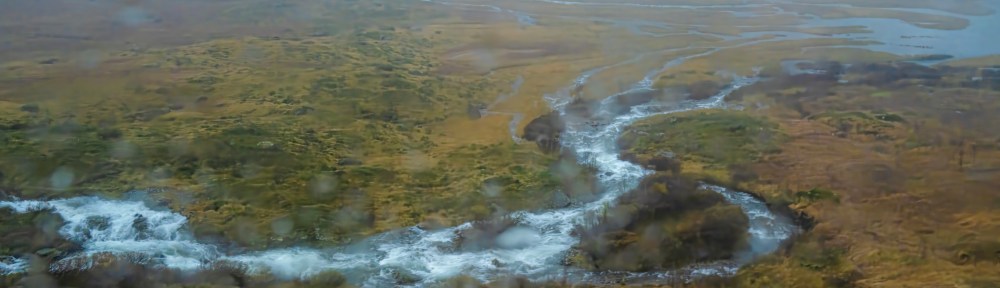
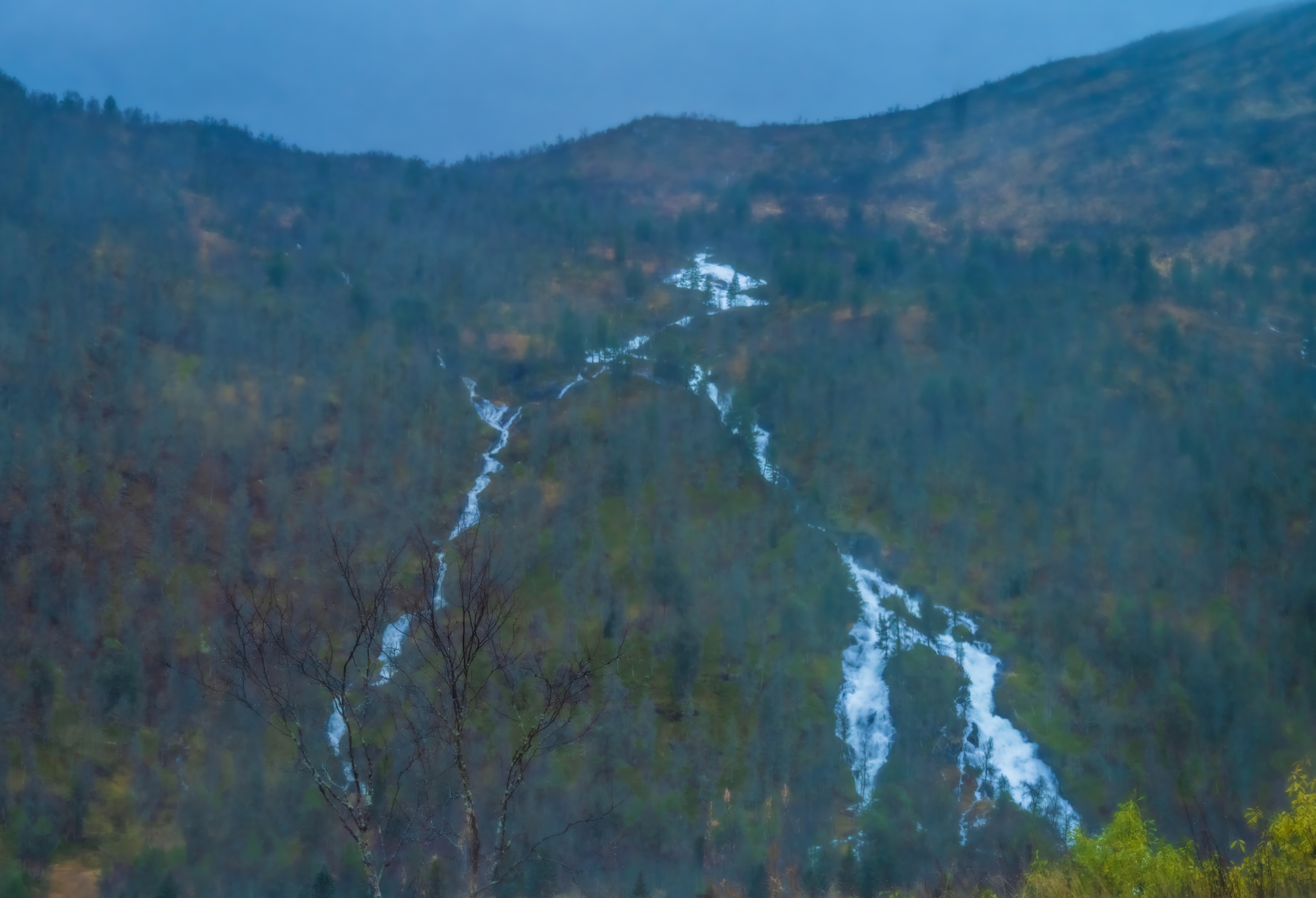
Yes, we had ridden this incredible train trip from Oslo to Bergen before and my anticipation to do it again was incredibly high. Almost to the level of a child on Christmas Eve. Despite that high level of excitement, what we would see after crossing that alpine “roof” couldn’t have been anticipated. We had crossed from a beautiful sunny day with calm waters on the two lakes we stopped at on the way to meeting the train. Now we suddenly found ourselves with gray stormy skies and a rain that pelted the windows of the train for mile after mile. One could barely see through the rain-splashed windows. A rain that wouldn’t ease up. As we passed deeper into the high mountain range we started seeing the falls, one after another, as water cascaded in torrents down from the high mountain tops to the rivers below.
It was all high energy. These were not the expected waterfalls common to the region, but rather water escaping from the heavenly alpine reaches. Almost every towering mountain seemed to have at least one waterfall. From our seats it was easy to see the force as thousands of gallons of rainwater crashed against and through the steep rocks and timbers. Below, rivers raged with a breathtaking fury with surely a thundering turbulence as it rounded bends, rolling with a roar that went unheard inside our car. Yet, you knew it was there, that it was loud, that it roared with deadly danger.
Such fury was as unexpected as it was hypnotic, for little could have survived either such a fall or river’s rush. An occasional house was seen alongside the river, and one could only imagine the feelings one might have living there. No, this was certainly not the calm quiet of the previous train ride through the Czech Republic, or even our earlier ride before the crossing. On our first trip I had trained my camera on reindeer in the bush and was thrilled at capturing mountain goats in the high, alpine reaches. This time it was all about water. Alpine waterfalls dropping thousands of feet from the mountain tops down to the roaring and deadly roar of untamed rivers.
Eventually we passed through the worst of the storm, and a day or two later Aaron would drive us into the same mountains around the fresh water lakes and fjords, and I couldn’t help looking up at the tall bluffs of the mountains wondering if these were the ones we had passed through. Now they were simply tall and rugged mountains with an occasional waterfall falling beautifully. We were actually driving alongside the same tracks of the Oslo to Bergen train. And the rivers? Calm and poetic in nature. An easy paddle with predictable rapids.
Yes, it was wonderful seeing old family members, of our blood or from our home so long ago. A couple of students we helped place came for brief visits, too, so we had some hugable moments filled with catching up and the sharing of wonderful memories. Our two train trips, too, will long be remembered. One so calm and picturesque ambling through the Czech Republic, the other offering a harrowing exposure to the extreme forces of nature after crossing the roof.