Not a Sound of Silence

Moments ago the ol’ ticker about stopped when Joe Pye, our lovable “red” dog of dubious lineage, flushed both a rooster and hen pheasant during our prairie walk. Though expected, since this seems to happen daily, being startled has become an anticipated part of the trek.
This is much the same sensation you have when watching a pop up toaster, or even a jack-in-the box you might actually be winding. You know instinctively that the toast is going to jump from the bread bays, and that the clown is going to pop up from the lid. Same with Joe Pye … somewhere, and you know not where, he will flush a pheasant. And, each time I will jump, startled at the sudden flush and rush of wings.

Otherwise, our walks are usually somewhat quiet.

This is said with a bit of a wink, especially in the spring and fall when the nearby wetlands are seemingly teeming with geese and ducks. Almost any time of the early morning through a near darkness at night, hearing the geese are part of what makes living here so precious.
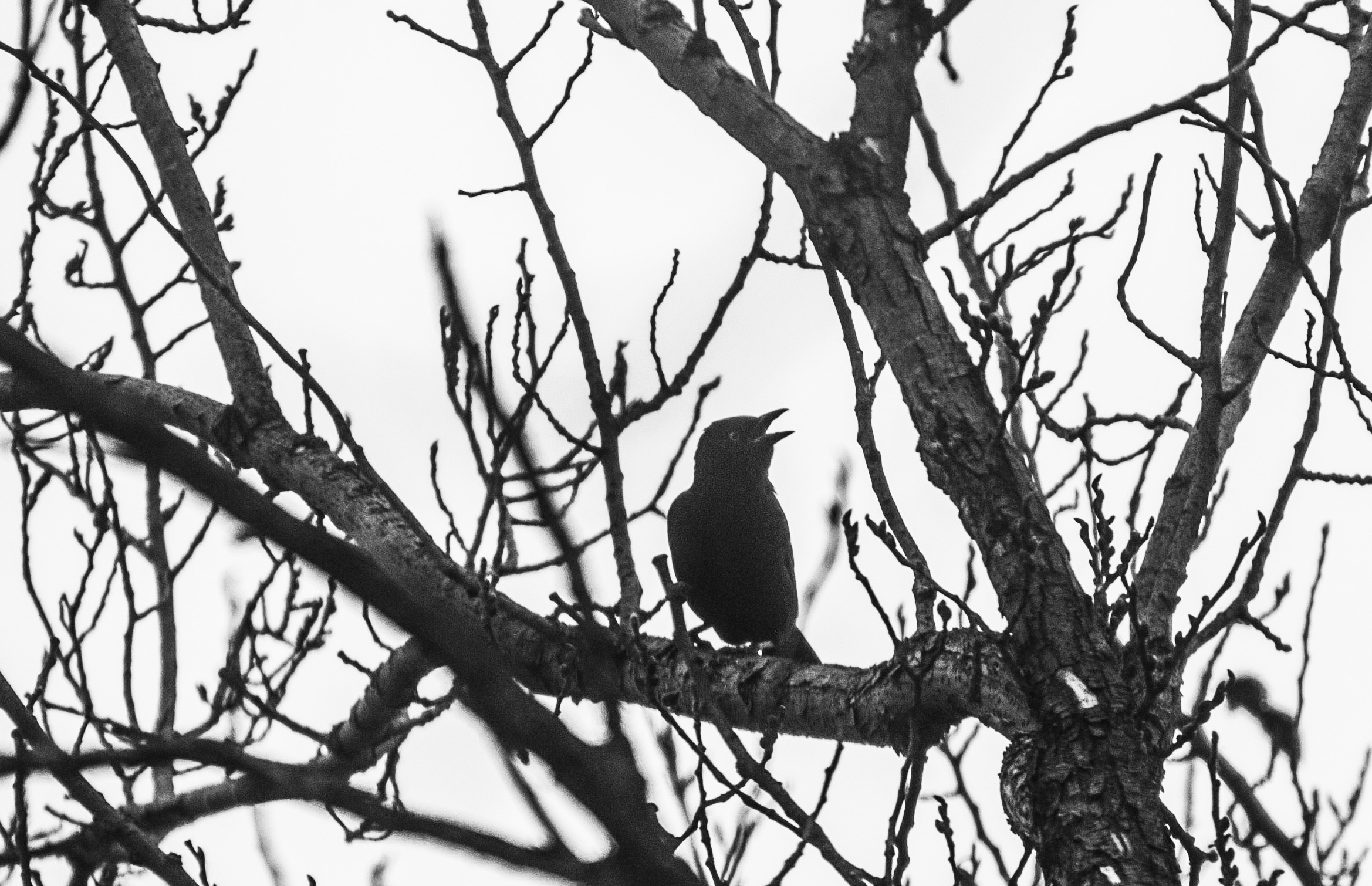
10.29.15 murmuration5b.w
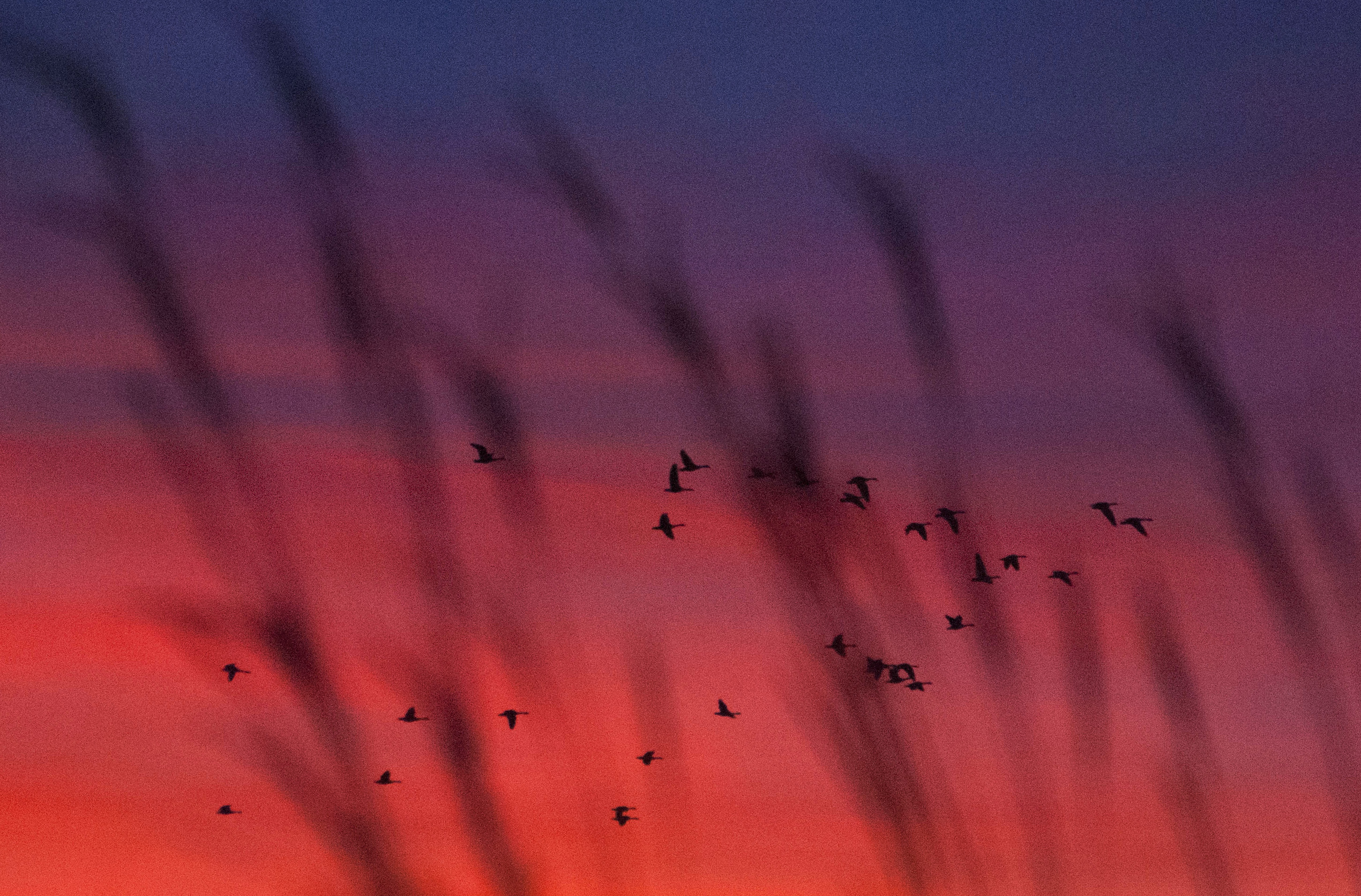
Yesterday, though, was different. Our walk wasn’t quiet. And, this time the geese weren’t the culprits. This was not a sound of silence, for a horde of thousands of “black birds” made our grove come alive as a temporary home for a murmuration. The murmur was not unlike that of a stadium of people. Back in my journalism days when assigned to cover one of the professional sports teams, it was fun to get to the stadiums early before the crowds arrived. Having that sense of sound that rises from an eerie quietness to a loud murmur of thousands of voices in constant conversation was simply part of the experience. The closer to the start of the game, the louder the murmur. It was a welcomed part of the anticipation and experience.
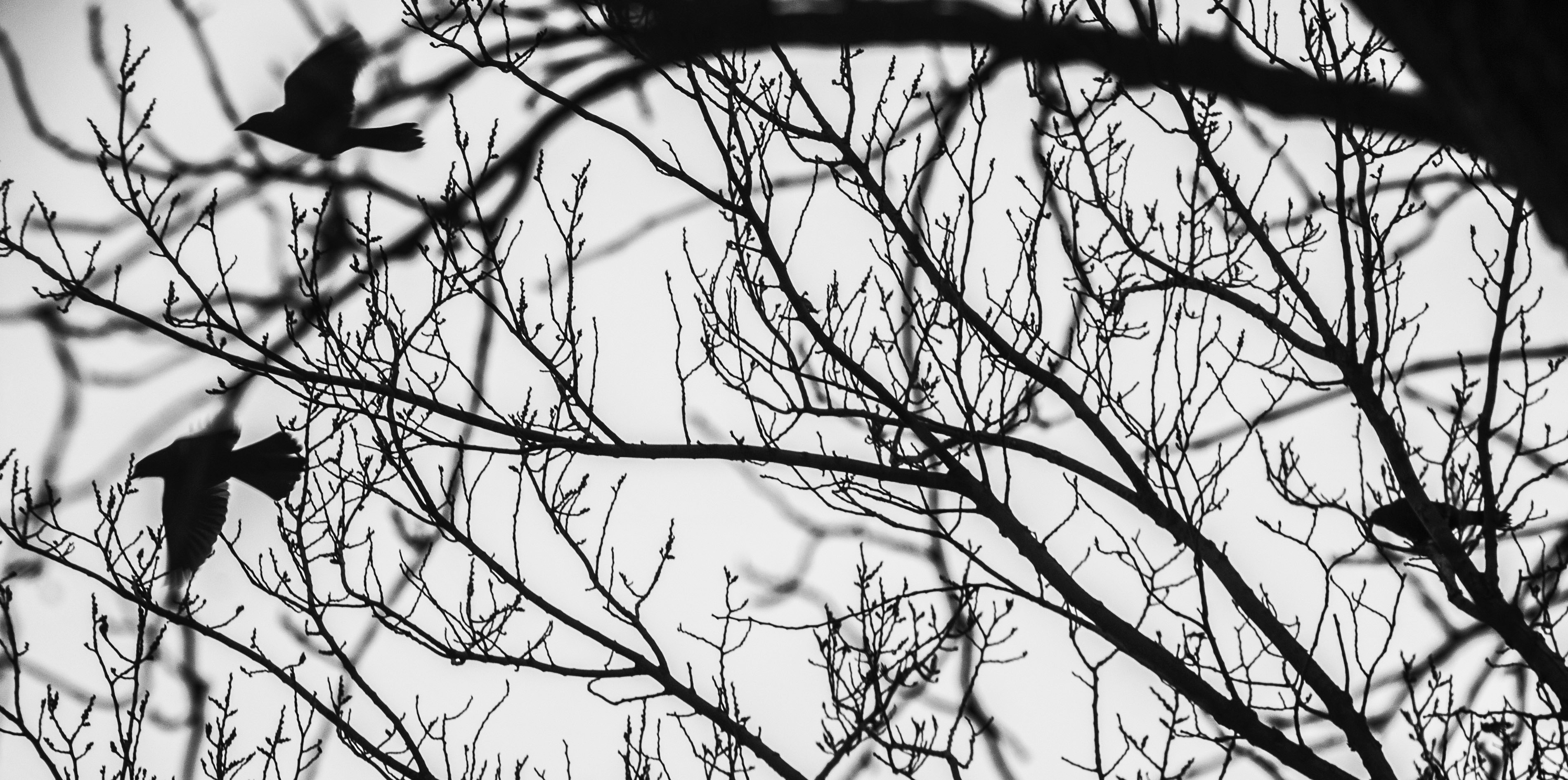
10.29.15 murmuration12b.w
At some point during the day yesterday, as the indeterminate black birds rose from the nearby harvested corn field and our prairie to the tree tops, always in a huge scrum that never seemed to end, it dawned on me why these events are called murmurations. That definition, or description, was as much a mystery to me as the bird gatherings themselves. Like the voices in a stadium, or even in an empty room that fills during a party, no one voice really stands out … just that steady hum of murmuring conversations. It was the same on our farmstead.

Walking around between the orchard and the yard taking pictures and simply watching in wonder as they flew about, then later watching a small sampling of them in the tree adjacent to my studio, you could sense a feeling of anticipation and excitement within the small groups and individual birds. Never perching for very long, the birds seemed alternately “peep” or strained to watch the flights overhead … before bolting off into the air to become one of the uncountable.
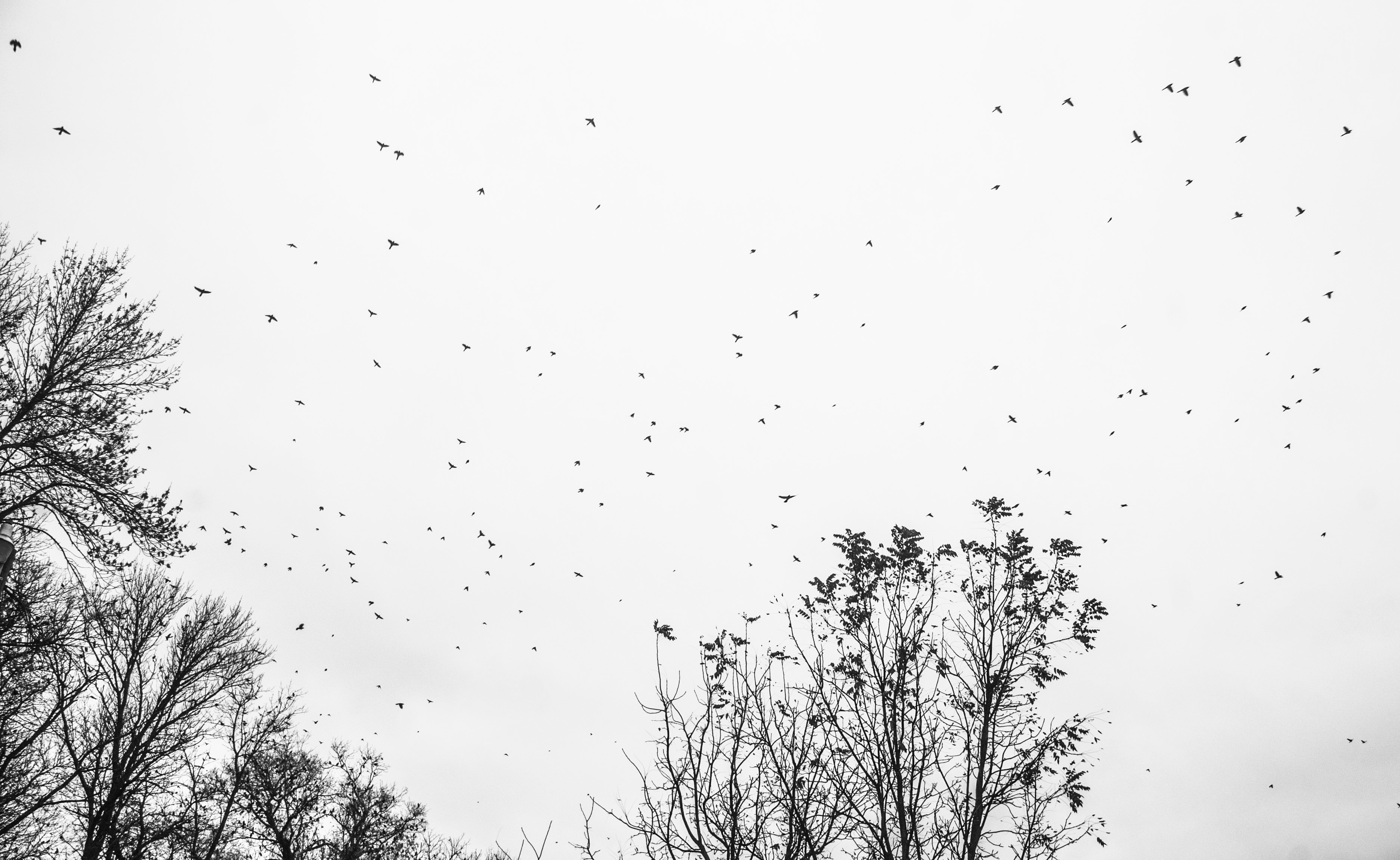
10.29.15 murmuration16b.wa
We shared our treetops for a few hours, and no matter where you took refuge, either here in the office, at the kitchen sink behind the huge picture window, standing quietly in the orchard, or hiding in the studio, it seemed that in whatever direction you looked there was a stream of birds in flight. In all directions, at differing heights, coming from various points from the corn field or prairie to any one of the numerous tree “islands” we have here on the farm.
10.29.15 murmuration17b.w1
This wasn’t among the largest murmurations I’ve seen, and conversations with people my age or older who lived on the prairie when it had more of its natural prairie pothole beginnings and before mass ditching and tiling, they tell of murmurations so thick with black birds that the sky was blotted out. Sometimes you will see a murmuration that will give you a hint of those days. One was just down the road near the Meadowbrook corner, and the other was on a brutal and cold New Year’s Day when Erlend Langbach, our Norwegian exchange student back in 1998, and I went fly fishing for walleyes in the tail waters of the Churchill dam … when we looked up to see a virtual umbrella of geese in the sky above Lac qui Parle Lake as far as one could see. A hum of honking provided an eerie accompaniment. What an incredible moment in nature.
10.29.15 murmuration8b.w
Later on my afternoon here on the farm, after doing some research, I again ventured outside to add another coat of paint on some barn doors I’ve been building. I was struck by an instant difference, like Richard Bratigan wrote about in his poem, Wind, when lovers looked at one another when facing a sudden silence and one asked, “What was that?” “The wind,” came an answer. Yes, I was stuck by a sudden silence. No murmur. Just the sound of the prairie wind. The birds were gone. This “Hitchcockian moment” had vanished, as suddenly and realistically as it had mysteriously appeared.

We witness murmurations in various parts of our Big Stone Lake neighborhood every fall, with some streams of birds stretching for miles it seems. As you drive down a gravel road, hundreds if not thousands will blanket the gravel far ahead of you … with all rising as if on cue as you near, an avian poem threading as feathered waves, this way and that, away from a hurrying danger, all so close, yet none seem to collide or even come close to touching in choreographed chaos.

From the Treesb.w

That choreographed chaos is just one of many mysteries. How can they fly like that without mass genocide? Yet, where do they all come from? How do they know where to congregate? Are there “generals” in the huge flocks that determine when and where to fly? Why would a flock choose our farm, or our neighbor’s across the section, or the savanna down by the Meadowbrook corner? And, what caused them to suddenly decide to go, to leave behind a farm so suddenly silent?

A Seat in the Woods

Hunters often reminiscence about their seat in the woods. Of simply sitting. Listening. Watching. Waiting. Of how that seat in the woods often supersedes the hunt, even the killing itself.

While driving through the “half and half” Bonanza area of Big Stone State Park, with the wooded half in near full autumn glory even after a leaf-devastating wind blew through earlier in the week, I pulled over, grabbed my camera and sneaked into the woods. Moment before I had noticed a car at the boat landing near the park entrance, and later, peering through the trees a skittish herd of deer seemed uneasy. Quickly I had sped ahead to where a spring dabbles fresh, cool clear water down a rivulet where you can often see deer. Hoof-worn trails meandered through the area. With luck, those walking on the distant trail might push the herd toward the adjacent rise and the rivulet. At least, this was my thinking. My hope.

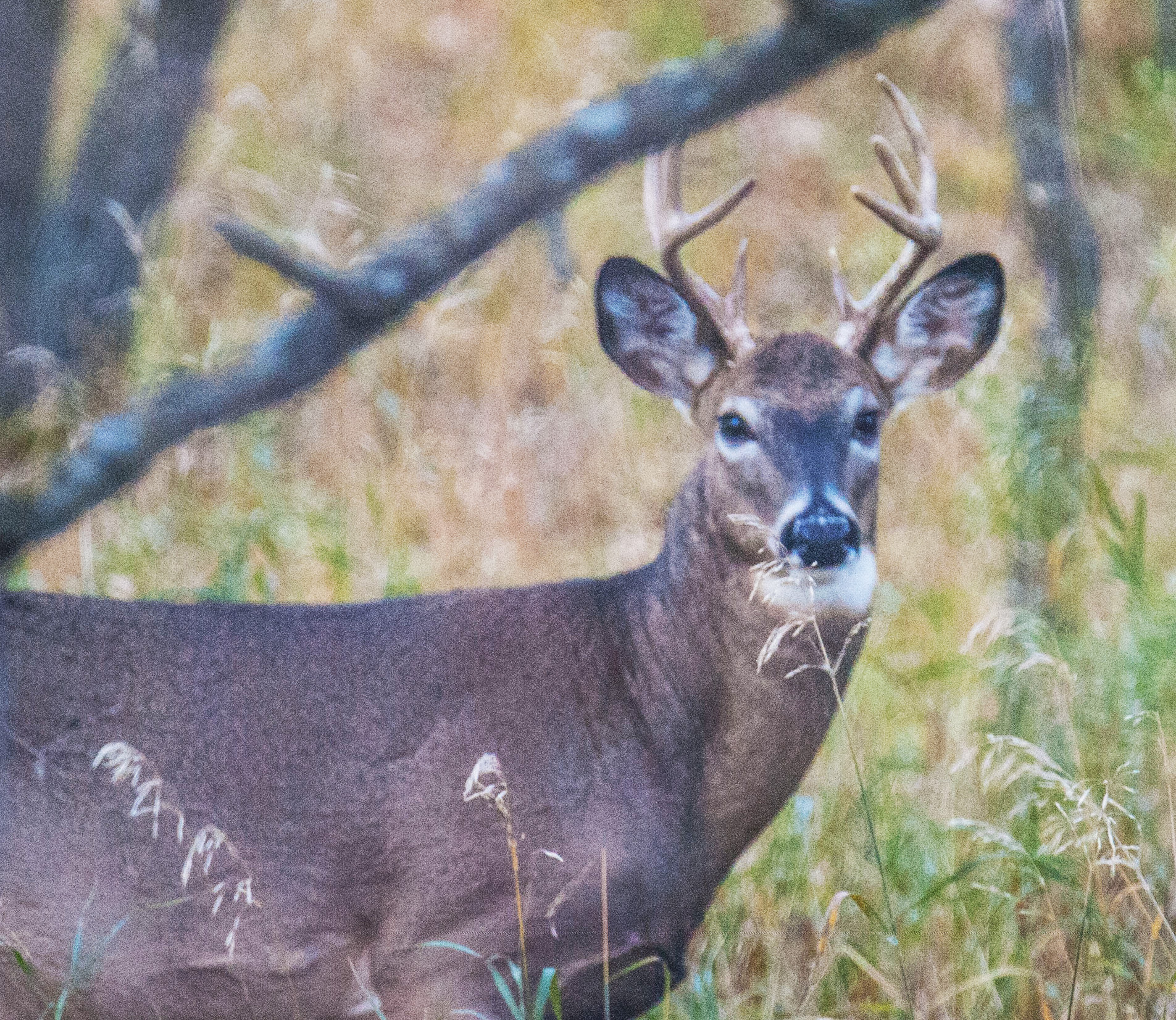
Peering through the woods, the deer seemed antsy. I was waiting for an antlered buck.

Peering through the woods, the deer seemed antsy. I was waiting for an antlered buck.

Lowering myself to the ground, I leaned back against one of the beautiful mature burr oaks that grace this lakeside savanna. This was in the wooded half. Across the gravel road dissecting the park is the prairie half, a wide hillside thick with prairie grasses with ravines likewise graced with stately oaks. Rebecca introduced me to Bonanza our first winter together, on a night when a full moon edged over the crest of the hill. As she drove I suddenly asked for her to stop, before jumping out of the car onto the snow packed road to take my first of several hundred photographs in the park.

My first image on a moon lit night in Bonanza.

My first image on a moon lit night in Bonanza.

Since moving to our nearby farm, the park is almost like my private “estate.” Rarely does a week go by when I’m not driving slowly through Bonanza at least two or three times with my camera. Like on this afternoon. Now I was here as a hunter … a photographic hunter. My seat in the woods was filled with more than anticipation. Yes, I was alert for a sudden showing of the does, for it seems the grand entrance of the antler adorned buck happens long after the nearly grown fawns, does and yearlings have entered an area. Patience is as important as stealth.

Fortunately it was warm enough that my hoodie was enough to maintain a decent level of comfort. Initially you become aware that you are the intruder, and you are surrounded by a shyness of nature. If not shyness, then at least caution. Not even the birds show themselves as an eerie quietness envelopes you. By maintaining a sense of calm and motionless, eventually there will be a distant rustling. Then a flash of feather. In time the birds begin to resume perhaps a more normal routine. Those blurs between branches come ever closer. Eventually I was able to capture a quick photo of one peeking toward me partially hidden on a perch behind a patch of leaves. When I called up the image to enlarge it digitally, I realized it was a robin. Really? A robin? In the deep woods? In mid-October? But, yes, a robin. Then came the flash of a nuthatch. Others I couldn’t identify.

The squirrel came down to check out the intruder.

The squirrel came down to check out the intruder.

Moments later came my first squirrel sighting. Much like the robin, the squirrel stopped halfway down a tree on a broken limb and surveyed the intruder at length, starring at the stranger like old gentlemen do when someone from out of town walks into a small town cafe. As that intruder, and stranger, I remained as motionless as possible until I seemingly passed the test. Gradually the woods came back to life … at least to a life as I imagined it had I not been there. Which can only be a guess. How would one know? Yet, it had taken nearly an hour before the acceptance of my intrusion was granted.

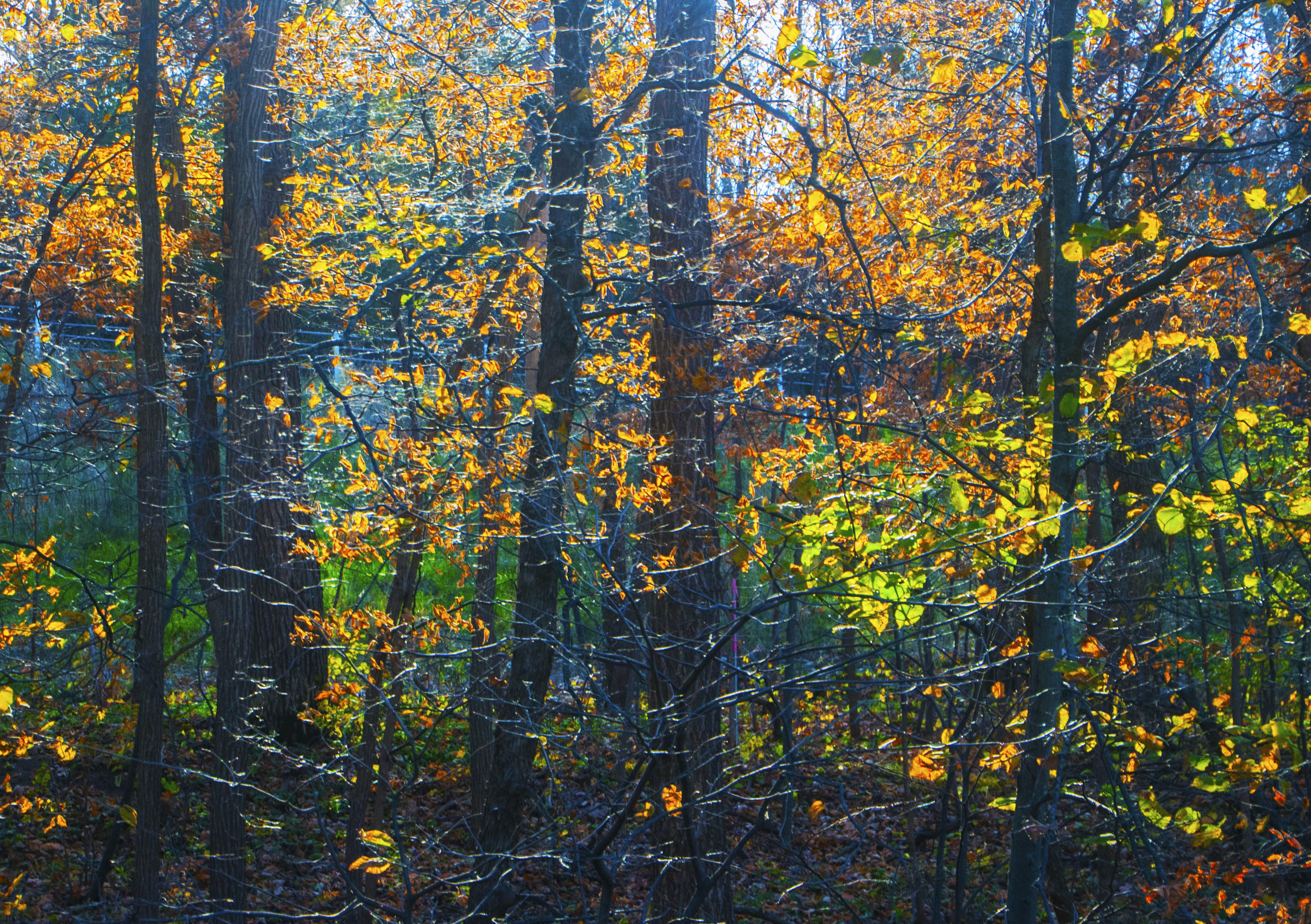
Leaves shimmering in the lowering sun.

Leaves shimmering in the lowering sun.

Interesting thoughts come to mind when you take a seat in the quiet woods. Earlier in the morning my new friend, Lee Kanten, and I had shared lunch. Although we’ve known one another less than a year, it seems we can share good, soul-satisfying conversation. Over the years I’ve had few male friends. Many co-workers, teammates, friendly and caring sources and fishing buddies, yet so very few you have comfort in opening up with. My writer friend, Tom Cherveny, is one. Another is now Lee. As I eased into my seat in the woods, ever hopeful of seeing the first of the herd step into my amphitheater, I rehashed our conversations, our thoughts of our individual retirements, and of others we’ve known over the years. I’m finding comfort by settling in to this rural, prairie-based lifestyle with diminishing desires for travel. His views, too, have changed due to some of his recent travels. He has less desire to park a trailer next to dozens of other retirees in a patch of sandy desert, nor to hop-scotch across the country parking overnight in WalMart parking lots, nor even to socialize with people we wouldn’t have at any other time in our respective lives, while devising a schedule of forced social activity just to feel busy and alive.

“We are now at an age where we have come to grips with our immortality,” he had said. “We now know we’re mortal, that our time is limited, and we begin to make decisions on how to best make use of the time we have left.”

Here in my seat in the woods I feel both busy and alive, of making good use of such time.

The view from my seat in the woods.

The view from my seat in the woods.

Thinking of this budding friendship made me recall an earlier conversation with Rebecca, of when she mentioned the trip she’s taking this weekend to visit an old friend who is about to go in for testing at Mayo Clinic. When Rebecca brought up the trip, and of going alone, I was a bit taken back. She then expressed the need and importance of having special and separate friends, and the need and freedom to spend time with them. Perhaps equally important, for getting off the farm for breaks now and then, especially after the long and tedious growing and canning season for her, and my intense preparations for the recent Arts Meander. There in my seat in the woods the realization and weight of what she had said made more sense. Part of that realization came earlier during my lunch with Lee. Yes, you do need to spend quality time with friends, and yes, you do need to get away the farm for breaks. As much as we enjoy our togetherness, we each need our freedom as individuals. In part, this is how we grow, and how a relationship can mature.

Nearby, a pastoral scene of autumn.

Nearby, a pastoral scene of autumn.

There in my seat in the woods I found myself taking occasional deep sighs, and feeling certain weights ease from my shoulders. A few clouds drifted in the blue sky as the sun shimmered through the colorful canopy of leaves. A lowering sun. Shadows had lengthened, and one from a distant tree now crossed my outstretched legs. Time had eased by, easily and perhaps too quickly. It was time to go, leaving behind the mashed grasses and leaves of my seat in the woods.

What I Call ‘Layering’

An artist friend from the South expressed his dismay recently when a painting, one that was basically consisted of two halves of color, sold for $46.5 million. This Mark Rothko piece seemed to have a bit of Swedish flair about it since half of the canvas was painted yellow, and the other half blue, reminiscent of the country’s flag.

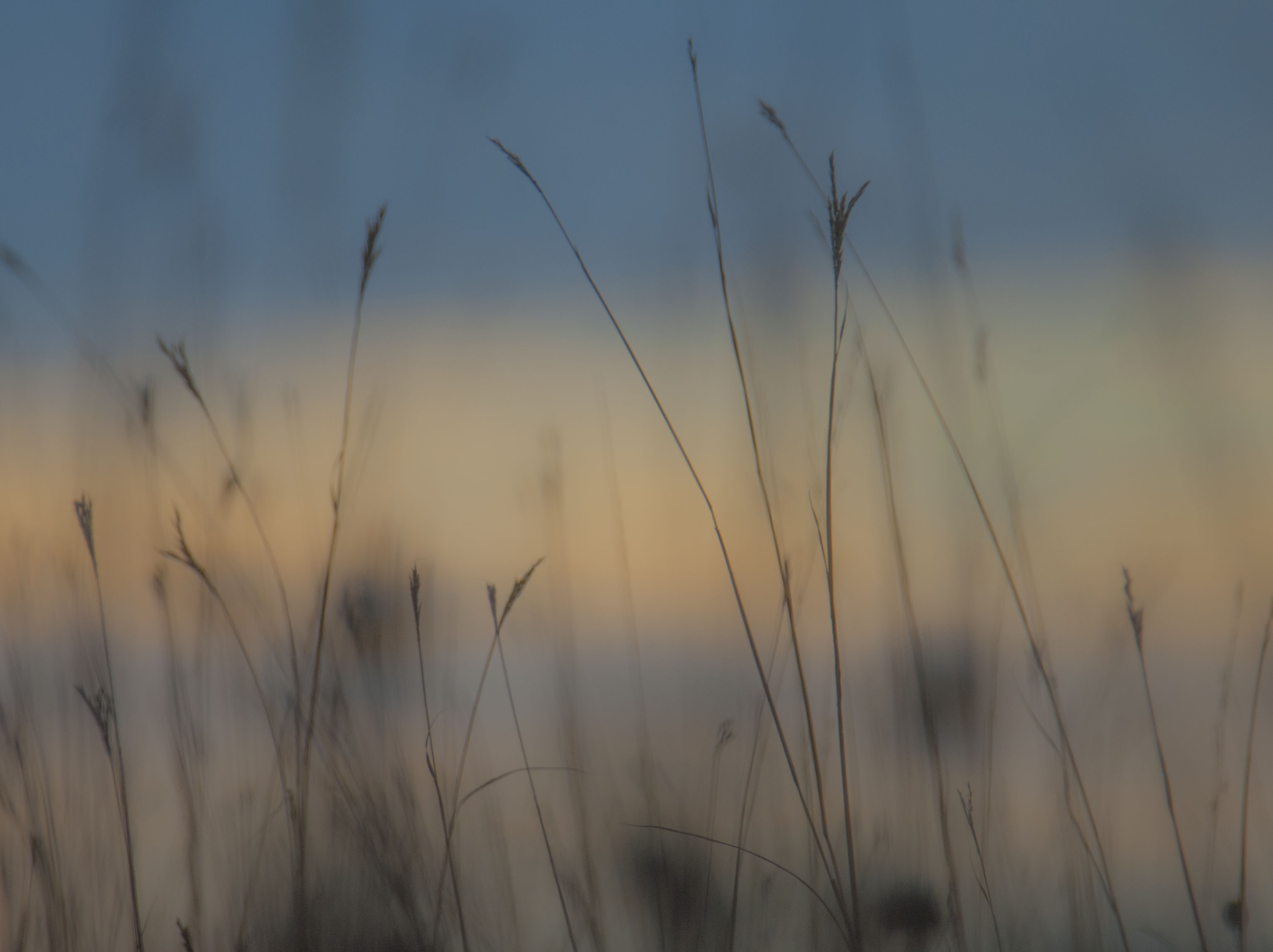
A medium range focal length ... yet layers of color.

A medium range focal length … exhibiting a layering of color.

Like my friend, himself a painter of Southern Louisiana icons with an interesting style, I likely wouldn’t have shed even 47-cents for a painting that fetched millions. That said, good for the artist and his view of life through artistic expression. Rothko’s work seems to consist of numerous similarly painted canvases often in halves and sometimes in thirds, and always with interesting color combinations. One critic described Rothko’s work as “painted soft, rectangular forms floating on a stained field of color that were heavily influenced by mythology and philosophy.”

You have the big bluestem, and you have the layers of light, earth and sky. You have prairie.

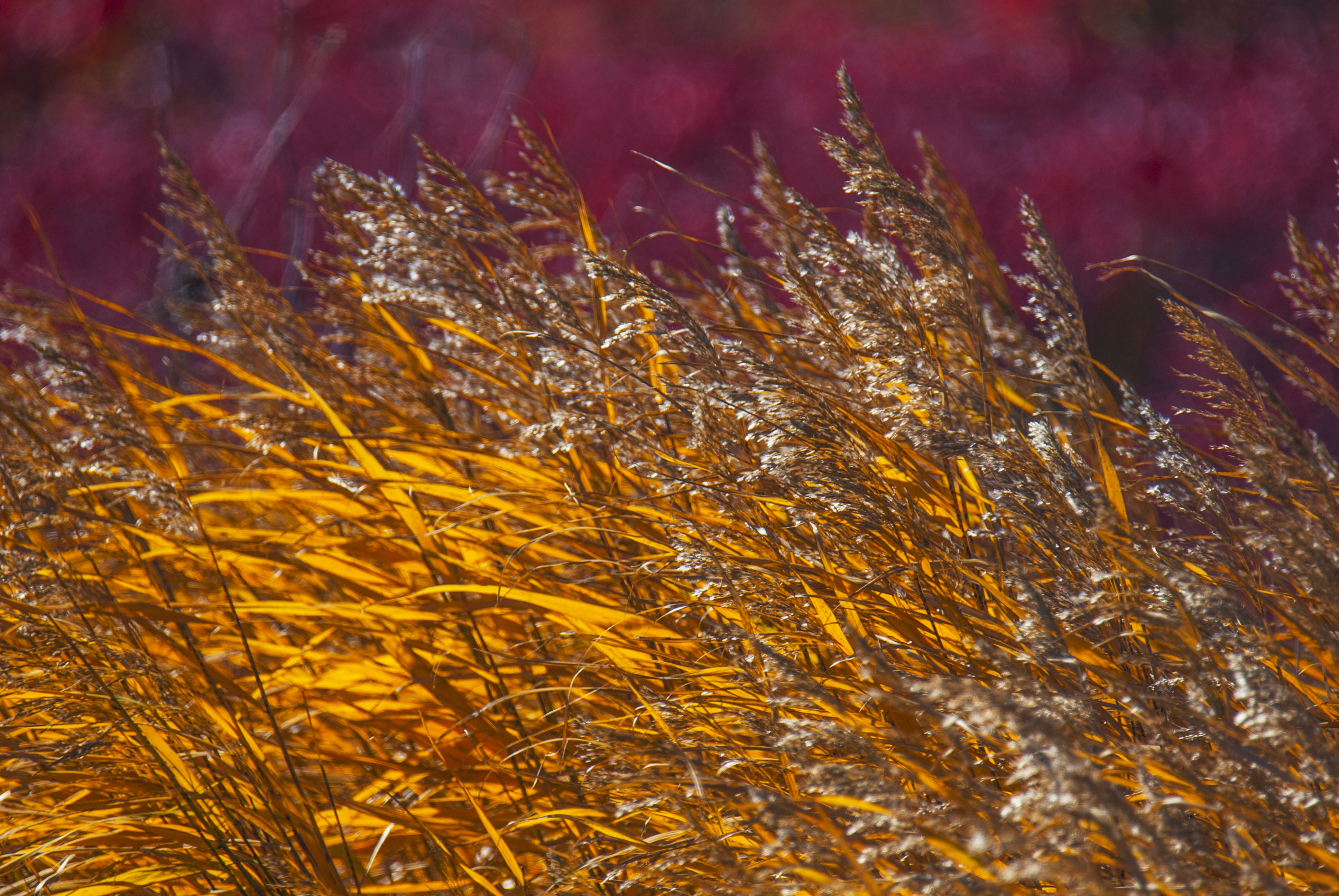
Big bluestem melds the layers of light, earth and sky. You have a portrayal of prairie.

I’m okay with that, although in all honesty I somehow missed the “mythology and philosophy” while enjoying his “stained field(s) of color …”

His paintings, however, has inspired some thought. These past few weeks, and especially the last several days, have been spent scouring over my many images in preparation for the annual Upper Minnesota River Arts Meander. This gave me a chance to begin looking at my own “layering” of colors playing a key role of image composition … despite of various other details within a given image. Was the color interesting? Did it hold the eye? Was the blanket of color strong enough to carry the composition by itself as does Rothko’s?

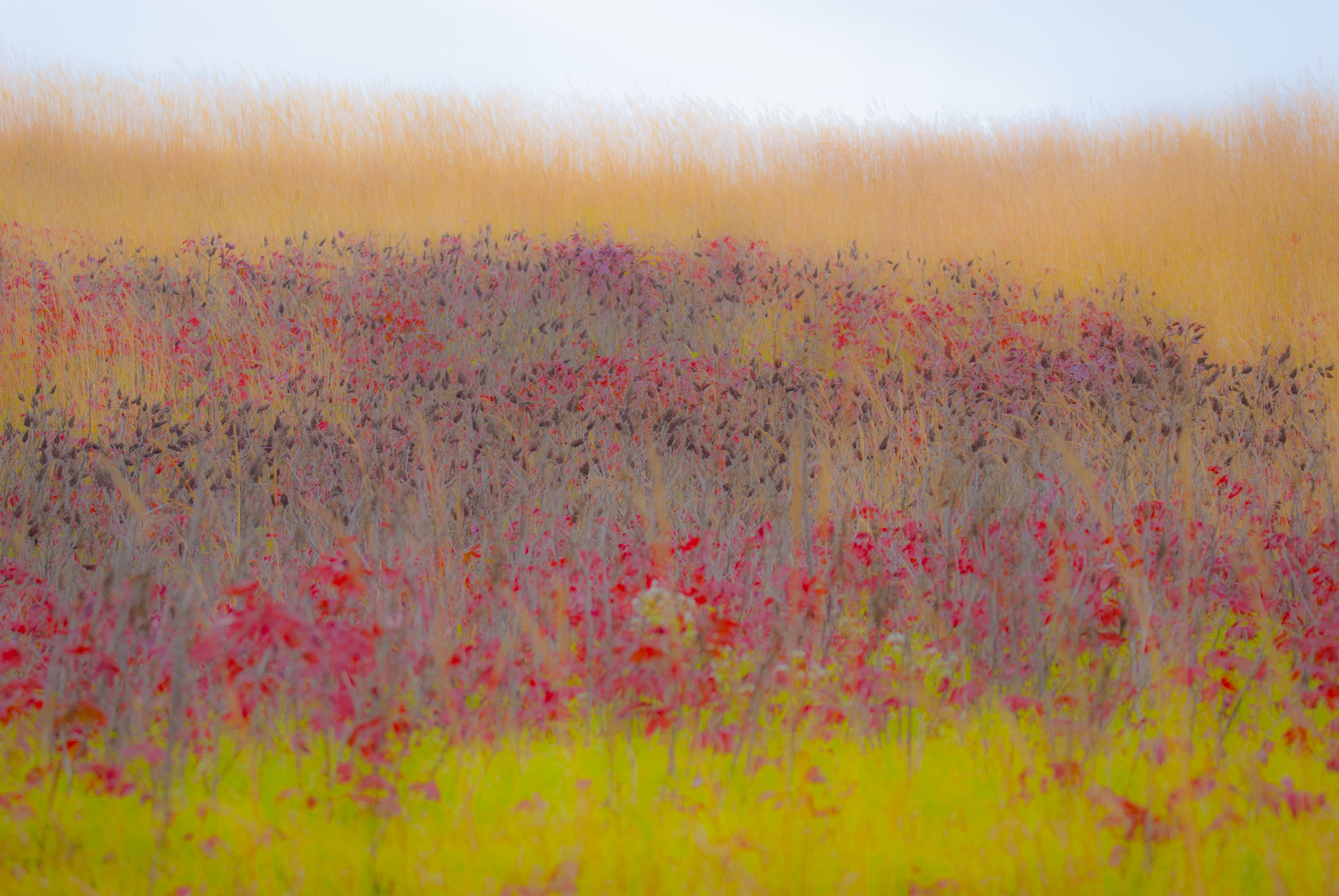
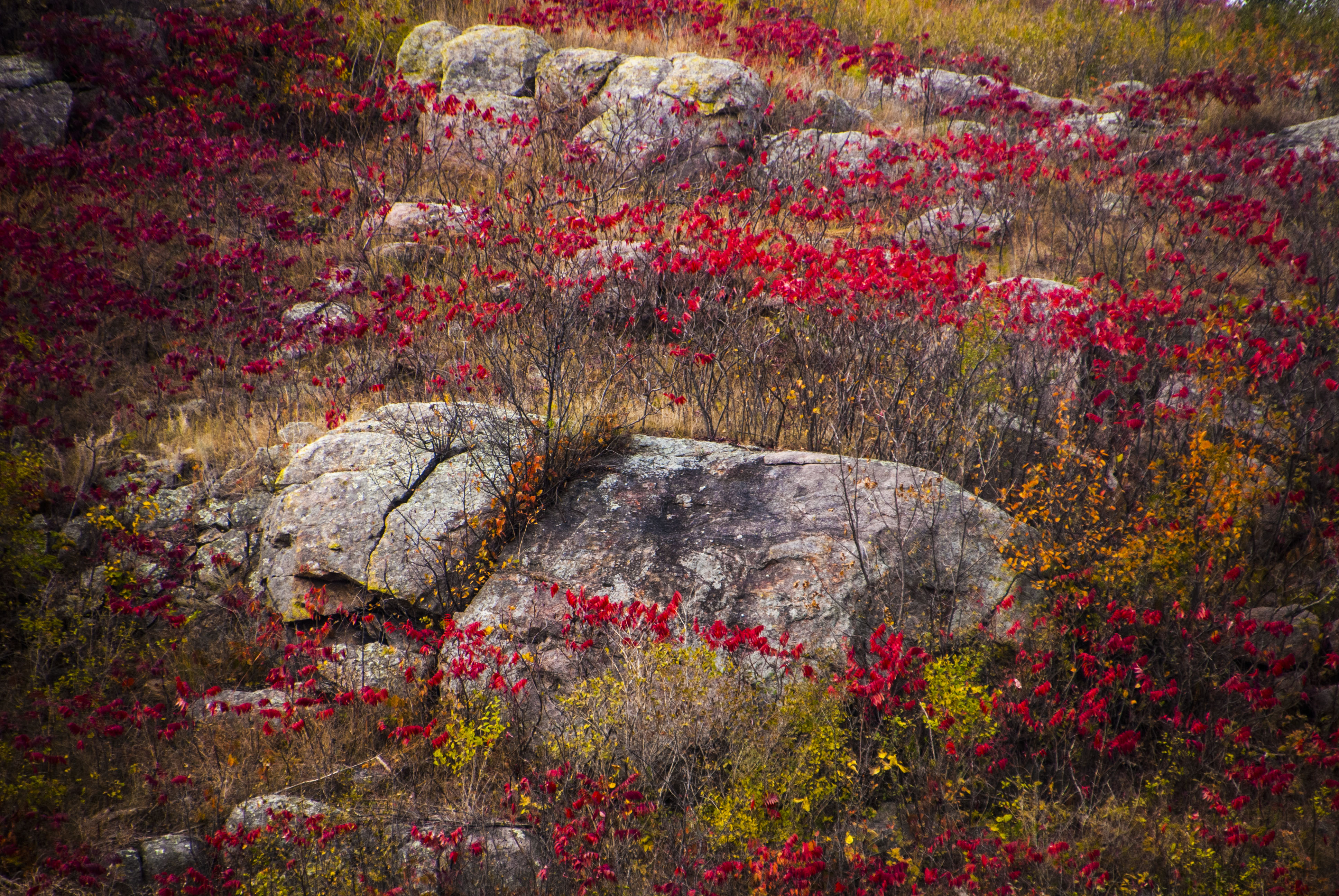
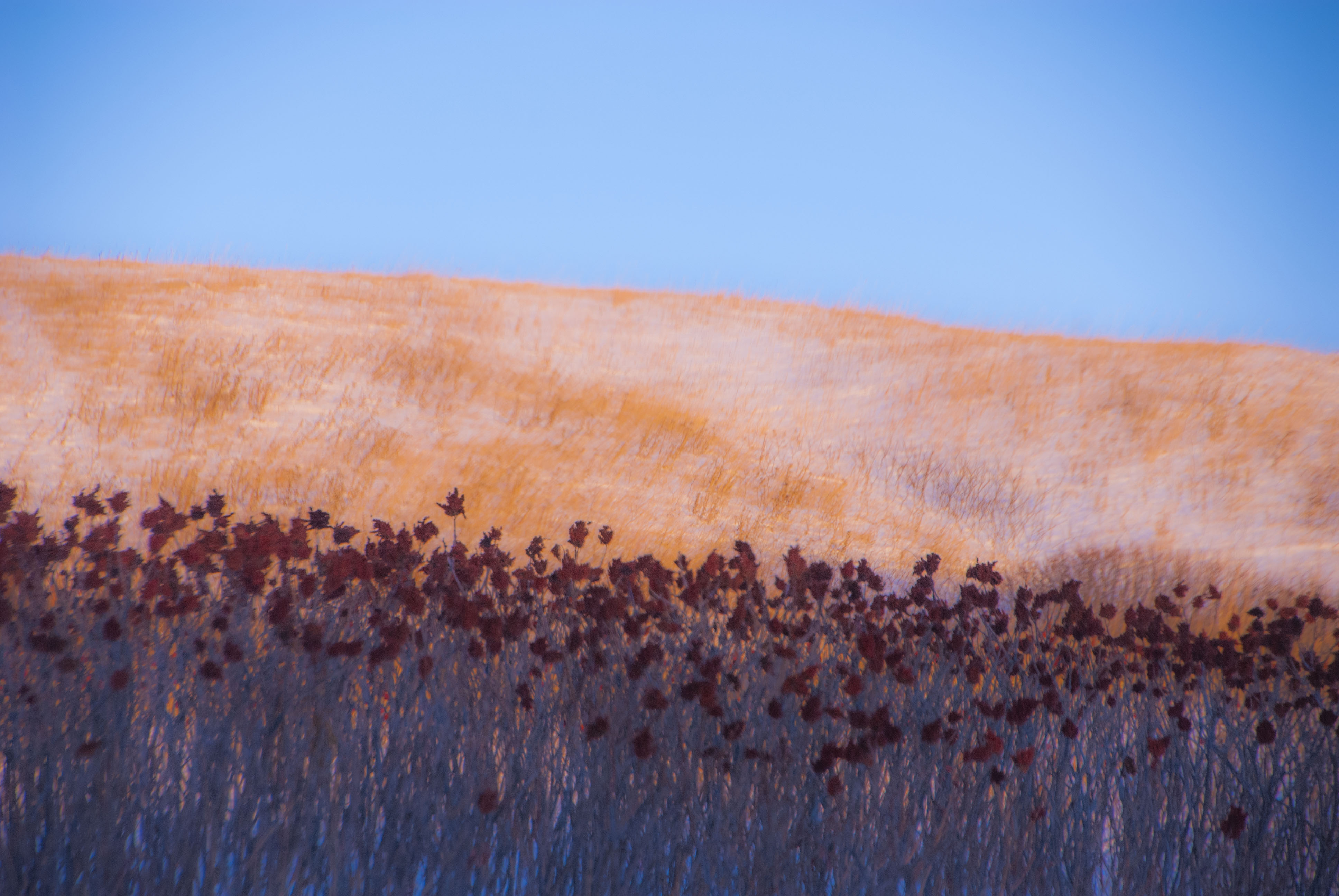
More in line with Rothko's use of color ...

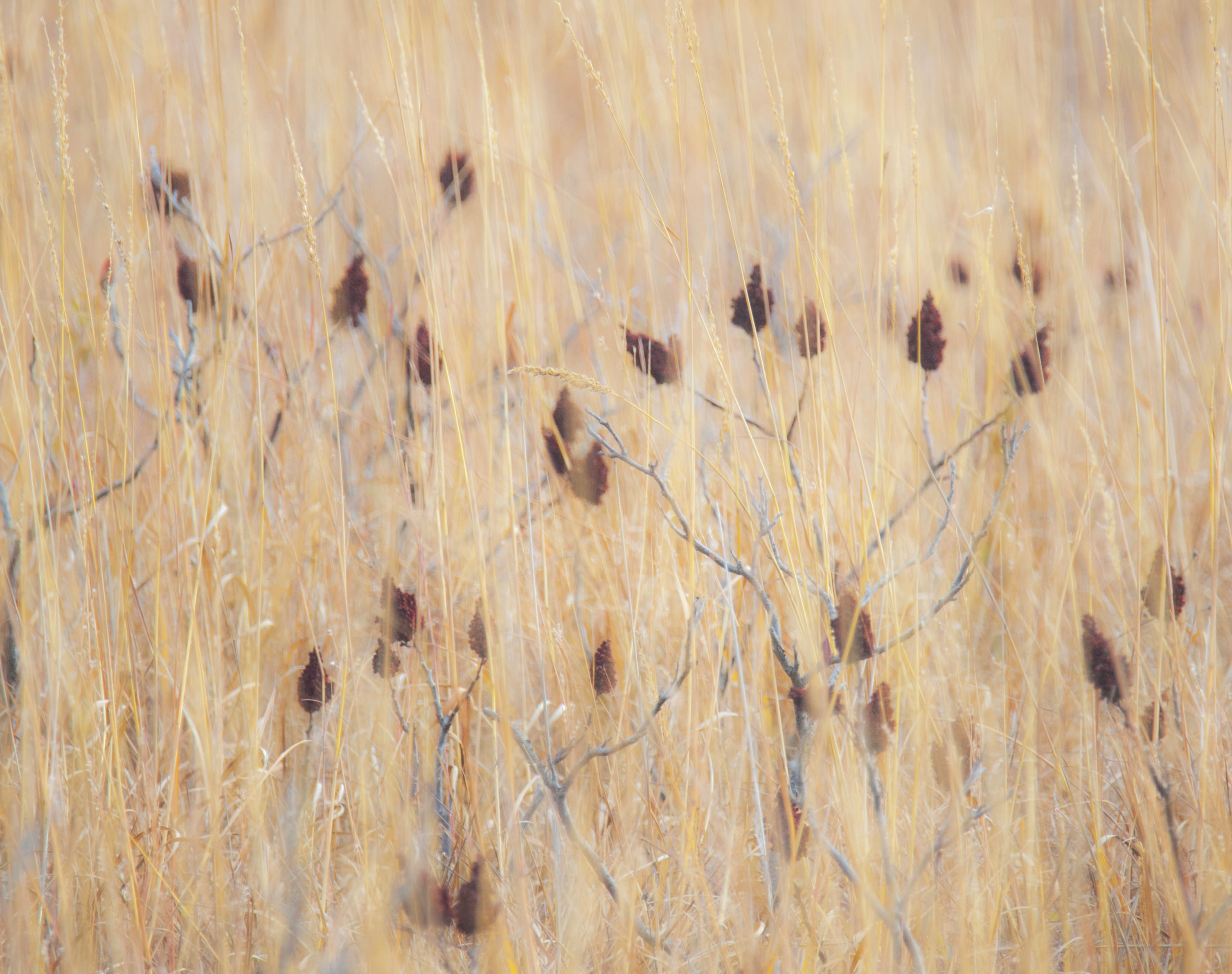
More in line with Rothko’s use of color … yet the bobs of sumac and the prairie grasses add details to the image.

This caveat should be added: in no absolute terms am I placing myself in the same realm as Mark Rothko. Nor do I know how you define “artist,” or when your creations, which in my case is photography, crosses that magic line to become “art.” All of that is yet a mystery. In recent years my work has evolved in a direction that is different than that of my career as a photojournalist … although my current work is in presenting an imagery of the last one percent of what was once a continent-defining prairie. Each trip into a given prairie provides another level of education and imagery, of looking deeper into a disappearing and fragile ecological biome.

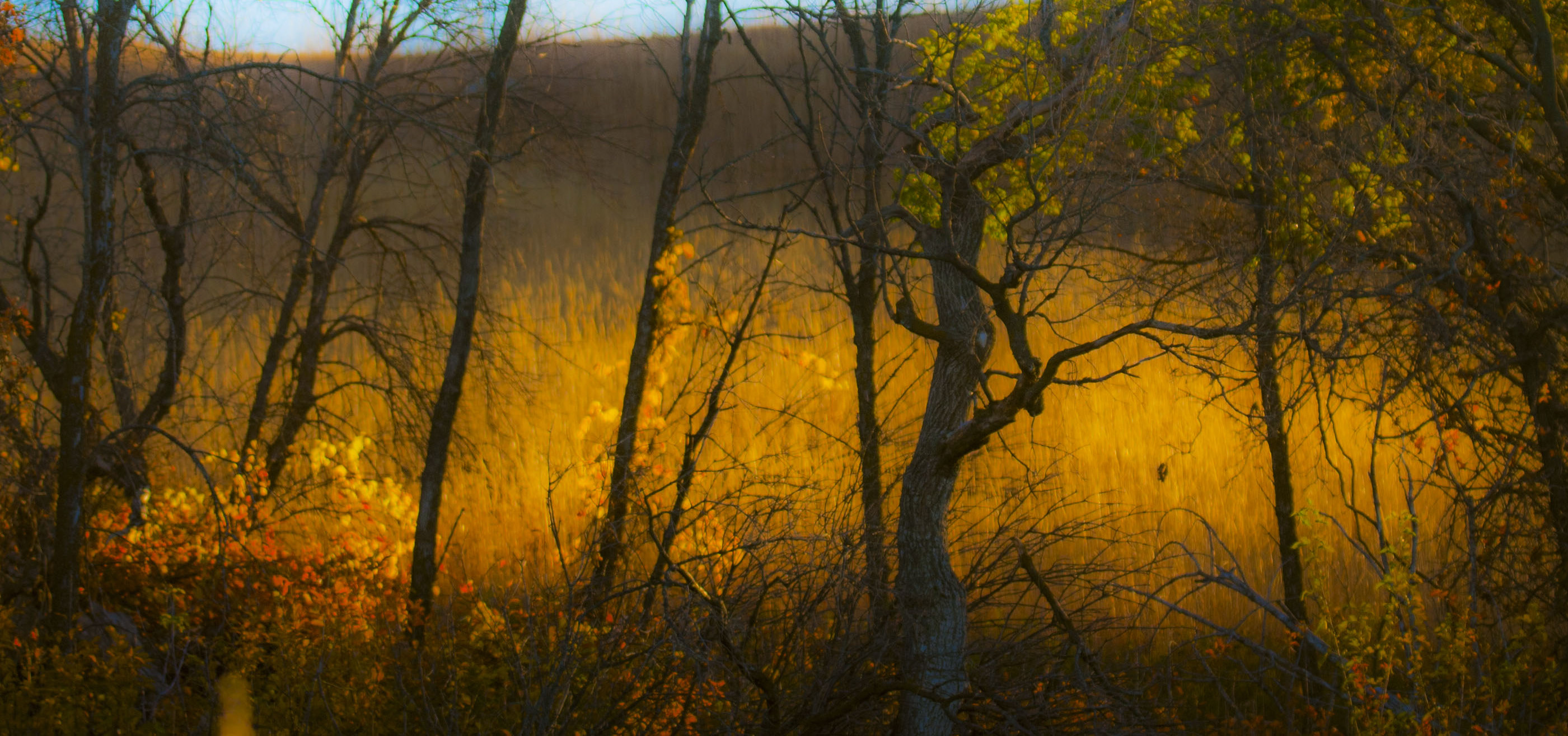
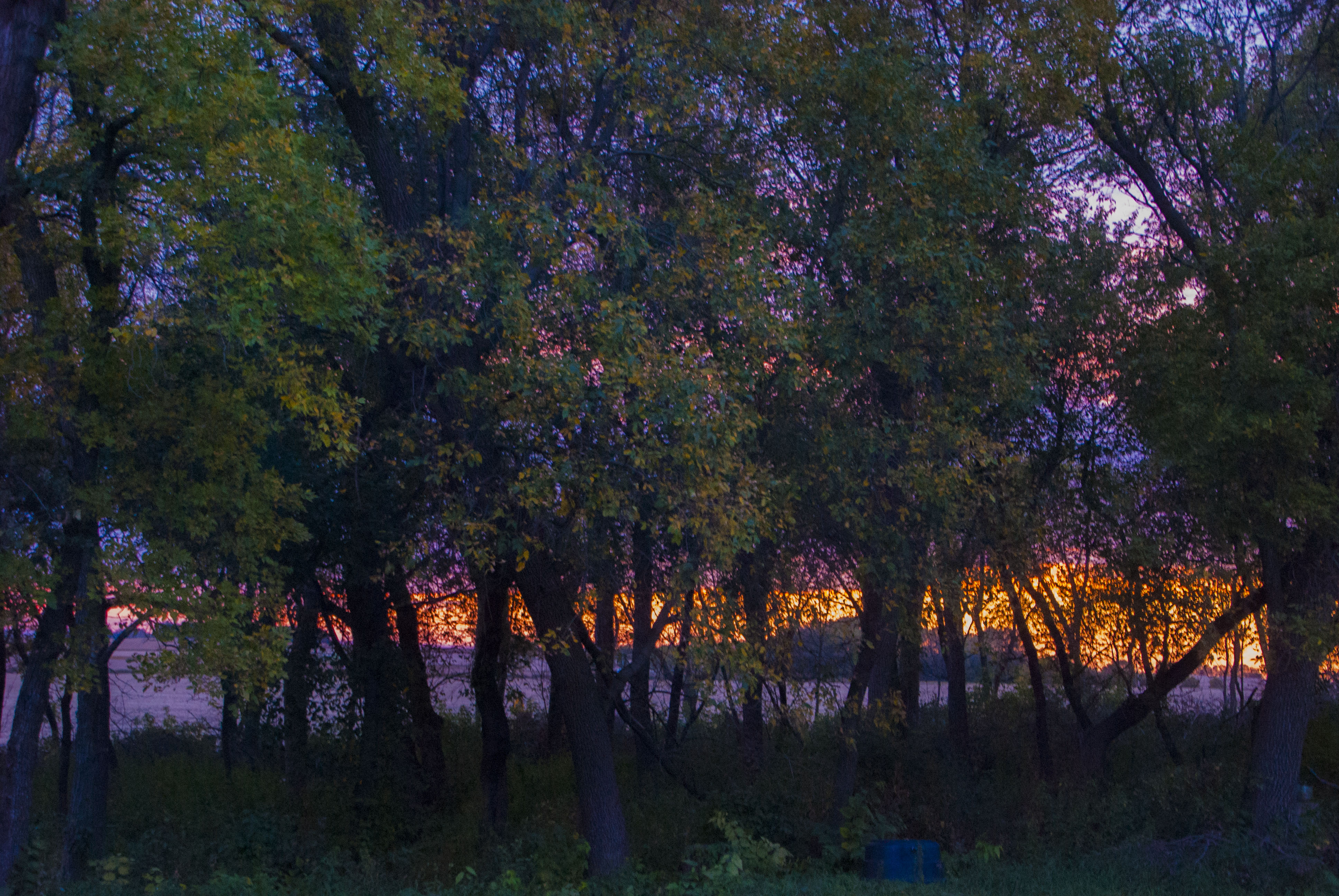
Without the layering of light, just another grove image.

Without the layering of light, just another grove image.

Within that context came “layering” … of seeing color beyond the grasses and forbs, and of how that color — that typically includes the color in the sky — actually defines a part of a prairie landscape.

So many layers of color. The

So many layers of color, the “fifths” become “thirds.”

Layering isn’t a recent term. Occasionally the word slipped into my presentations to photography groups when certain images appeared on the screen. This might have been a subconscious effort to explain the inclusion of the photograph that might have otherwise been passed off as some do Rothko’s painting. If you were to adhere to strict rules of composition, then perhaps some of my images might not be presented for viewing, and even if they were, would they be accepted as good photography or, perhaps even as “modern” art? Yet, capturing these odd layering of colors and light is a technique I find pleasing. And, interesting. Defining, even.

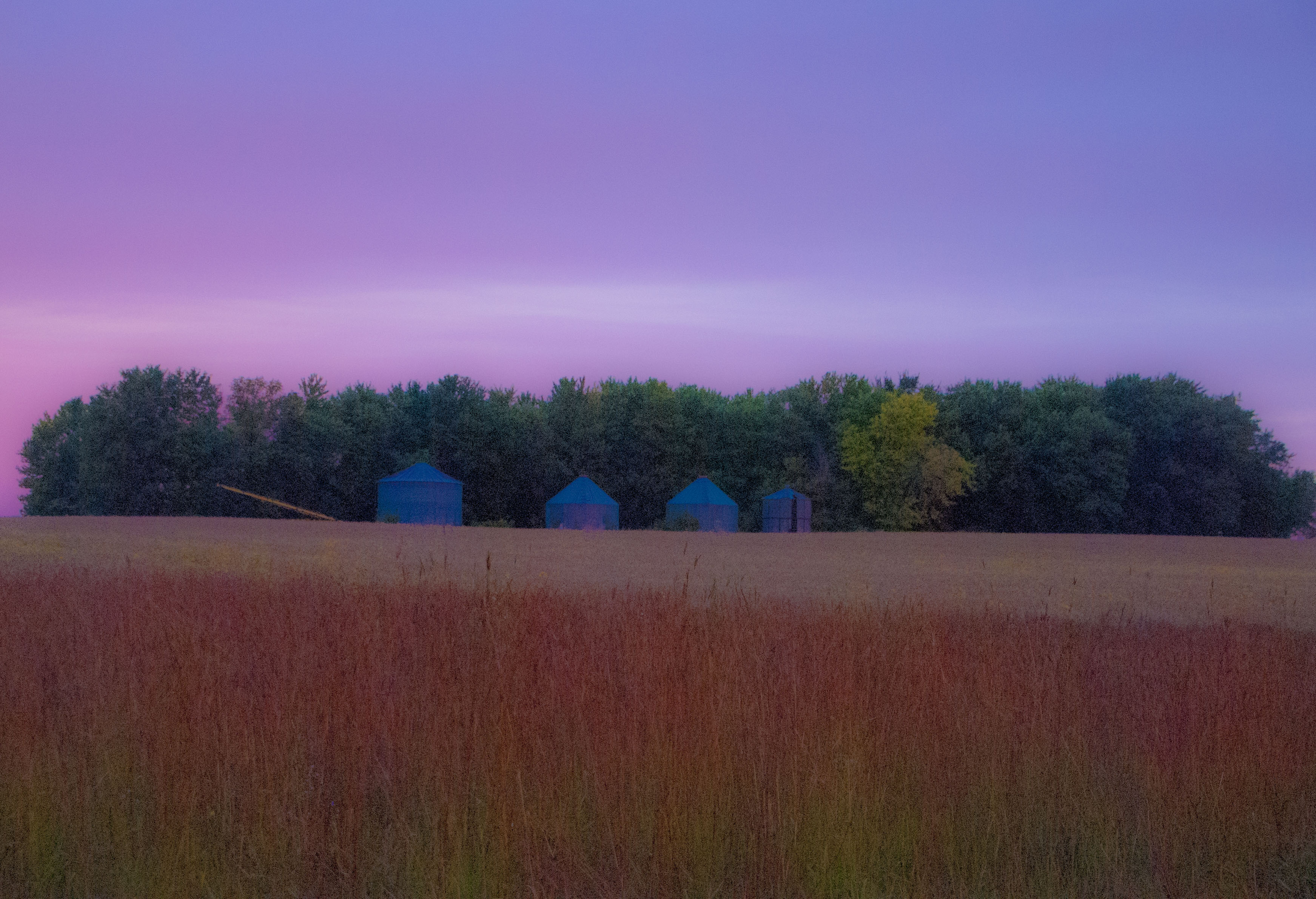
An abandoned farm site adds to the coloration.

An abandoned farm site adds to the levels of coloration.

Imagery as an art form depends on the use of light and color, of how those attributes are used as tools of composition. “Great” may be wholly misunderstood in this context, for I wouldn’t consider any of my images necessarily as such, yet I do find them interesting in regard to the “layering” of the colors and light. More pleasing for me is capturing other elements into the concept of the natural layering of light and colors.

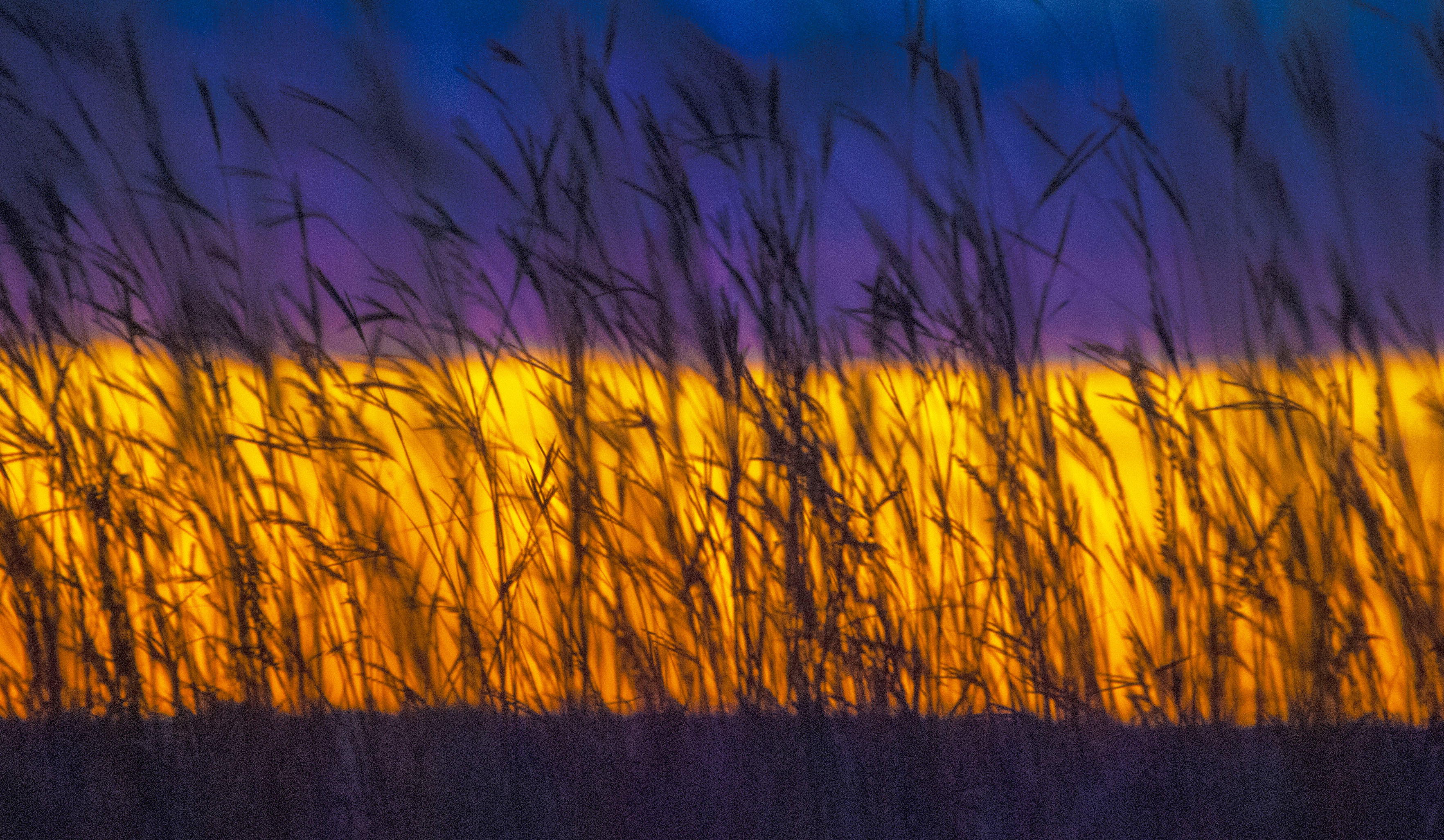
The big bluestem in sunset.

The big bluestem in sunset.

In the end, this is all fun and folly. An internet search gave me a broadened vision of Rothko’s work. While I enjoyed his mix of color combinations, placing any abstract meaning to his work is well beyond my simple mind. However, if offered $46.5 million for one of my photographic images using what I call layering, I’m fairly certain I would take money. My momma may not have reared an artist, but she certainly didn’t raise a no fool!

Our ‘Artist Harvest’

Much to my surprise and appreciation, my work was accepted as part of the 2014 Upper Minnesota River Meander Art Crawl … simply known as “the Meander” in these parts … for the first time. Long a supporter through my writing and photography while running a small town weekly newspaper, I had visited the many area artists on the trail … and one year, when along with my sister, Elizabeth Ann Roeder, we made the effort to visit all 45 of those on the Meander.

Tomorrow is the next edition, as we termed it in the news arena. And, once again, my work is part of it. Ah, the anticipation! Yes, the annual Meander is this weekend and like the other artists on the tour, those mixed feelings of anticipation, fear, wonder and delight join in a strange brew within the soul. Will the tourers like my work? Have I framed the right images? Do I have enough of the smaller items they will want to take home? Will I sell sufficient canvases to really make the effort worthwhile? Will the weather hold?

My banner is up! Too windy today for the balloons!

My banner is up! Too windy today for the balloons!

Last year was my first participation on the artist side, and it was hugely successful both in the numbers of people who came through our house and in the items they purchased. With that first one under the belt, a strange sense of calm comes through. Yet, the questions remain. Like most of the artists, over the course of the year we have added a wider variety of photographic art from my prairie images. The Meander is always a huge gamble for the artists. Like our neighboring farmers who are almost done putting their soybeans in the bins and have started on harvesting their corn, the Meander is our “artist harvest.” This is the weekend we work toward through the year in preparation for the hundreds of visitors we hope will come through our studios.

And, this will be our first attempt at an overall farm effort. Besides my artwork up in the loft, Rebecca’s hard work from over the summer will be offered as well … along with that of Gilda, Ruby and the “Henriettas” — those hard laying hens out in the pen … in both fresh produce and some canned goods. This, like we’ve witnessed with our dear friends further along on the Meander, Richard Handeen and Audrey Arner at Moonstone Farm, will be a whole farm effort! Many of my images were made here on our eight plus acre home prairie, so yes, it will certainly be a “whole farm” effort!

Among her many farm items, Rebecca's relish is knock-out delicious.

Among her many farm items, Rebecca’s relish is knock-out delicious.

Last year we opened our home for my Meander display, basically tying up our kitchen along with our dining and family rooms. Since most of the furniture was stacked in the office, our entire main floor living area was sacrificed for the long weekend. This was just fine until closing time. After the excitement was over and the crowds had left, we realized we had no real place to unwind. That Sunday night we scrambled quickly to put things back in order just to lay back on our couch and recliner to simply relax — despite the arrival of a couple of very late Meanderers!

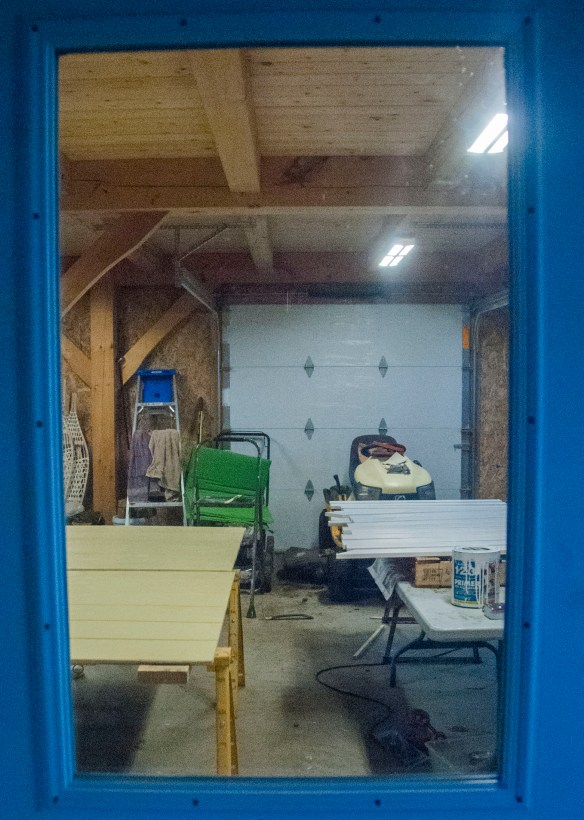
This year we’ll be welcoming the Meandering crowd into our new studio and summer kitchen. Dale Pederson, himself a Meander artist, came with a crew after we worked together to design our new garage/kitchen/studio where the falling down original granary stood on the farm. That old building was a potential death trap, and I was a happy man when the man with the backhoe came to raze what was left of it after we had removed the usable “barn wood.” Our original plan was to have it up and ready before the Meander last year. It didn’t happen, of course. Three weeks after the Meander, Dale arrived at Listening Stones with his trailer stacked with the keyed components for a timber frame building.

One of the overviews of the studio loft created through the artistry of Dale Pederson.

One of the overviews of the studio loft created through the artistry of Dale Pederson.

I could easily visualize the ground floor where the garage stalls and summer kitchen are now located, but the upstairs loft was a complete mystery. Dale, and Mike Jacobs, both told me how much space and beauty we would have once the building was complete. Honestly, though, I was totally shocked when I began sanding the floor for varnishing. We had collectively created a serene and beautiful space. Since then, little by little, the studio loft has come together. Early in the summer, following the Brookings art show, my wall-mounted display panels were moved up to the studio where my framed prints were hung.

My newer wire panels were then moved up where the canvases are now placed. Since then a work table was built for matting and working on my prints. Then an “island” console was built around one of the foundation beams where I can exhibit my calendars and cards. I also built a bookcase, although it won’t be ready for stacking books before the weekend.

Hanging the work left over from the last Meander was quite helpful, much of it now replaced with new images. At least 80 percent of my  framed prints are new, along with several new canvases. Also on the walls are several smaller framed prints along with eight recessed and floating metal prints I’m experimenting with. This is an idea gleaned from an earlier show by a glass fusion artist this spring.

Having a separate space for the crowd will no doubt make the Meander even more enjoyable for us this year.

Having a separate space for the crowd will no doubt make the Meander even more enjoyable for us this year.

Also new this year will be series of six posters that join my images with poetry written by regional poet Athena Kildegaard, who has published three books of poetry with a fourth scheduled for this winter. We are all extremely excited about working together on this project, and those who have previewed the posters have raved about them.

A visitor to the bird feeder, in front of the display of the new posters created by poet Athena Kildegaard and I.

A visitor to the bird feeder, in front of the display of the new posters created by poet Athena Kildegaard and I.

Yes, this has been fun and creative year in the field, and many of my new images are part of my show at the Meander.

But, this isn’t just my show. A huge part of our “farm plan” is to mesh art with good, organically-produced foods from our Listening Stones Farm. Indeed, this Meander will be our first real shared venture, for which we’re extremely excited. If by any measure I can be considered as artist, rest assured that my efforts pale alongside Rebecca’s. So much goodness, all grown from the heart. We are now on the “eve” of our “artist harvest,”  And we can hardly wait (despite that natural anxiety) for all those folks who will make the effort to venture up to visit our farm during the Meander. Hopefully they will have as much fun as we will!

A Long Goodbye

Years ago I walked into the office of my little country weekly one morning after a trip to Boston to find laying across my organized chaos a long black tube. Instant curiosity got the best of me and I quickly unscrewed the cap to find a beautiful antique bamboo fishing rod complete with both tips.

“Where did this come from?” was my question for a co-worker.

“Some guy dropped it off. He said you’d know who it was from.”

So began a long mystery, for there wasn’t a clue. No note. “Some guy” isn’t a vivid description, even in Minnesota where vagueness has evolved into a cultural art form. Whoever the mystery man was he would have to know me well enough to know that I was a fly fisher and had an appreciation for such a work of art. Later in the afternoon, I took the fly rod from the case and rigged it up with a five-weight line and laid out some line. While my practiced, piston-like casting doesn’t lend itself well to bamboo, which performs so well with an easy and rhythmic motion, there was quality in the workmanship. This was a fine rod.

The bamboo ...

The bamboo …

Perhaps it was two years later while cooking hamburgers along the Minnesota River for CURE’s annual River History Weekend with Jerry Tilden, he lifted his spatula from the grill and said, “Say, did you ever find that package I left in your office?”

“Package?”

“Years ago my father-in-law owned a hardware store, and he had hung this old fly rod up over the fishing gear. When the store sold, Dixie and I brought it home and tacked it up in our house. It has been there ever since. When we decided to downsize and move, I brought it over and left it in your office,” he said, smiling.

A gracious and caring man, Jerry Tilden was diagnosed with cancer seven months ago.

A gracious and caring man, Jerry Tilden was diagnosed with cancer seven months ago.

Dixie is the missus, who I have known for years. Through her I met Jerry. As I was reading through his obituary this week I realized how little I knew about him, of all the civic groups and community boards he was not just a part of, but in all was cast in a leadership role. No, I didn’t know that side of Jerry Tilden. The side I knew was of his stepping forth as a constant volunteer. The side I knew was of his kindness and care. I also knew of his work as a Master Gardner, and of his basement dedicated to the propagation of his vast gardens along the Minnesota River in the Montevideo flood plain. To me it was ironic that a man who didn’t need a nursery had such a wide assortment of flowery gardens right next to one of the more notable nurseries in the river valley.

Yes, there were the burgers. We cooked them together for several years for the CURE event on a grill he transported himself from Bill’s Supermarket in Montevideo. Me? I mainly manned the grill. Jerry? He was multi-tasking, cooking burgers one second, then the next making sure the potato salad was in the right place, or running to assist his beautiful Dixie with some task. That was the Jerry Tilden I knew.

Then there was that Sunday morning when I received a frantic call from a nearby Chamber of Commerce woman who asked if we could quickly put together a canoe trip on the river, that there were three Hollywood actors in town who had expressed interest in doing a paddle. A call was put through to Dixie, who said the canoe trailers were set up and ready, to just come by for the key. Phone arrangements were then made and my “river truck” was aimed toward Montevideo. Dixie met me at the door with one of her beautiful and encompassing hugs, and handed me the keys. When I got to the garage under their Main Street office, there was a flat tire on the trailer.

“Dixie,” I said over the cell phone, “where can I get a flat tire fixed in Monte on a Sunday morning?”

She didn’t know, but said Jerry was on the way down to help. He drove up before I could ring off. Using a jack from my river truck, we easily removed the tire. “Let’s put it in the car,” he said. “I’ll see what I can do.”

“Should I come along?”

“Just stay here with the kids,” he said, because my two exchange students were along for the adventure. Meeting Hollywood actors obviously offered more excitement than homework. “I’ll be back as soon as I can.”

Pai, Hanna and the actors pose with Nicole Zemple ... a trip made possible with Jerry Tilden's switch job!

Pai, Hanna and the actors pose with Nicole Zemple … a trip made possible with Jerry Tilden’s switch job!

Indeed, it didn’t take him long. We positioned the tire and secured the lug nuts and let down the jack. That’s when I noticed the color of the wheel. It didn’t match the trailer, and it was obviously a different tire than we had taken off moments before. “The service station have a spare?” I asked.

Jerry Tilden smiled. “Nah, I just took it off my trailer. I’ll get the flat fixed tomorrow.”

That was the Jerry Tilden I knew. That’s the Jerry Tilden I’ll miss, the man I wish I had known better.

Threading of the Prairie

Life didn’t go as planned one morning this week.

Too much running around, along with a neat and new “art fair” in town in the afternoon, made for a rather inefficient day. Plus, Rebecca had a meeting about two hours from here and pulled in near dark, so getting the gear up and ready for our annual butchering the chickens “day” simply didn’t happen. Oh, we were up early and eager, then looked at one another and made an almost unspoken consensus before Rebecca verbalized an obvious truth, “I don’t think we’re ready, or can be ready, in time to get much done.”

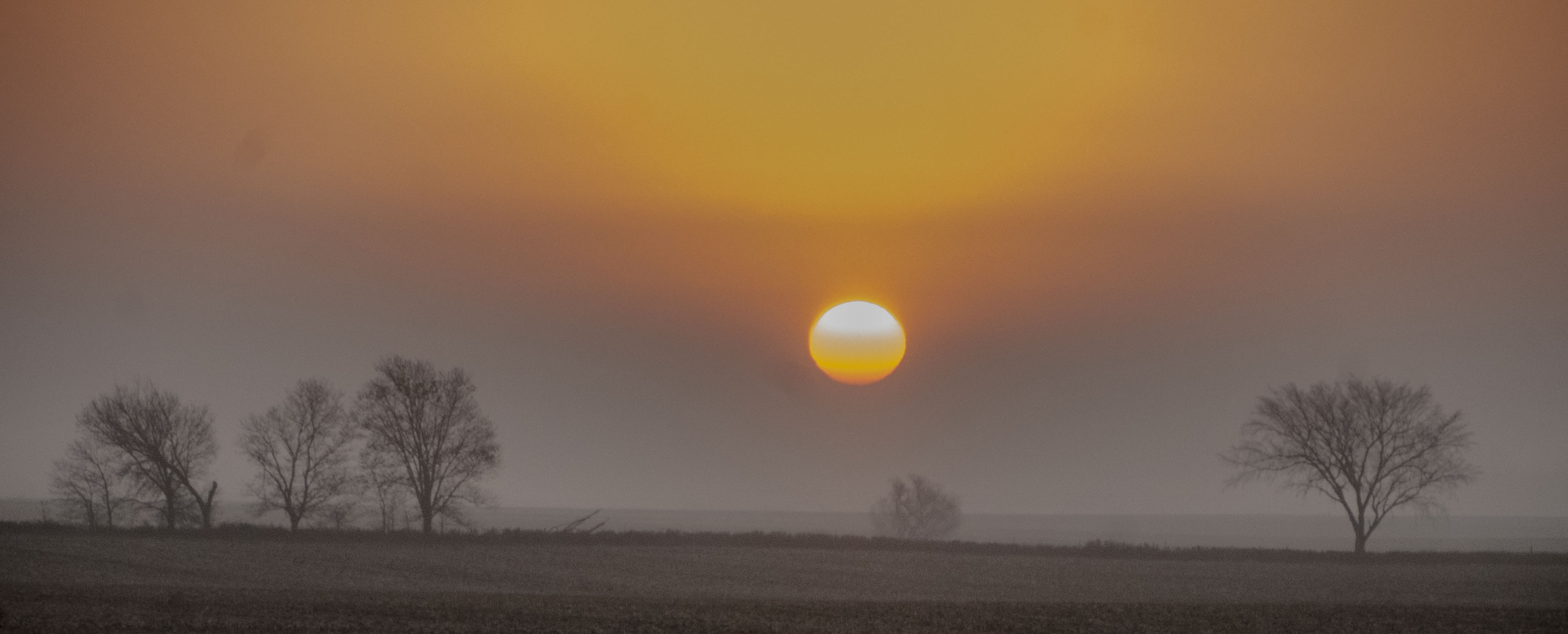
A fine reprieve, for from the moment I rolled from bed I had my eye on our prairie, for we awoke to a dense fog. On one of our last beautifully dense fogs I had a meeting in Redwood Falls and cursed myself on the entire drive down. I love fog, although not driving through them. One of my favorite fogs in my lifetime was in the Sand Hills of Nebraska, a day when the rolling dunes of fenced grass became a dreamy landscape. I’ve long lost my boxes of Kodachrome slides, though I can recall many of the images. One in particular was of a white horse by a willow, both in front of a distant red barn just visible in the mist, all dreamily captured in muted and mellow grayness.

Yes, we have a richness of color in our prairie this time around.

Yes, we have a richness of color in our prairie this time around.

By the time of our decision the sun had risen to give our prairie a glistening sheen. Partly from the remnant moisture from a brief shower from the night before, and party from a dense dew. With the scheduled pressure off, I took my camera to wade into the dampness where the grasses and forbs mostly towered over me. We have an amazing growth in our prairie.

We also have good color in our prairie this year. Last year we grew weary of the constant quilt of yellow. Oh there were occasional peeks of purple, and a persistent white prairie clover here and there, yet the dominant color was yellow.

Our shy spiders were deft and creative.

Our shy spiders were deft and creative.

This year, though, we have no complaints. Lavender bee balm pokes throughout, and so do many other colorful blossoms. While my focus has been on finding interesting individual plants, and in particular photogenic composition of parts of those plants, as well as the quality and color of light, these past few days my attention has been drawn to an overall colorful palate of our prairie.

The threading tied the prairie forbs together like a natural quilt.

The threading tied the prairie forbs together like a natural quilt.

This was where I was mentally on this morning when I began to notice the threading of our prairie. It all began innocently enough, for as I walked through the partially regrown path Rebecca had mowed through our grassy jungle I found gateway after gateway blocking my progress. I found that these creatively spun spider webs would collapse beautifully, opening just like a gate, if you pulled on a strand off to one side. This was no less amazing than the immense number of webs and threads spun throughout. Single strands were drawn between leaves of one plant to another, and in other places, more ingenious geometric forces were obviously at work. At one point I turned, and with the back light from the sun and the definition provided by the beads of dew, I realized I was literally surrounded by what must be millions of spiders, all hopeful of capturing an unaware gnat or mosquito.

While it is fun to watch the acrobatic flight of the many swallows we have flying over the prairie on any given summer evening, we were equally amazed one day late last summer when Rebecca noticed the thousands of dragonflies buzzing over the canopy of the prairie. Perhaps we should add those amazing spiders … all obviously much too shy to show themselves on this cool, damp summer morning.

Using the web strands in the composition was interesting and fun.

Using the web strands in the composition was interesting and fun.

Continuing down the path, I kept making photos here and there of various flowers, and as I did I realized I simply couldn’t take a picture that didn’t include some spiderous threading somewhere in the image. So I began to play with the light and dew, using the threads as parts of the composition. A little further along I came upon two of those iconic full spun webs, which with the dew and the light from the rising sun, sparkled like a jeweled necklace awaiting the adorning of the neck and bosom of a fortunate maiden!

Later I climbed our septic mound for the height and shot a few frames I hoped would more clearly define the immensity of the threading and webbing I had discovered on my foray.

A multi-jeweled necklace awaiting the neck and bosom of a maiden ...

A multi-jeweled necklace awaiting the neck and bosom of a maiden …

When I came into the house, I suggested that I had learned how grassy prairies were held together over the eons. It wasn’t the bison herds, nor the vast jungle of rooting from the prairie grasses and forbs, nor the lightning fires refurbished those matted slopes. No, for it was plainly obvious the entire biome from the High Plains to the towering and forested Appalachian Mountains, from Saskatchewan flats to the piney hills of Texas, had been sewn together by an incredible group of shy Arachnids.

While this captures a small portion of our prairie, on this morning our entire eight acres seemed threaded together by the hard working spiders throughout!

While this captures a small portion of our prairie, on this morning our entire eight acres seemed threaded together by the hard working spiders throughout!

Indeed, it had been my good fortune to have just witnessed the vast threading of the prairie, stitching together that vast quilt of grasses and native flowers beneath the deep, blue skies!