Unknown's avatar

About John G. White

Somewhat retired after a long award-winning career in newspapers (Wisconsin State Journal, Dubuque Telegraph-Herald, Denver Post and a country weekly, the Clara City Herald). Free lance photographer and writer with credits in more than 70 magazines. Editor with various Webb Publishing magazines in St. Paul, and a five year stint as editorial director at Miller Meester Advertising.

A Calmness in ‘Colorful Silence’

There, at the foot of my driveway, came an unexpected moment of peace. Drifts from the seemingly endless winds had edged the blowing snow over the rise and into the lip of our south prairie in near parallels, forming a fan-like array. I was en route to the mailbox as the sun was lowering into a sunset. Fortunately I had my camera along. A quick single paragraph back story:

Moments before I had looked through the plateglas window of our kitchen when I noticed odd poetic lines crossing a smooth expanse of snow. A “blue hour” color tinted the snow. At the moment and the distance it was difficult to see what might have created the burrowing lines, so I quickly dressed for the elements and grabbed my camera. Closer to the two inch depths of the lines were literally thousands of tiny paw prints. Voles were my assumption. Just beyond the half tunneled lines were telltale rabbit prints, which were enormous compared to those inside the small crevices. It was moments later that I came upon that unexpected moment of peace.

It was impressionist artist Henri Mattisse who noted that “a certain blue enters your soul.”

From the “snow waves” at the foot of our driveway.

Was that my “certain blue?” This was late afternoon mere hours after the brutal murder of Alex Pretti in Minneapolis, the second of two ICE murders and the third resident ICE had shot. Renee Good’s murder, and the short film of her comment to her killer seconds before she was murdered, was challenging enough for my son had lived for a few years within a block of her murder. Pretti’s murder two weeks later hit me almost in the same manner as the second plane crashing into the World Trade Center. This time the attack against our nation was from within, perpetuated by our own president and his minions. After plodding through a trying day of distress came this unexpected sense of calm.

As this wave momentarily washed over me my breathing was easier. That cloud of discontent and anger was slightly lifted. Bluish colors eased from the images an hour of so later when I brought them up on my computer along with various shades of violets streaking through. Although I had driven and or walked past those drifts a few times before, there was hardly a reaction. Which made me wonder if the colors could have possibly created such a near instant sense of calmness?
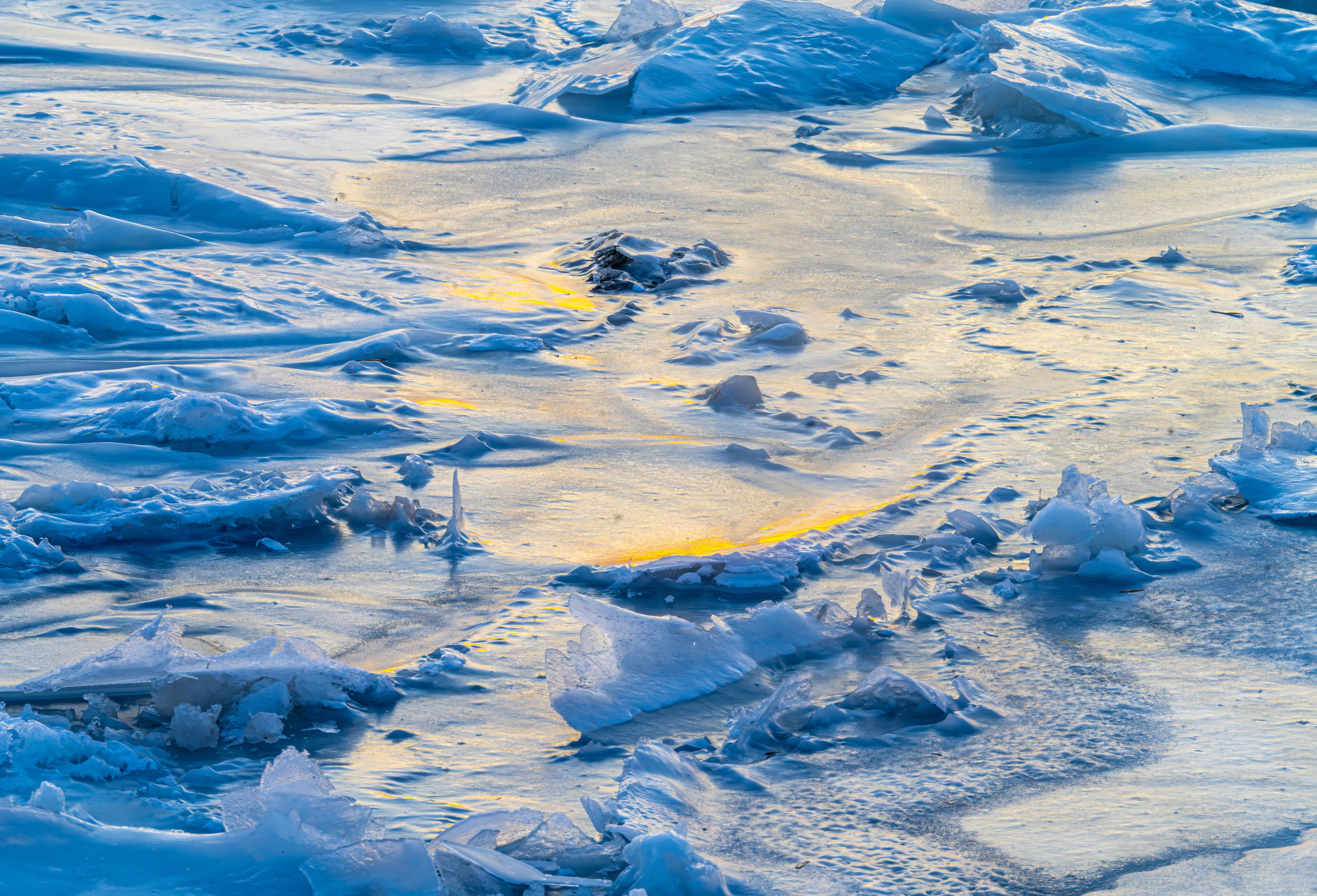
The yellow light seemed a beacon of hope on the day of the Winter Solstice.

A study by the Moffit Cancer Center found that colors can affect your subconscious, and the color blue is strongly associated with peace, calm, and tranquility, evoking feelings of serenity, stability, and relaxation. Shades of violet, or purple, adds the Center, can evoke spirituality and inner balance. Perhaps that might explain the psychological finger-snap of calmness I had felt.

Other colors the Center says may have a similar impact: Green represents nature and offers a calmness and restfulness, while lighter shades like soft pink may promote physical soothing, and even white symbolizes peace through symbols like a dove. Snow and ice perhaps isn’t quite as soothing and comforting as, say, Richard Bach’s “Jonathan Livingston Seagull.” 

According to their website, yoga mat company, Manduka, did numerous studies on the affects of color as they searched for hues they felt would create a more mellowing mood for practitioners, and blue was among their favored colors.
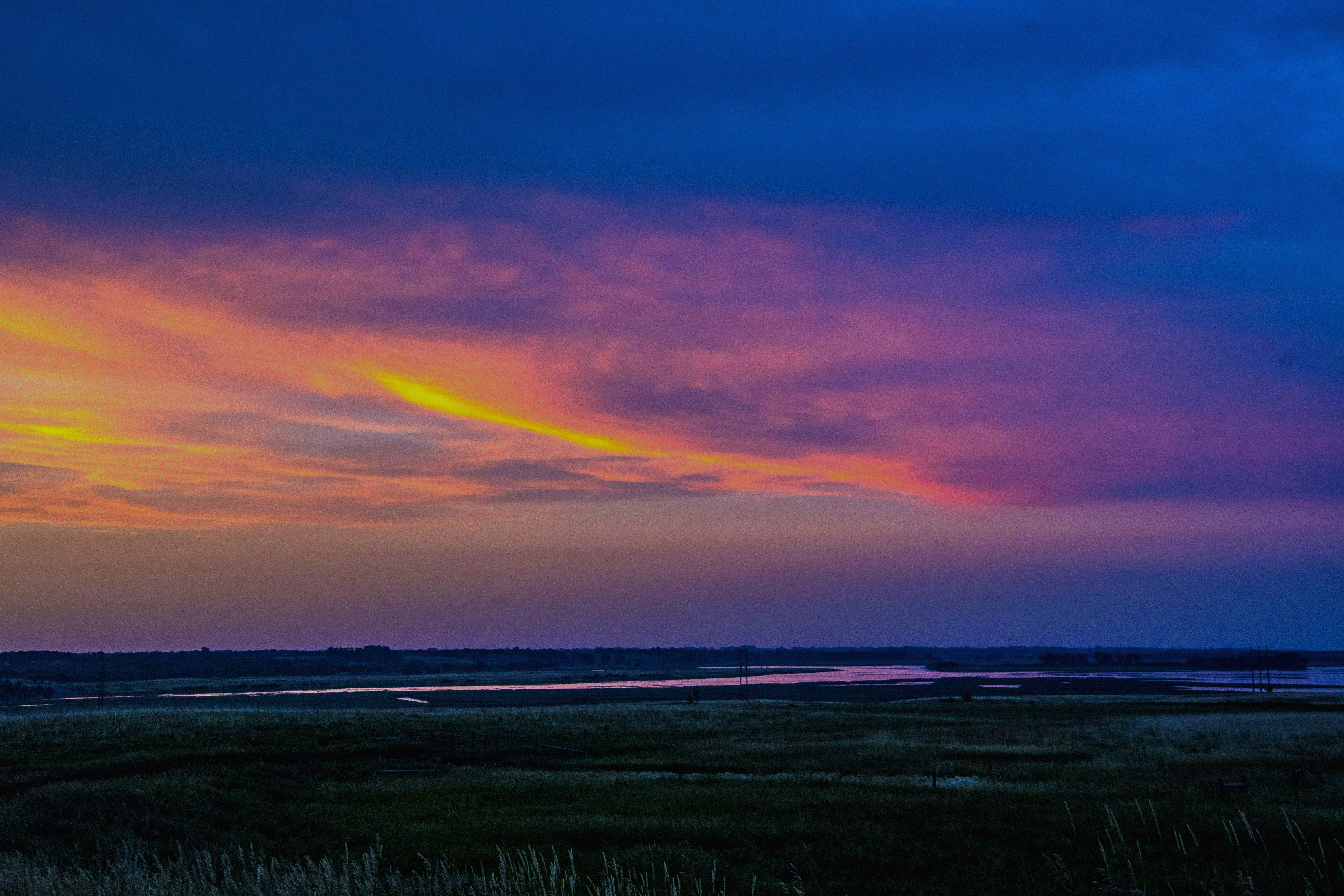
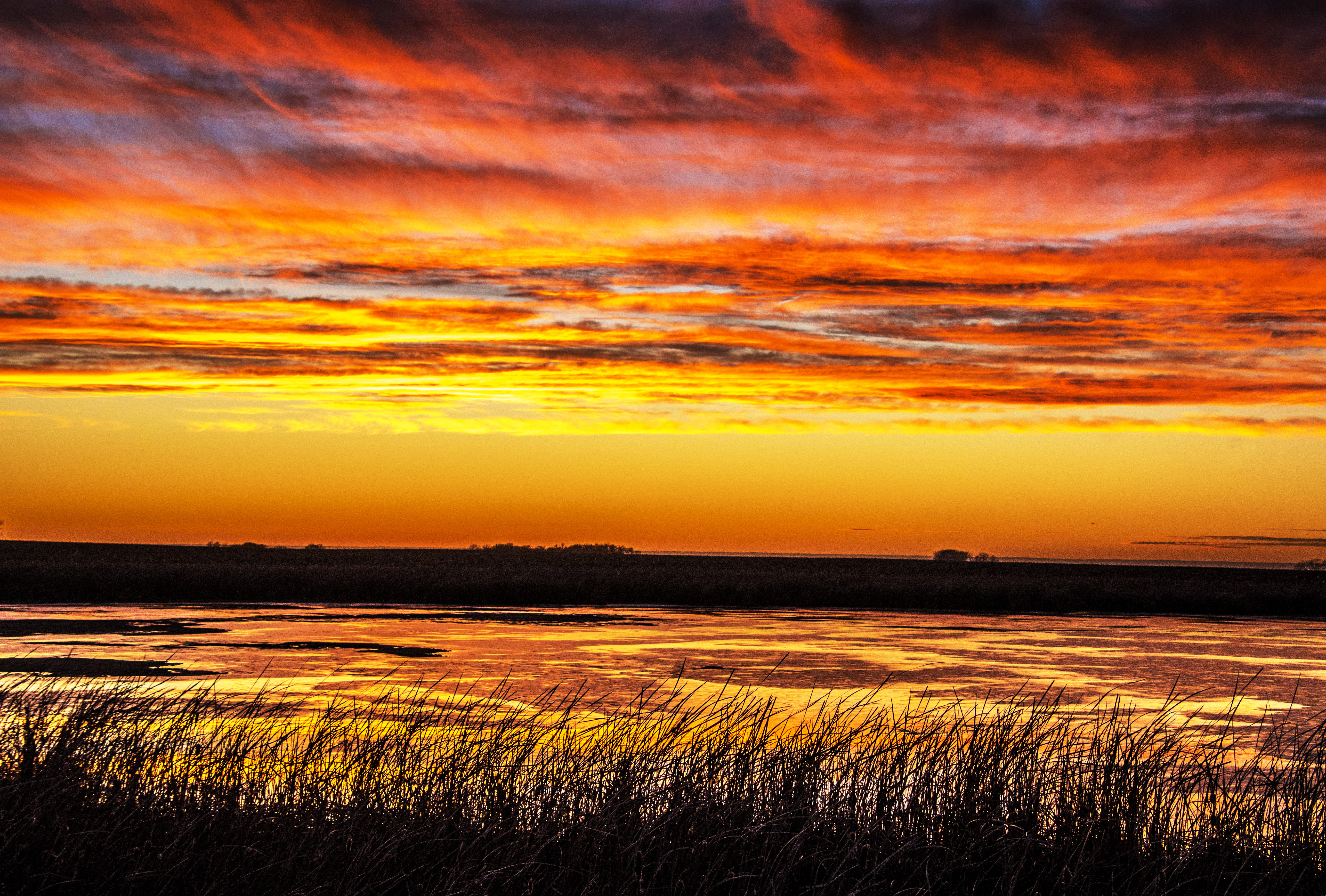
An ambient sunset over the Big Stone National Wildlife Refuge.

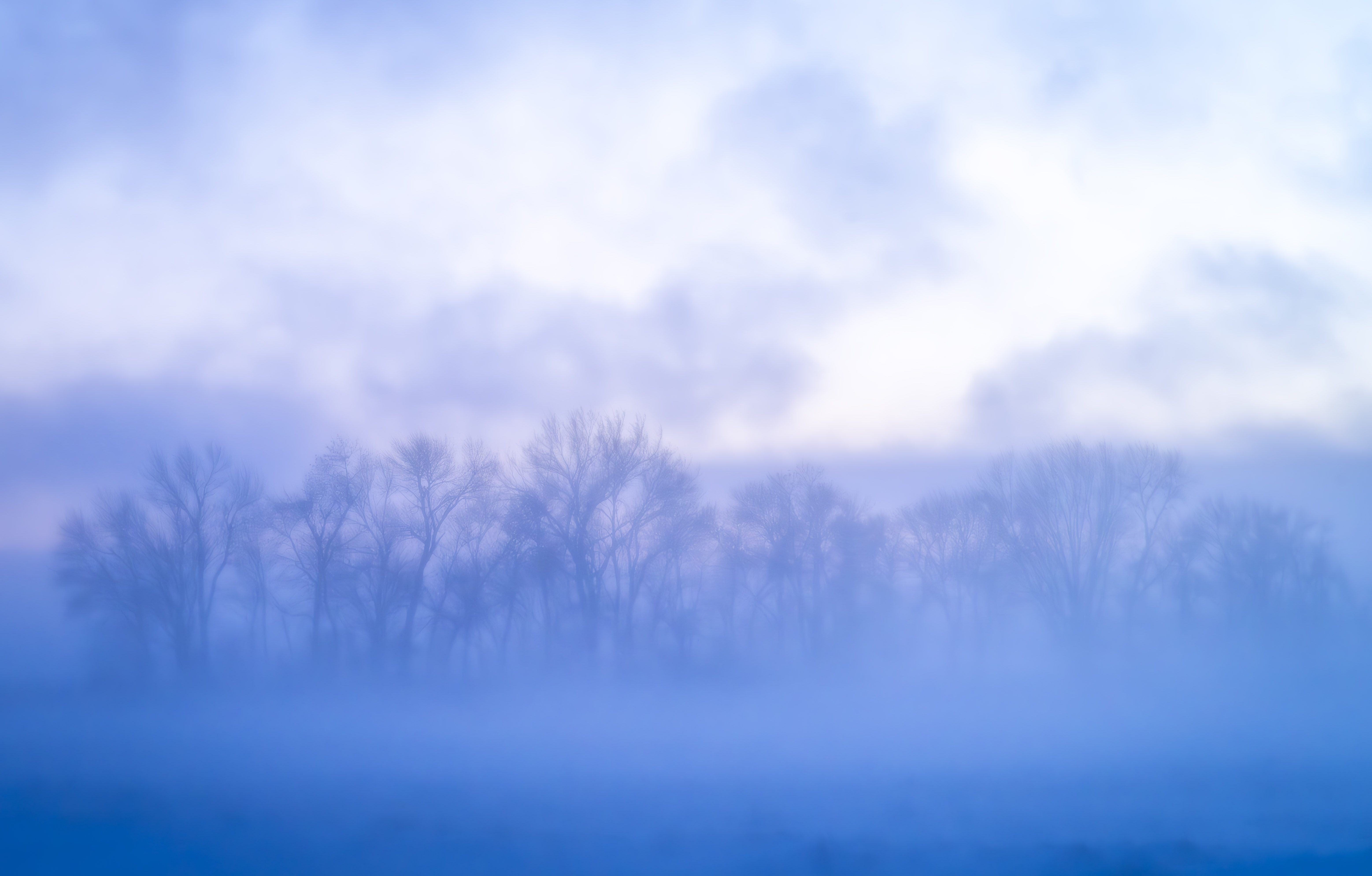
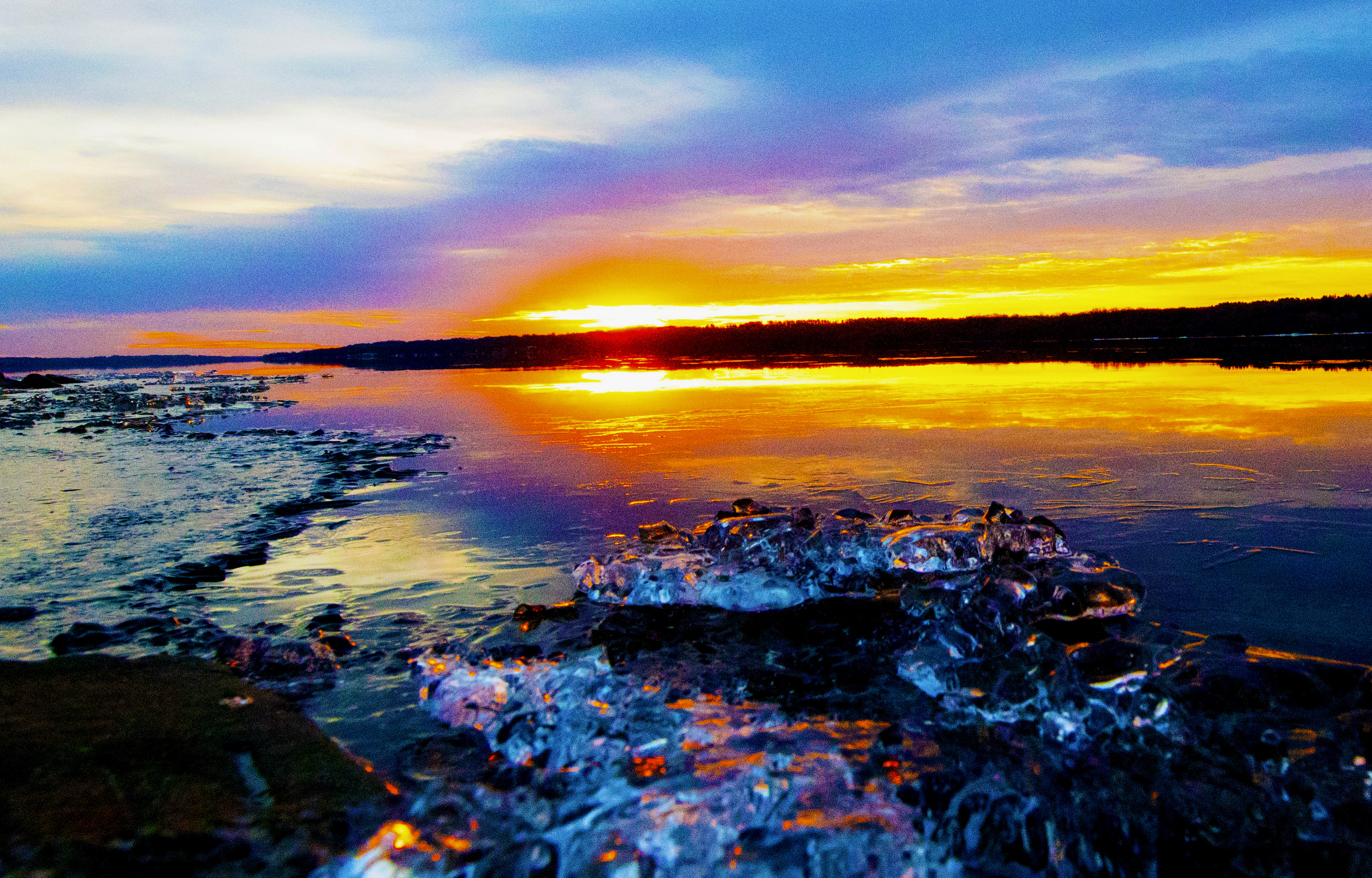
Enough of science. How does this fit into the spectrum of the arts? After looking at the colorful blue and purplish sunset colors amplified by the wind waves at the base of our driveway, a quick review was made of some of the earlier images that had affected me at some point. One example was a Winter Solstice image taken last December. Although I had visualized a different image, a walk to the river’s edge allowed me to find a slight hint of yellowish light in the midst of a jagged ice floe bathed in a soft blue. That yellow seemed to symbolize an emergence of resistance in the depths of the blueish ice ­— this was barely a week after ICE had landed in Minneapolis, and only a few weeks before their two murders. Within the comfort of blue the yellow seemed a beacon of hope.

Impressionist Claude Monet described such a sensation as a “colorful silence,” while Ralph Waldo Emerson noted, “Nature always wears the colors of the spirit” while capturing the serene, grounding influence of softened hues. 

As I look around in these dour and dangerous times, there seems a need to find a some sense of inner peace and comfort. Moments in nature are offered as a way as do colors. Mine momentarily came in remnant colors of a sunset on a cold winter afternoon at the foot of our driveway. And a day or so later, walking along the edge of the prairie as evening settled in came another moment of calm that is much more common, that of what a young friend once labeled as a “rainbow” sky ­­— those “twilight hues” of softened blues that meld into a soft violet along the prairie horizon as darkness settles in. I have a deep longing for such moments.
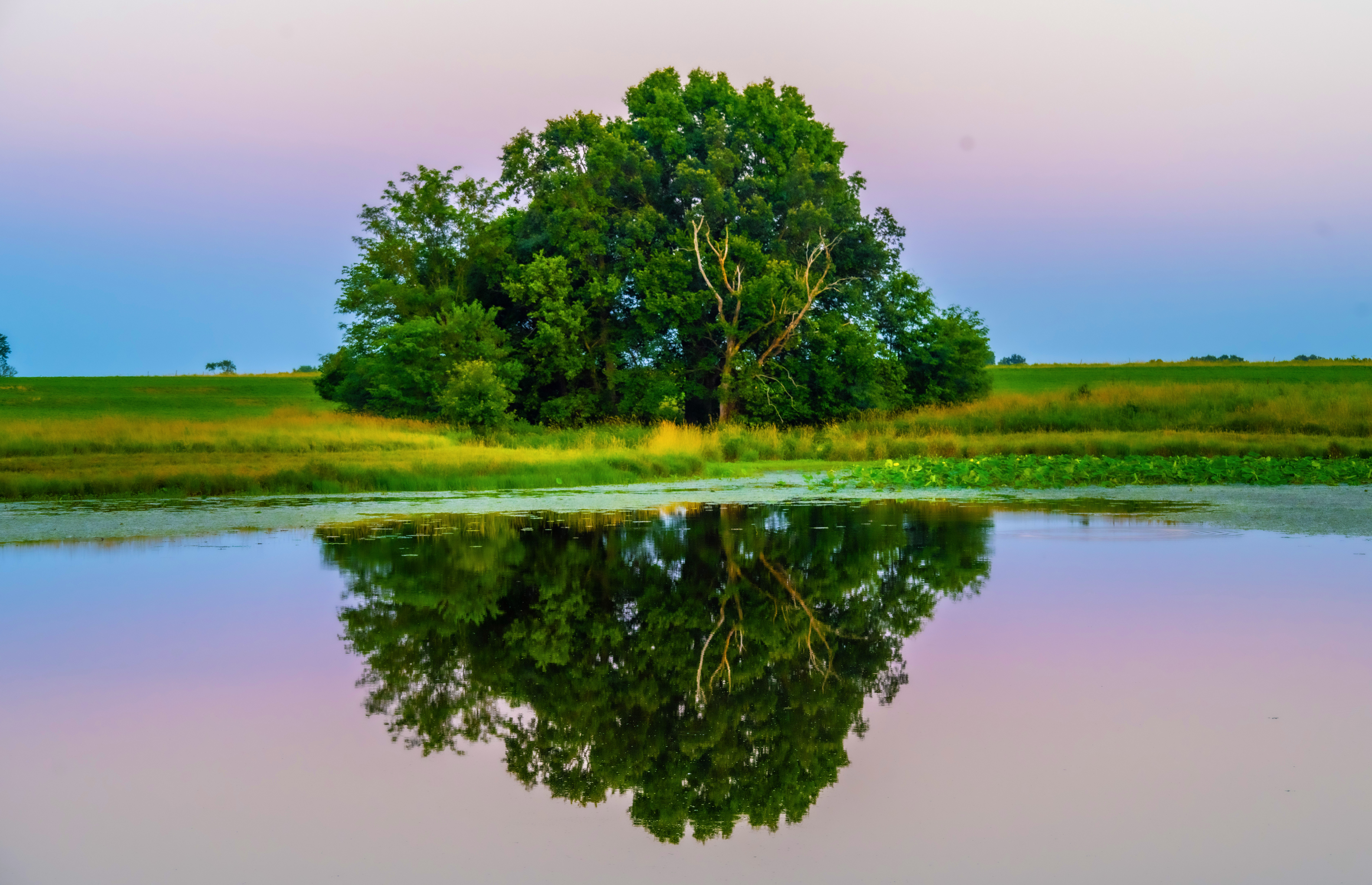
A ‘rainbow sky’ above our family’s Shagbark Waters farm pond.

Long ago my eyes were drawn to the eastern sky more so than a setting sun, seeking those ambient and softened colors along  the horizon, those same twilight colors I remember from my teenage years while casting flies close to the cattails of a farm pond and feeling the coolness of the evening surround me. That softened violet that yields ever so slightly to a milky blueness, of how those pastel colors of an approaching evening would slowly ebb away the cares of the day. Yes, Monet’s “colorful silence.”

Unless we are blanketed with deep cloud cover, the beauty of ambient colors banking off distant clouds in easterly skies have captured me for decades. Then there are those rare moments of being unexpectedly surprised by the soft blues and purples in wind blown snowy drifts that offers a sudden calmness in the midst of our nation’s turmoil. In these changing times. In these times when a hint of “colorful silence” seems a blessing.
In Times of War

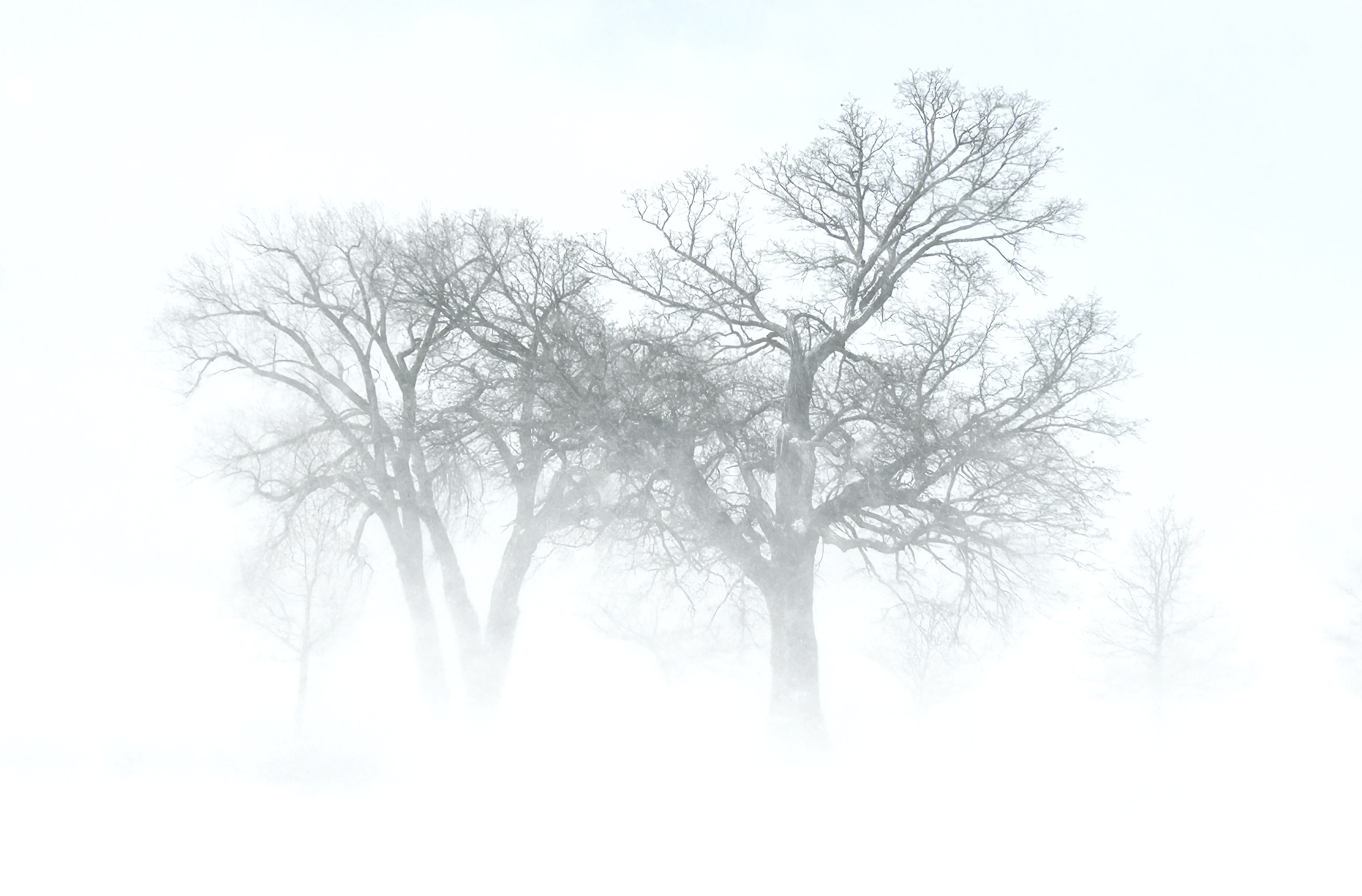
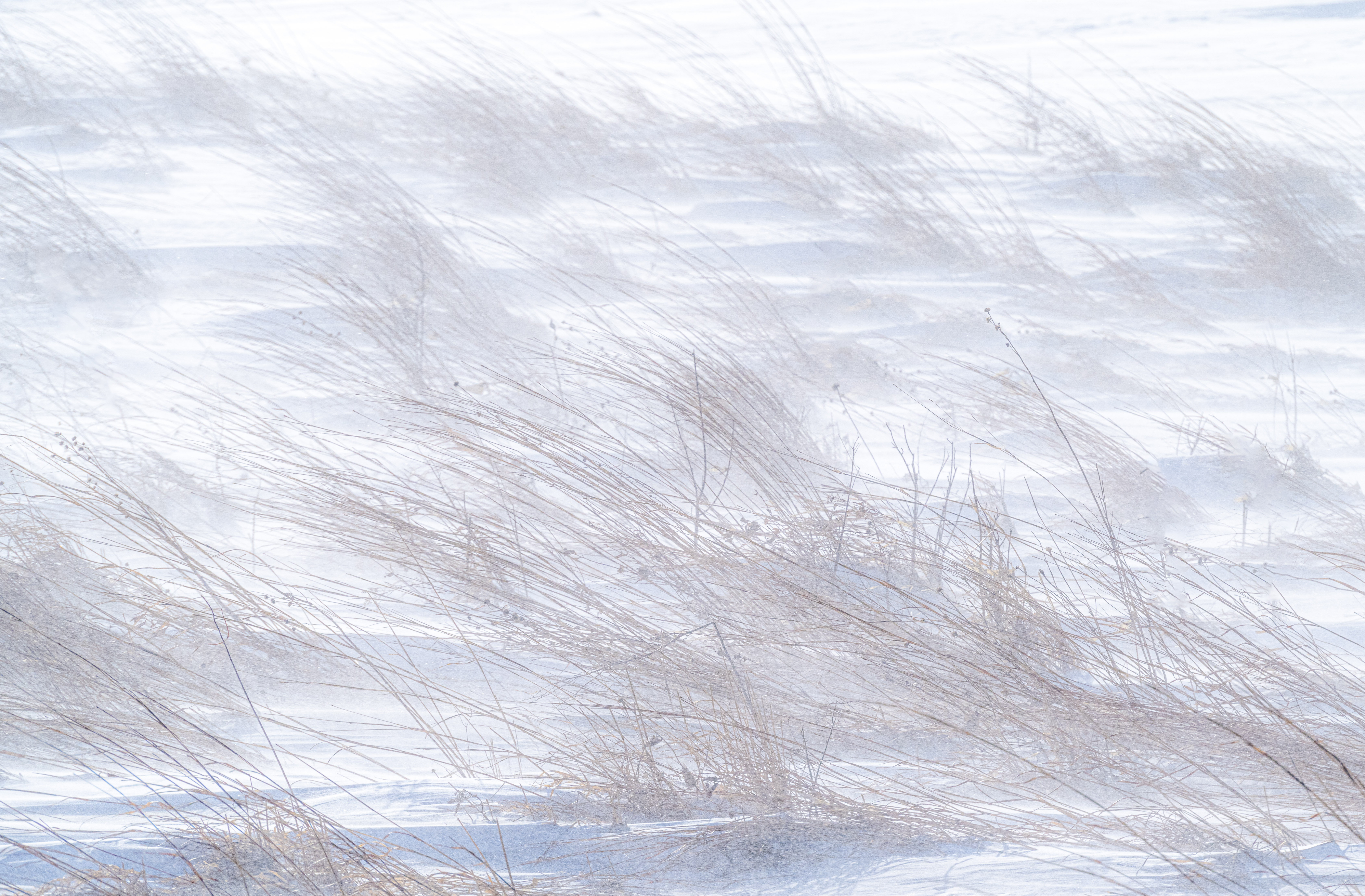
Most of our recent days have us enveloped in frigid, icy whiteness due to drifting and blowing snow, obscuring the normally visible including our roads, nature and landscapes. During a blow we can barely see our mailbox about the distance of a football field away. Temperatures are well below the comfort of humanity. Forecasts for the Ice Out protests on Friday suggested the coldest temperatures of our current winter will be accompanied with staunch winds. Meteorologist Paul Douglas suggested in a weather column this week that these will be the coldest days of the past seven years.

Frankly, though, I am thoroughly ICE-d out and in need of escape from the inhumane war being waged against our beautiful state by our Federal government. It’s a chore to handle reading the first five or six pages of our two dailies with our president threatening NATO allies and projecting wars not only here in Minnesota, but wherever his newest fantasies of taking over the world suddenly enters his fevered mind. I’ve been in need of nature, or whatever I might see in it within this haze of snowy whiteness.

Rather than fight my rage or cocoon indoors, I’ve instead taken to the country roads where if one ventures slow enough and can still see the grassy edges alongside the gravel, that beyond this narrow measure of suspected safety there might be some interesting imagery to capture. Of course, such conditions mean you must travel with your headlights on and with a prayer or two. Not just because of potential traffic. Combining these temperatures and winds, a simple, costly mistake might be deadly.

For example, my driver’s side window on the pickup seems to be permanently frozen tight against the frame. This means that for an unobstructed view with my camera I must exit the warm comfort of the truck into below freezing temperatures and wind gusts up to 40 mph. Locking myself out is a constant concern. This combination of factors literally takes your breath away and causes your heart to pound. One wouldn’t survive long in these conditions, which causes me to shudder at the thought for those who are unfortunately homeless, or thrown into an ICE truck or unheated compound, and I remain wholly respectful of friends and neighbors who have pledged to protest in the streets of the Twin Cities.

Unfortunately accidents can happen and do so quickly. A day or so ago I stopped for the mail and an advertising newspaper supplement and a few envelopes blew from my hands. Fortunately big bluestem came to the rescue on the envelopes so I didn’t have to wade into the deep, blowing snow out into the open prairie to retrieve them. The supplement may have ended up in Lac qui Parle or Chippewa County many miles to the south. My sincere apologies for littering!

While I would prefer tracking down trophy bucks who have yet to shed their antlers, or some nifty and shifty colorful birds, finding imagery in this whiteness has been somewhat rewarding. These weather-related factors offer varying views of what is commonly seen. A few years ago on the way home from Sioux Falls on a foggy morning my eye caught a glimpse of a wind turbine barely peeking through the grayish haze. Fog covered the base and most of the tower and pushed down from above as I pulled over with my camera. Seeing only portions of the upper third of the turbine seemed otherworldly through the halo of haze.

I’ve found a similar view of several nearby trees these past few days as mystic and barely visible views have momentarily peeked through this wind-driven whiteness. Prairie grasses have bent to the elements as the rasping particles of icy snow knifed through the matted vegetation. Birds hunkered low behind thick branches and leafy clusters, feathers fluffed in life-saving protection, hopefully with long enough soft quilts of down feathers to cover their bony legs as much as possible to prevent freezing. Some hide beneath our deck, too, with the feeders mostly devoid of even sparrows. Occasionally a nuthatch will bounce from the haze to quickly perch for a “happy” meal.

This is, as the old prairie people like to say, a short world. It’s not unlike fog, though much more dangerous. Fog rarely survives in such temperatures. Not around here. We don’t have a lake effect similar to Superior, yet the snow haze seems foggy enough. Almost a pure world of whiteness, except for when you linger over an image where hints of brown, a khaki-looking brownness, shows through. Dirt. Poor dirt after years of indiscriminate farming practices. Yes, dirt is blowing, too, except where stalks were left standing after harvest or the farmer has planted a cover crop.

On a recent clear morning following a staunch eastern windy whiteness we awakened to nearly a millimeter of dirt covering our prairie and lawn. Later that day on a drive between wind storms into the black desert to visit an ailing friend, the winds had provided some interesting art of erosion scenes, particularly on US 12 between Sacred Heart and Hector. I longed to have my camera along although I have a library full of such fearful art.

Often I’ll look out our kitchen window, especially around sunset when sometimes a hint of color breaks through the haziness along the horizon. Perhaps the only light and color of an entire day. Some moments overtake me as I rush into my warm outerwear and head for the truck. Rarely do I leave the end of the driveway for in these winter months a farmer’s windbreak across the gravel seems to align well with the momentary light and clouds, yet on the ground snow continues to flow and blow, with way too much velocity to settle into a drift.

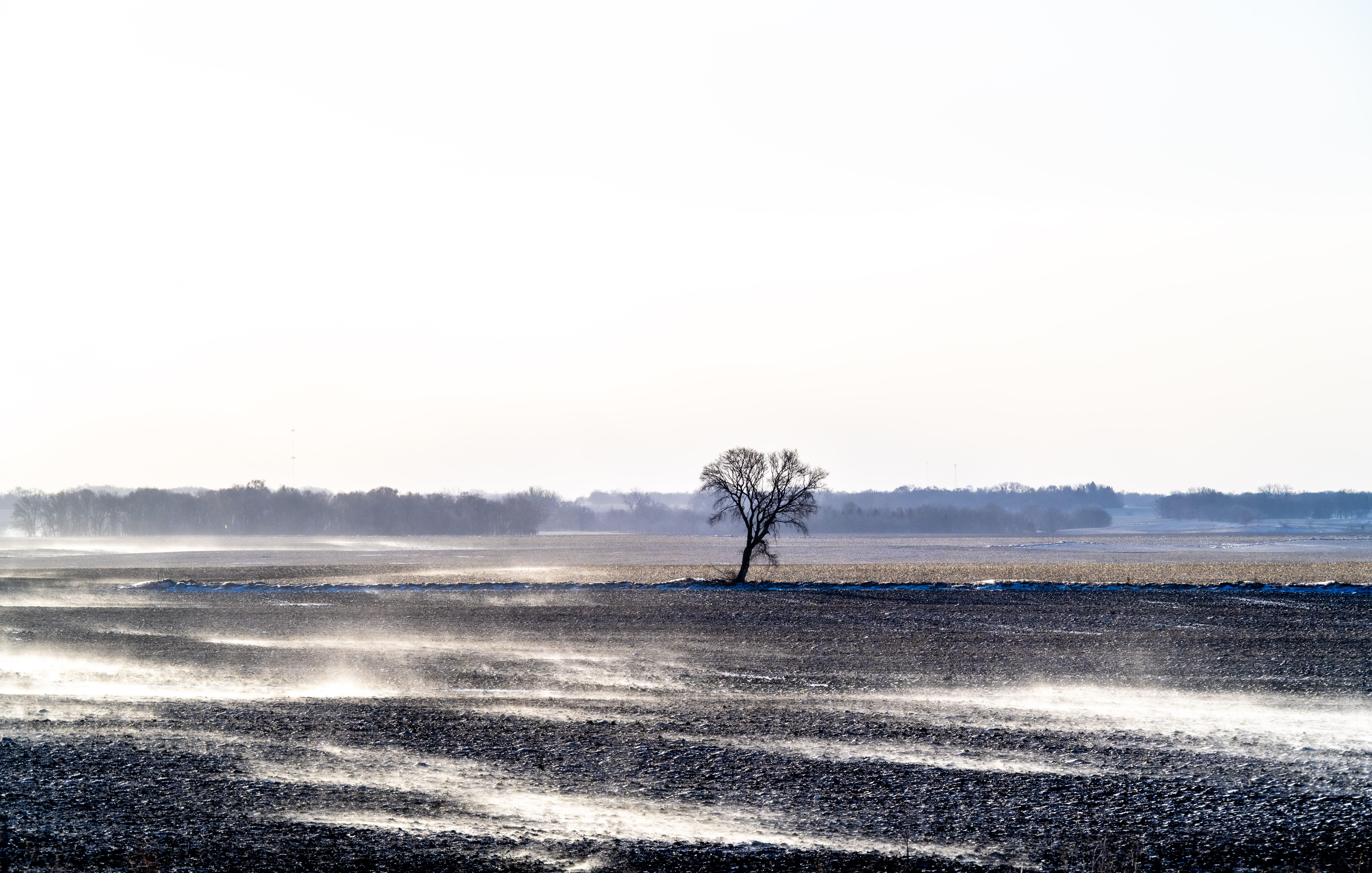
This morning there was a break in the whiteout, and looking out my office window at a lone tree in the distant former fence line, herringbone patterns of blowing snow shifted across my neighbor’s tilled crop field. It was like watching an earth-wide kaleidoscopic show as snow glided across the barren soil, whorls feathering above the driven flow, with that lone distant tree anchoring the distant view. Although I tried, capturing this winter-land magic in a stilled image, it didn’t come close to portraying the actual beauty of the moving magic. 

Snow flakes are said to be truly unique individually, offering microscopic magic without compare. No two are ever alike, according to visualists far more adept than me. Out here in the prairie our winds win over that crystalline magic and beauty, collapsing the individual crystals into waves of turmoil and gusts of obscurity. Either offers a glimpse of poetry. Winter, and snow have given poets, songwriters and word smiths muse for centuries, yet whoever pinned this following piece may have been speaking for a lot of us in Minnesota presently as we fight against both the icy wind-blown weather and our president’s storm trooper-ICE mugging and murdering us on our streets and communities: 

“A snowflake is one of God’s most fragile creations,” the saying goes, “but look what they can do when they stick together!” 

As with a prayer: “Amen!”

Of Fire and Ice

(To those readers who enjoy my nature thoughts and writing, my apologies. I feel a need to offer my thoughts on our obscene political situation. With hope and prayers, maybe we will return to more normal times in the near future.)

An image from a few winters ago came to mind this week during the atrocious armed invasion of the Twin Cities, one titled “Fire and Ice.” In search of this particular photograph taken during a bone-chilling sunset over an ice-crusted wetland just north of the farm, I came across a few others. Contrasts of imagery.

Then, Robert Frost’s short poem, “Fire and Ice,” came to mind, all of which resonates since our “president’s” war-like efforts are now focused not on oil-rich Venezuela but rather on our state, perhaps one of the most peaceful places I’ve ever worked or lived. Every day seems more catastrophic, and now the White House is threatening the “Insurrection Act” … a move that speaks of the waging of an internal war on our own people, or more to the point, a collapse of the long-standing firewall between civilian life and military control.

Within his six lines of poetry Frost wrote: “Some say the world will end in fire, some say in ice.”

Capitalize “ICE” and you begin to wonder if the long-passed Vermont poet might have unwittingly forethought our peaceful city’s fate, at least a peace that existed before ICE was sicced upon our communities, schools, restaurants, hospitals, churches, shopping centers and streets where they murdered a young mother who had just dropped her child off at a neighborhood school. Read that list again. Three bullets in the head within seconds of her smiling and saying, “I’m not angry with you … “ Boom! Her car, and all those places in the neighborhood should suggest a harbor from fear and terror and being murdered by unruly storm troopers especially in the United States. 

Of course, unless you’re among our brown-skinned Natives, Blacks and now immigrants who all know that safe havens simply do not exist. And unscrupulous tricks and techniques are now being used to kidnap the unfortunate.

That murder was last week. Overnight in a nearby neighborhood war weapons were exploded on peaceful protestors who had taken to the streets in vast numbers, weapons masked ICE troopers deployed on unarmed observers after a fight broke out during an attempt to arrest a Venezuelan immigrant who, in the process of an illegal entry and arrest, was wounded by a gunshot in the leg. And now we face a threat from our unhinged president of having our national troops deployed against those protesting these illegal ICE tactics, all by a man who laughingly feels worthy of the Nobel Peace Prize!

This seems more of a move to harm a “blue” state and our governor, who was a vice presidential candidate on the ticket opposing Trump-Vance in the last election, Governor Tim Walz who is a decent man who has led investigations into a claim of fraudulent activities by alleged Somalian immigrants during the Covid years. 

Washington alleges that this storm trooper invasion and threat of war is about illegal immigration. Federal data pinpoints that only 0.9 percent of an estimated 14 million undocumented immigrants in the nation live in Minnesota based on 2023 statistics. In realistic numbers, 130,000. In contrast, pro-Trump red states Texas and Florida list two million and 1.8 million immigrants respectfully. Is this federal invasion in our Twin Cities about controlling immigration? Want to invest in a bridge from LA to Hawaii?

These threats and attacks against peaceful protestors, a murder of an innocent mother by ICE, elementary and high school students nabbed out of schools, patients pulled out of hospitals, workers including roofers pulled off roofs and out of factories, and now, just people minding their own business being attacked unlawfully. Don’t believe it? This report was in the Star Tribune this morning of a family returning from a basketball practice and unwittingly got caught in the mob: “A family with six children in a van caught in the clash last night were hit with tear gas and air bags detonated by a flash-bang grenade. Three of the children, including a six-month-old infant, were taken to a hospital by ambulance for treatment. ‘My kids were innocent. I was innocent. My husband was innocent. This shouldn’t have happened,’ the mother told Kilat Fitzgerald of Fox9 in Minneapolis. ‘We were just trying to go home’.”

Fire or ICE? 

In truth, out here on the prairie we have our sunrises and sunsets. Life hasn’t changed a whole lot. The son of a friend and neighbor who has worked in relief efforts in war-ravaged Ukraine for a few years now lives a concerning yet peaceful existence on the western border far from the battles in the east. Not unlike life on his boyhood home here in the prairie. That is sort of how this feels here on our little farm.

Reading the dailies is a constant struggle that reminds me that in my son’s old Minneapolis neighborhood a war is being raged against his former neighbors and friends, folks who are observing and protesting both a murder and an insurrection of masked federal agents while facing despair, intimidation and fear of ICE agents who now seem quite anxious to deploy war weapons on crowds of innocent bystanders … and even a family who were simply heading home with their children. 

We now hear that an organized anti-Muslim and anti-immigrant group of counter protestors from around the country will stage a protest this weekend in that same South Minneapolis neighborhood. Observers and peaceful protestors who have been manning the streets and/or following the ICE thugs are now being asked to simply stay home and not confront the out-of-towners counter protestors. 

Tinges of a civilian war? A flat out Blue State war waged by our own government? Fire or ICE? 

Our madman in the Oval Office is, in my opinion, out of control. Deploying our armed forces to invade and capture the President and his wife from their bedroom in Venezuela, threatening to send troops to, ironically, fight the Iranian government who are at war with peaceful protestors that Trump himself has sicced his ICE and now threatens articles of war against in a state of his own nation while subquently threatening to send troops to snatch Greenland from Denmark? This, grant you, is threatening our post-WWII alliance with NATO as those cooperating countries move troops and war machinery into Greenland in defiance of a country they felt was solidified with them against the threats of Putin and Russia. No longer.

Fire or ICE?

Yes, I have used Frost’s iconic poem as a metaphore of our dire times, and that might not be so far fetched if you look at the writing of David Gosselin, an Indiana writer, researcher and poet who wrote: “(Fire and Ice) encompasses the universe and the forces behind the world’s undoing and at the same time peers into the depths of the human soul. Indeed, it is a poem of stark contrasts: fire against ice, the cosmic against the personal, the theoretical against the real, desire against hate.”

We have a madman stroking hatred worldwide, hatred that is now focused on the ground in one of the more peaceful and beautiful cities within our 50 states, one with hundreds of acres of trees, beautiful lakes, fine art, world-class restaurants and people who care about their neighbors; people who are now uniting in ideological protest of a war he is raging against our state that is in contrast with his demented soul … watchful and supportive neighbors who are feeling the “theoretical against the real, desire against hate.”

Oh, and about those images …  may they offer you a moment of peace.

Bouquets for a Murdered Mother

We are living in desperate times, a time when for all practical thoughts and visions our nation is reliving the Nazi takeover of pre-war Germany of the 1930s. Times when a political party and their leader has provoked not only a possible war against another country, but also seems intent on starting one on our own soil. The murder of a young Minneapolis mother, 37 year old Renee Nicole Good, by our president’s “storm troopers” in a South Minneapolis neighborhood feels like a tipping point. 

A few hours later ICE storm troopers raided Roosevelt High School shortly after the nearby murder prompting Minneapolis Public Schools to cancel classes district-wide for the remainder of the week “due to safety concerns.” The district stated it was acting “out of an abundance of caution.” In an American city.

Have we had enough? Protesters filled the neighborhood where she was killed, within a half block of where my son lived 16 years ago before moving to Norway. The noise of protest was loud and crystal clear ­­­— get Donald Trump and Kristi Noem’s ICE out of Minnesota!

A year ago November, the morning after the election when Trump was declared the winner, I left home in my pickup with a need to simply be alone, to seek calm waters. About five miles from here I passed a wetland where I simply had to stop to gaze at the waters. Calm waters. Over the years there was seldom a time when there wasn’t a wind-swept surface, yet on this moment there was barely a wave. A slight breeze riffled a tiny portion across the way as I raised my camera for a picture, an image that has twice been selected as a viewer’s choice in exhibits. That wetland moment was the just the beginning of my quest. Several more prairie wetlands were visited, ones I routinely visit for my art, and on each the waters were calm. Was this an omen? That was my hope. Since the inauguration our lives nationwide have been altered and chaos reigns.

Nowadays my thoughts are to look for guidance from a poet like Mary Oliver, or from a philosopher like Wendell Berry, someone who can offer solace in such troubling times. Or perhaps even Renee Nicole Good, considered a notable poet in her own right. After her thoroughly unnecessary murder by ICE goons, the mayor of Minneapolis, Jacob Frey, in a press conference in the midst of his dismay, shouted for ICE to “get the fuck out of Minneapolis.” A few hours later Governor Tim Walz said he was putting the Minnesota National Guard on alert. Two courageous leaders were standing in defiance of our unglued president, his ass-sucking Congress and Supreme Court, his storm troopers, ICE, and their “Barbie”-like leader, Noem. Will his own party finally take a stand of defiance? As of now, apparently not.

In my reckoning of the election 14 months ago, my expectation were that we would again face uncertain times, much like we faced in his first four year term that ended with an assault on our nation’s capital on January 6, which interestingly enough was a mere five years and a day before the murder of the young mother in Minneapolis. My fears 14 months ago were overshot within weeks of his new administration and is decidedly worse. We awake each morning wondering, “What next? What new horrors will we awake to?” 

Our humane and human safeguards environmentally and health wise have been basically trashed. Vital research has been gutted with layoffs and firings. Basic human rights are seemingly long gone as bigotry becomes wholeheartedly welcomed by his followers and such presidential advisors as Steven Miller. International markets for our farmer’s crops have been destroyed, as have safeguards for our lonely planet.

We have a cabinet and presidential advisors who are either incompetent or are Nazi sympathizers with a published (Project 2025) goal to destroy our government. Our allies, including our neighboring nations to the north and south, have been sullied. Our allies across the Atlantic have wholeheartedly dismissed us as a powerful and friendly nation. NATO has been scoffed at by his administration and the once proud Republican Party. 

His “make America great again” is long past the joking stage. This past week he rose past even Putin to capture another nation’s president and his wife in a midnight bedroom raid and taken over the oil reserves. Does this set precedent of disregard to international (and even our own Constitution) law, to open the doors for Putin to kidnap Volodymyr Zelenskyy of Ukraine, North Korea’s Kim Jong Un to grab his South Korean counterpart, Lee Jae Myung, or even China’s Xi Jinping to raid the bedroom of Taiwan’s Lai Ching-te? Trump’s lawlessness apparently has no bounds and is a threat to not only us in Minnesota, but to humans worldwide.

Those peaceful times, and the calm waters that soothed my anxiety and fears mere months ago are now deep in ice (lower case!). If Good’s murder is indeed the tipping point, what next? Leave the country? I have a son with disabilities including autism living in a group home, which our current health care czar dismisses as a sham. I cannot abandon my son. And now my other son, who married a Norwegian woman and has built a wonderful life in Norway, just messaged me that he has decided to renounce his U.S. citizenship over this murder in his former neighborhood, on streets where we have walked together as father and son in search of a good immigrant-owned restaurant. This one hit my heart nearly as hard as watching the endless reports on the ICE murder.

My sincere hope is that justice will be served for the murder of Renee Good, that Congress will finally step up to oust Trump and his so called cabinet, and that the threats against our neighbors be they other nations, our immigrants and even our own communities will cease. My desire is to see Trump, Noem and the alleged shooter, identified as Jonathon Ross, imprisoned. Perhaps that will be the light “in the midst of darkness” as Gandhi once suggested. 

Not of flowers, though perhaps a memorial … and a message of hope.

Then I read these words from a post by dear friend and naturalist Nicole Zimpel, an incredible human and nature artist who years ago went into the woods to rediscover her soul: “I am angry because of the brazen and lawless actions of this administration. But, I refuse to be guided by this anger. I’m just trying to work through it as best I can. I am deeply sad about the division amongst people in this country, and I’m working through this too, but what I have found is that the best way to counter my own sadness is to do something good or helpful to others and to my surroundings. It’s little, maybe even insignificant in the larger picture, but I do it anyway.”

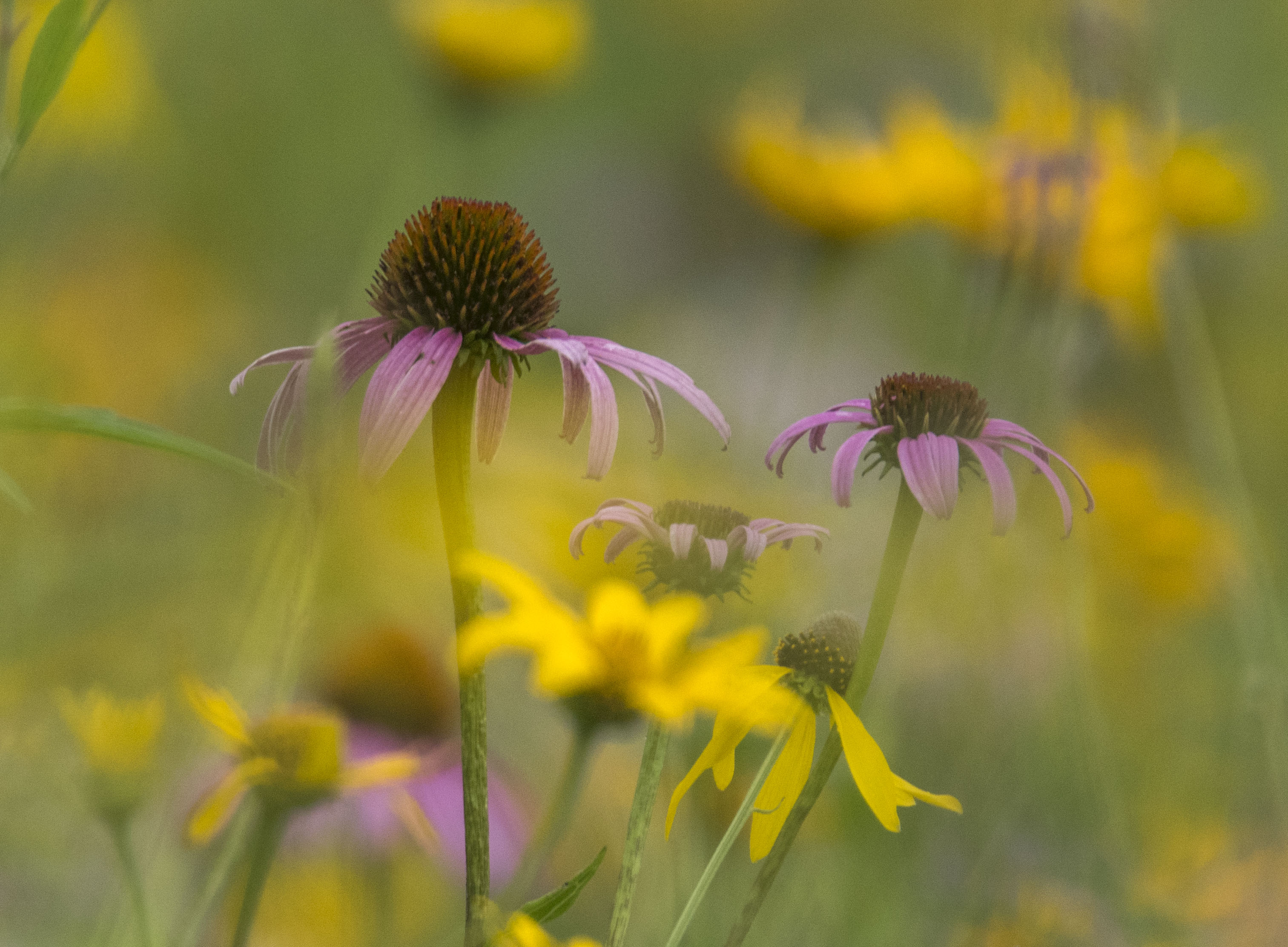
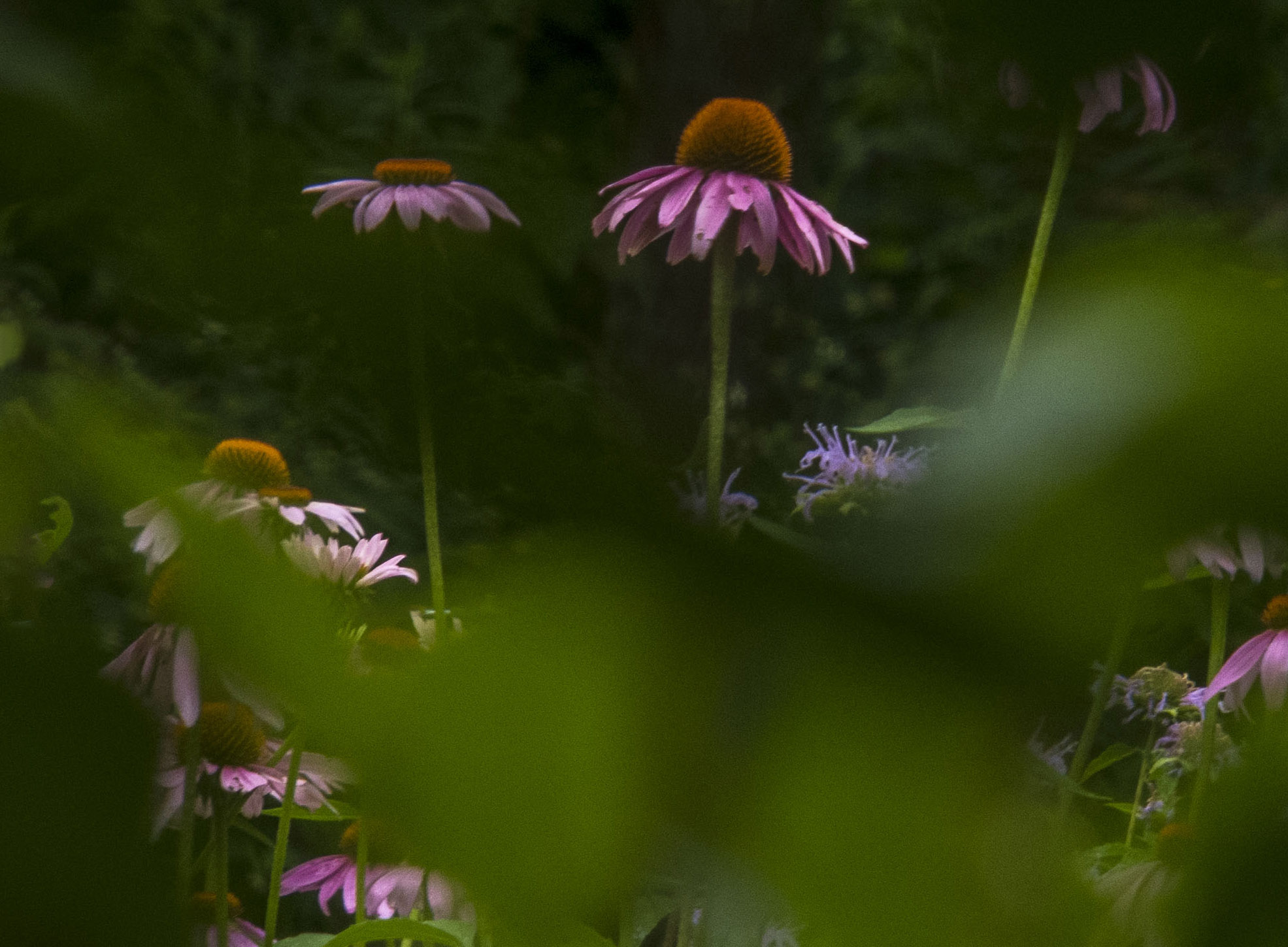
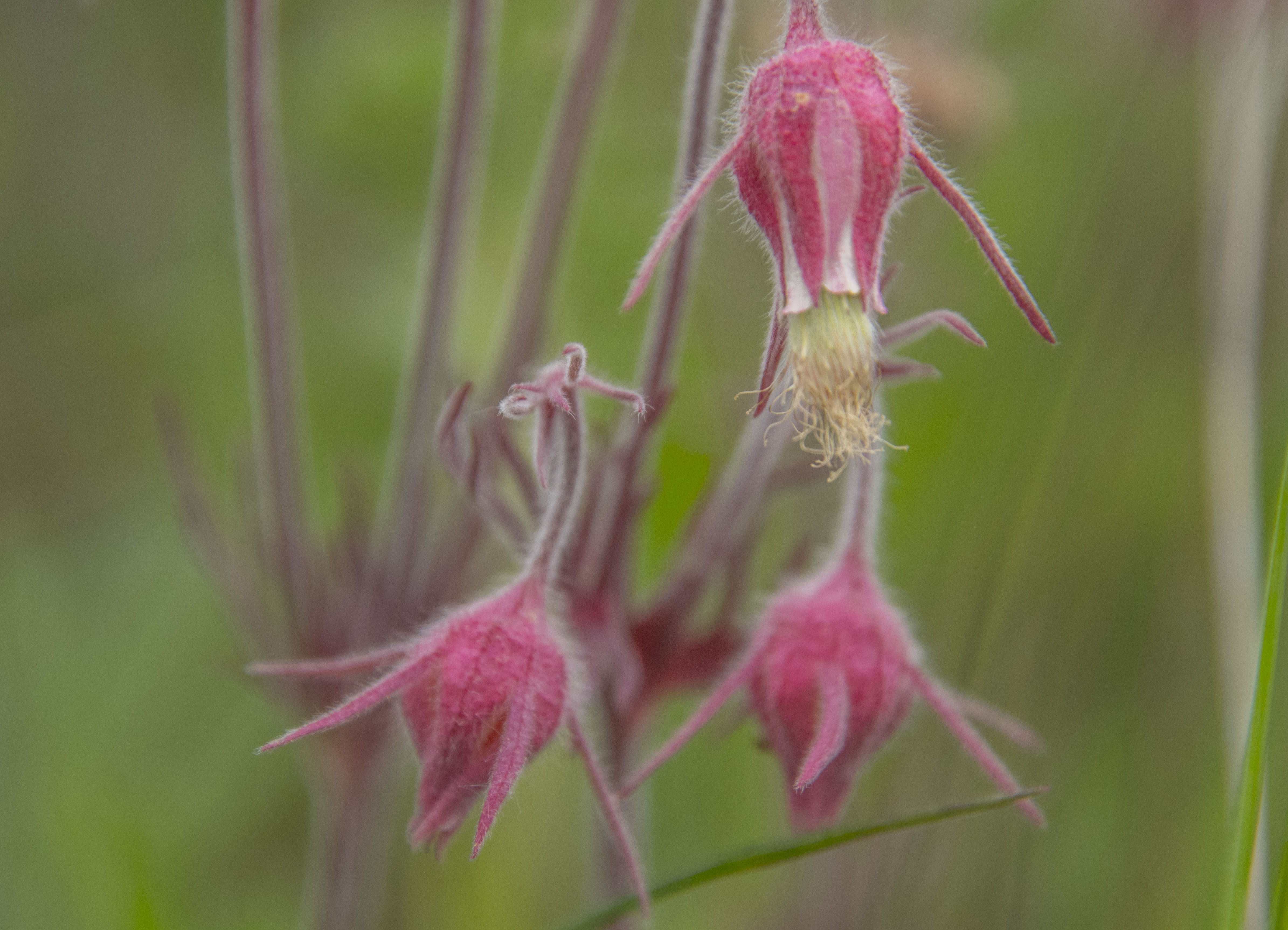
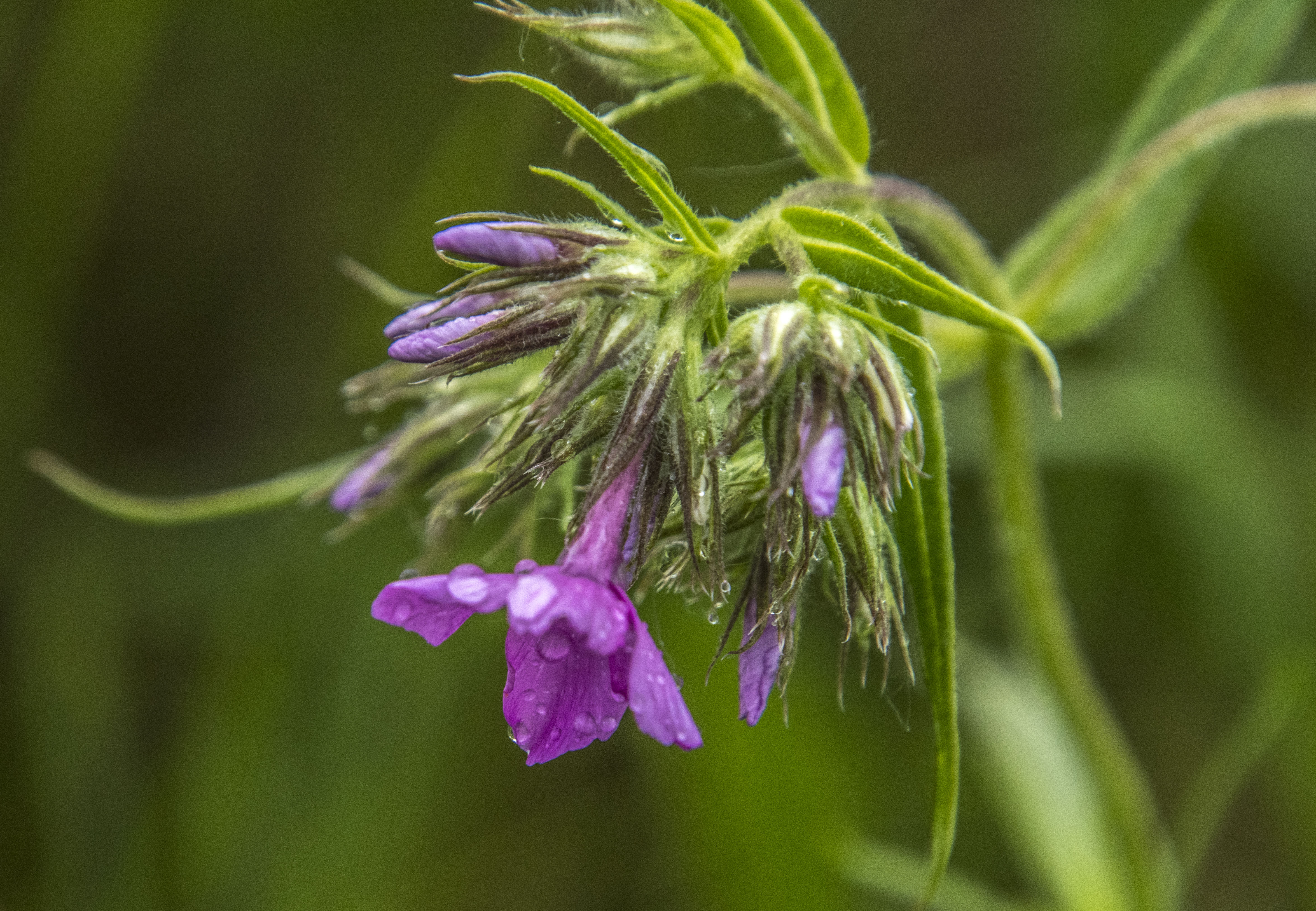
Nicole is the “ultimate” optimist who has an innate ability to rise above the darknesses faced in her life, a woman I hold dear as I do the words of Oliver, Berry and Gandhi. She’s a good role model, for I, too, have a lot of anger about what has happened and is now happening to our nation and state. May you find a moment of peace in the images I now share as a bouquet along with a memorial for a government sanctioned murder of a young mother, images of prairie flowers that I have garnered in my moments of uncertainty. Images for the late Renee Good. To paraphrase my friend, Nicole: “It’s little, maybe even insignificant in the larger picture, but I’ll do it anyway.” 

A Year of Auroras, Birds and Wetlands

One of the traditions I so thoroughly enjoyed in my long ago newspaper years came near the end of December when we were asked to sort through and submit our favorite image, or images, of the year just before New Year’s Day. This gave layout editors fodder for a traditionally slow news week between Christmas and January 1.

For us this was a chance to review the stories and our photographs. For me, that review was crucial to my growth as a photojournalist. Did the imagery seem to hold up to previous years, or was there a lag? Was there a sense of growth? Had my “eye” for composition, working with natural lighting, choosing an appropriate focal length worked with the news event or photographic moment?

My concern nowadays is if my “eye” has held true since my retirement as I’ve moved to more closely document our last one percent of the glacially-blessed native prairie and wetland ecosystem that has been systematically and throughly destroyed by mankind since the 1860s. This destruction and my care for recording the remnants photographically has been stated repeatedly in my artist’s statements that have accompanied my exhibits and art shows.

Since moving more into a creative arts community this tradition of reviewing my past year of imagery to choose 12 of my favorite images has continued over the past 11 years. My choice and intent is not to choose just one but a dozen, initially to pick one for each month. It didn’t take long to realize that better images were being left out, and since this is my choice on what to show, that concept died a quick death.

While the annual review is fun, the intent remains the same — seeking a measure of growth, of how my “eye” might have evolved over time. So, here we go, along with a few comments for each of the images are my dozen for 2025. If you wish for a closer look simply “click” on the picture to enlarge it. Meanwhile, thanks for your kind comments and support of my work through this and for all these years.

Just outside of Big Stone Lake State Park this piece of the glacial moraine that separates the River Warren river bed, now Big Stone Lake, and a huge, miles long ravine that is home to Meadowbrook Creek. This interesting afterglow was one of those “you had to be there” moments giving the native prairie the appearance of a staged play.

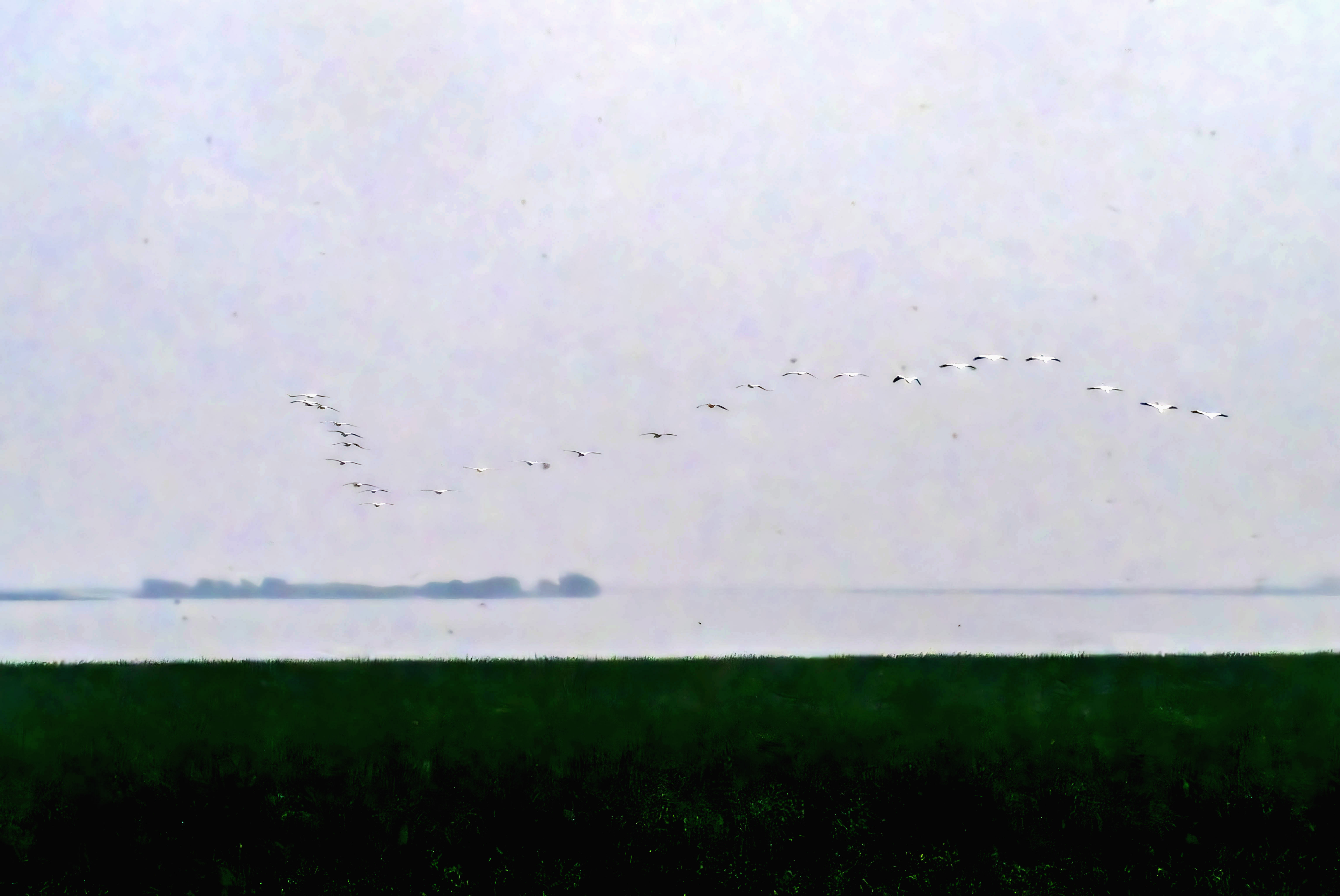
Moments before this was captured, I was pulling out of the fisherman’s lower parking lot below the Marsh Lake Dam when a pod of pelicans flew over. There was no chance for a picture, and I left the area disappointed. At the “T” at the end of the dam road, I took a left hopeful of getting closer to my road home and ended up at Curt Vacek’s machine shed. A dead end. As I headed back another pod flew over. Both times dozens of pelicans seemed to be heading toward their island refuge. Hopeful, I sped back to the dam, backed onto the dike and just as I rolled down my window and grabbed my camera, this pod flew over exhibiting grace and aerial choreography. Pelican flights often seem to offer such grace to our prairie skies. That the birds stood out against the subtle grayness of a cloudy sky makes the picture. One of my favorites from over the years.

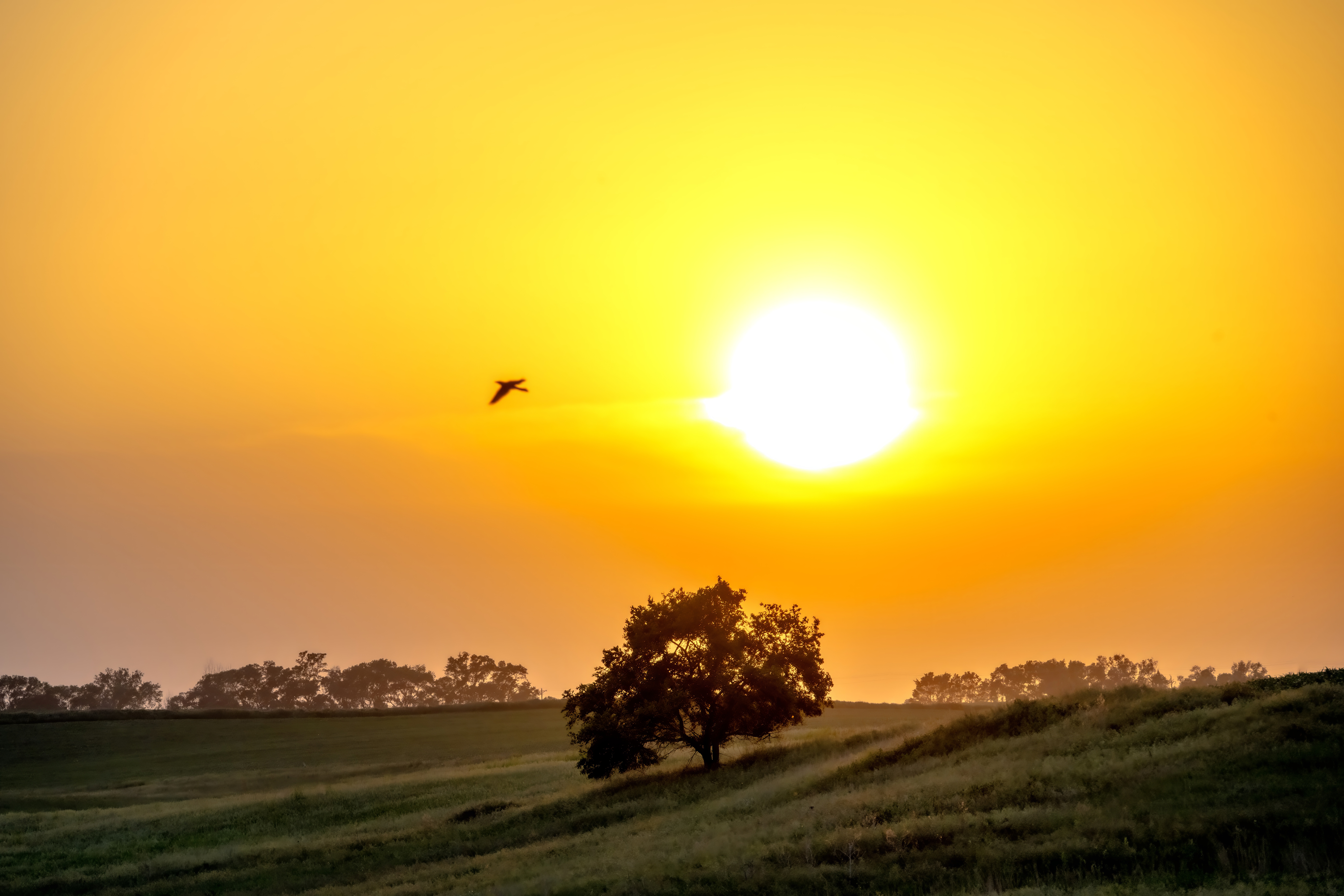
Ever since moving here I’ve had an eye on this lone tree on the bank of a long drained prairie pothole lake that before being ditched and drained stretched for miles and over what is now many commodity grain fields. From the bottom of the old lake bed the tree looked to be in line with the sun of the Summer Solstice, and once again I was blessed by nature when a lone bird flew into the sunset.

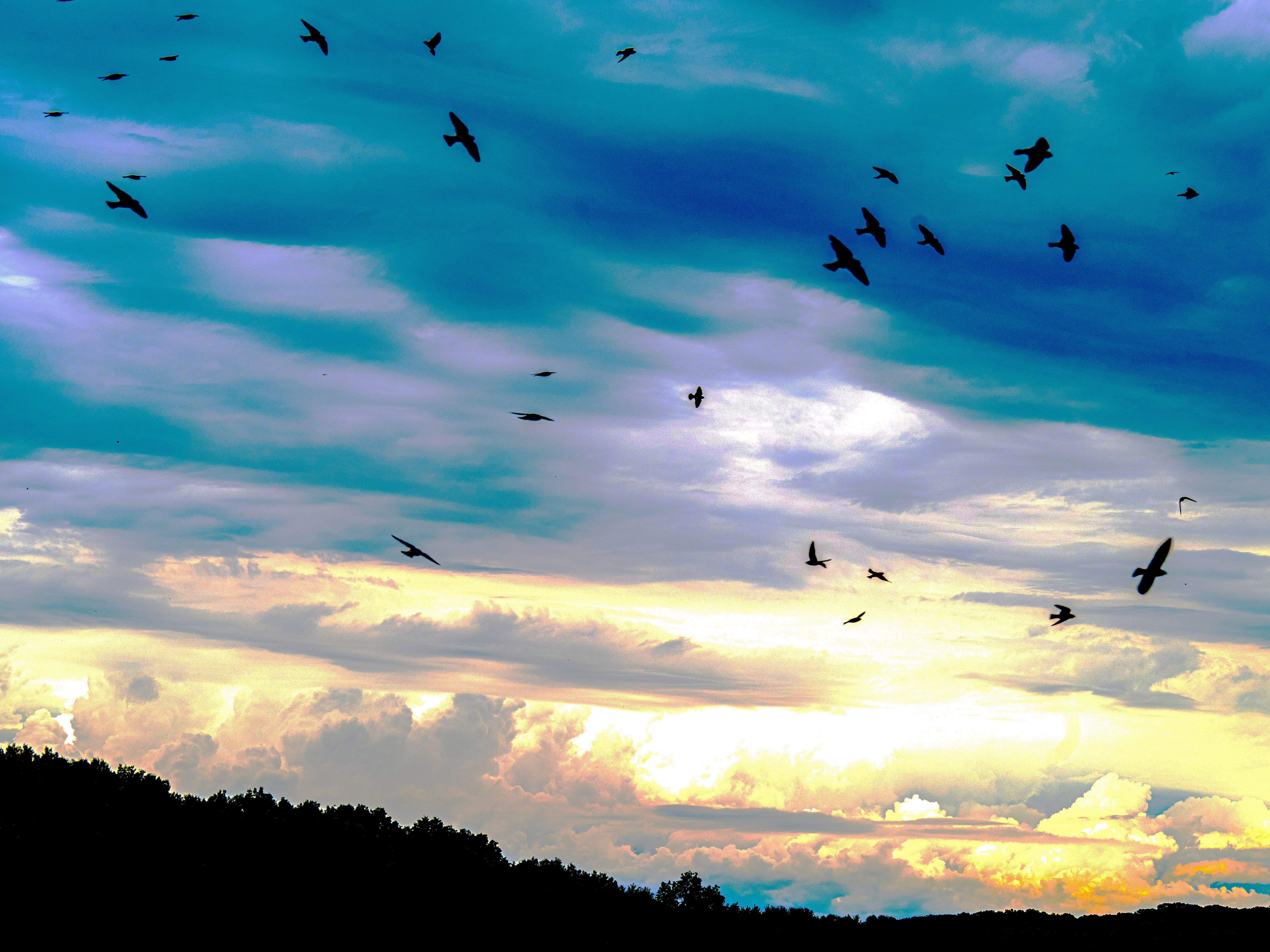
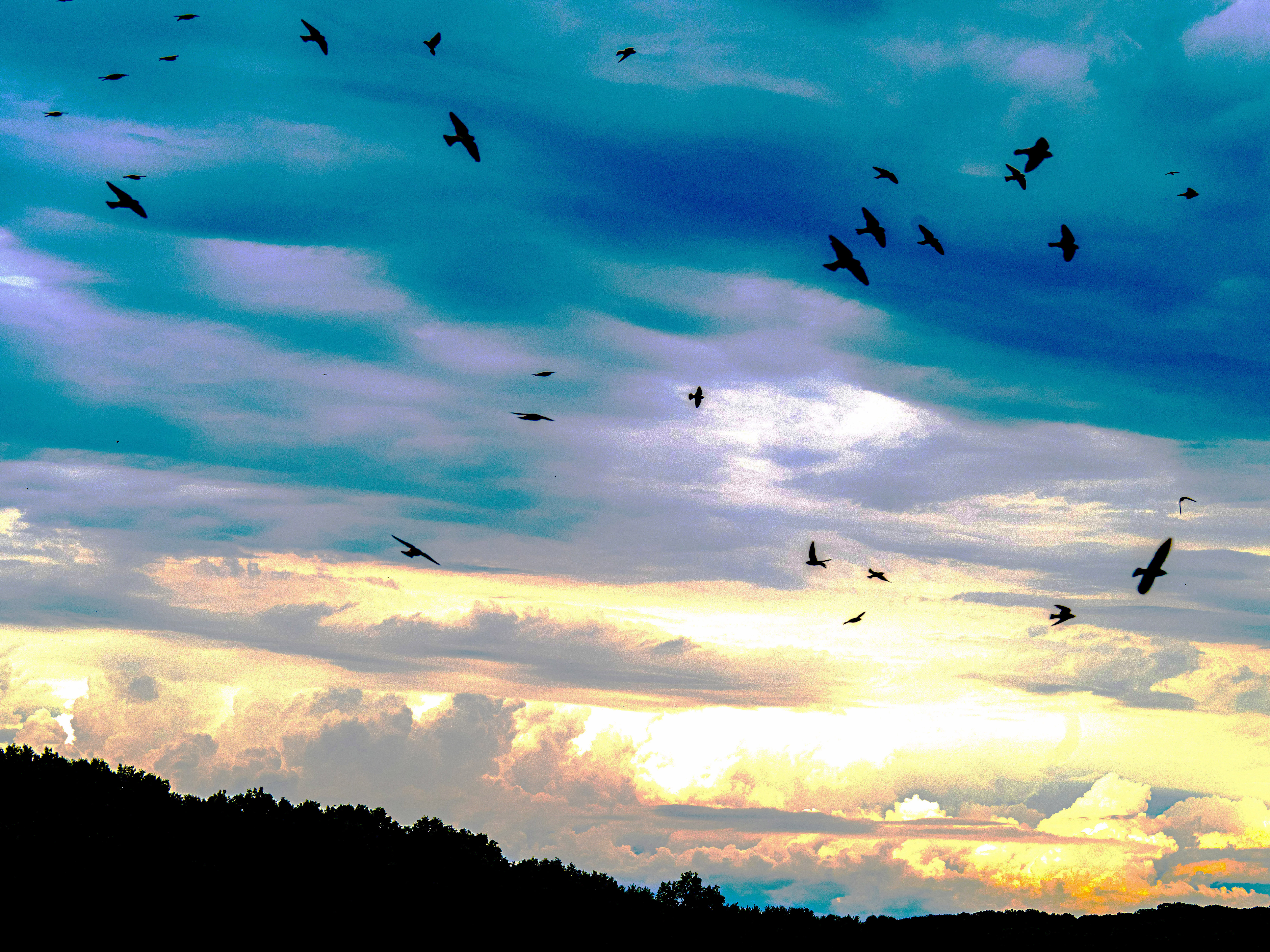
Between my boyhood hometown of Macon, MO, and neighboring Atlanta, the Missouri Department of Conservation damed a channel of the Chariton River to create a multi-mile lake and eventual state park. After driving through the park we exited through the far north gate and turned toward the major highway when we crossed a high bridge at the last “finger” at the head of the lake. This wasn’t my initial view, yet the swallows flying from beneath the bridge and silhouetted against a distant brewing storm caught my eye back in mid-July, and again in review.

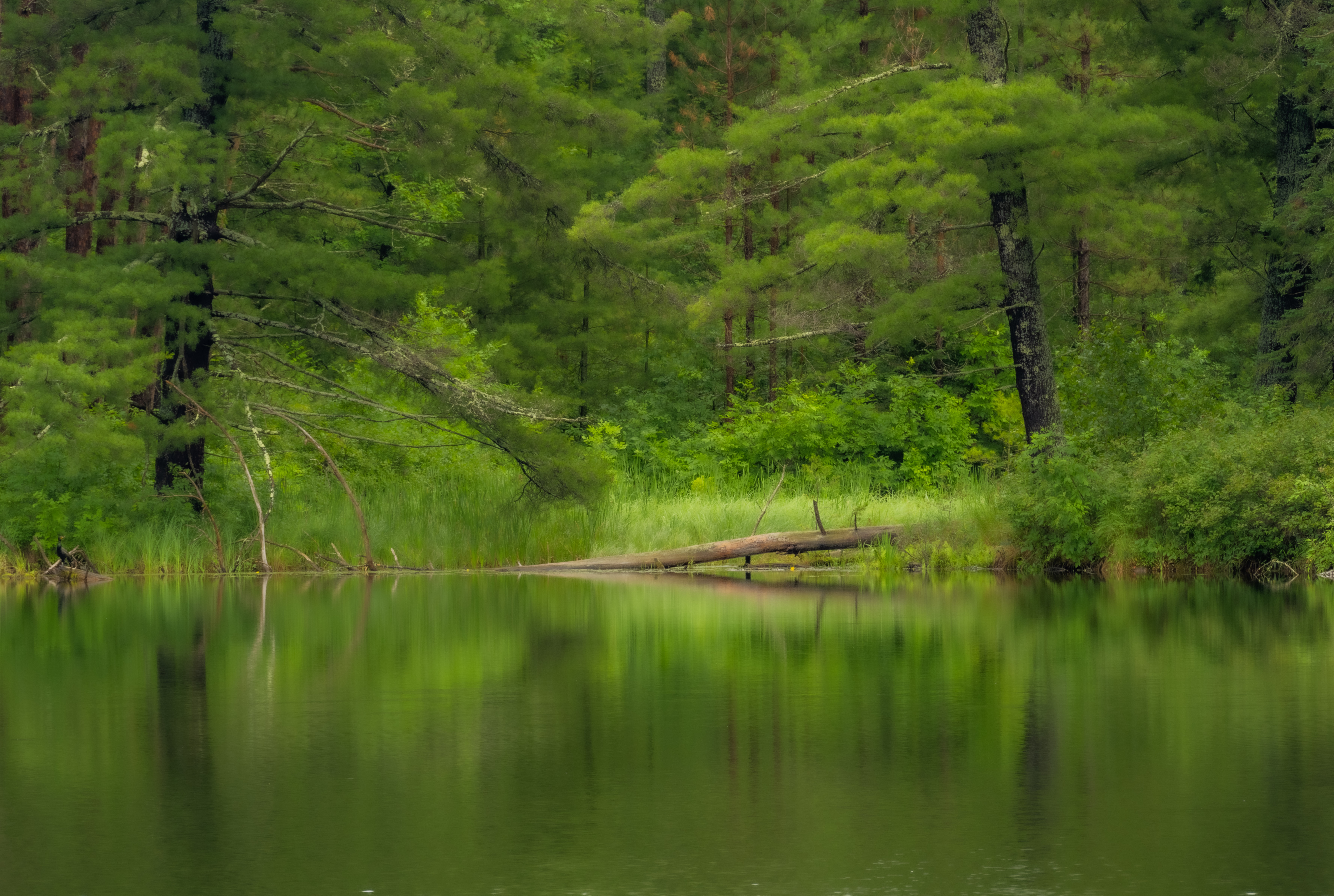
Although we had a cabin on Lake One on the lip of the BWCA, we did more exploring around the area because my favorite woman lacked comfort in a canoe, and in those adventures we stopped at Bear Head Lake State Park, which after years of being in and around Ely I had never noticed. We took a hike on a wooded trail that ended up at Norberg Lake. The calm waters of this small lake surrounded by age-old timber offered an incredibly soothing moment, especially in our distanced escape from the political chaos of the summer. This scene was a reflection of my calmness and comfort.

Just a few miles from home a lone pelican and the ambient afterglow reflected in a wetland. More of what I call poetic photography. Often I leave home just before sunset to drive around the area wetlands, and unlike most of the counties around us, it is estimated that 15 percent of the original wetlands still exist in Big Stone County compared to less than a percent elsewhere in Western Minnesota and Northwest Iowa. And it seems that every year I’ll come across a lone pelican in a prairie water wetland. This was my moment in 2025, a moment of peaceful bliss.

In my exhibit this image carries a simple title: “The Leaf.” Yes, this singular leaf caught my eye within the midst of the “forest” in the high Minnesota River backwaters of mid-summer at the Big Stone National Wildlife Refuge. I love the angular tree and its reflection, yet the “individualism” of the stark leaf is what caught my eye. I guess I’ve always been sort of a “loner,” like “The Leaf,” feeling a bit out of step with the society that seems to surround me.

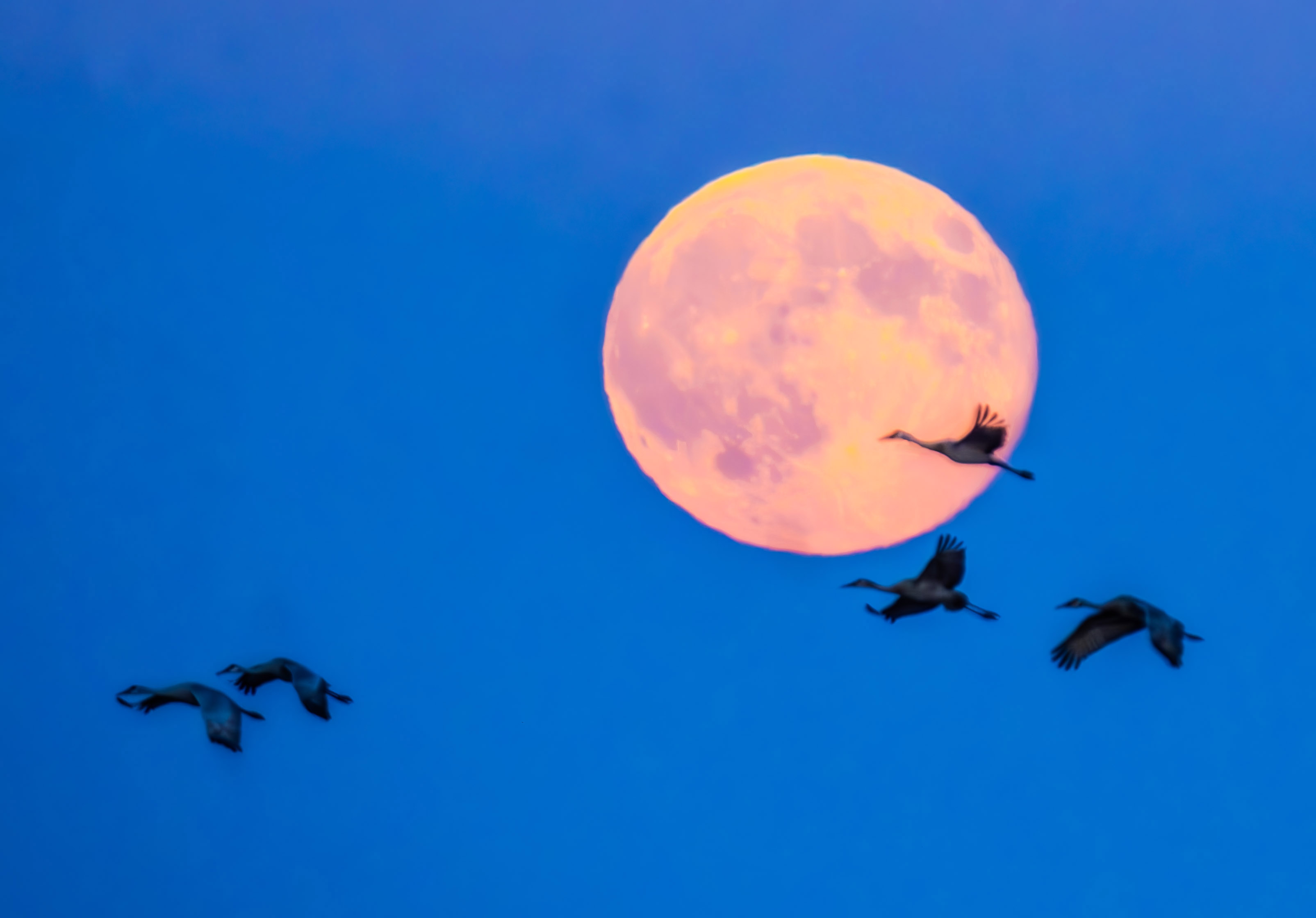
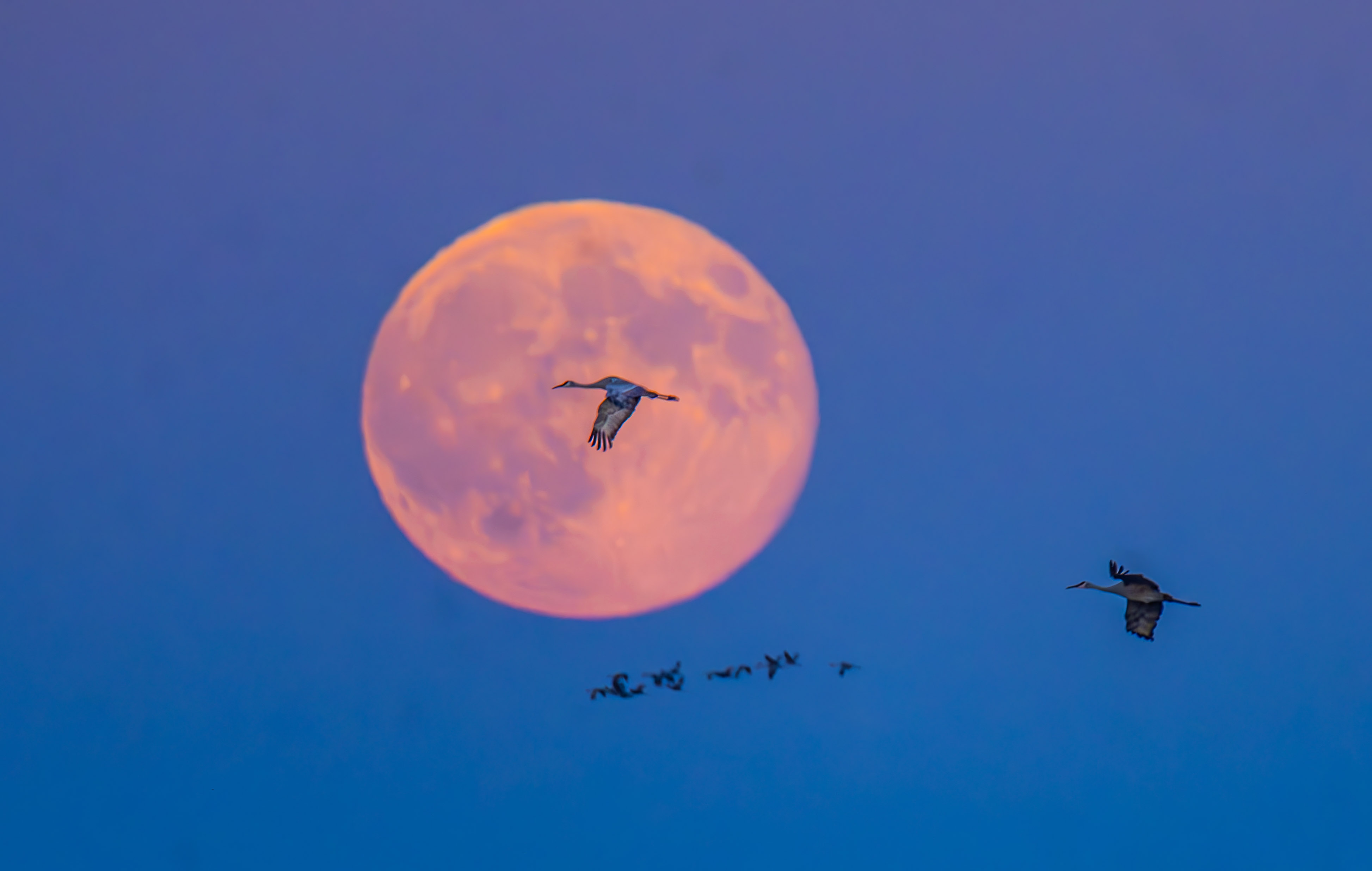
November, and the “super” moon at Crex Meadows just across the Wisconsin border with Minnesota. Sandhill Cranes are my favorite bird and this image is one I’ve visualized for several years. An unfulfilled dream, if you will. With the promise of a full moon along with prayers we would have a cloudless sky, we drove nearly five hours across the state to Crex and got a motel room. We then found a vista that might offer a gigantic full moon rising along the horizon, along with hope that the cranes returning from the nearby stalk fields would offer a blessing. This was among several images of cranes flying through that incredible moon, and this was my favorite of the bunch. Once again nature provided a special blessing!
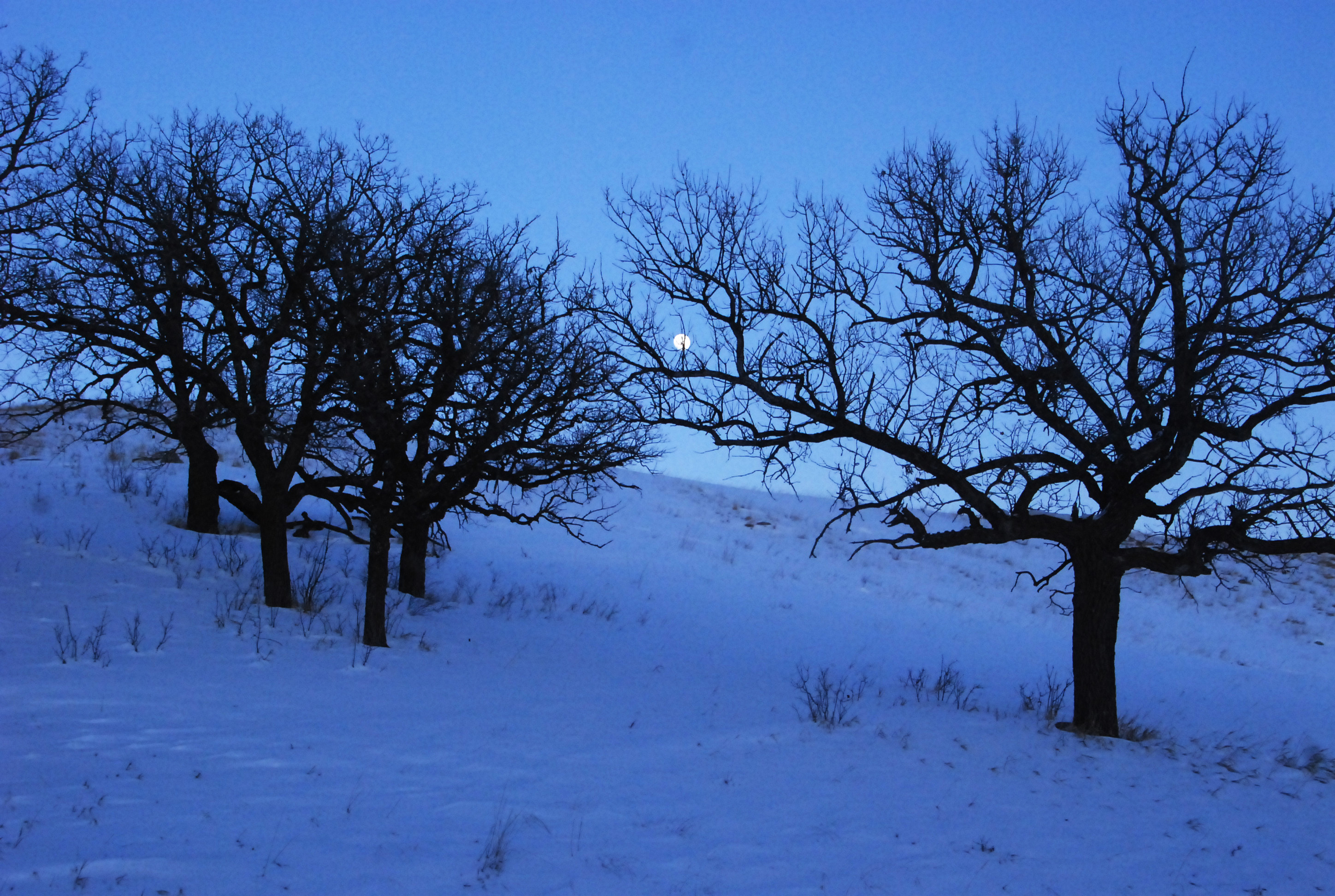
Then, the following morning in the “nautical” twilight … again, Sandhill Cranes. Have I said I love them? Even after a half dozen trips to Central Nebraska each March, along with various outings to both Crex Meadows and the nearby Sherburne NWR between St. Cloud and the Twin Cities, I can’t seem to get enough “crane time.” My first viewing of Sandhills was on a organic farm near Monte Vista, CO, when my now late friend, Greg Gosar, whose farm I helped feature in a Money Magazine story, came running into the house to ask if I wanted to sneak up on a feeding flock of cranes in his wheat field. We sauntered as quietly as possible up a sandy draw before leaning against the bank to see the birds. A highlight was a lone Whooping Crane back when their number was in the low 70s, along with what Aldo Leopold called the “trumpets in the orchestra of evolution.” This was in the late 1970s, and I’ve “chased” those beautiful songs and flights ever since.

Northern Lights, the auroras of the heavens …. a Cinderella-like moment for the normally muddy Eli Lake in nearby Clinton. I love this view of this disregarded lake on the edge of town along US 75 and a county road. Certainly I’ve witnessed more spectacular Aurora displays, yet what attracts me to this image is both the natural composition along with the reflection highlighting the colors even as “subdued” as they appear. Despite the shallow waters, seldom seen as blue, the Aurora awakened the waters from its normally placid blandness — an Aurora that provides a glimpse of normally unrealized beauty.

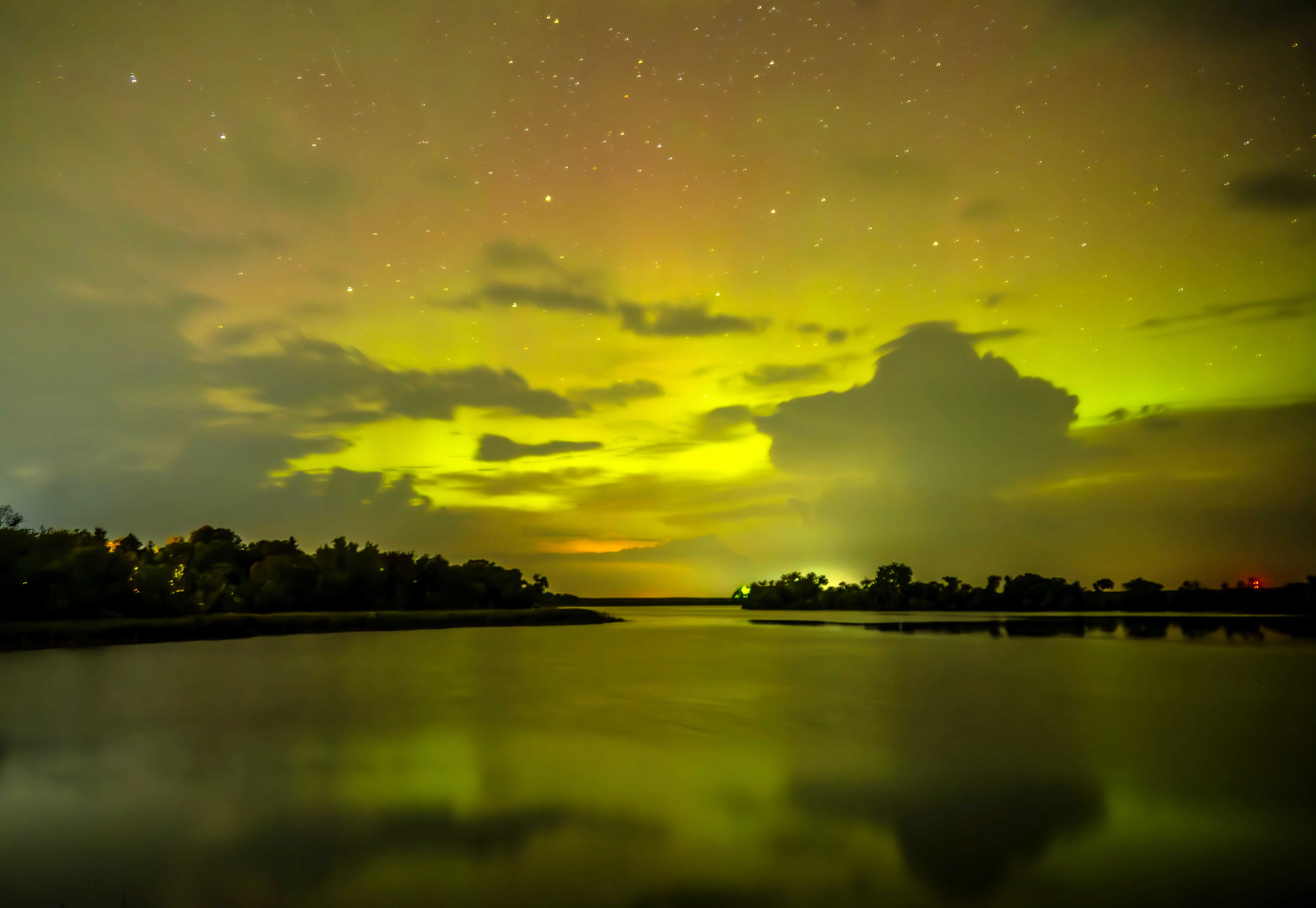
While we’re on Northern Lights, this was captured with my cell phone when the settings on my camera got messed up. This was a spectacular display in all directions, and taken over a prairie wetland at the lip of our prairie looking toward the Northwest. While the October 10th display was considered the highlight of the year’s displays among us Aurora geeks, this display might have been an equal, offering both vivid colors and that hum from the heavens … something you don’t always hear, with colors you seldom see this far south.

Another moment from a nearby wetland, a Great White Egret lifting from a vista featuring a setting sun. Once again when I look through my couple thousand images of wetlands, I feel such a sense of loss. Besides the benefits of recharging the underground aquifers and cleansing agricultural chemicals from the runoff, they benefit wildlife and provide incredible beauty to the prairie for many of us. The 99 percent of destruction of the wetlands is such an incredible loss, and a loss that keeps me in constant search for poetic imagery. And in this instance, I was once again blessed by Mother Nature.

A Search for Meaning on the Solstice

She just didn’t seem to understand my angst. I was stumbling back to bed at 6:10 a.m. thoroughly angry that my cell phone alarm didn’t sound, and it was much too late to take a 90 minute drive for the break of the Solstice sun over a small pothole lake south of Willmar. We had passed the lake on a trip home from getting my son’s zither tuned when I noticed the dozens of muskrat “huts” jutting from the cattail-rich shallows.

From the expected direction of a Solstice sun, it appeared this was a scene that would make a nice image for my annual photographic depiction of light on this, the shortest day or longest night or start of winter or the coming of light, whatever one someone decides is the true meaning of their personal Solstice. How would this one work out? Finding hope within one of the darkest times of my life because of this disastrous political and humanitarian situation created by the vile human we have in the Oval Office, along with his enablers in Congress and the Supreme Court, and their deployment of masked “storm troopers” to illegally grab immigrants of color from their hopes, dreams and our neighborhoods. 

So, yes, I had a need to find some semblance of hope, of finding some way of adding light to my inner soul.

Being more “spiritual” than “religious,” and having been basically introduced to the celebration of light by dear friends, Audrey Arner and Richard Handeen, who once again recently hosted a bonfire celebration on their Moonstone Farm northwest of Montevideo, I began to take the Winter Solstice to heart many years ago. Their influence gave me a reason to take the Solstice seriously and to depict it with hopefully meaningful imagery. 

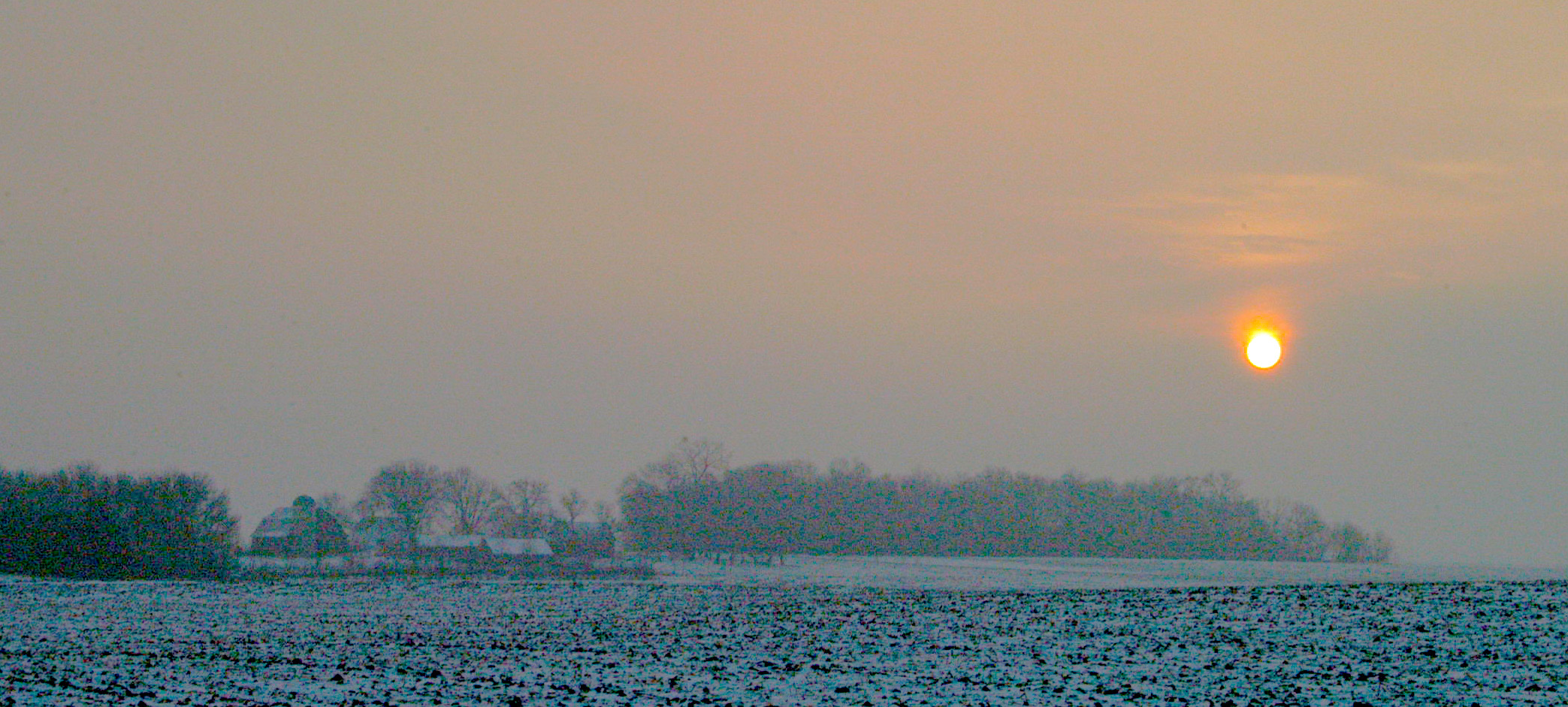
My first attempt of an annual Solstice image, taken in 2009, a sun peaking after days of squalid weather. It seemed to offer hope during our long winter.

Capturing the significance of the Solstice began back when I was running a small country weekly newspaper and was in need of a front page picture on a rather weak week of news. Looking out the huge back window of our prairie-facing sun room, which housed our music and personal library, the lowered sun was breaking through the muted frigid and dismal haze of a miserable and chilly day. This seemed a perfect portrayal of our need to welcome and celebrate warmth and light. The year was 2009, meaning I was a bit late joining the bandwagon.

Though I’m probably no more of a pagan nut than any of my friends in our small universe, finding a Winter Solstice image seemed just as important to me as hanging a wreath for the annual celebrations of the Christian’s Christmas. Roman Emperor Constantine the Great, supposedly the first emperor to convert to Christianity, is credited for moving the celebration of the birth of Christ to December 25 in 336 AD to more closely align the celebration with the pagan Winter Solstice festivals like Saturnalia and Sol Invictus. This decision effectively and permanently moved the Jesus’ Annunciation up by some nine months according to biblical records. 

“Sol” reflected on a moon offered hope in the blueness of time, after the death of my wife.

My creating an image on the celebration of light on the Solstice has continued ever since. Over the years there have been some anxious moments, for my initial intent was to in some way feature our dear Sol on the Solstice. That hasn’t always happened thanks to the increasing presence of cloudy skies, so it became more significant to feature light and hope more so than the actual sun. In the year of my retirement, which came with the passing of my wife, my image was made in the nearby Bonanza portion of Big Stone Lake State Park and featured the moon peeking through the hefty branches of a sturdy oak. The darkness of night more closely matched my feelings at the time, yet the light of the distant moon signified hope while the strong sturdy limbs of the surrounding oaks offered a sense of strength. 

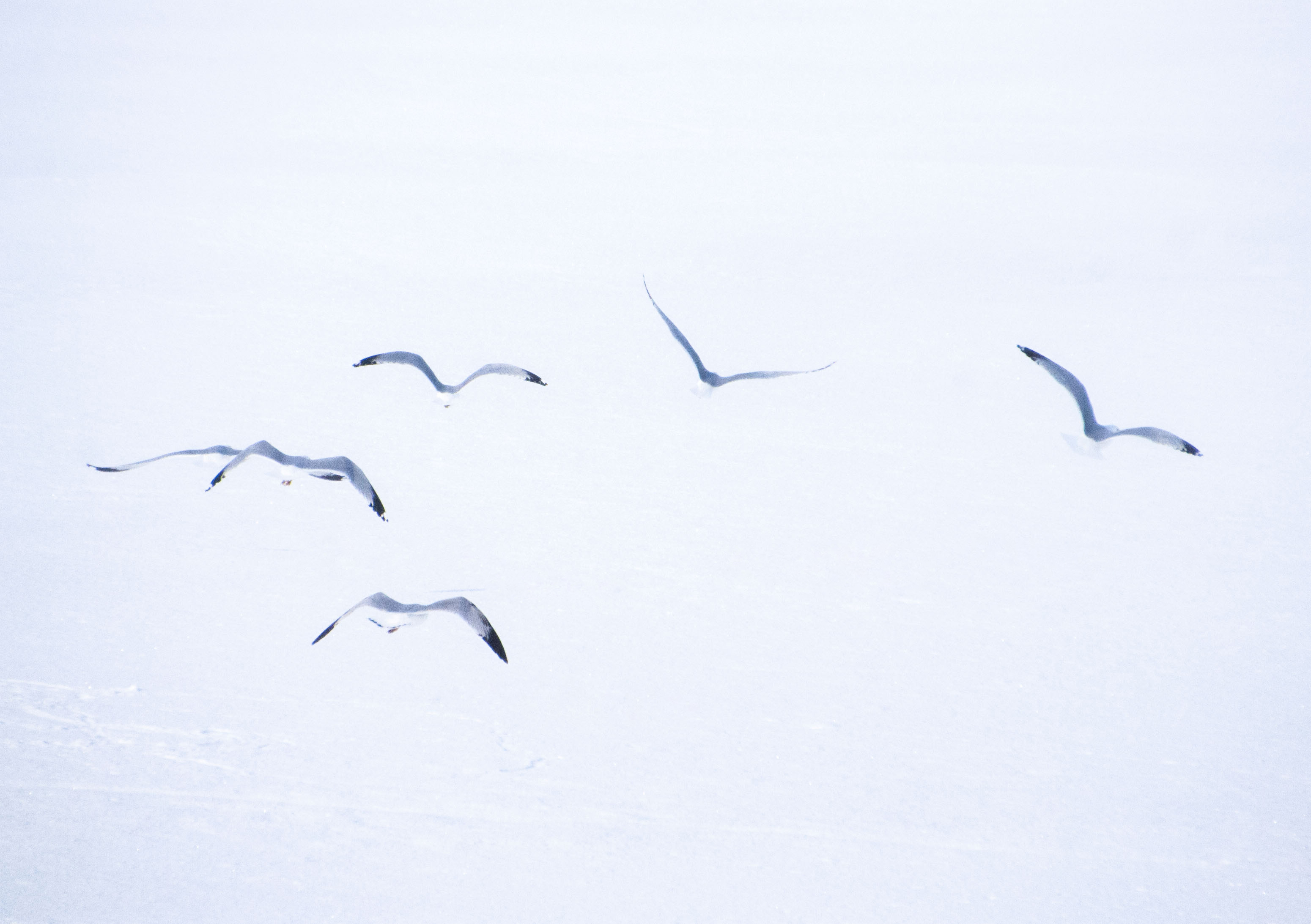
On the following year, my first since remarrying and actually moving to Listening Stones, it was a grouping of late season gulls over the East Pool of the Big Stone Wildlife Refuge that seemed to portray a new sense of freedom and joy of life. The following three Winter Solstice years were met with days of absolutely cloud cover, and only late afternoon sorries into the prairie did I find anything close to a celebration of light. Light, more so than Sol itself. One was a muted “sunset” over a wetland of long dead stumps of an old woodland, trees reflected in waters surrounding an ice floe, and the last of the only “light” of the day as a break in the clouds offered an orangish afterglow peeking through a crack of a huge glacial erratic. Hidden meanings? Or simply a acknowledgement of light?

A year later, hope found in the freedom of flight.

Every year seems to offer visuals that are completely different. Last year it was finding a pair of crossing animal tracks in the crusted snow where I’d taken the earlier photograph of the gulls. The woman questioning my angst, Roberta, and I were firmly involved in our new and budding relationship, our paths crossing in togetherness after nearly 40 years of friendship.

None of my previous Solstice images were planned … until this winter. Until my alarm failed. Life is mysterious, yet my momentary disappointment was real. She claimed I was a grouse during the day, although I disagreed. Then I followed my second “planned” option in the late afternoon lowering of the sun at a stretch of the Minnesota River near the headwaters where currents had created an interesting bed of jagged ice. 

My initial idea was to capture the tinges of colorful ambient light of an afterglow on the roughened edges of the ice tips. When I arrived, though, there was an immediate realization that the river coursed sharply toward the northwest while the setting sun was a good 55 degrees due southwest. A high bank rimmed the river. The lowering sunlight wasn’t close to touching the ice, and wouldn’t.

This year, an emerging light in the darkness of the times.

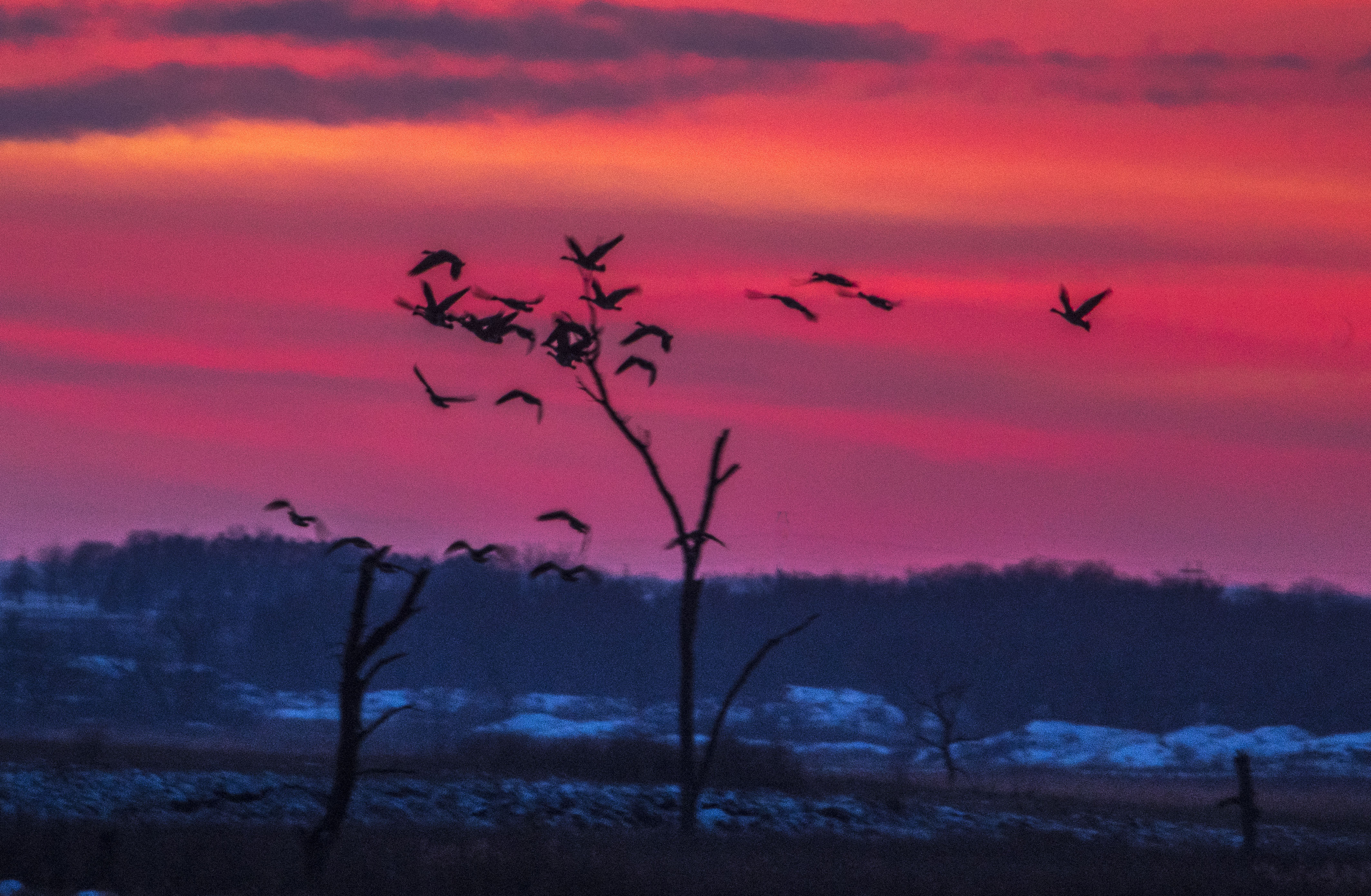
After taking some mundane landscape pictures, including one of silhouetted birds roosting in a distant tree, I sauntered down the shoulder of the highway to get closer to the river, to study the ice and the light. It was then that a faint glow of yellowish light beckoned from the troughs of the floe, and my thoughts returned to our dire political situation. Sometimes there is a reasoning behind the significance of an image, of a photograph, and I saw the light signifying an emergence of resistance in the depths of the blueish ice. ICE. Yes, capitalized, of our shedding light on Trump’s storm troopers enforcing his MAGA racist policies. There, in the depths of the icy Minnesota River, near the headwaters, on a cold winter afternoon, was my symbolic Winter Solstice image.

Two shots were made before I turned to carefully make my way back over the rough terrain and through the grasping grasses to the pickup, and I’m reasonably sure any residual anger was long gone and replaced by a smile of comfort and acknowledgement. Those cattail rich muskrat huts in the shallows of a wetland might have made a decent, visually nice Solstice image, yet there are reasons, often unrealized, why things don’t work out as planned. This image of emerging light amidst the jagged ice floe more symbolically captured our moment in time. At least for me, which is why trying to capture a symbolic image on this, on the day of the celebration of light, is so personally necessary.

The Gracefulness of Being

Perhaps it was the title: “How to Age Gracefully.” I was hopeful that this was a question more so than a statement for I’m not getting any younger, and now in my 80s, a time when many of my peers have sequestered themselves into a recliner or couch, I sense a need to keep charging forth creatively with an intense fear that my slowing down is the first step toward the grave. Following, perhaps, a lengthy time of acute boredom!

For the past few weeks hours have been spent in my wood shop and studio preparing items for the area Christmas Markets, and then an old friend, Dale Pederson, arrived with a pickup full of pre-cut timbers to install a planned canopy over our studio door to keep snow and ice away from the entrance. We were both fighting the calendar and weather.

In trying to balance all of that, by bedtime for three straight nights my mind and body was a wreck. There was nothing graceful about it, or me, and yes, on one of my ventures into the wood shop to rip a board on our last afternoon a misstep sent me sprawling across the concrete floor. Grace? Hardly. Fortunately my head missed a standing concrete block that was off to one side. Does that count as an old man’s fall? 

Grace is what I sometimes find in nature …

A few days later at the library while returning a great nonfiction book called “Sea of Grass,” an in depth portrayal of the complete destruction of American’s vast prairie between the Smokies and Rockies by Dave Hage and Jo Marcotty, this new book … “How to Age Gracefully” … seemed to jump off the shelf and into my waiting hands. 

Like Hage and Marcotty, the author, Barbara Hoffbeck Scoglic, was also a former reporter for the Star Tribune. My wonder was if my quest for grace was irrational, if not impossible; is there an emerging path for my unstoppable aging? Scoglic’s was an interesting read, though basically she wrote a day by day journal of her moving into an assisted living senior center. Now in a wheelchair, and being completely unreliable on her feet, Scoglic recounted various conversations and personal memories along with a morning ritual of coming off the elevator to see who might have survived for another night.

Perhaps I missed the “graceful” piece. No, her’s was not a “how to” effort. So my venture continues as I wander down a different path. 

Grace … a moment of tenderness of a burly bison cow with her newborn calf …

While I was working with Dale, and on various pieces for the Christmas Markets, an old conversation from years ago kept cropping up. It was on a cold, windy and snowy day “way back when” that I unloaded my collection of items from my van into one of Montevideo’s Chippewa Village historical buildings to discover my display partner was a 91-year-old man, a flat-plane wood carver and painter of Norwegian trolls, gnomes and Ole and Lena farm characters. After our introductions and getting set up, I asked the elderly artist about his work  and what kept him going.

“At my age,” he said with a wry smile, “what else would I do?”

Grace … when unexpected swallows appear to give ambience to an image …

Often I think of him, and have told that story to other artists who confide that they’re thinking of retiring, of giving up. Nowadays I sometimes wonder about myself. It’s not so much about aging gracefully, whatever that means, rather than wondering what else would I do? The walls and panels in my studio are full of canvases, and I make numerous smaller items featuring my photographic work. Over these past few weeks I’ve poured through a few thousand images created over the past 15 or so years, from when I retired from the country weekly to begin my efforts of portraying the last one percent of an ancient and nearly completely destroyed original prairie pothole biome. 

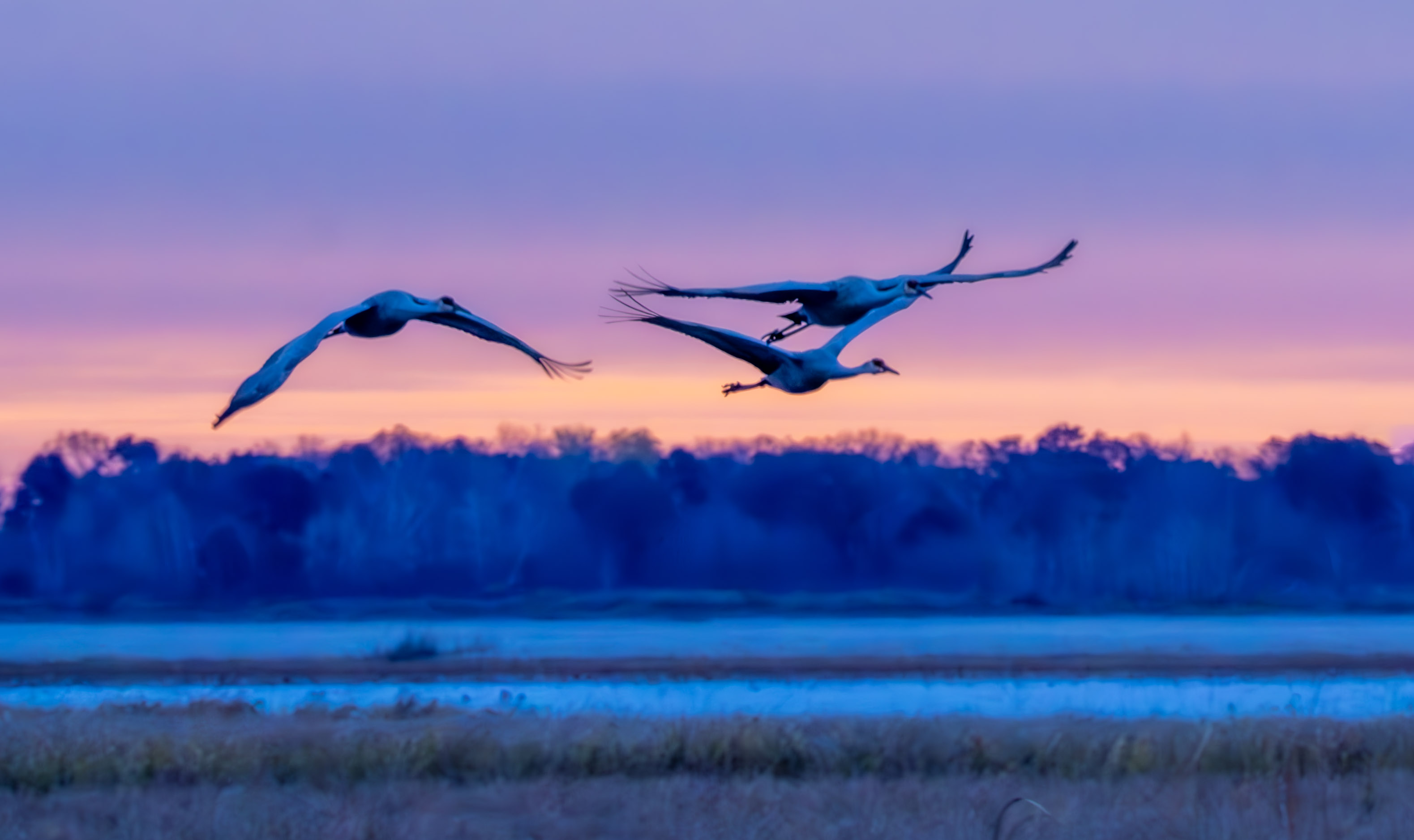
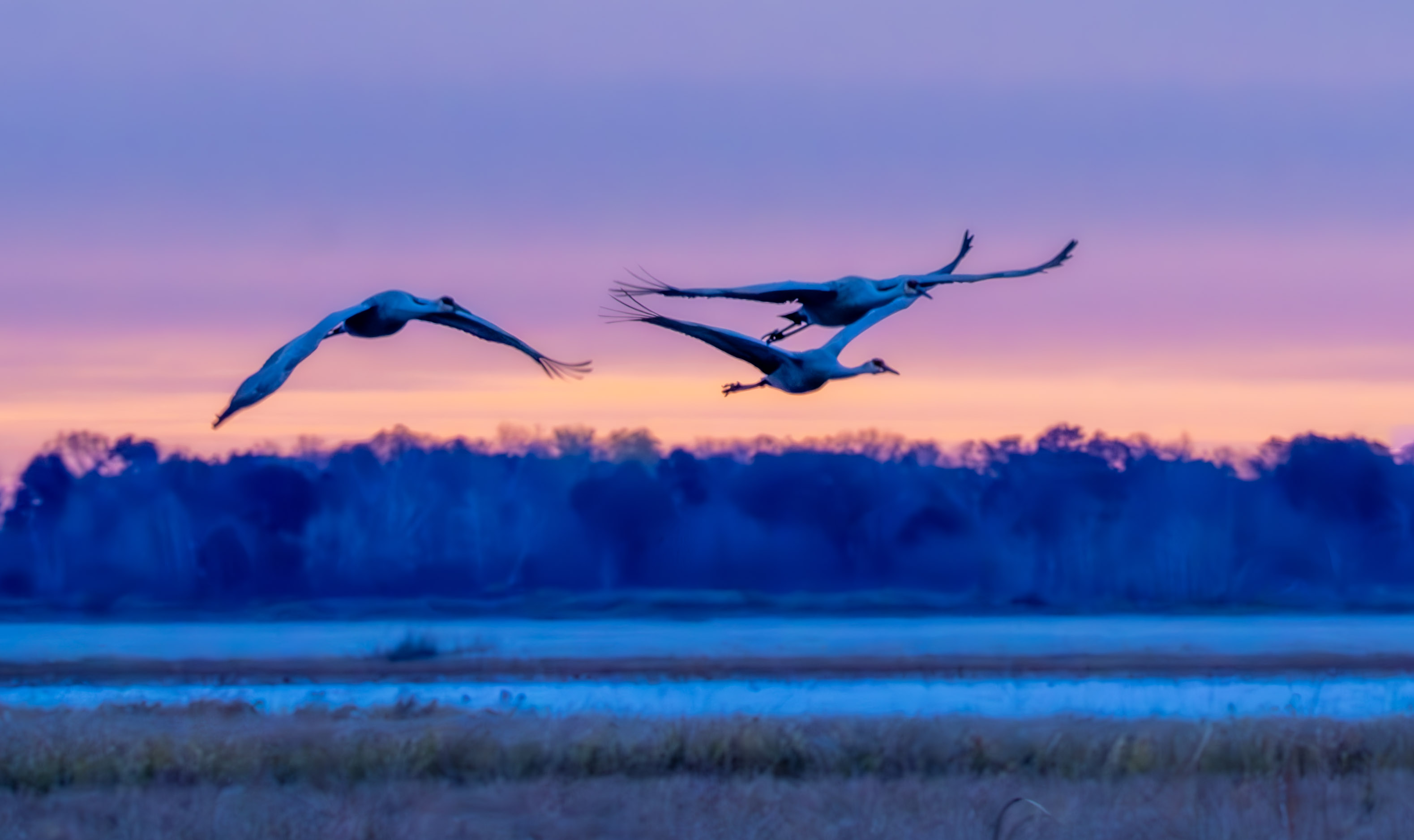
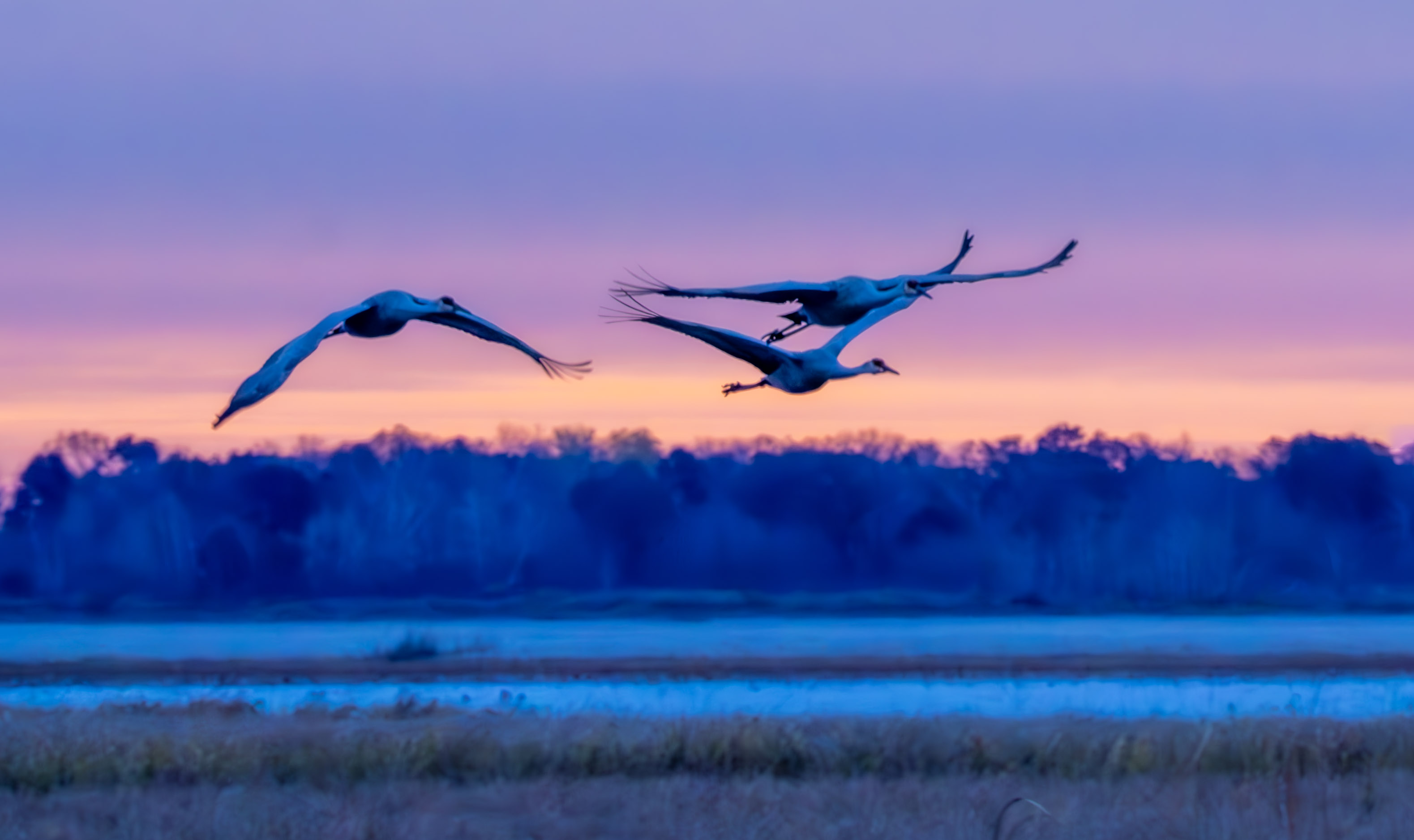
In so doing I sometimes find a choice image previously overlooked, or marvel at something long ago printed onto canvas and sold, and still hopefully hanging on someone’s wall. I also have thoughts of why continue? Do I need more images? Yet, quitting seems so unreasonable since I still throughly enjoy working with the magic of natural light, composition, ambient colors and those quirky surprises your find in nature. Those valued moments of internal celebrations when all those artistic elements come together … like when a trio of Sandhill Cranes flew over me recently at Crex Meadows in the ambient softened colors of a prairie sunrise. Yes, a portrait of grace. Color. Movement. Poetry. Nature. Perhaps finding grace in the imagery is more than can be expected. Then there’s this: What else would I do?

Grace … when poetry of nature blesses you with a memorable moment …

I still find magic in the prairie, in the skies, the timberlands, the BWCA, the mountains and in those sweeping landscapes all around. I find joy in the wild beings, in an unexpected flush of birds over a prairie meadow, or a poetic surprise of birds suddenly appearing in an otherwise mundane landscape; the immense poetry of trees, of their hefty, spreading limbs, of how a single tree within a forest can portray such stark individualism, of how the symmetry of autumn leaves can bring a smile; plus the wonder of the beyond, be it a breathtaking full moon coursing light across water or a sea of prairie grass, or offering a special moment to silhouette a crane or heron, or the fluid aerial ballet of an Aurora Borealis offering graceful waves of heavenly beauty; or even that of my dog, Joe Pye, ambling through our tall grass prairie at Roberta’s side sniffing at mysteries I’ll shall never know, of his pure excitement of simply being alive and free.

Yes, alive and free, of an ability to create and hopefully capture beauty that so long ago was basically erased from our collective consciousness. Hopefully in my aging I’ll continue to embrace those joys of capturing natural poetry more so than in my seeking some sense of personal grace. My fear is if I don’t note that discovery of natural poetry with my art that I will no longer find joy or the magic in life. Without that magic and joy, what would be the point? What else would I do?

In Pursuit of a Dream

My dreams and visualizations of capturing my beloved sandhill cranes, birds of such poetic flight and stoic stance, silhouetted within the glow of a beautiful full moon have been craved for years. Cravings that caved, especially along the Platte River in central Nebraska years ago when “uncooperative” cranes simply avoided a full moon high in the sky. This, I hoped, would be different.

When forecasts of a full moon were made a lovely Wisconsin marshland refuge beckoned. I was hopeful of having a large globe rising from the horizon, blazing with color … something quite different than that moment in Nebraska … with the cranes cruising through. Hope resonated from the colorful moon names all heard within moments of our arrival …   “Super” moon, “Harvest” moon and “Beaver” moon. Native American lore provides even more mental possibilities, dangling the names of a Whitefish Moon, Deer Rutting Moon and even Frost Moon for the November lunar show. How about a “Sandhill Crane Moon?” That, at least, was my hope.

With luck a beautiful glow and globe of a moon would appear on a clear night, and since we had free time, we meandered across the state to Crex Meadow Wildlife Area just across a paved road from Grantsburg, WI. This would be a sunset/sunrise affair, prime times for sandhill crane activity unless you opt for mundane images of grain field gatherings. 

Thousands of cranes traditionally stop at this 2,400 acre marshy refuge where each autumn they congregate for pre-migration safety they find within the numerous and large wetlands surrounded by miles of dike roads as they stock up for their long flight. 

Certainly there were cautionary concerns on our four hour drive, for Grantsburg and Crex Meadows is as close to the Eastern Minnesota border as we are at Listening Stones to South Dakota. My concern? Clouds. Be it eclipses, Northern Lights, comets and numerous attempts of photographing the Milky Way, cloud cover has been a lifelong photographic nemisis. Still, I made hotel reservations and convinced a neighbor to mind Joe Pye overnight so we might fulfill my dream of capturing the cranes cruising through a rising, neon bright “supermoon.” What was there to lose except time and money? 

Then something entirely unexpected occurred. After spotting a couple of singular cranes as the “golden hour” light descended upon us, I pushed the review button to check on the color, light, composition and selective focus to discover a totally blank review screen. Yes there was momentary panic. All the visible and magical buttons were pushed on the camera body. To no avail. 

We began by working a large “flowage” along the Main Dike Road where I’ve previosely captured successful images. As the golden hour light began to bask we had seen only a few cranes. Yes, an attendent in the main headquarters had suggested this as a possible location for capturing the rising moon. When you have but one chance on capturing a dream, nervousness settles in. Quickly a move was made to the nearby “Phantom Flowage” where we found an excellent, unobstructed view of the eastern horizon. Our wait for cranes was short as they began returning from the nearby stubble fields.

Since it sounded like the shutter was working I continued to focus and shoot. Memories of all those years of shooting film without instant review came to mind. Apparently I’m now fully immersed in the digital age and long past those long ago travels to many of the lower 48 states for magazine stories and corporate assignments, back when there was a certain confidence that my images were securely captured and saved on rolls of Kodachrome or Tri-X, that in the developing the creativity would magically appear. Would it again? Regardless, I would be “shootiing blind.”

Magically the upper crescent rim of the moon suddenly broke on the distant horizon and it slowly rose higher into a lush fullness. A moment of awe struck even without my loveable cranes. I was still hopefully pushing the review button. Mental notations were made to remind myself to keep the faith, that I had been in this situation hundreds of times back in my career days. 

Initially distant flocks crossed in front of the moon, and thoughts were made to capture various images just in case I might convince my artist friend, Joyce Meyer, to sandwich if I couldn’t fulfill my visualizations. Over the years she has made about a half dozen “sandwiches” for me due to my ignorance of post production technology.

In the midst of those thoughts a few cranes began flying much closer to us to land just a few hundred yards across the marsh. With no way of knowing if any had been captured silhouetted against the incredibly beautiful “supermoon”, I continued to keep shooting until complete darkness had settled in. 

About an hour before sunrise we returned to the muskrat lodge to await any early activity. As I stood outside the car waiting for light and bird movement, those “trumpets from the orchestra of evolution,” as Aldo Leopold poetically described their haunting calls, began in earnest. Within moments I was surrounded with an unforgettable experience of sound. From either side of the graveled road, and from above as a nearly invisible flocks flew over. This was truly a moment of auditory heaven.

Eventually morning broke and I could easily capture cranes landing near enough for some nice photographs. In time, though, the curtains closed as the cranes, little by little, flock by flock, lifted from the marshlands to head toward the stalk fields. After a breakfast of hearty pancakes we made the four hour drive back home to the prairie where we were greeted by an anxious dog and a deafening quiet away from those syncopated sounds from the marshes. 

After a few friendly pets I rushed to the computer to insert the card and was graciosly greeted by cranes bathed in golden light and far more images than I would have ever taken had the camera monitor worked. Eventually I worked my way through some 800 images, or about 29 and a half rolls of Kodachrome, a tedious process that produced 80-some keepers that included many of sandhills silhouetted against that gorgeous supermoon. Dreams granted many times over!

Afterglows

Sometimes a colloquialism may come back to bless you, something I’ve been thinking about for a few days of receiving some of those blessings. First, with apologies, the back story:

Denver was the destination of a special 4-H award a few years before I was old enough to drive. Some 17 years or so later Denver was my destination after leaving a comfortable and supportive managing editor with the Dubuque Telegraph-Herald. An interesting tie between the two dailies was a fellow named Monk Tyson, who was nearing retirement with the Post.

As I traveled through the towns along the Mississippi River, and into the depths of the wooded hills of the Driftless on both sides of the river, from Galena to Prairie du Chien and places inbetween, many of the older people I met and interviewed for stories kept mentioning Monk’s name. We apparently covered the same beat at least a generation or so apart.

My blessing this past Sunday …

When I arrived in Denver for the second time I was initially given a freelance assignment by the ME John Rogers for the Post under none other than Monk Tyson. Yes, I finally would  meet the person behind an old and storied legend back in River County. Less than a week into that assignment I was called back to Denver and offered a full time position. Months later Tyson would have a massive heart attack in the parking lot across the street from the newspaper. A week or so later my assignment was changed. I would replace Monk as the “state side” reporter, meaning I had left the Driftless for the Rocky Mountains to continue working a familiar job.

Then on Monday this happened, initially seen while cooking dinner …

Eventually we would create a column called Country Roads that packaged a typically full page layout of my photojournalistic efforts along with a story. That meant I was spending most of my time outside of the office and Denver, rolling from town to town, hooking up with ranchers and even wine makers, farmers and lonesome High Plains characters with stories to tell. Everyone, as feature writer’s learn, has a story. 

Often in my trunk was a fly rod, a box of trout flies and a kite, the latter of which I loved to sneak onto some remote mountain cliff after work where I could play with the winds in a full 360 degrees of sky and unpredictable winds. Again, after work! After an interview in those mountainous climes I would ask for either a cliff or trout stream. In the Plains, a good steakhouse!

Often times I receive a little help from my friends, the birds!

This was a time I when learned the meaning of a new colloquial phrase common to the people among the mountains. “Afterglow.” You might be having an early breakfast in a small town cafe when you would overhear someone say, “Wow, did you catch the afterglow last night?” Their meaning finally dawned on me, for you see, there is rarely a place where you can actually catch a true sunset because of the mountains, yet the ambient colors from a lowering sun would paint the top of the peaks and those towering clouds, especially those to the east, with amazing colors. For those it wasn’t about sunsets but the afterglows.

Nowadays, living in my weird sense of retirement, sunrises from my deck or sunsets through the huge plate glass kitchen window while cooking dinner are rather common. Afterwards comes the afterglows that will often fill the cloudy prairie skies with incredible colors. Rarely taken for granted, and always appreciated, it is as the late professor, dean and essayist Bill Holm would suggest, “A horizontal grandeur!” 

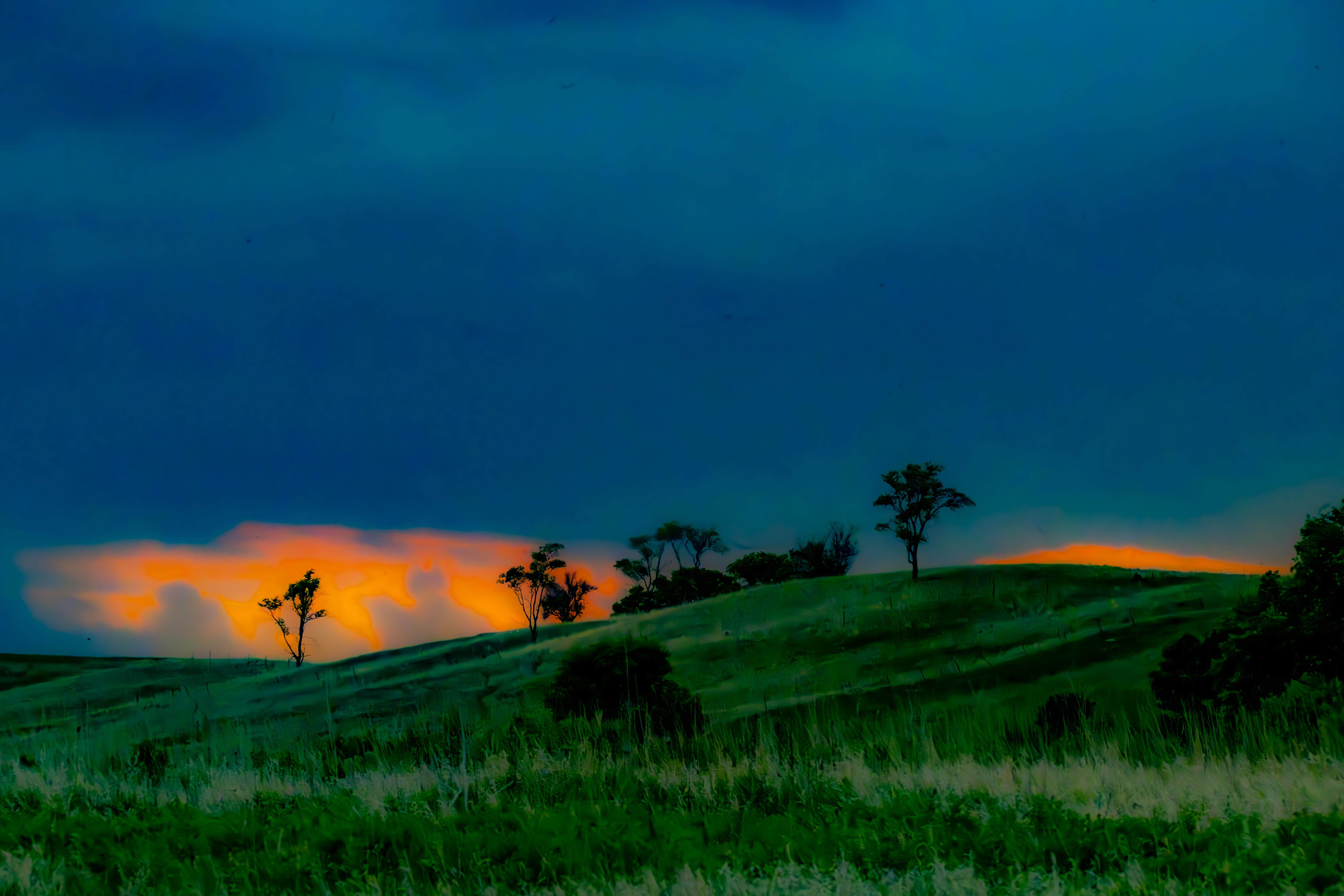
Back in May, above the Big Stone Moraine …

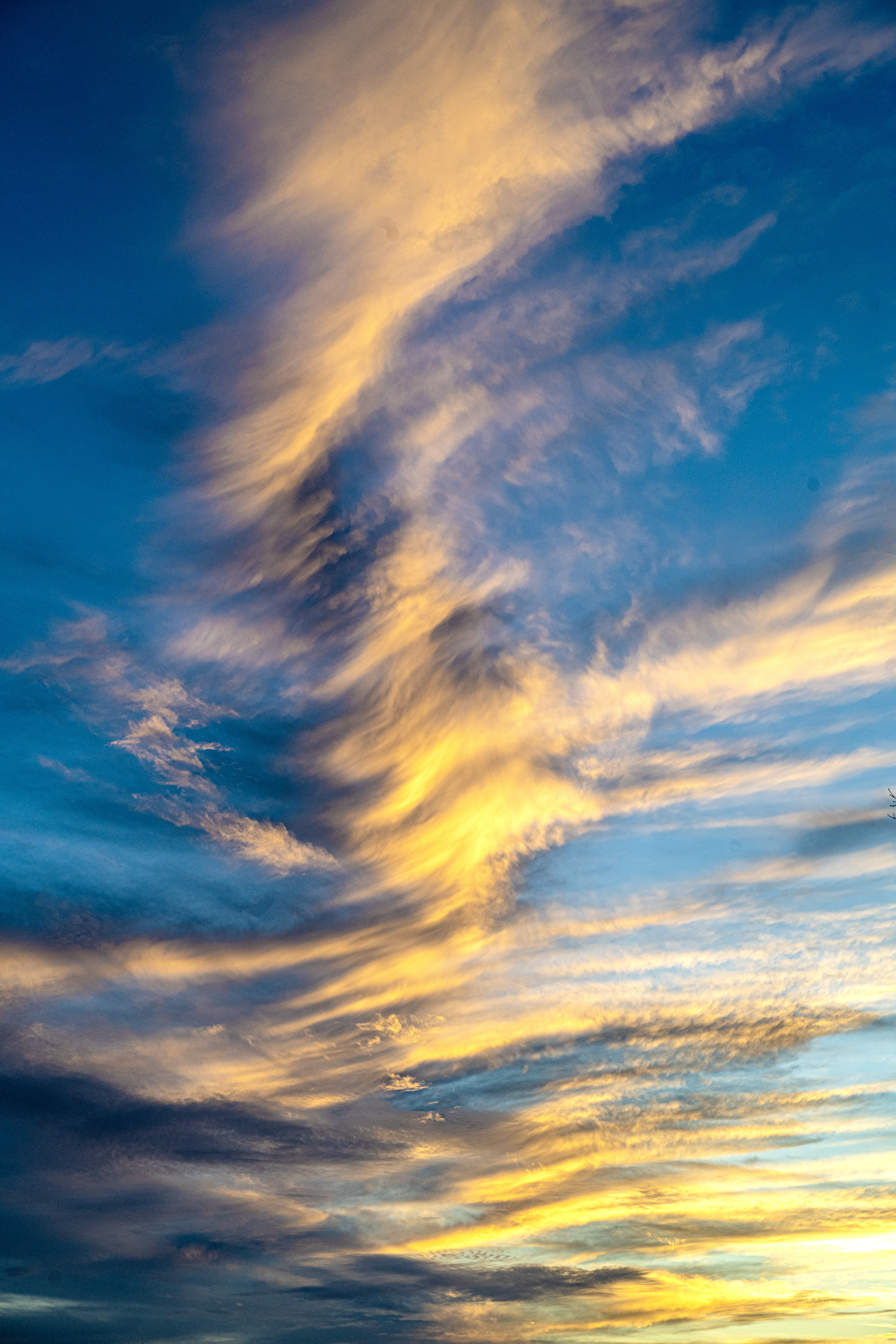
Frankly, for me at least, sunrises are seemingly more “grandeur” than those late afternoon sunsets. Oh, but the afterglows! Yes, Colorado and the other mountainous states have those moments when the afterglows are stunning, although I might suggest that the prairie skies are far from a shrinking violet as ambient colors create vistas as stunning as any view you might visualize in the mountains. Yes, they’re such a blessing!

And I almost always look eastward away from a setting sun in search of clouds and ambient colors, of softened light, of how it might blend with what a young friend calls the “rainbow sky along the horizon.” Sometimes the reflections in the wetlands adds another entirely beautiful spectrum to an image, and when you can add the turkey feet of the Big Bluestem, there is no question that you’re in a nice patch of prairie. 

And, when reflected in waters, this the Minnesota River, the pleasures are immense …

I have nothing against mountains, yet as Holm suggested, the vastness of a prairie sky can be just as humbling as it is magnificent. When those colors paint the clouds I’m often in awe. This reminder came to me again earlier this week with two incredible afterglows I was able to capture. 

Now in a more reflective period of my life, so many memories have a way of sneaking into my consciousness. Those times along the Mississippi, and those in the Plains and mountains of Colorado, offer strong moments of a wonderful past. Sometimes those moments are visual, and happen after the sun has lowered beneath the rim of the horizon and a pallet of ambient colors paint the clouds up above. No two, it seems, are ever alike, and in their own way, each individually, offers a unique vista. So thanks to all those folks in the mountains for what was then a new word, and still a reminder that sometimes the light after a sunset is often the most beautiful of all.

Along the River

Initially I didn’t realize I needed a river. We were simply on a lazy afternoon drive with only one commitment. Yet, there seemed to be a calling, one apparently buried deeply in subconsciousness.

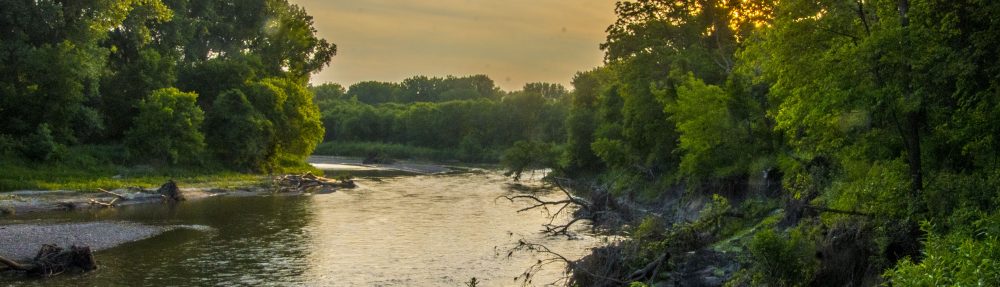
Yet, here we were. For thirty some years my “home river” was the Minnesota, from the headwaters at the foot of Big Stone Lake down to Mankato where it takes a serious bend to head northeasterly toward its confluence with what becomes the Mighty Mississippi. Hundreds of gneiss outcrops line the shores of the upper river, and eagles often man the riverine forestial  corridor. It’s a river that if one was blind to the murky waters it might suggest resemblance to the BWCA.

With a little time to kill before meeting up with an old friend in Granite Falls on Saturday, my car somehow ventured toward some of my old river haunts downriver, specifically to nearby Kinney’s Landing.

There would be no tag with this heron, who flew across the river away from us.

It was auspicious start for the picturesque access where we had launched our canoes so many times over so many of those years was both empty and appeared in disregard. Part of that is undoubtedly due to a summer of high water that prevented meeting up with my old fishing buddies for a bit of walleye and catfish angling. Floating the currents over many of those years to ease behind a dead fall to drop a baited hook has continued even though I have moved from the “upper” portion of the river to the headwaters an hour or so north by auto. Many overnight gravel bar camping trips happened along these waters with huge driftwood bonfires, lines on salt water rods set for all night flathead fishing while I typically did the honors of frying freshly caught catfish served with wine kept chilled in a cooler. Hey, we knew how to live.
Yes, I miss those times.

On this day the arched “church” of a tree way canopy overshadowed ample parking spaces I remembered being full so many times, and the landing itself was mired in a thick cake of mud. An old photo of the access captured on a foggy morning years ago graces my wall, a portrayal both charming and welcoming, a place where you might sit for awhile to take in the surroundings, to sniff the air and listen for feathery songs from the leafy canopy. On an otherwise warm autumn afternoon that would have been prime, such poetry was absent. 

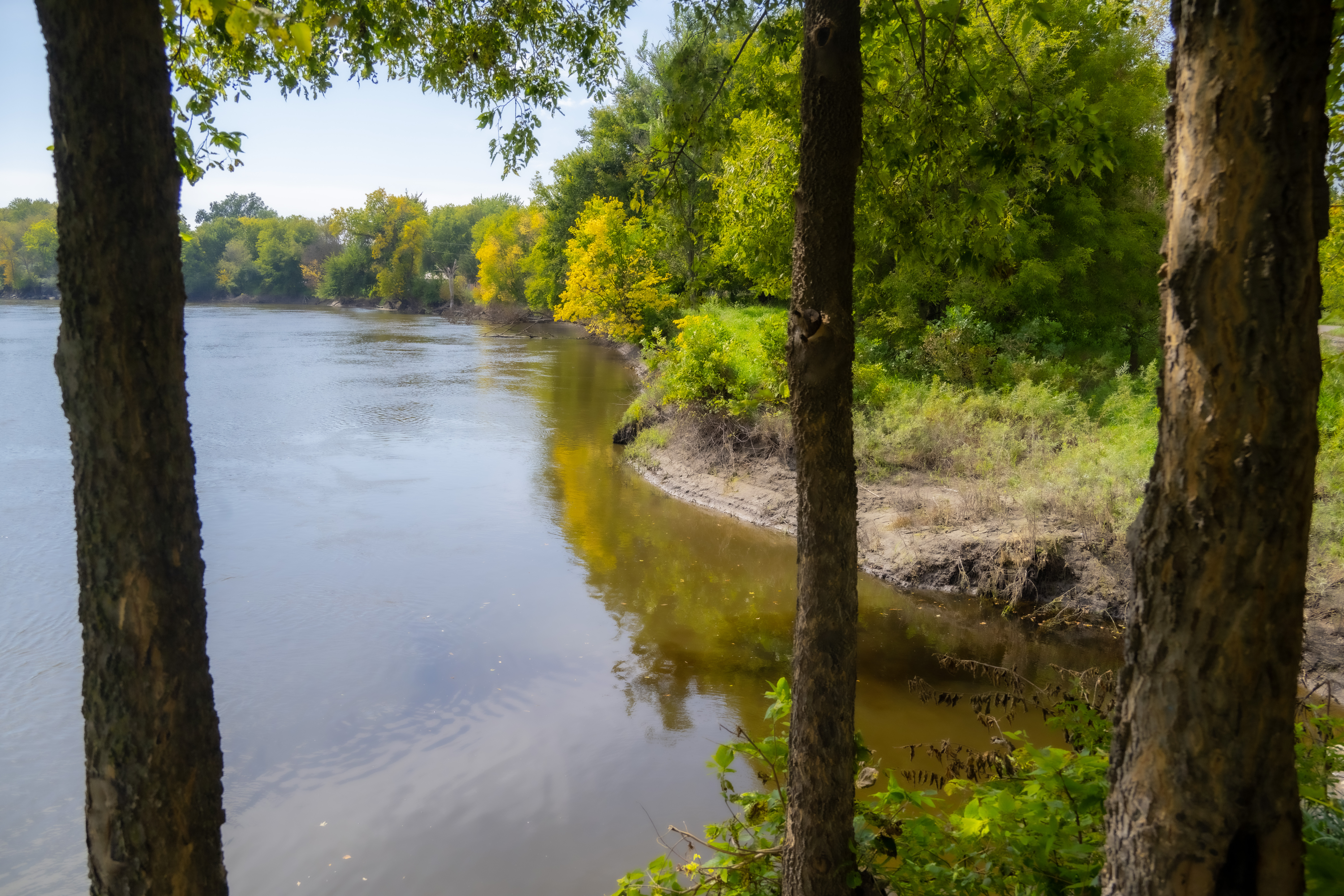
Leaves are just beginning to turn …

After several minutes we left to take a riverine gravel that hugs the “west” bank where we played tag with a Great Blue Heron, that quickly grew tired of us and angled across the river. The heron would basically be the only bird life we would encounter until we were near the headwaters hours later, where distant swallows livened a beautiful sunset. Yet, this was a familiar stretch, a length of river my writer and fishing buddy, Tom Cherveny, and I launched to paddle upstream to the Minnesota Falls Dam, which has since been removed. 

Before the dam removal the river spread almost lake-like to create numerous islands between downtown Granite and the dam. Just below the dam we caught stringers of nice catfish. When we paddled up to the dam from Kinney’s we would ease our way back, dropping lines along the deeper holes on the east bank and below a couple of river islands. Our heron had landed just downriver of the bigger of the two tree-blessed, rocky islands.

Now, at my age, standing on the bank and gazing at the murky waters, many fond memories of those trips came to mind. Moments that brought a smile, and a calmness that has seemed to be missing of late.

We caught the sunset at a bridge just west of Odessa.

Eventually, though, we headed toward Granite where a hydro dam still exists at the apex of this small, old artistic river town. Surprisingly there were no pelicans. Roberta, my dear partner, has expressed wonder about the sudden absence of the birds especially here in our home prairie. “I think we’re going to have a bad winter,” she’ll say. Perhaps, for on some of the prairie wetlands swans that typically have a couple of signets seemed to have hatched a half dozen or more this summer.

And, it seems as if one day our robust skies populated by two oriel species, brown thrashers, a brave catbird, Red Breasted Grosbeaks, umpteen swallows and even starlings became suddenly and eerily quiet. And, empty. Now? Sparrows and a few gold finches, slowly molting into their winter colors, fight squirrels for feeder space.

As we gazed at the rush of waters below the Granite dam she asked, “Are we following the river all the way home?” Well, yes, for you pretty much do, although you’ll cross the Chippewa, the Sag and the Pomme de Terre en route. We live here in a vast river valley, one created by the Glacial River Warren in whose abandoned bed now flows the minuscule Minnesota — by glacial standards. 

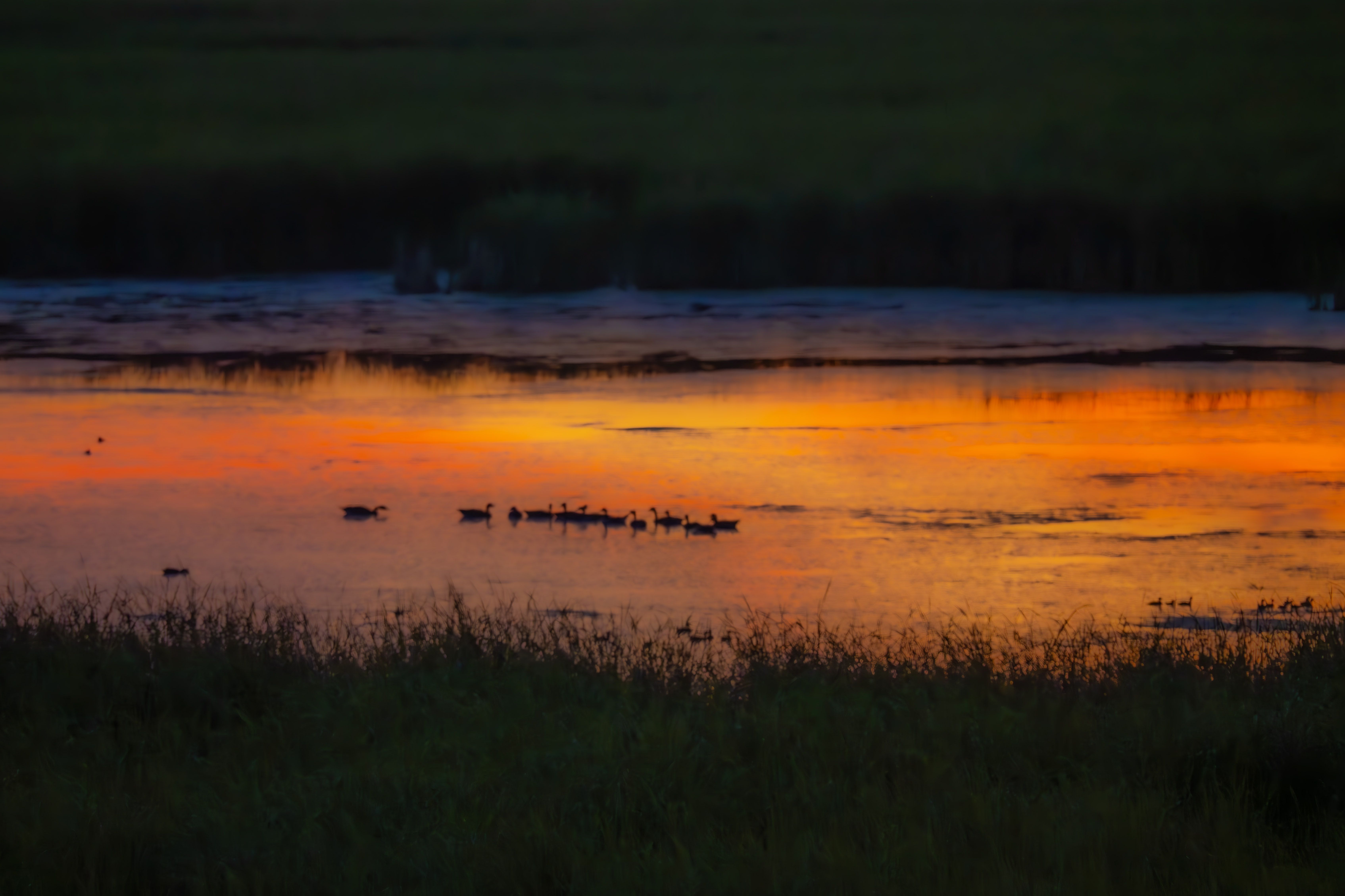
Hours later, when we reached the vast expanse of the Refuge, though, we were actually back to the banks of our namesake flowage. By then the sun had lowered in the western sky, and we had ample clouds to create some beautiful ambient post sunset color. What a blessing to behold, from the river view on the edge of Odessa and into the Refuge itself, where we found reflected colorful skies in windless waters. Being along the river was actually an unexpected blessing, although one that was thoroughly needed. At least subconsciously.

A fitting conclusion to a beautiful “river day!”

You see, I fear our times, of our loss of compassion and caring for others. It seems increasingly difficult to know the feelings of old friends who are revealing personal thoughts so different than you believed we collectively shared. So on an afternoon of what I later realized was an internal discord, I came to realize just how much I needed a river. My river. A river so mistreated with siltation and chemical runoff, yet one that has followed the same channel since the breakthrough of Lake Agassiz some 10,000 years ago, waters that just keeps ambling along, sandpapering sad thoughts and sending the chaff off along in the down river currents. 

Then there was a heron, perched in the shallows, a dark crown over its grayish blueness, and there was a flow that sometimes in less flooded times offers ripples through shallows for a sense of calmness. And now on an autumn afternoon the wooded riverine banks are taking on a magical transformation of color, and on this, an evening with troublesome anxieties, when the skies came alive with such an amazing palate of color … these are times when little feels better than the comfort of being along the river.