Unknown's avatar

About John G. White

Somewhat retired after a long award-winning career in newspapers (Wisconsin State Journal, Dubuque Telegraph-Herald, Denver Post and a country weekly, the Clara City Herald). Free lance photographer and writer with credits in more than 70 magazines. Editor with various Webb Publishing magazines in St. Paul, and a five year stint as editorial director at Miller Meester Advertising.

Epaulets of the Prairie

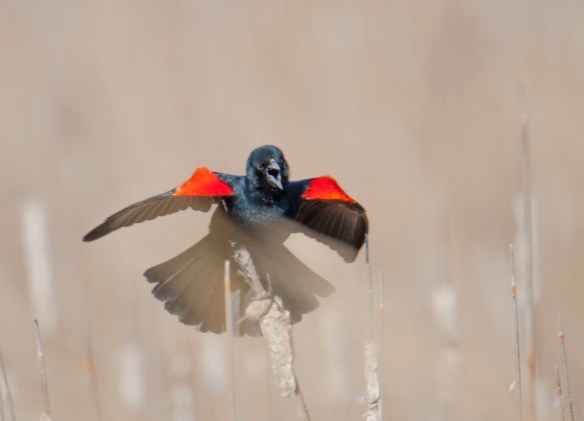
A week or so ago a dear friend excitedly said she had seen her first Redwing Blackbirds of spring in a wetland about an hour downriver from here. It was nice learning of others who see this King of the Cattails as one of the harbingers of spring.

4.13.15 blackbirdsa

A murmuration comes into a wetland at Big Stone National Wildlife Refuge.

Imagine my pleasure a few days later as I settled into one of the Adirondack chairs on the deck with an early afternoon glass of wine to find a small group of them flying from tree to tree, and back again, right in the backyard of Listening Stones Farm, all decked out with their distinctive epaulets ablaze in the warming prairie sun. With the geese and ducks occupying the two nearby wetlands, often lifting in flocks in unison, with a steady honking off in the distance, with the occasional white winged Terns effortlessly drifting by on wings of wind adding another level of punctuation, the entirety making for a sweet and splendid afternoon.

3.12.16 redwings2

Part of the grouping of Redwing Blackbirds in the tree next to the studio.

Interestingly, having Redwings in the yard isn’t all that rare. We had even one that continually came to the hanging feeding most of last summer, comically struggling to maintain balance on the little perches while doing birdish-like yoga asthmas while digging for sunflower seeds. Rather than hanging out in one of the nearby wetlands, this male made a home in our lower prairie, perching on a spindly prairie sunflower to call out its throaty, high slurred whistle, “Terrr-eeee! Terrr-eeee!”
3.12.16 redwings1
Obviously these are among my favorite birds, although I admit to being rather a fickle lover. Great Blue Herons. White Pelicans, especially in flight. Cedar Waxwings. Redpolls. Any number of warblers. Wild Turkeys. The list continues on and on, and I could make a legitimate argument for each, though no more so than for the Redwing Blackbird.
redwing2

A warning given!

Redwing Blackbirds were one of the pure joys of going up to my grandfather’s farm pond as a boy, which was the only pond on the farm at the time with a near full ring of cattails along the edges. Fortunately there were just enough “holes” in the rushes that you could flip a fly to attract a bluegill, or even have an explosion from the top water attack by a largemouth bass if your fly was close enough to the edge of the spindly stalks. Such memories include standing next to my mother as she tossed a cork and worm-ladened hook from her cane pole in the same region. Like being on the deck on this sunny and warmish day, all lovely afternoons well spent. While we fished, Redwings would watch warily, often scolding us angrily.

Redwings are one of the first migrating bird species to arrive each spring, and usually in this part of Minnesota by mid-March. While others express excitement over the first sightings of Robins, my focus was always on Redwings. Unfortunately, they are also one of the first birds to leave in the annual migration to Central America each July. They begin flocking up in mumurations … named, I’m sure, for the sound of the hundreds of birds “murmuring” at once much like the sound one hears at a sports stadium full of humans … to fly from one farmstead grove to another. Along Big Stone Lake, a couple of miles south of the farm, you’ll see vast ribbons of murmurations in August before they suddenly disappear almost as magically as they appear in the spring.

redwing1

Finding a nice perch seems to be among the joys as the birds establish a territory.

One of my first “scientific” papers from college was a mapping of Redwing territories on that pond of my grandfather. A couple of years ago when back home going through old boxes after the death of my parents we came across a box of my old magazine articles and newspaper columns my mother had somehow found and collected, stored neatly in a cardboard box. Near the bottom I found the old term paper from my Ornithology class, where the professor wrote, “Interesting, although I am wondering how you were able to distinguish the actual male territories without the aid of banding.” On it was a classic C- grade. As I was told the following semester by forestry professor, “I hate to tell you this, but you are not a scientist. Your mind just works differently.” I’m sure the birdman felt similarly. My mother, and her sister, Helen were the analytical, mathematical types. I was not.

Listening Stones Farm is on the Flyway, and right on the territorial cusp of where the Redwings and Yellow Headed Blackbirds actually mix. It isn’t uncommon to see both species sharing the cattails of a wetland all through this area of the prairie. Both are beautiful birds, and I enjoy making photographs of either. The Yellow Headed are usually late to the party, though.

clinton10a

A male Redwing in a perfect late afternoon prairie setting next to a wetland in the Clinton Prairie.

As March marches onward, as you drive in the Big Stone Wildlife Refuge, or by any of our nearby wetlands, you will see the male Redwings staking their individual territories, dotting acres of cattails on sentinel stakes above the bent and beat-down stalks from over the winter, those epaulets lighting up the wetlands. Oh but what a welcomed sight after even a mild, short and basically ugly winter.

Finding Self

A fog lay heavy like a thick winter quilt over the prairie on a recent morning. Beyond vision in the depth of grayness, skeins of geese flew overhead creating spring music so dear to hear. Joe Pye pranced and sniffed with cautiousness in his discoveries, more dog than puppy, looking up often in search of the sound makers.

In the afternoon wind moved dormant bluestem and browned native prairie forbs and grasses from gentle sways to near violent gusty whips. Skeins are easily visible seen, and often several vees stretch at once across the sky with honking as loud as in the morning fog, though less haunting.

hat

The “emptiness” of Rebecca’s gardening hat left on the sill of the “summer kitchen” with the winter prairie seemed like requiem for the relationship.

A friend wrote that she had seen her first Redwing Blackbird in a marsh about an hour south of the farm. Finally. Redwings have for years been my harbinger of spring. Although I feel the warming is too early, it is still welcome.

These brisk mornings give way to afternoons warm enough for little more than a long-sleeved shirt. There is a sense of freedom about not having to bundle up.

A road trip to the dentist allowed the crossing of the Chippewa River, which went from looking clogged with ice floes early this morning to a gurgling openness by mid-afternoon. Indeed, a quick hike in the fog this morning found plants dotted with dew, not ice, clinging tightly to browned arms. We are speaking of water now, not ice. Droplets, rivulets and puddles, like the river, free of icy hardness.

2.3.16 sumac1

On the few times I was out, I was looking for gaiety and color.

Spring, the season of renewal, is nearly upon us. This sense of change is necessary as much personally as it is earth-wise.

It has been some time since I’ve bothered to write, with exception of the journal I sometimes scribble with my thoughts. Much has happened personally since my last post. Some readers are aware that my wife and partner, Rebecca, asked for a divorce in early January, and has since moved “home” to Vermillion, South Dakota. Her decision was shocking in that I didn’t see it coming, and was not a decision I desired. There is no need for detail nor a rendering of my emotions.

3.7.16 fog3

Simplicity and minimalism seemed to dominate the few images I made.

So I find myself, like earth around me, needing a season of renewal, of finding self. I’ve not been able to write much beyond the deeply personal scribblings in the journal. Nor have I had much desire to make photographs. As time eases along I can feel this spirit of creativity slowly returning. One might say I’m moving from the “whys” to the “what next” stage of the healing process, and in this uncharted personal journey this is a significant step.

This has not been a picturesque winter. I worry that perhaps this is on me, that I may have lost “vision” of the nuances and beauty of the prairie. Over the past week, though, I’ve begun carrying the camera more and even embarking on photo-specific road trips. Finding self is an interesting adventure, especially when you have felt so lost. They tell you to take one step at a time, and with that there is a healing.
3.4.16 me1a

Some viewers read despair and sadness in this image, while some saw hope. To me it spoke of both, and of a world suddenly empty.

Looking back over the few images I made, the themes are simple. Some are weighted by symbolism I felt at the time. None more so than that of a crow on ice. Some say the image seems full of sadness while others have spoken of the hope it shows. I can see both, yet for me it symbolizes the sense of loneness in a vast unknown.

A Fun Year in Review

1.6.15

January – Prairie Ribbon, a canvas that was chosen in three juried shows in 2015.

On the evening of the Winter Solstice, a dear friend was photographing people at the party with an ancient 35 mm Leica. When I was studying photojournalism at the University of Missouri, the purists (with money) used Leicas because they were incredibly quiet when compared with the Nikons of the day. A “purist” would suggest that the Leica was much less intrusive, allowing them to photograph life more covertly.

My friend is a fine photographer, and his photographs from the party were well done. At one point as we sat around a campfire we talked about Leicas, of photography, and of photojournalism. He asked specifically if I still photographed people. “Not so much,” I answered. “After 50 some years of people journalism as a career, I’m enjoying my freedom.”

When I look back at my career, especially this time of year, there is one aspect I do miss from those years working for newspapers: choosing your favorite photograph of the year. The main reason for the assignment was to fill the news hole in the time between Christmas and New Years when life typically slows for a week. While it was fun to look over a body of work to see if there was professional growth, it was equally fun to see if a particular story or photograph stood the test of time.

So now, in my second “career,” I’ve assigned myself to review my latest body of work — capturing that last one percent of the remaining remnants of prairie in the pothole region of Minnesota. Making this an interesting year for me was in trying to emulate a couple of very talented artists who embraced personal assignments of creating a meaningful image one day at a time. The idea came to me about this time a year ago as I watched an artist friend who lives near Duluth complete painting a day for an entire year. Many of us, including that artist, Karen Savage, was inspired by the work of nature photographer Jim Brandenburg, who has now published two books of photographs comprised of shooting one frame a day for 90 straight days. If Brandenburg and Savage could commit to such discipline, then I could as well.

Although it sounds simple in concept, the reality isn’t as simple as it sounds. There were days when I took only a single frame. Other days I had a variety to choose from. The challenge is to avoid falling into a subject and lighting rut. You should be aware of subject variance, a mix of focus, varying the light and natural color — and there were those gray, dull winter-ish days when getting an image with any kind of light was a challenge.

Starting almost a year ago on January 1, 2015, Rebecca and I took a walk on our home prairie and I captured my first image. On the second, I took another. And so on for all of January into February, which included a trip to Norway for two weeks where I was able to keep the string going. Upon returning home I kept up the effort until a day when I was actually too sick from the flu to climb from bed. By then I was up to 71 days. Though the chain of days was broken, over the course of the year I still made it into the prairie several times a week to continue the quest. Needless to say, I have a huge body of work from 2015.

Yes, it was a very good year. It was both fun and successful. My Prairie Impressions collection was exhibited in two galleries as single artist hangings , and some of my images were chosen in three juried exhibits —  the <5000 at the Center For Small Towns at the University of Minnesota-Morris; the annual Horizontal Grandeur in Morris; and Artscape 2015 in New Ulm. I also compiled a completely separate exhibit titled the Art of Erosion with sponsorship from CURE (Clean Up the River Environment). That show had three hangings in 2015, and is scheduled for at least two for this coming year, including a regional Smithsonian Institute exhibit at Prairie Wood Environmental Learning Center starting in July. This was also my second year on the Upper Minnesota River Arts Meander. Selected canvases were also on exhibit at the Art House in Ortonville, and in the lobby of Big Stone State Park.

12.3.15 hoar7

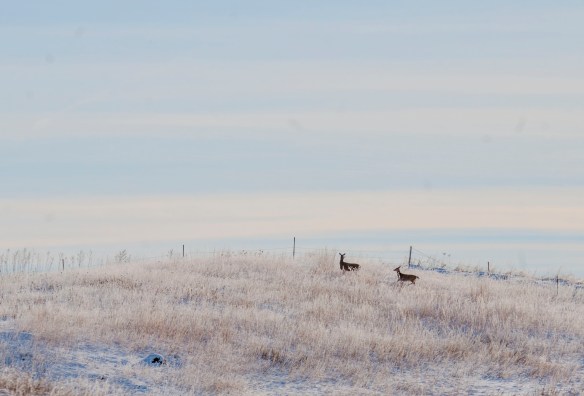
December – a doe and yearling fawn in prairie grass coated with hoarfrost.

In addition, my Prairie Impressions work is scheduled for shows in Montevideo in February and in Willmar next July and August.

In making this selection, my goal was to select a single image from each month. Some months were simple, where one photograph simply stood out from the rest. Some months were more difficult. Actually, from April through December as many as seven photographs were on the board before a final selection was made. Yet, it was all in fun. And, I also chose one photograph as my favorite of the year  for a “baker’s dozen.” Hopefully you will find my exercise entertaining and will enjoy the photography.

9.5.15 WMA3

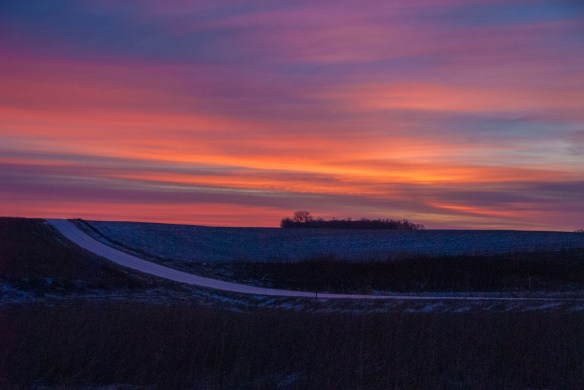
Favorite of the year, a country road near us after a sunset.

So, Happy New Year, everyone! May we all be healthy and happy as we move through the coming days, weeks and months of the new year.

Horizons

Often I feel haunted by what might have been, or perhaps more accurately, how it used to be — while realizing it will never be. I write of the prairie, or again more accurately, of what was formerly the prairie.

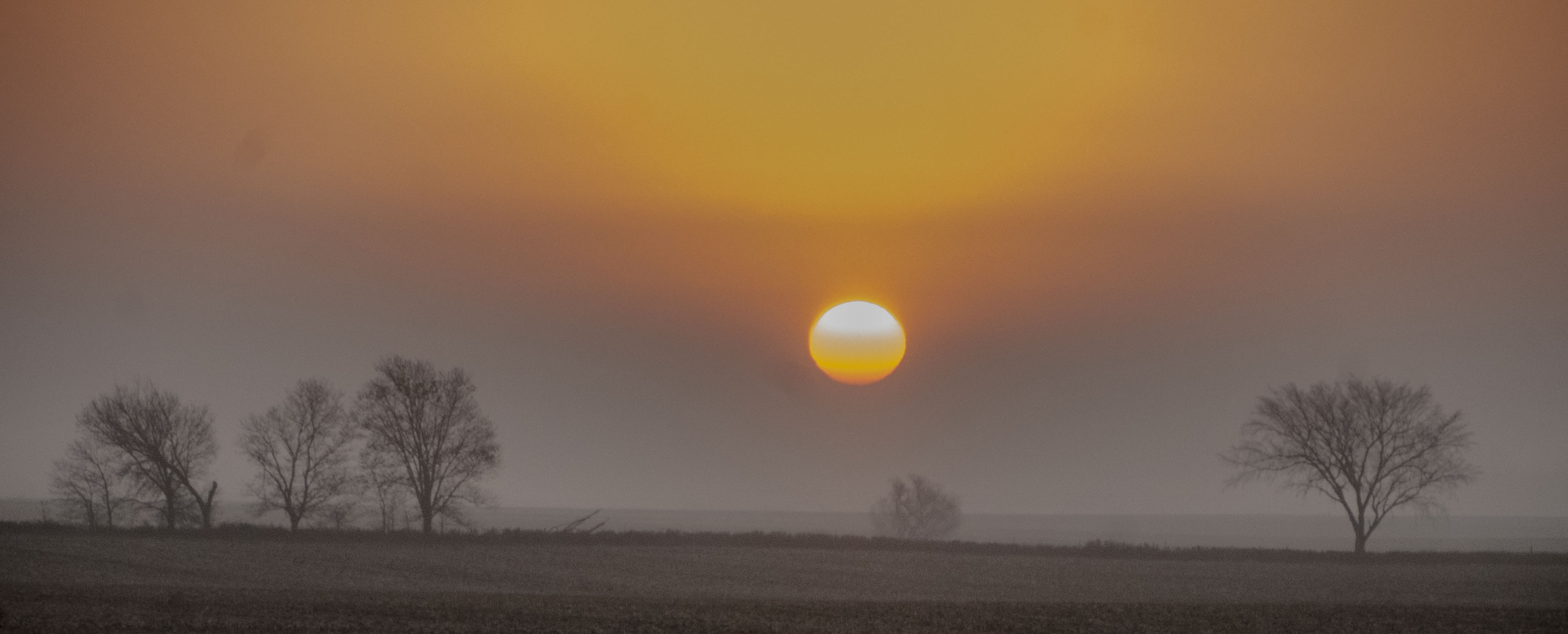
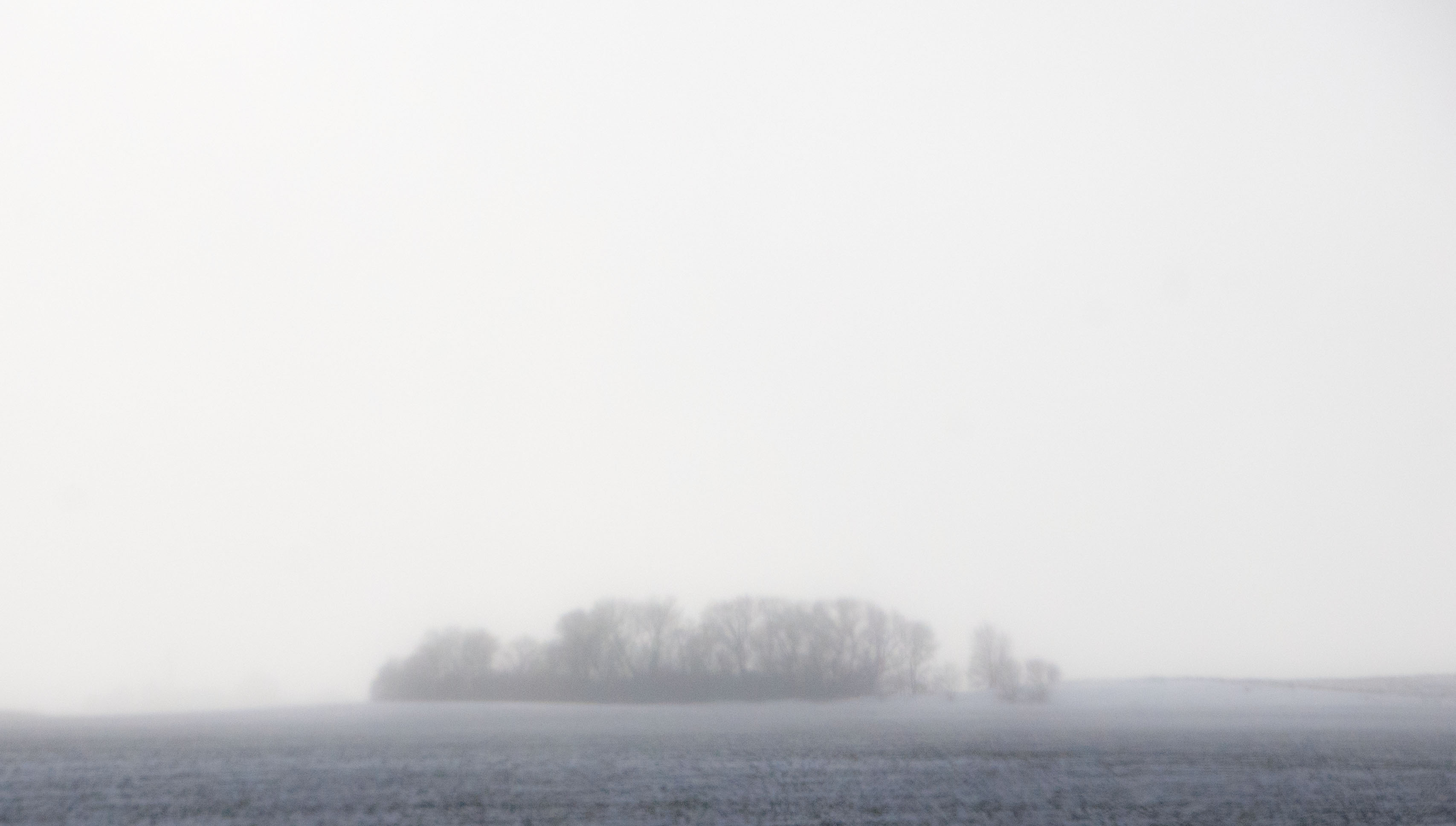
This haunting came back to me one recent foggy morning while standing on a rise overlooking a frozen wetland near our farm. With the low morning sun and the fog, it was nearly impossible to make out the rows of untilled corn stalks adjacent to the native grasses. We are fortunate that our neighbors in Minnesota’s Big Stone County have retained many of their wetlands, so once again my mind played the what-might-have-been card. On mornings like these you can almost see back to yesteryear without even closing your eyes. There in front of me was the “ghost” of a prairie horizon, ghosts of which I’ve been seeking to photograph for a few years now.

After years of capturing intimate images of pieces of the fractured prairie, one late afternoon I pulled off the gravel road that divides the Bonanza Area of Big Stone State Park and gazed up at the native prairie grasses and burr oaks that grace the hills above the lake. As I watched the winds caress the spindly spines of bluestem and Indian grass, I realized I was viewing a rare scene — an actual, almost pure prairie horizon. Of course, just out of sight and over the cusp was a woven wire fence, and there was the road, so this was at best a narrow ribbon tease of the distant past. That was when I began to wonder if could I pull away from my close up style of prairie imagery that has gained me a fair audience over time and make photographs of horizons? Was it possible to do both effectively?

horizons1

Prairie grasses and burr oaks give visitors to the Bonanza area of Big Stone State Park a glimpse of an original prairie landscape.

In those “artist statements” required of the juried shows, I use a basic personal “boiler plate” where I describe my goal of portraying this last one percent of (a previous landscape, environmental ecology and/or biome) prairie potholes that was once a signature of most of Western Minnesota and the East River region of the Dakotas. Nowhere on earth has man so altered a natural biome. Yes, 99 percent of the native prairie and a like percentage of the wetlands (potholes, sloughs or shallow lakes) has been ditched, tiled and drained and replaced by what in the last 70 plus years has “evolved” into industrialized agriculture. Truthfully, no one alive today can recall the pre-settler landscape. It’s long gone.

Cottonwoods on Lost Creek

Are the cottonwoods along Lost Creek a look into the past?

As I tried to change my viewing away from details to vistas, I was in for a mild surprise: the nearly impossibility to shoot a picture of a horizon, or landscape, without showing some affect of mankind. Power lines. Jet contrails in the sky. Row crops. A house or abandoned farm grove. Or, if you’re a rigid prairie fanatic, and yes, there are some around, who find non-native trees that have taken root just as invasive as the roads and power lines. In the olden days before settlement, native tree species on the uplands were basically burr oaks. In the wetlands you could supposedly find willows rising from the cattails, and along the rivers, tall and commanding cottonwoods. Most of the rest of the tree species were introduced. Cores pulled from the few remaining wetlands provide clues to what was alive since the last glacier 12,000 years ago.

So, in short, my work to capture a series I had intended to call “Horizons” has not worked out, although that doesn’t stop me from dreaming as I did on this recent foggy morning.

This isn’t to say I advocate returning the prairie to pre-settlement days as some of my critics have suggested as my goal. Not only is that unrealistic, neither is it a goal. Can’t we strive for a balance the forefathers ignored? Many years ago I interviewed a county commissioner whose political career began when as a young dairy farmer he became a community organizer in an effort to create a favorable vote to channelize Hawk Creek and have it permanently reclassified as a “federal ditch.” He mistrusted my intent with the story and said more than once: “We don’t want to go back to those days of fighting mud and mosquitoes. This is a vast improvement over those days.”

3.29.15 blow2

This area of Chippewa County is called the “black desert” because it is basically exposed black dirt between plow down and protective crop canopy … sometimes eight months between the two.

A few years back CREP helped restore some acres that should have never been plowed, yet was only a “drop in the bucket.” Adding to my concern is that we simply aren’t taking adequate care of what we have altered. We see very little use of cover crops, and one young farmer told me that it is likely a waste of money because by the time harvest is completed there isn’t enough growing season to establish a cover crop. My argument is that there are forward thinking farmers who are successfully using cover crops to protect their soils. No till is another tactic, and perhaps the least expensive of all is to simply quit fall tillage. Meanwhile we see ample evidence of soils blowing and washing away without any real protection for the eight months between harvest and adequate crop canopy. Stubborn wetlands resist efficient drainage, and farmers insist on planting corn, soybeans and sugarbeets both there and on the hillside blowouts that glow a bright tan where the topsoil has eroded away.

8.26.15 wmasunrise10

An image from a foggy sunrise on a nearby WMA where the bluestem florishes.

Multiple studies have shown that today’s agriculture has basically ruined our lakes and rivers in the southern half of the state. The lakes around Albert Lea, for example, are so polluted that I’ve never seen a boat in nearly 35 years of travel over the I-35 bridge. a trip I’ve made numerous times. Former community celebrations honoring the two lakes there have reportedly died because those lakes are lifeless from the runoff of industrialized farm chemicals. This is a familiar story in many of the sparse, undrained lakes below I-94 and into northern Iowa and more recently into the Eastern Dakotas.

12.6.15 fog.sunrise10a

My most recent horizon image shows a frozen wetland surrounded by prairie. Many farmers in Big Stone County have retained their wetlands.

My apologies for climbing upon the soapbox since this began as a statement about a severe lack of unblemished prairie horizons and became a conservation policy rant. Yet, it is what it is. In reality, the prairie no longer exists. If you look hard enough, and long enough, you’ll find remnants of restored native grasslands, and even fewer rare instances of actual virgin prairie. As long as we maintain and adhere to the policies promoted by the USDA’s Farm Bill, industrialized agriculture will remain king. And you will know that by looking across the landscape searching for a human-free horizon … unless you’re blessed by heavy fog.

Good Enough for Chickens

My new barn doors are securely in place, and a passerby might take note of them for a second or two in passing. They might remember the original doors, weathered and worn as they were, or perhaps that we now have color coordinated doors hanging in their place. Like a book cover, there is bit more there than meets the eye. And, I can blame that on my dear mother. Here is why:

As a college graduation gift, my mother and a handful of her women friends climbed into a sedan and motored off toward the Carolinas  on the first leg of a cross country, two-country car trip. They ventured north along the coast to New York City, then north into Canada, eventually making it back safely to Missouri. In our family this was known as the “Trip of ‘39” and was a defining experience for more than my mother.


before1

The original doors were in rough shape, and were too short to keep the chickens at bay.

That spirit of adventure, that doing something even if you don’t know the eventual outcome, was a defining characteristic she passed along to her children. Women just didn’t do these things back in 1939. Besides being “unladylike” and dangerous, cars, and the tires they rode on, were quite inferior to what we now have, and there was certainly no interstate highway system. Blue highways and back roads. Little did these hurdles matter. That, as many have said, was my mother. Why let a little thing like not knowing you can do something stand in your way? “You won’t know unless you try,” she was fond of saying. If there is a problem, then figure it out.
She also insisted on constantly having a “hand hobby” … for if you work with your brain, use your hands for relaxation. So we grew up with hundreds of hobbies, various puzzles, and a growing checklist of odd skills. She cautioned against worrying about what others might think because you had to be true to yourself. Oh, and always be curious.


during2

The components were sawn and pre-painted before being put together.

As I sturdily stride into my 70s, I still find much blame to place on my mother. And, I should add, my blame comes not from one of those soul searching therapy sessions but rather from another jump into something I have not done before. This time it was building that set of barn doors.
Over my many years there are numerous things I’ve done that started simply as a whim if not a necessity. Because either I didn’t have the money to buy something, or to have someone else build it, or that I just wanted to see if I could do it. Rarely did I know what I was getting myself into, or even if I had the skills to do a passable job. Take remodeling houses, each with unique projects and jobs that needed to be accomplished. Hanging and mudding drywall, for example. Laying tile, or putting down a hardwood floor. What about building of my own fly rods, and wood strip canoes? Or, to be highly specific, even becoming a writer and photographer simply because I wanted to.
during3

And now, building barn doors.

To be frank, this wasn’t a task I was either anticipating or yearning to do. When we bought Listening Stones Farm, the previous owner told us that if we ever replaced the old barn doors on the “goat barn,” that they wanted their doors back as keepsakes. They’re in rough shape, actually. And, they were too short to keep chickens out of the barn, so we have kept a large cattle fence panel across the front of the opening to discourage their attempts to get inside.

It was not my intention to build them. Initially I meant to simply install an ordinary overhead garage door in the space. I just happened to mention that idea to Rebecca moments before calling our local lumber dealer for a quote. Apparently our ideas for filling that opening were quite different. Since there didn’t appear to be much room for compromise, I ended up with the task of building them myself.

On a morning when our internet was actually working, a search secured a simple concept of a plan, and before you could start and finish a marathon I was outside with my trusty tape measure and a blank sheet of paper writing down measurements to go along with my scribbled sketchings. Yes, I did call the lumber man, and a few days later their muscular “grip”, Lyle, arrived with a pickup load of one by fours and two exterior wall panels. Paint and screws were fetched and off I stepped into the blissful tape measured abyss.


during6

Finally painted and pieced together, the doors are about ready to be placed on the barn.

Among the oddest aspects of any of my new projects are the visualizations, particularly those that come sneaking into my consciousness in the darkness of night! This happened once again, and I actually confidently began sawing the pieces that would become the framework over the wall panels thanks to those sleep distractions.

Some of those midnight visualizations was in making a secure framework. Long impact screws might work, although even my longest ones were too short. A builder buddy told me when we were remodeling the house that the strongest ties using the screws was to put them in at an angle. The first corner was perfect coming in from an angle. Strong and secure. The second, though, caused the pine to split so much that the cross piece had to be replaced. Longer screws that would cover the width and secure the distant boards came in the next midnight awakening. My hardware people over in Milbank had five inch impact screws which would get through the 3 1/2 in. width with enough length to pull the two boards securely together. Great in theory, wrong in practice, for each of the long screws would ricochet somewhere in the drilling and come blasting through the wood somewhere. So much for midnight visualizations.

In the end, the panel pieces were simply scrunched together and screwed onto, and partially through, the panels from both front and back. It seemed to work, as did pre-painting all the wood components prior to piecing them together. Finally the framed doors came  together, and my friend Rick came over to help hinge them onto the support beams of the little barn.


almost after

The new doors are now up, and “good enough for chickens.”

I can look at them in pride, and note the mistakes without knowing exactly how to cure them. Several years ago back in rural Hastings, I was shadowed constantly by a neighborhood girl before she was stricken by puberty, who had a saying I’ve used numerous times since: “Hey, John,” she’d say. “It’s good enough for chickens!”

From the vantage point of the deck I think my mother would be proud of how those new barn doors look, and of the various puzzling challenges that were overcome in the building. It wasn’t as adventuresome nor as dramatic as her  Trip of ‘39, but … as little Naomi would say … they’re “good enough for chickens!”


Autumn 2015: Photography Blog

After considering posting a grouping of seasonal images since late last winter, I’ve finally bowed to doing so. A grouping from this past fall …

10.9.15 tripping16

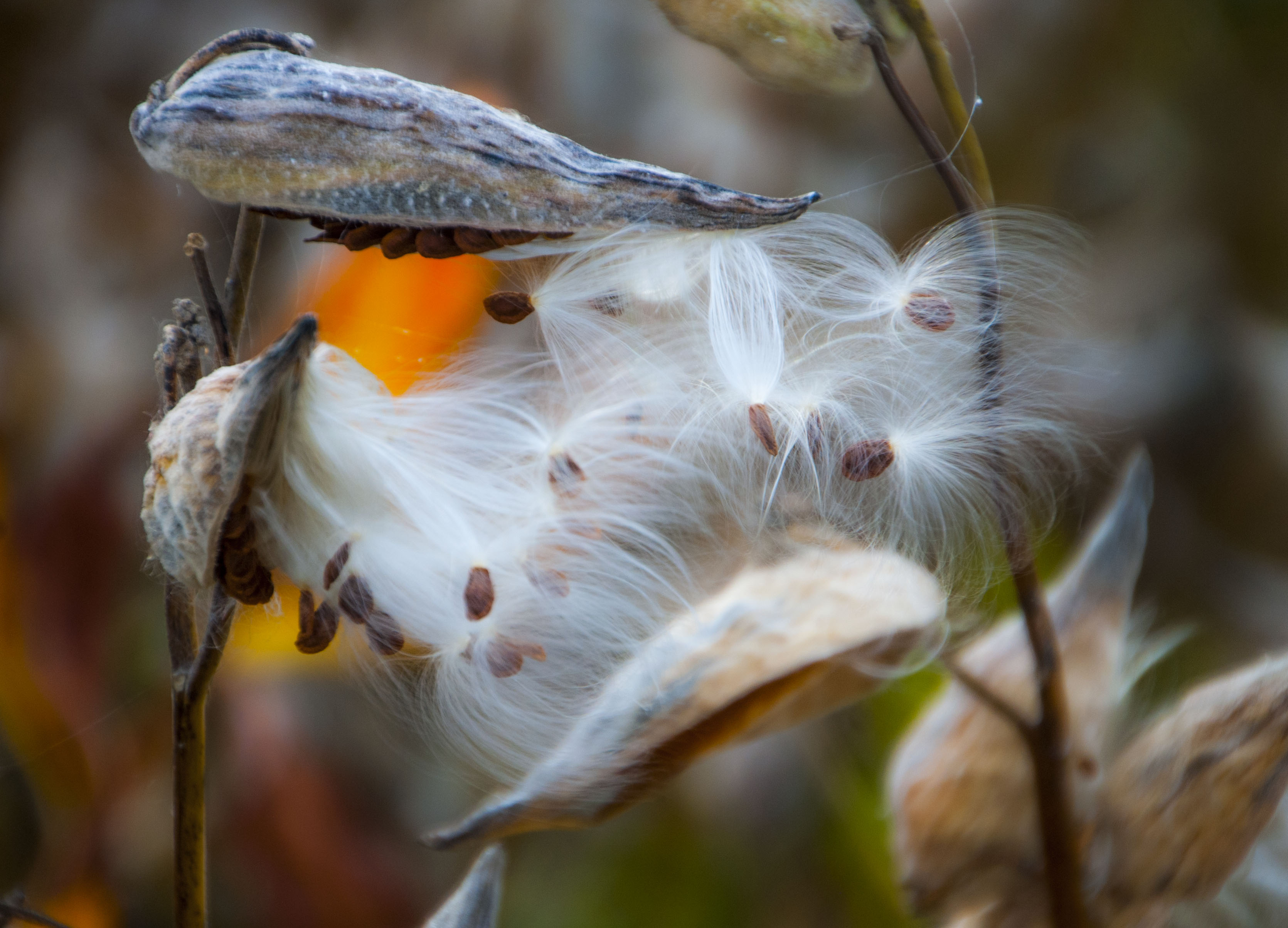
Milkweed seeds stretched by a prairie wind.

11.2.15 road3

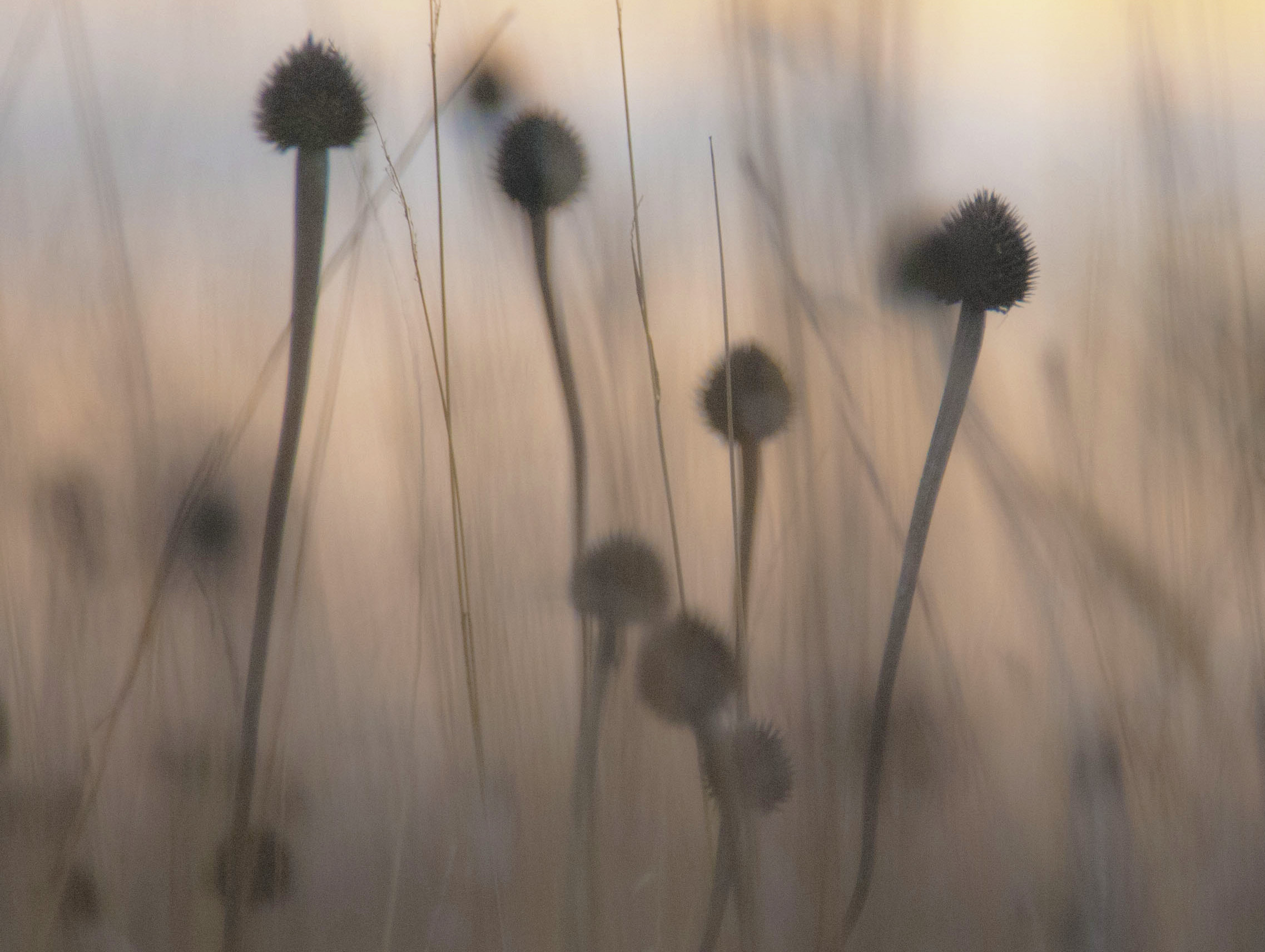
After sitting in the prairie grasses for nearly an hour waiting for another one of those glowing red sunsets, I came away feeling pleased with the soft, muted beauty of the cone flower heads.

Ardie's Pond

An autumn portrayal of Ardie’s Pond … where Rebecca and other friends of Ardie’s come to swim.

Autumn Roadside Celebration

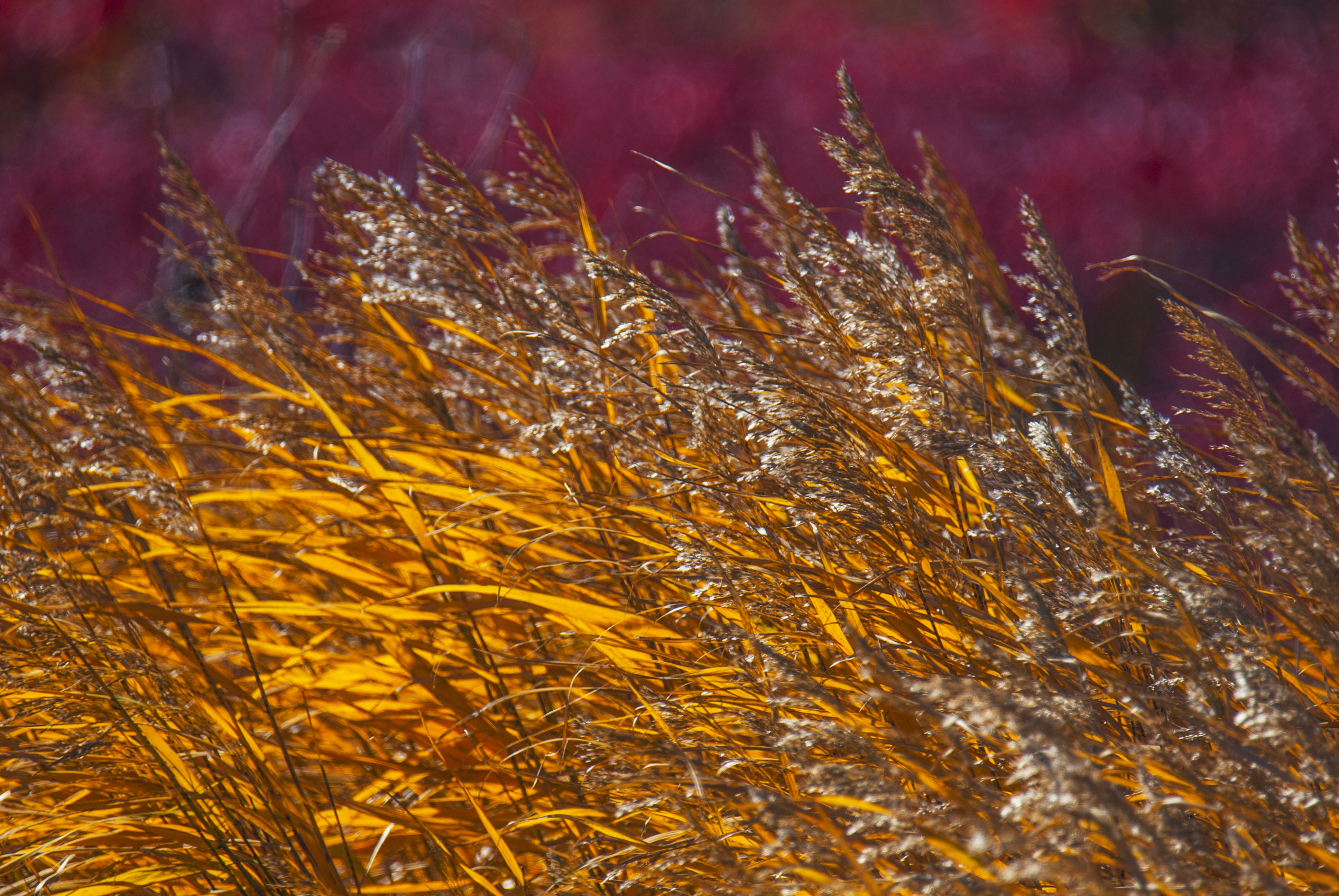
Mixing the colors of roadside prairie grasses with the reds of sumac in the background.

Buck at Bonanza

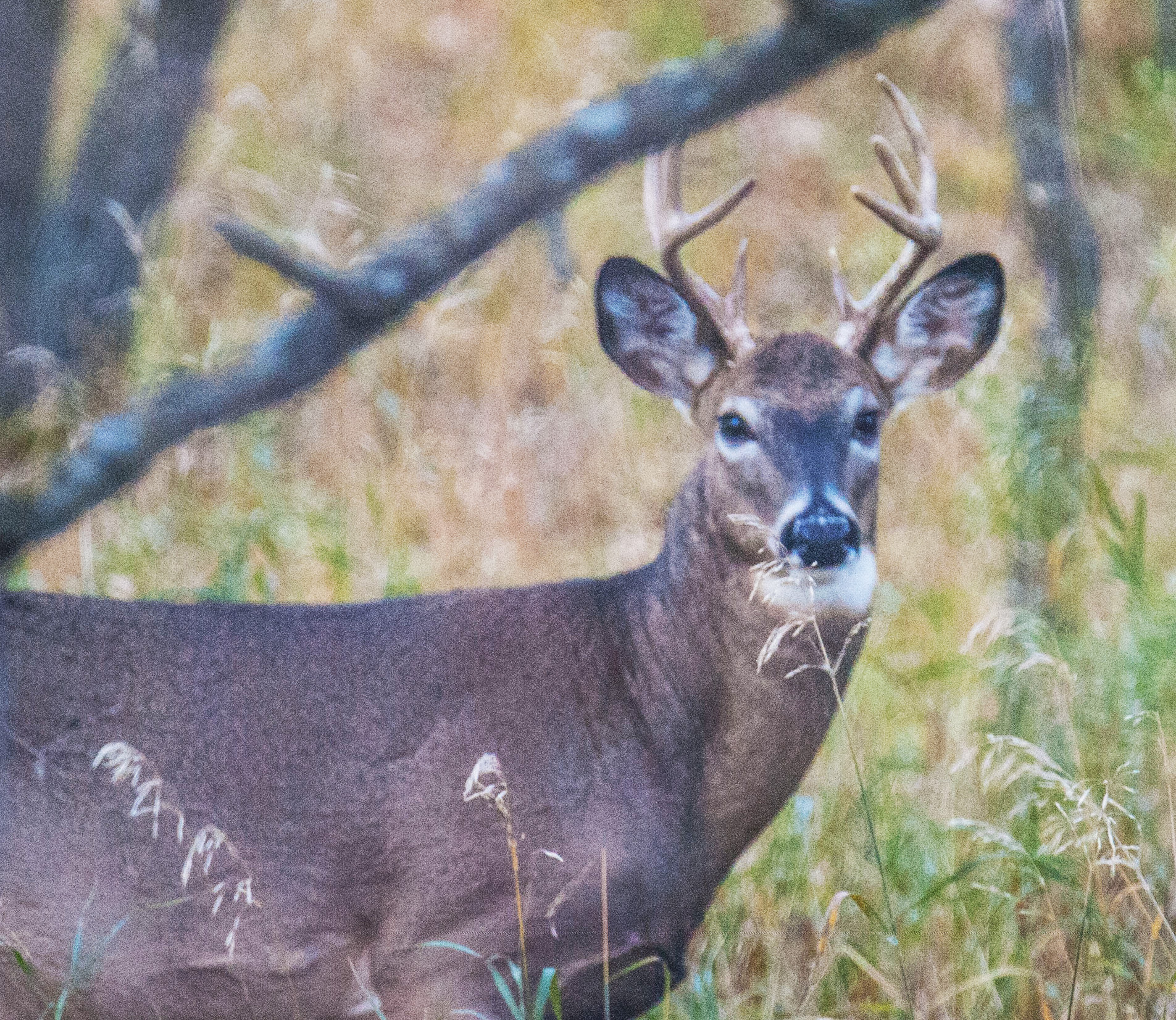
A whitetail buck peeking through the timber at Bonanza … Big Stone State Park.

Cloud Leaks and Cottonwood

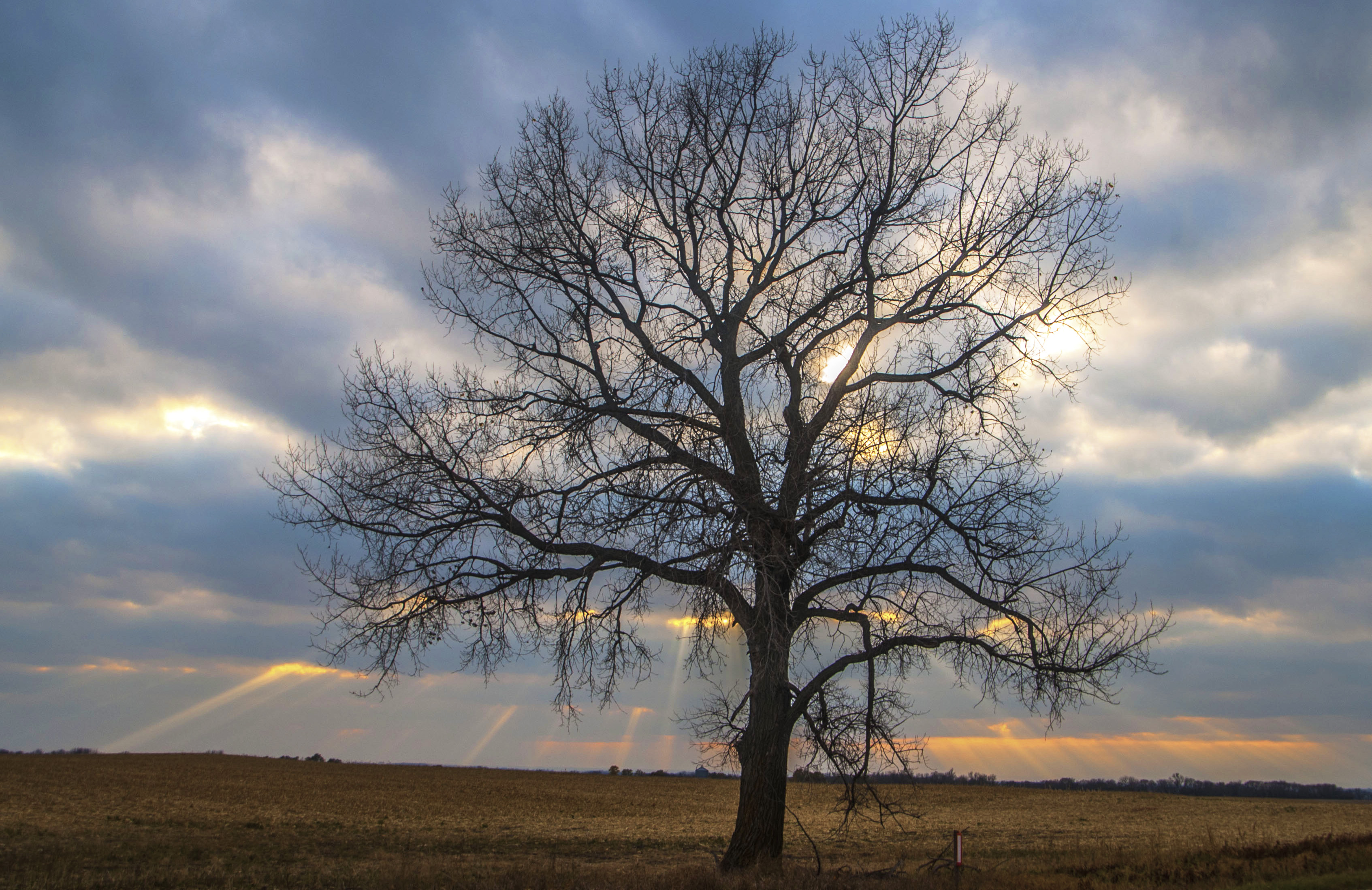
Cloud “leaks” and a lone cottonwood …

Cottonwoods on Lost Creek

Cottonwoods along Lost Creek … Yellow Medicine County.

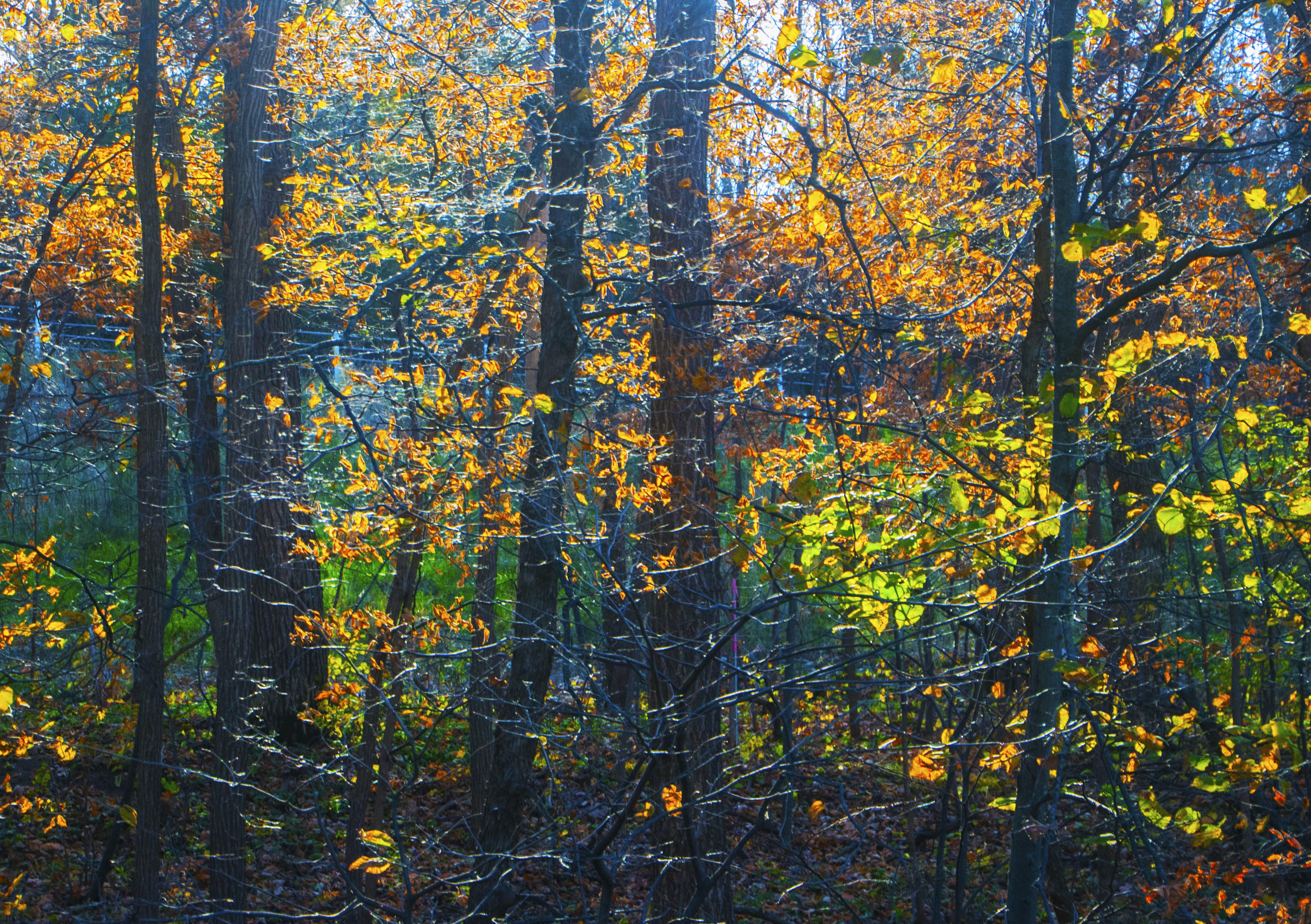
Forest Etchings

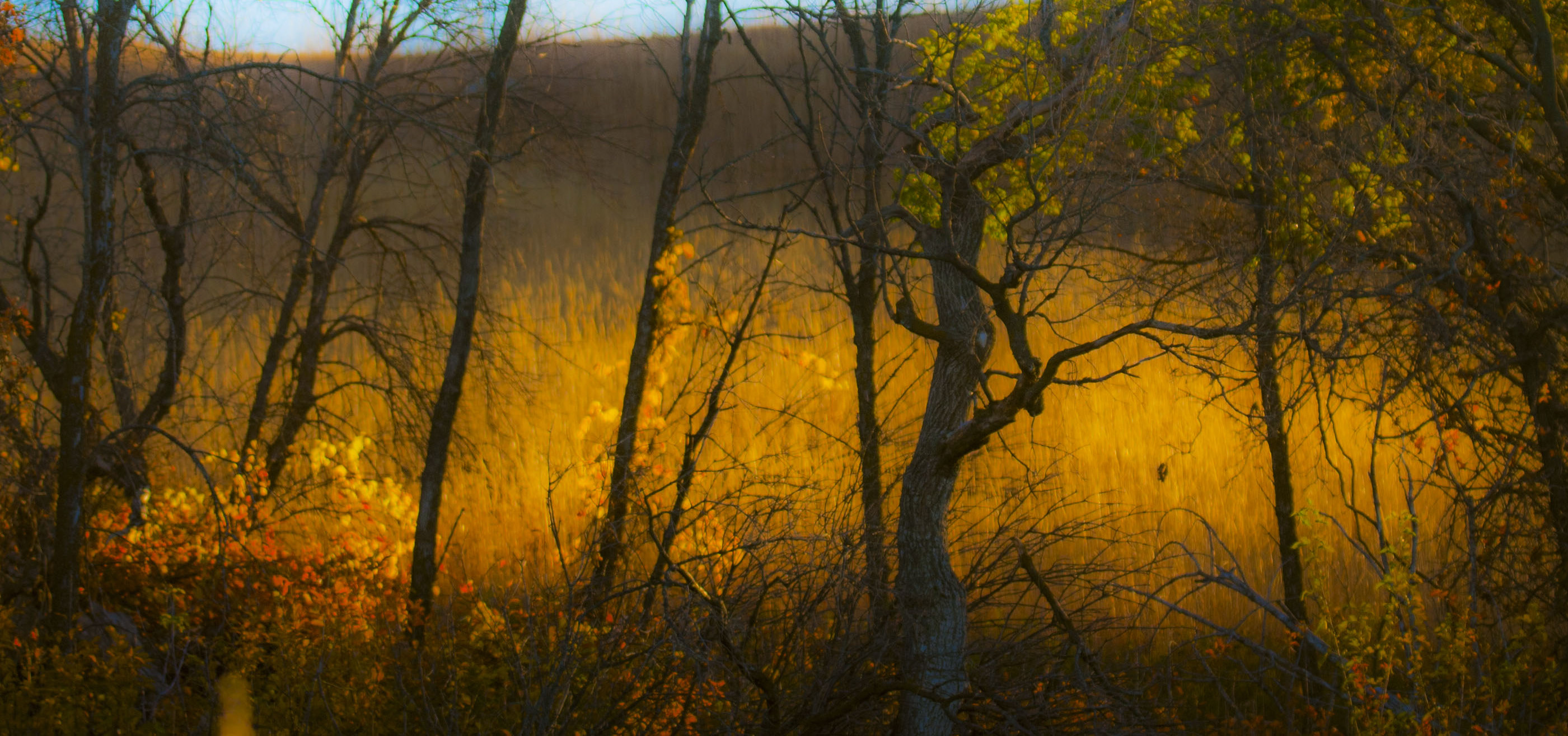
Forestal etchings of autumn ….

Geese in Bluestem Sunrise

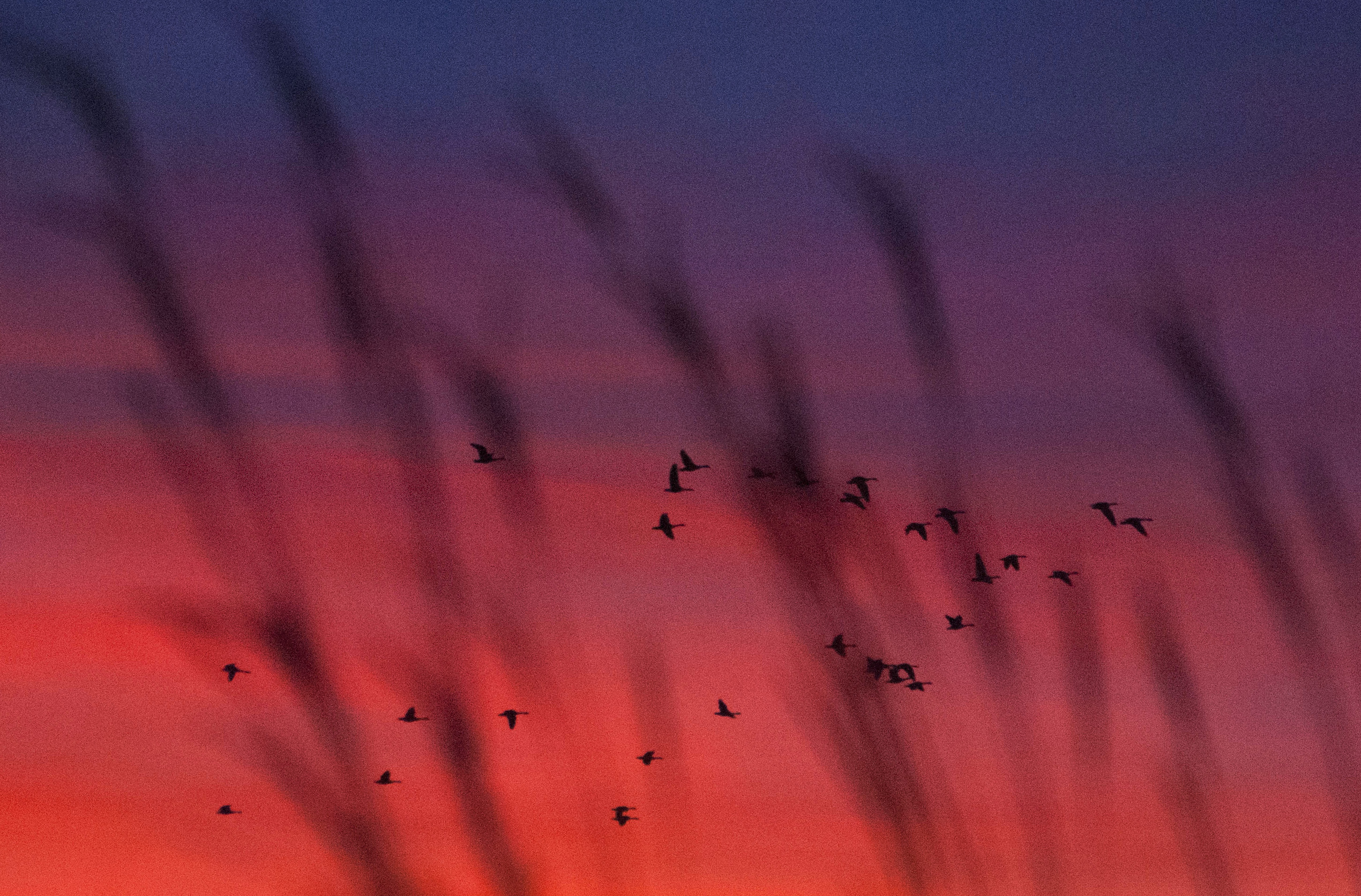
A pre-dawn flight of geese through the shadows of Big Bluestem on our home prairie …

hillside

Rich, early morning light on the grasses and trees at Bonanza …

Hilltop in Autumn

A pastoral early autumn hillside …

Layering of Sumac

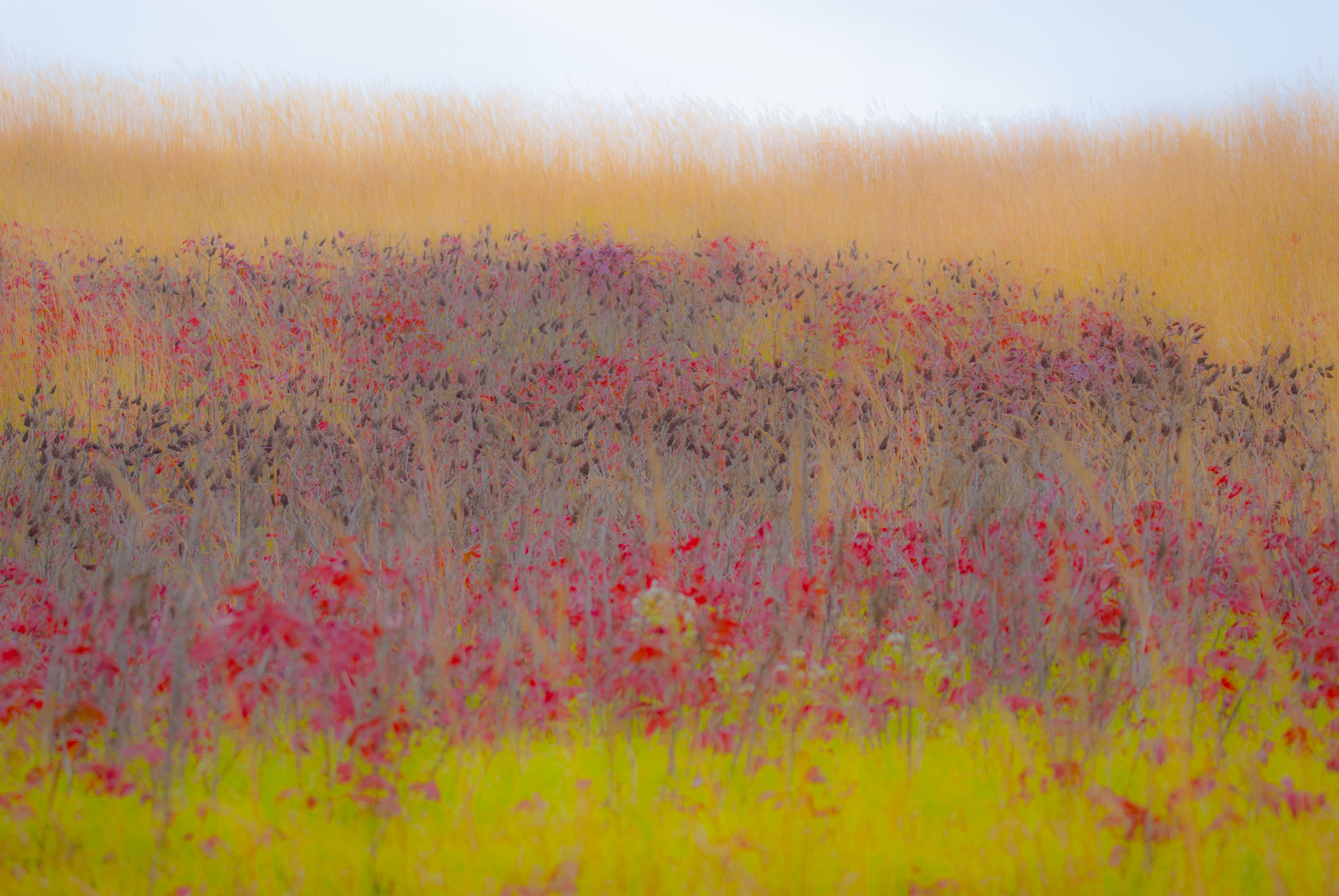
Layering of sumac and prairie grasses at Bonanza …

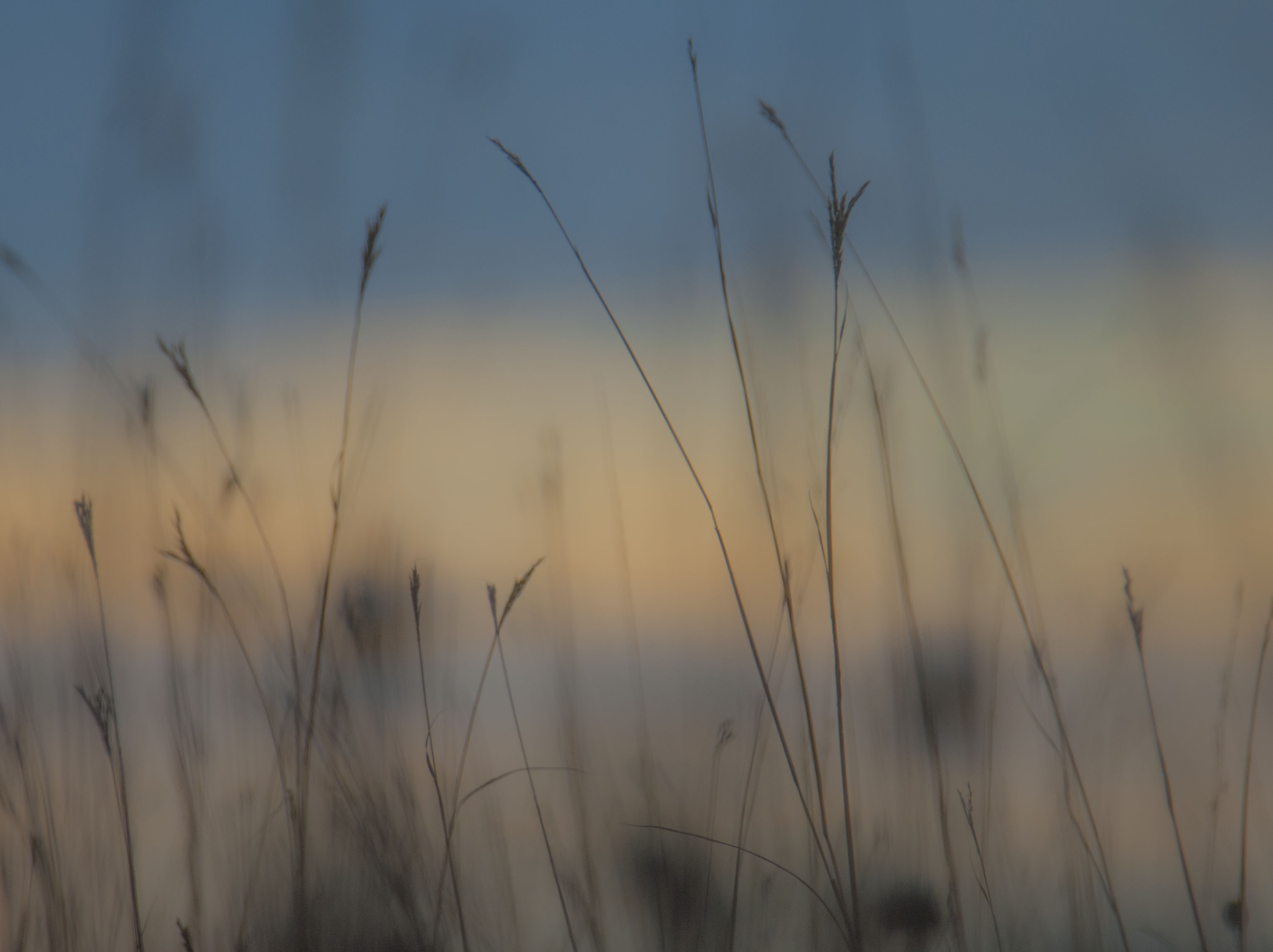
November Bluestem

Layering of colors of Big Bluestem at the Big Stone Wildlife Refuge …

Oak and Grass

Oak and prairie grasses …

Oaks in Yellow

I love the strength of the burr oaks … with the accent of yellow poking through.

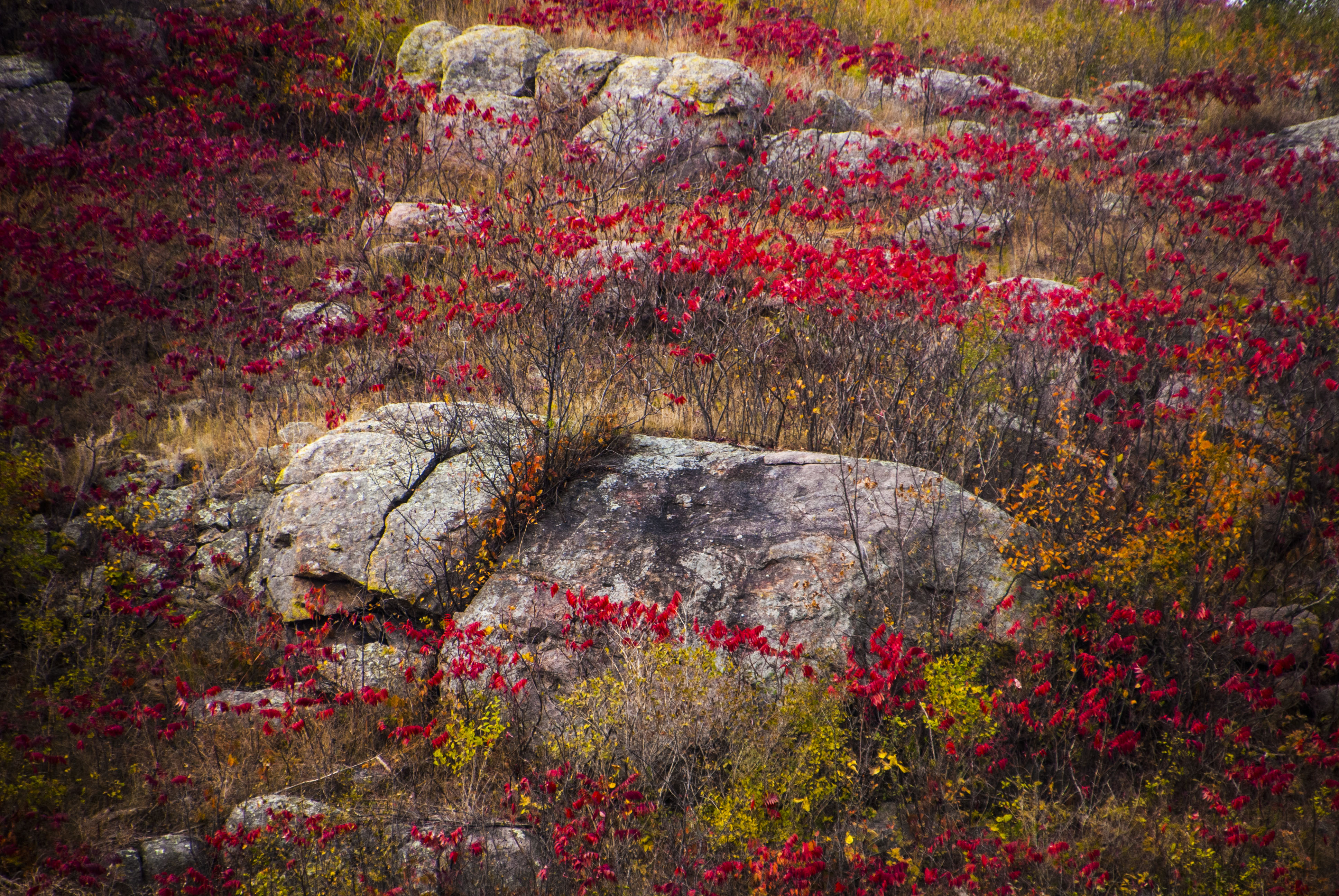
Outcrops in Autumn Red

Outcrops in red … sumac and granite

Poplar Treetops

The morning after a huge prairie wind had taken all the leaves from poplar trees along the Minnesota River near Granite Falls … leaving on the few on the treetops.

Prairie Dawning

The morning after the corn was harvest adjacent to our prairie … our first vista since early July was a sunrise celebration.

Sunflower Dawn

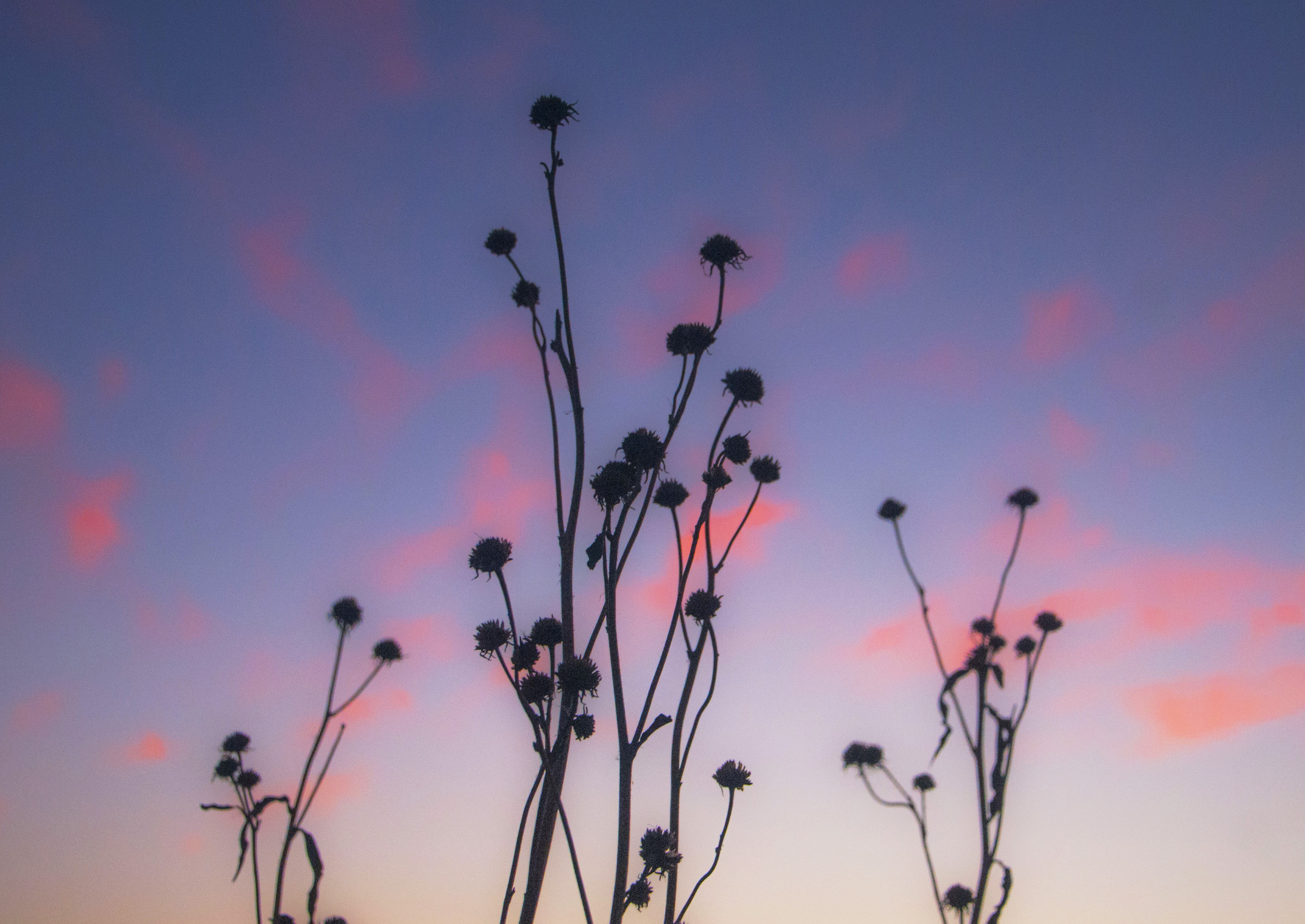
Delicate … sunflowers in our prairie stand stark against pre-dawn pinkish clouds.

Technacolor Autumn

Technicolor Autumn at Bonanza …

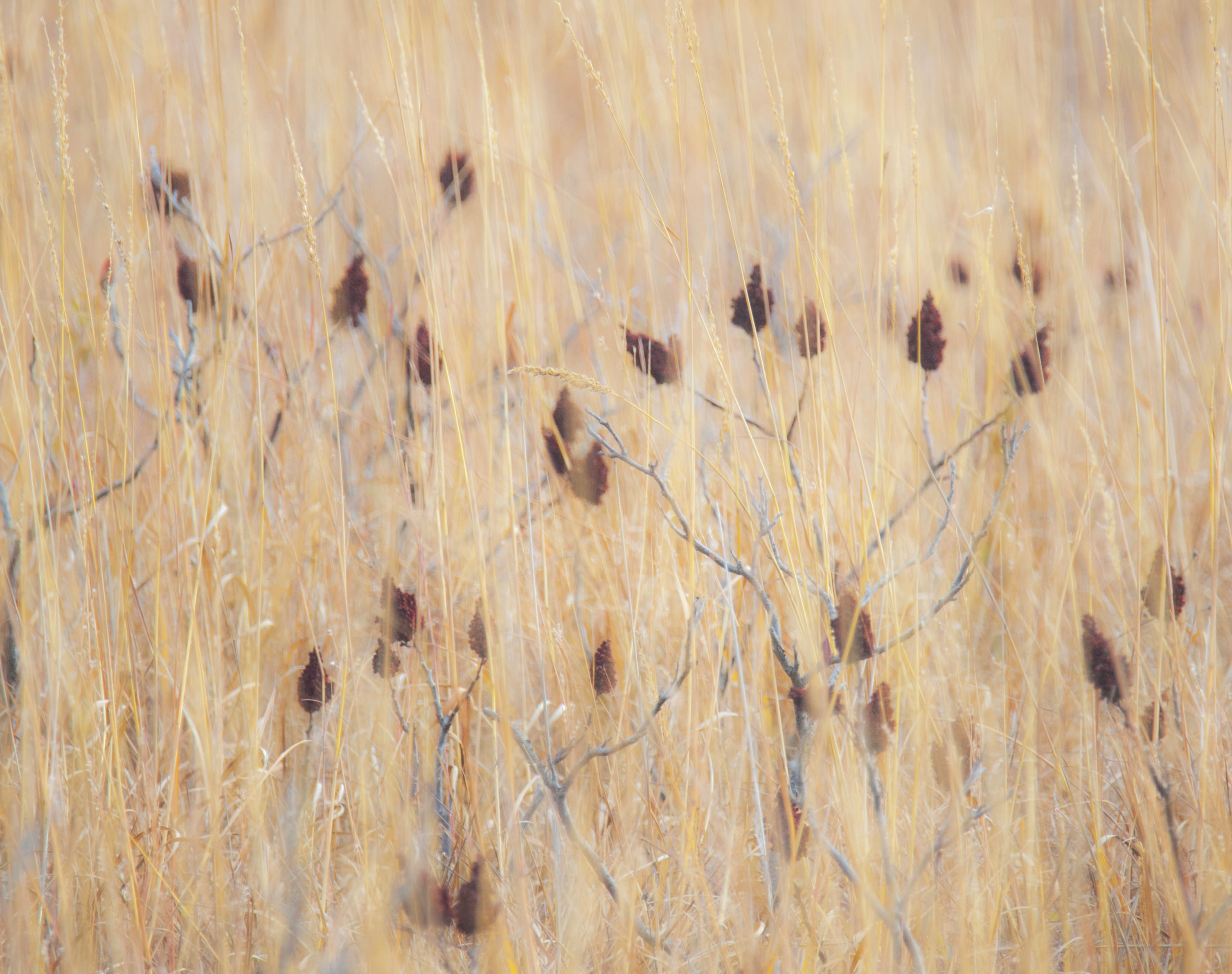
Staghorn sumac delicately poking through Bonanza's prairie grasses.

Staghorn sumac delicately poking through Bonanza’s prairie grasses.

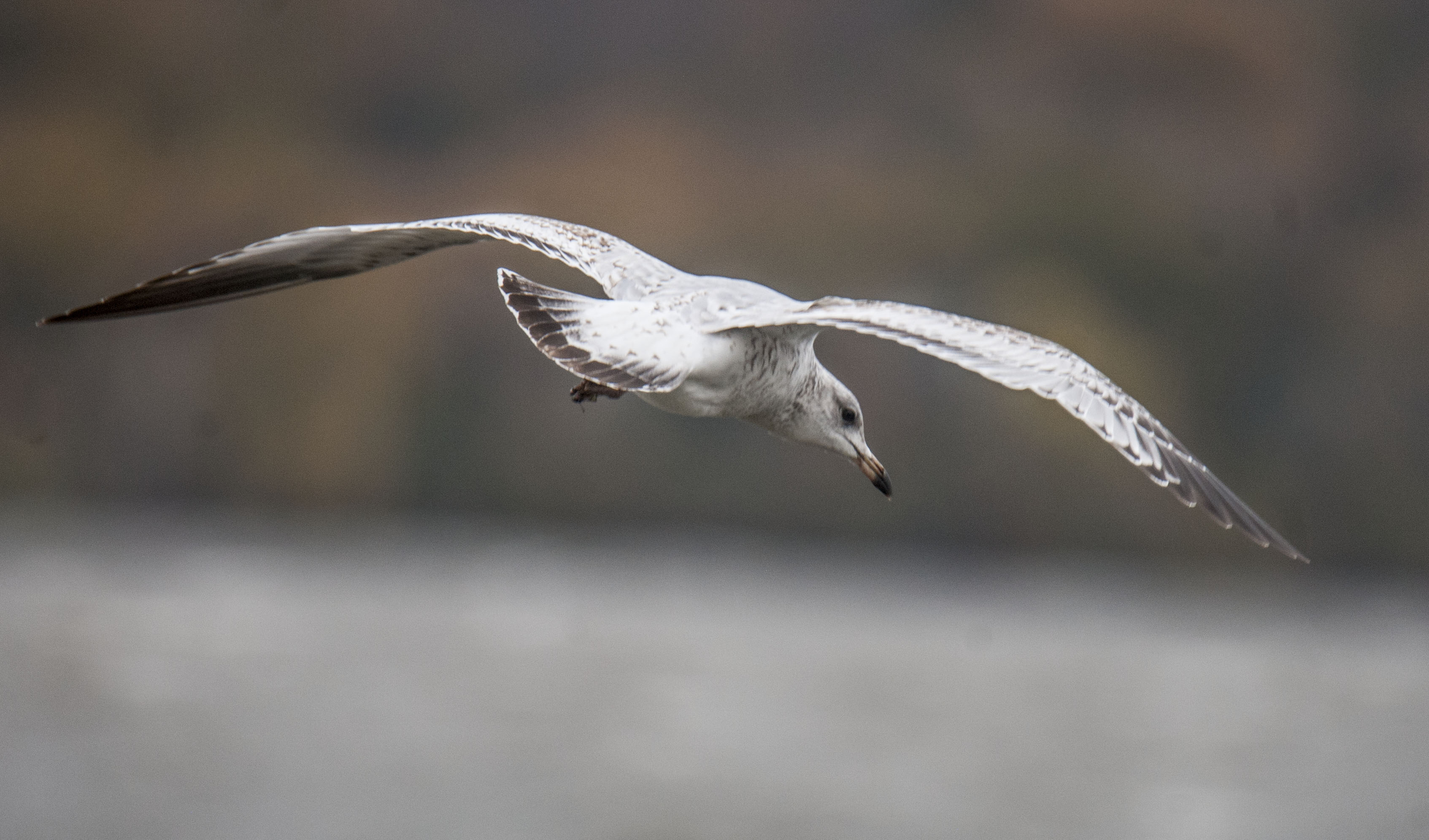
A tern fights harsh winds at the Minnesota headwaters ...

A tern fights harsh winds at the Minnesota headwaters …

Maxed Out

“Give to the Max” is an annual ritual where folks voluntarily provide tax deductible donations to non-profits deemed worthy of our true, deep-seated investments. Each year we choose among the many available options, then divide our $200 between them in various chunks. Certainly our contributions are not sustaining by their small stature, and are intended more of a monetary vote of confidence for a job well done.

In the past years our choices haven’t been difficult. We made donations to the organizations we were either linked with, or felt quite strongly about, and divvied up the cash.

This year more thought and discussion actually went into our donations. For example, we support both Land Stewardship Project and Minnesota Public Radio with “sustaining” monthly contributions. We balked, though, with a couple of organizations we’ve had long associations we feel have let us down. One, initially an advocacy group, has seemingly veered far off course from its initial purpose, and the other has taken a stance on an water quality issue we simply cannot back.

A well planned buffer strip near Montevideo.

A well planned buffer strip near Montevideo.

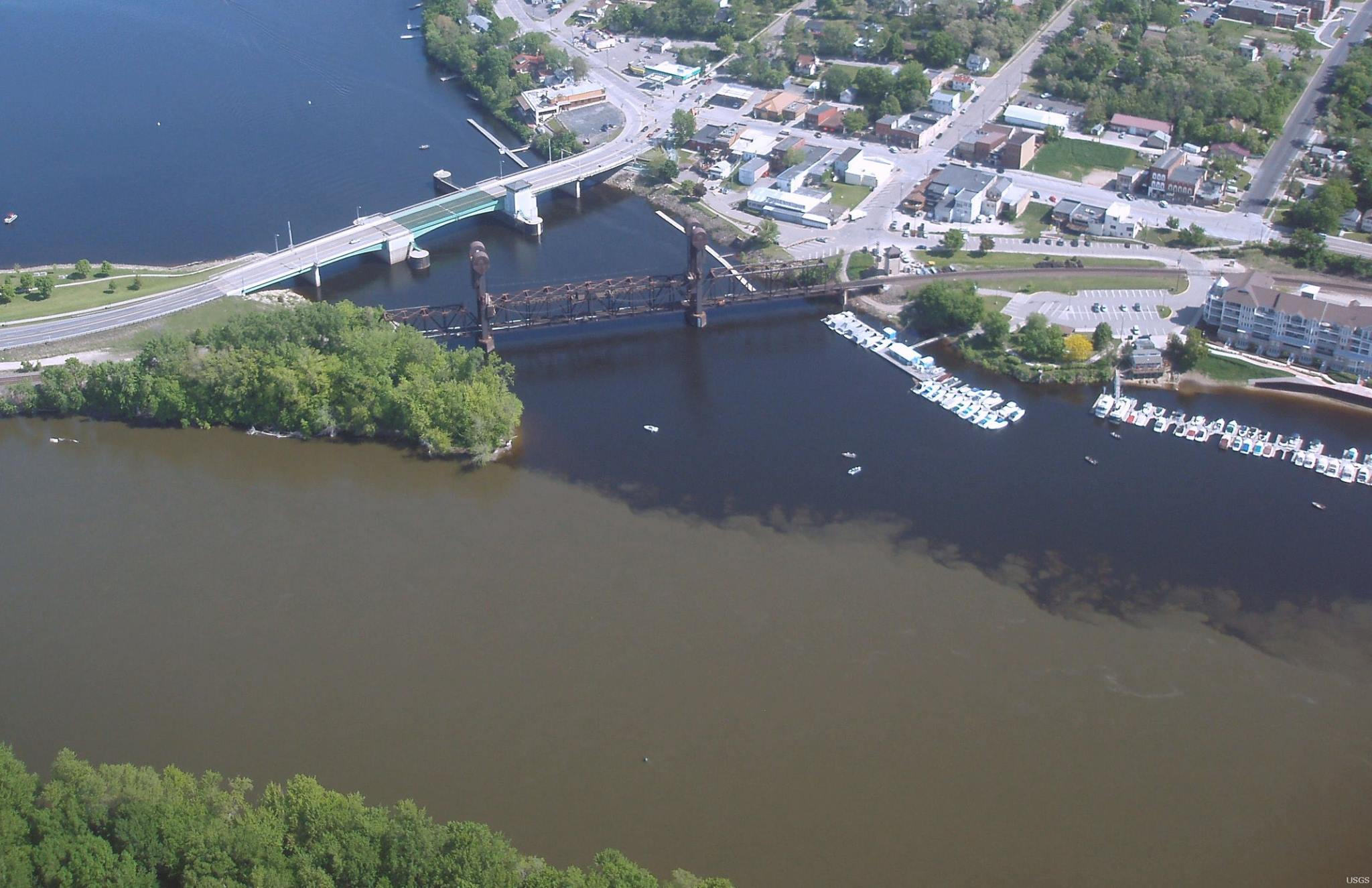
This is one of the two major farm organizations, and the smaller of the two national agricultural policy umbrellas. On a sunny and windy day last spring the area field woman and county president came to the door seeking a membership. As they stood in the kitchen I offered my objections to their organization’s public stance on the buffer strip controversy in Minnesota, which surrounded a stance by our governor, Mark Dayton, who was suggesting that the state legislate mandatory buffer strips on its waterways. If you’ve canoed the southwestern Minnesota rivers, or even stood on the bridge in Prescott, WI, to see the difference in siltation loads between contributions from the upriver Minnesota River contrasted with that of the clear water St. Croix, one could safely suggest there are issues with drainage and ditching over the breadth of the farmed prairie.

A winter blow ... what will become

A winter blow … what will become “snirt.”

At the annual county meeting of the farm organization the previous fall, buffers and water quality issues were raised. One of organization’s stateside lobbyists noted that the organization was working with the other major farm organization to address what it considered an “unfair” legislative package. This raised some momentary hackles, and we left realizing that the only farm organization that was directly addressing soil and water conservation issues was Land Stewardship Project. When Dayton came forth with his announcement, both of the large, mainstream farm organizations sang in concert about how the proposed legislation was unfair and too costly for their farmer members despite cost-share funds through the federal USDA farm program.

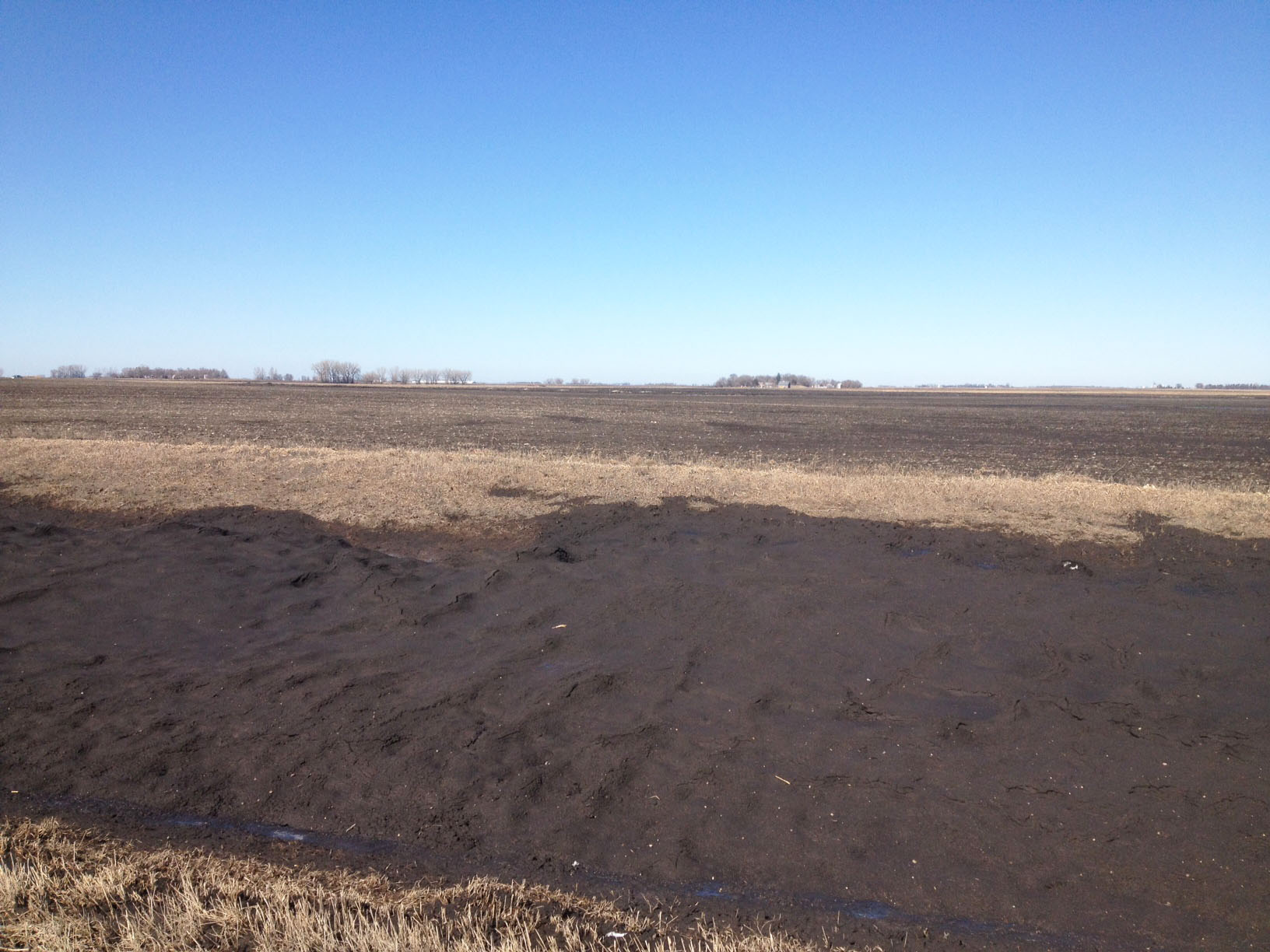
Along a roadside after the snow melted last spring ... a huge contribution of dirt from the adjacent field.

Along a roadside after the snow melted last spring … a huge contribution of dirt from the adjacent field.

When this was mentioned to the two in our kitchen, both said the “one size fits all” approach … meaning the publicized 50 ft. buffer on either side of a ditch … wasn’t a proven methodology and was unfair to farmers in terms of cost and lost production acres. I argued that the bill, as written, provided plenty of leeway that took into account soil types and terrain, and that the “one size fits all” was a gross misrepresentation of Dayton’s bill. In the end a check was written for the annual membership fee, with the caveat that if the organization didn’t back off their stance and cooperate with the passage of buffer legislation, the organization had received our last membership donation.

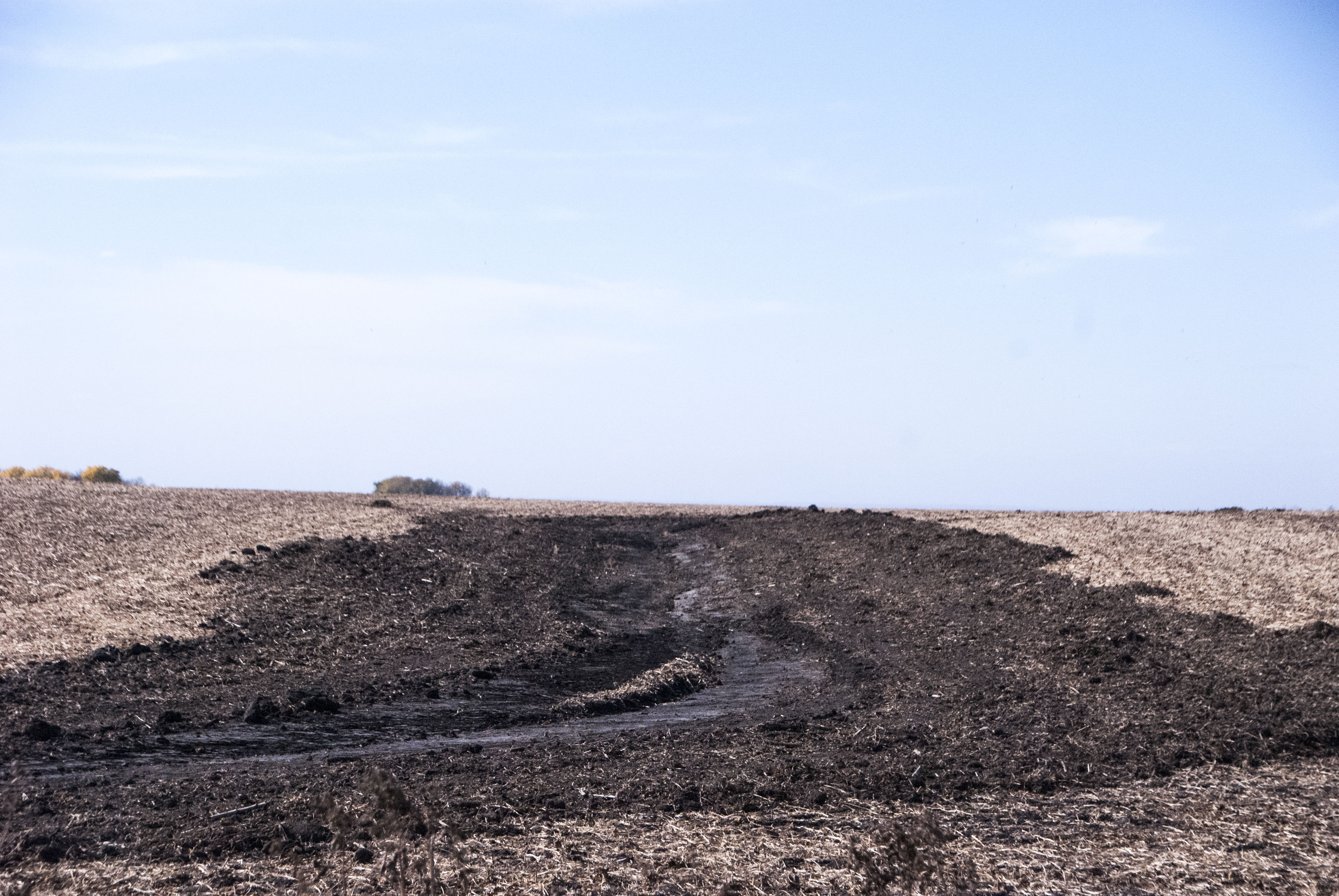
Just a few days prior to “Give to the Max” day their membership magazine arrived with contributions from the  organization’s president and two legislative lobbyists, all providing arguments against buffers. They also joined in the chorus that private, on-farm drainage ditches shouldn’t be part of the buffer legislation. Say what? Private, on-farm drainage ditches are a significant part of the problem. So are the works by some “innovative” farmers who each fall cut shallow depressions in the low areas of their cropping fields for quick spring runoff drainage that are too shallow to qualify as legal drainage ditches that would be required to have grass buffers.

A shallow cut to circumvent drainage laws.

A shallow cut to circumvent drainage laws.

Obviously, no money went their direction on Give to the Max from our meager savings. And, when the county president and the field woman next appear at our doorstep, they will be sent on their way empty handed.

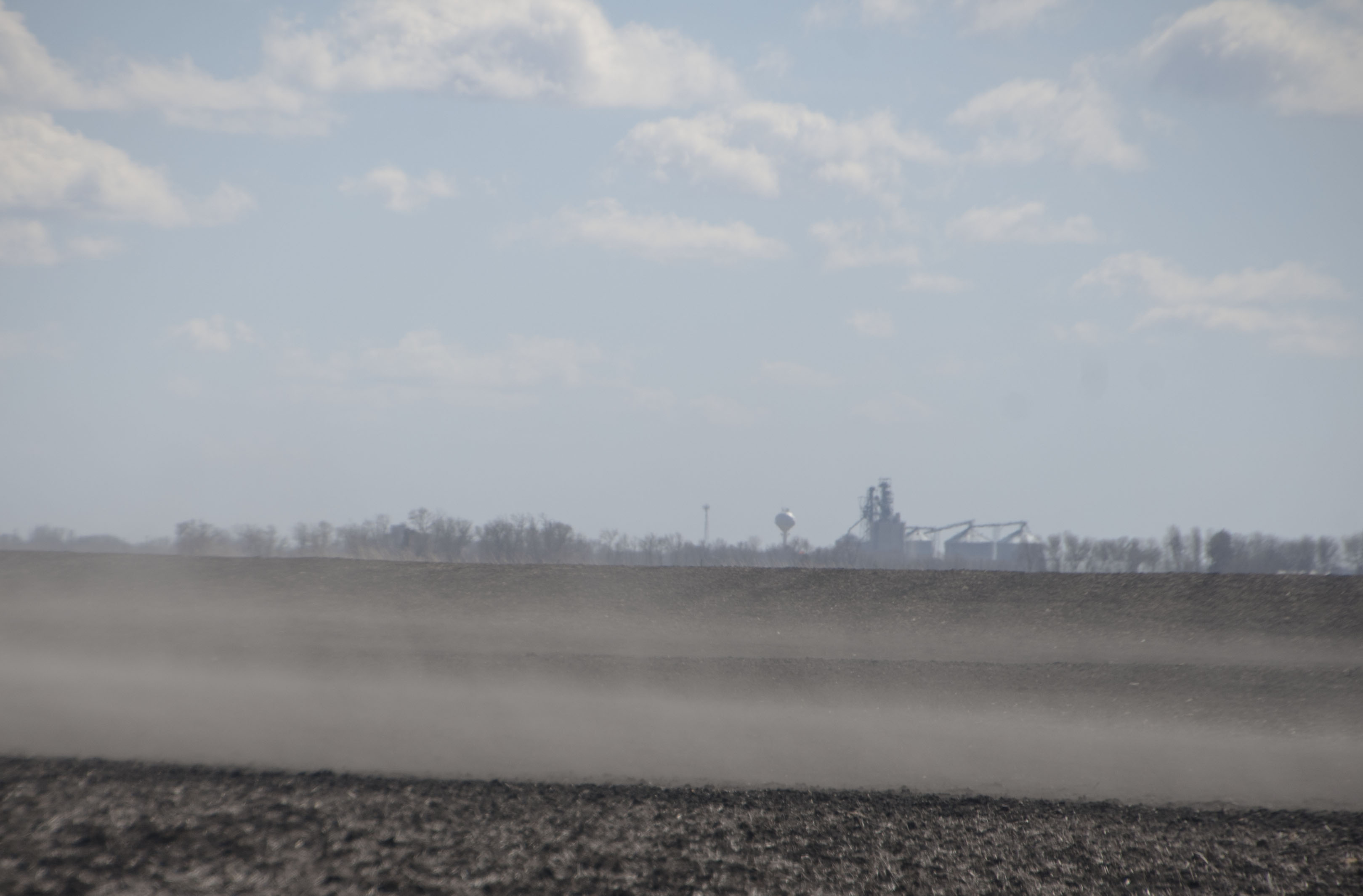
In March, winds whipped up the unprotected soils north of Clara City ... you can see the

In March, winds whipped up the unprotected soils north of Clara City … you can see the “skyline” in the background.

We are farming the “last frontier” of tillable soils planet-wide. Meanwhile, we watch our soils blow and wash away. Little if any effort nor investment is being made to hold these human-sustaining soils in place. Very little conversion to no-till. Fewer winter cover crops and very few fields with residue left standing post-harvest for protection from wind erosion. A nearly complete, prairie-wide fall plow-down in what is called “the black desert” here in the countryside. More patterned tiling. And little adherence and oversight of current buffer laws  … coupled with a strong stance against common sense legislation that might make a difference in the future. An environmental free pass for industrialized farming continues without any voice of reason from either a water quality advocacy group or one of the two major farm organizations.

At Prescott, WI, where clear water from the St. Croix confluences with the runoff waters of the MIssissippi .... a silt load carried some 30 miles downriver from the Minnesota River, and one that eventually will dump into Lake Pepin.

At Prescott, WI, where clear water from the St. Croix confluences with the runoff waters of the MIssissippi …. a silt load carried some 30 miles downriver from the Minnesota River, and one that eventually will dump into Lake Pepin.

Amazing, although hardly surprising. While we realize it is unrealistic to expect our meager contributions to have mattered monetarily, or that a such a small contribution would have influenced either organization toward acceptance of our philosophical and soil saving goals, at least we can feel comfort with where we spent our Give to the Max dollars.