Sensing Spirituality at Sherburne

When artist and bird photographer extraordinary, Terri Robichon, suggested Sherburne I doubt if either of us anticipated a spiritual experience. It began innocently enough when she recently posted some nice images of sandhill cranes near her New London home, and being a crane chaser myself, I reached out to Terri who was kind enough to offer an idea of where to find them near a lake close to her home. “You might have better luck at Sherburne, though,” she said.

Ah, Sherburne National Wildlife Refuge. Yes, Sherburne has long been a summertime home for the sandhill cranes and the idea of driving over seemed like a real possibility, even if it was six hours and counting for a round trip. A few years ago I made the trip for the same reason only to find the gates to the seven mile Prairie’s Edge Wildlife Drive shut and locked. That drive was late in the season, early November in the midst of the Covid pandemic, and near fall migration. Although birders had posted pictures on a social media birder’s page, there were thoughts that it would all work out. It didn’t.

Back in real time: when Terri posted an image of a pair of sandhills with their colts, the name given to their newly hatched offspring, my quest revved up significantly. As if fate has a hand in the land of the fortunate, Roberta and I were headed to the St. Paul suburb of White Bear Lake over the weekend for the 50th birthday of her son. “What if on the way back we head through Sherburne to see if we can find sandhill cranes?” I asked.

This pair was our first sighting less that a quarter mile into Sherburne.

Since she seems to enjoy our photographic forays it was a go, so mid-afternoon on the way home we veered off onto a connecting highway, a winding adventure through numerous road closures and small towns to reach Sherburne. Once we pulled onto the wildlife drive around four in the afternoon, we stopped to organize the car seats and camera equipment and immediately found some interesting clumps of purple vetch and butterfly weed to photograph. 

Then, not 100 meters further down the road we spotted our first pair of sandhill cranes slowly ambling through the prairie. What a great start, and not even a quarter mile into the 7.3 mile nature drive. This was a nice prelude since it would become even better with dozens of other birds and wildflowers awaiting us. This was the Sherburne I envisioned.

The huge 30,000 acre refuge is between the Twin Cities and St. Cloud within the St. Francis River Valley. Established in 1965, it includes numerous wetlands, oak savannas and open prairie. The vast majority of the refuge is off limits to the public and is designated as a wildlife sanctuary to allow an amazing array of wildlife the freedom to breed and raise their young without human disturbance. Only the wildlife drive, the numerous hiking trails and a designated canoe route are open to the public. 
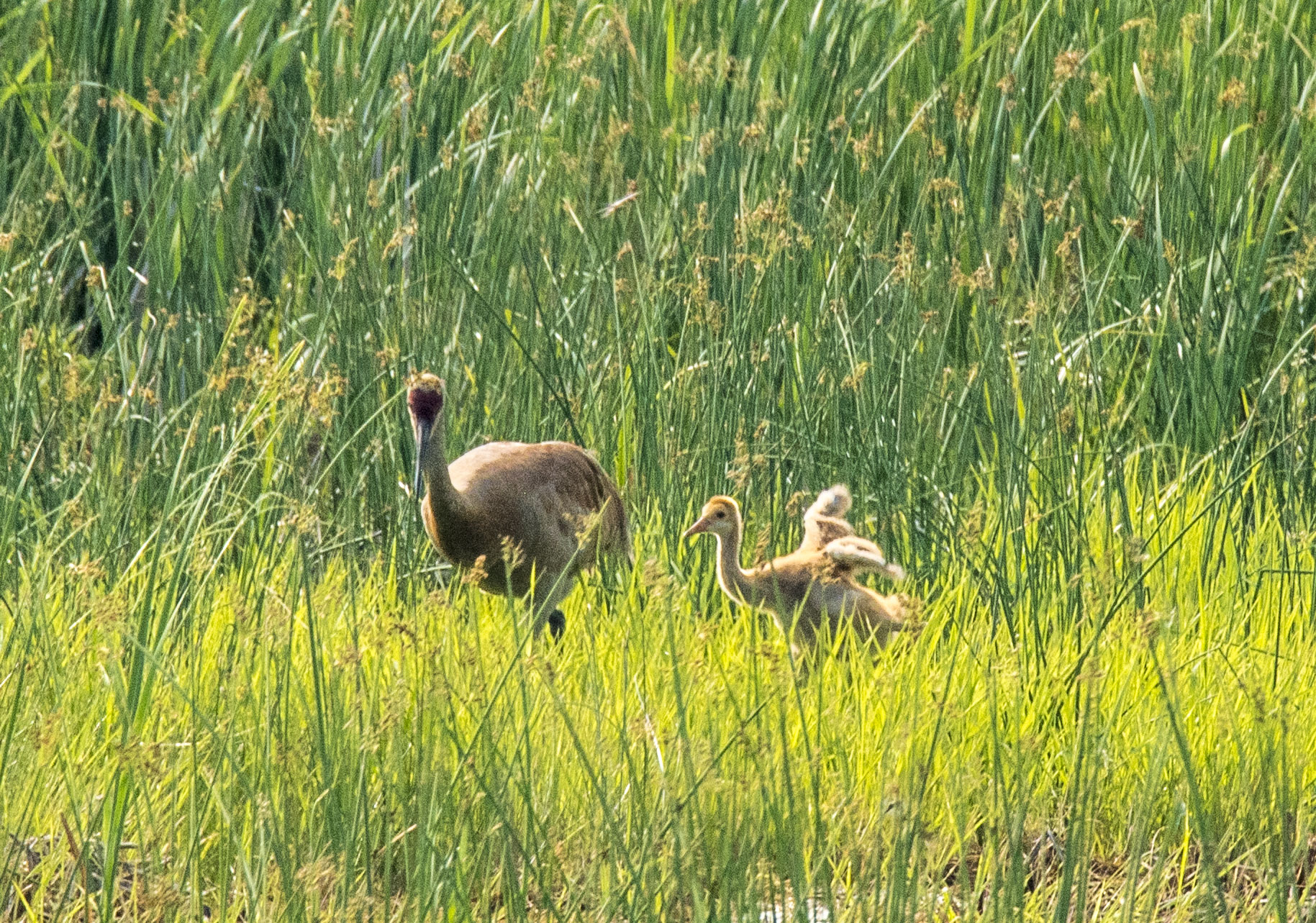
While his colt did a playful dance, the male continued his search for food.

Our forays are often stop and go affairs, and our Sherburne drive was no different. Having one goal in mind … continuing my seemingly endless chasing of the cranes … was taken care of even before we reached the first observation deck less than a mile from the entrance. That pair was only the beginning for there would be much more, and amazingly so. We would also happen upon a green heron stalking reeds and cattails of a marsh. A cowbird, brown crown and all, posed for us. Flycatchers, sparrows, warblers and even an operatic dickcissel added to the mix. Not to mention the wildflowers, including Roberta’s first viewing of wild purple iris.

Yet the stars of the show were the numerous swans and sandhills. Seemingly around every nook and corner. Swans sat stationary as if on nests, paddled poetically across stilled surfaces, and some were with cygnets. These were ample artistic moments filled with grace and beauty. Meanwhile we were cautiously on the lookout for those telltale lumps of brown, and fate was certainly on our side as those “lumps” were most often bent and feeding sandhills. This was certainly a “rush and miss” adventure as evidenced by the number of cars passing by us.
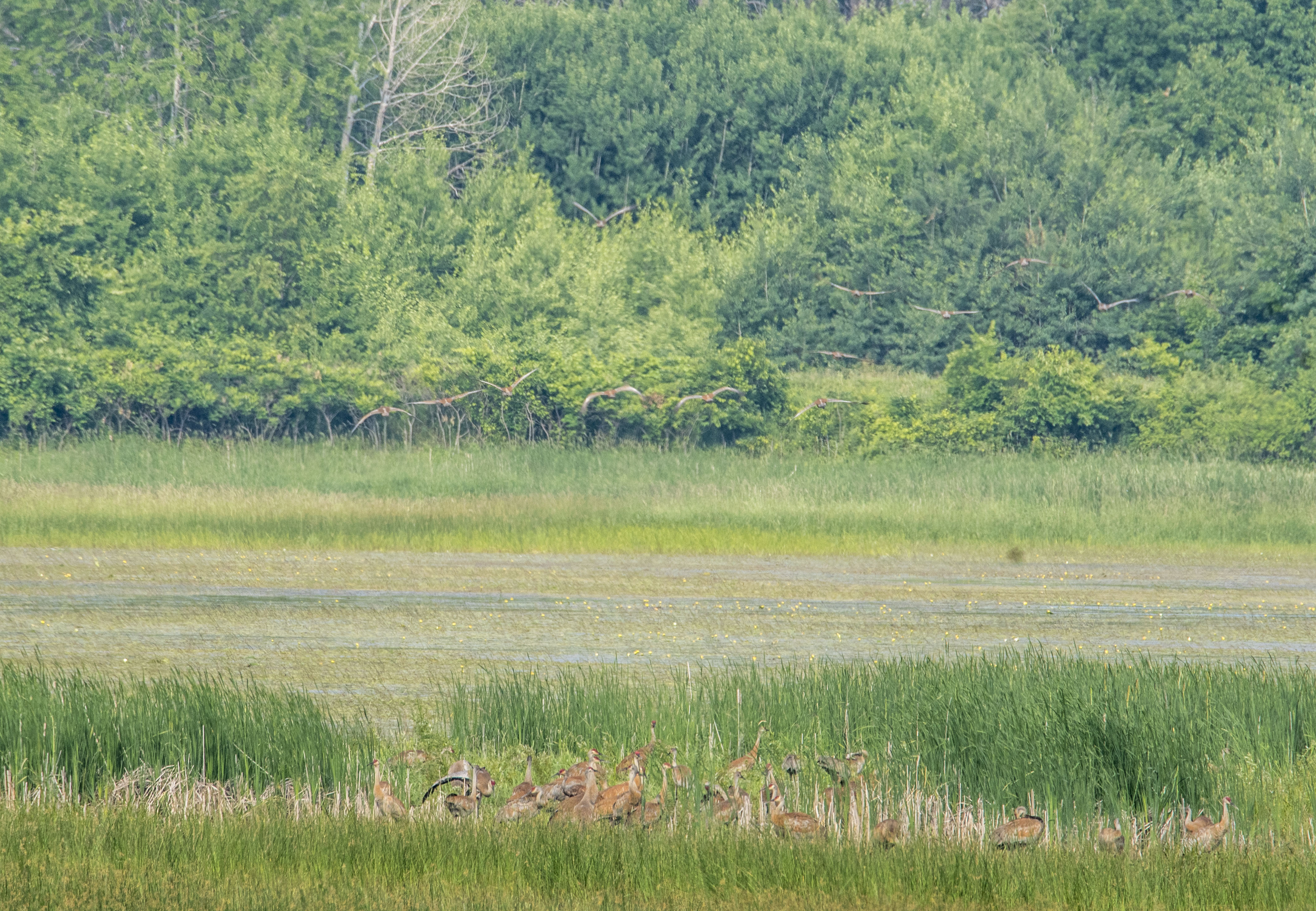
Within the panoramic view of the prairie a “spot” of brown revealed numerous sandhill cranes near a wetland.

At one wetland we came upon a pair with their colts, slowly feeding along the reedy edge. At one point one of the colts broke free and acted its age, although the parent bird continued to pace along, head down, grabbing food. Its mate seemed to be teaching two other colts the available menu. 

Eventually we moved along only to stop less than a mile away when I heard that telltale bugling sound that the late naturalist and essayist Aldo Leopold called the “trumpet in the orchestra of evolution.” When you hear the unique call, you must stop and search for the birds. And, we did.

It took a bit before we found a pair nearby, then another, although looking around the panoramic view of this vast wetland we spied other solitary singles and pairs. And swans. The view was a living diorama an artist could never emulate at the Bell Museum. More of “church” than you may find in any building despite the artistry of Gaudi. As I looked around I found myself being drawn to a huge brownish patch where the long lens revealed dozens of sandhills grouped together. While it wasn’t March in Nebraska, we were facing into a very large gathering of sandhills. Fortunately for us we had been patient and curious, and I give Roberta credit for her appreciation of those traits.

Swans added grace to the beauty of Sherburne, joining the beauty of the cranes and other birds, and certainly with the array of wildflowers in bloom.

This was a truly spiritual moment for me, and caused me to think of Leopold’s quote from his Marshland Elegy: “Our ability to perceive quality in nature begins as in art with the pretty. It expands through successive stages of the beautiful to values as yet uncaptured by language. The quality of cranes lies, I think, in this higher gamut, as yet beyond the reach of words.” 

How true, and perhaps the grasp of my quest.

Lest I forget, here is the full contest of Leopold’s earlier quote: “When we hear his call we hear no mere bird. We hear the trumpet in the orchestra of evolution. He is the symbol of our untamable past, of that incredible sweep of millennia which underlies and conditions the daily affairs of birds and men.”

Almost as magical as the sandhills with their colts, the swans with their cygnets. all part of the beautiful panoramic view of the prairie. An amazing experience.

Moments like these bring to life my devotion to Leopold and his Sand County Almanac, a book of his poetic essays I first read back in college in the 1960s … a copy I still own. Which might explain the roots of my passion of chasing the cranes, a passion I rarely find tiresome. Especially on this little seven mile “wildlife drive” through Sherburne. While we didn’t head to Sherburne with spirituality in mind, you could hardly not feel it at that moment in that particular vast panorama of wetland and prairie. 

If the cranes offered the trumpets, the swans granted us an uncommon grace. Adding to this was the colorful blossoming popping from the prairie-land grasses and varied songs aired by the dickcissel and assorted warblers. As much as I struggle to adequately describe the feeling, I realize fully that there is a higher gamut beyond the reach of words. 

Smoke Stained Skies

Where are you, Irving Berlin, now we so desperately need those blue skies you penned and pined over so many years ago, those “blue skies from now on” lyrics sung by a variety of singers from Jackie Wilson to Willie Nelson. Here we are in the second week of June and our skies are mostly smoke stained and I feel hard-pressed to recall a day when we had actual blue skies. So smoky gray, and we cannot see past a mile across the prairie. 

Last week many events were shut down from New York City and along the East Coast because of dense smoke. Smoke so thick you couldn’t see halfway up a skyscraper. Down in DC, the top half of the Washington Monument was invisible. Here in Western Minnesota our skies are gray to hazy blue from dawn to dusk. Acidity scented smoke gives you a raw throat.

Just for the record, we are now in an air quality alert that will exist through three more days. This is nothing new. If there is anything positive we do have some interesting sunrises and sunsets. Yet, you cough and your throat is raw, and you cannot escape the smell of smoke. There are the pictures, though. Yes, there are the photographs. Some even stunningly beautiful.

One of my first images made in smoke stained skies called “August,” made in 2015. Not much has improved since thanks to the drought-ladened forests out west and into Canada.

Meanwhile fires in Canada and the Western United States continue to scorch the timbers and prairies, heightened by a drought that seems to have spread continent wide. A new wildfire broke out on the Gunflint Trail in the BWCA this week, so it’s even closer to home. 

Western reservoirs are drying up as Arizona, California and Nevada fight over water allotments. Those fantastic fountains in Las Vegas must recycle used waters, and the rich are restricted from filling their pools from Phoenix to Fresno. Worldwide desertification is running rampant, and the UN suggests that more than 24 billion tons of fertile soil disappears every year. All caused by man made causes … global climate change. Today two-thirds of the earth is undergoing a process of desertification described as an area equivalent to the entire arable land of India. All will be lost by 2050 if changes are imminent.

Our plastic choked oceans are warming so quickly scientists have warned that commercial fishing will be a thing of the past by mid-century. Thanks to farm country runoff, the hypoxia zone in the Gulf of Mexico continues to grow, meaning there is basically no sustainable life in affected waters. The lifeless zone is now larger than the land mass of Rhode Island and Delaware combined.

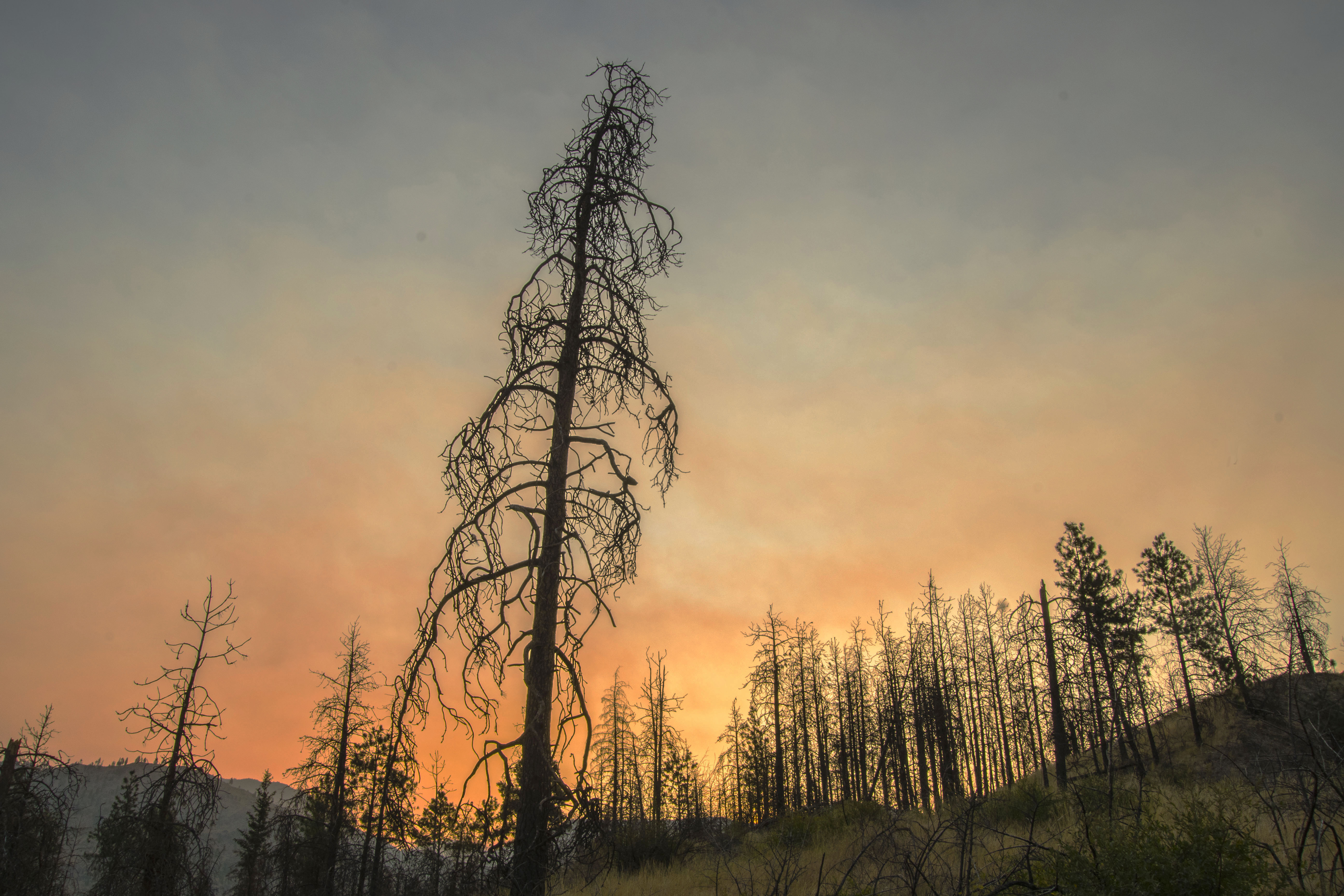
From the Lake Chelan wildfire four years ago in Central Washington.

While we’re in a severe drought, we aren’t in a desertification strait here in Minnesota, although our grasses appear as if it was August and the cracks in the soil average about an inch in width. Brown has replaced green nearly throughout. Browned and crunchy. Perhaps having our largest city and the nation’s capitol shrouded in smoke will convince the naysayers and the depth of the Republican Party to believe that global climate change is both real and worsening. Many are the experts who concede that we’ve passed the tipping point. A planet on alert.  

Our leaders on either political party at our nation’s capitol are no better at legislating change and corrective actions than those in China and India. For every young Greta there are seemingly hundreds of greedy capitalists pushing for expansions of the uses of fossil fuels, deep-gorge mining, managing highway traffic, spewing chemicals and letting their best soils blow or wash away, and so on. The UN warned earlier this week that half of the expected carbon budget has been eliminated in less than three years. Adding to the misery is that we have an incoming El Nino that will give us an extra kick of heat this summer and into the coming year.

While we’re had six major mass extinctions, the first was identified some 66 million years ago when a six mile wide asteroid crashed into what is now Mexico’s Yucatán Peninsula to create a mile-high tsunami wave that wiped out three-fourths of the earth’s plant and animal life, including all but the flying dinosaurs. Our birds. Scientists now  conclude we’re well into our seventh and this one is far less dramatic. This one is being caused by you and me, and billions of common folks just like us. We are all contributing to global warming, and to be honest, not many of us are doing much to abate the issue. And we’re not getting much help from government and industry.

A mourning dove silhouetted in a muted, smoke stained sun through the trees here at Listening Stones.

Oh, I’m certainly more conscious about making a 20 miles impromptu trip to town for a jar of mayo or whatever. If possible my meetings are streamed online to my computer here in the office. Years ago at a Master Naturalist’s Gathering Partners presentation on global warming we were told that making these sorts of decisions, while seeming mundane and perhaps even silly considering the overall impact of global climate change, yet each such decision still has an impact. Taking a bus or light rail to work. Streaming meetings or work on the computer. Taking a cloth bag to the supermarket.

Then there are the pictures. My first smoke hazed image I can recall was one I call “August” for it was made here in my home prairie in August 2015. Since I’ve become conditioned that come August we’ll have those forlorn ghostly sunsets and a smoky fog come morning. I’ve photographed ashened forests out west, and barely missed a couple of wildfires in the state of Washington. Yes, there are the pictures.

Will there come a time in the future, if and when someone happens upon one of these images, to remark, “Wow! Look at how light the sky looks. What a beautiful gray.”

“Oh, and you can actually see the sun,” adds a friend. “I think that’s a sun. So red and just barely breaking through the grayness.”

No “blue skies from now on” except in perhaps an old MP3 recording by Willie. Were the images from New York City and Washington, D.C. skies of the future? A future for a planet on fire?

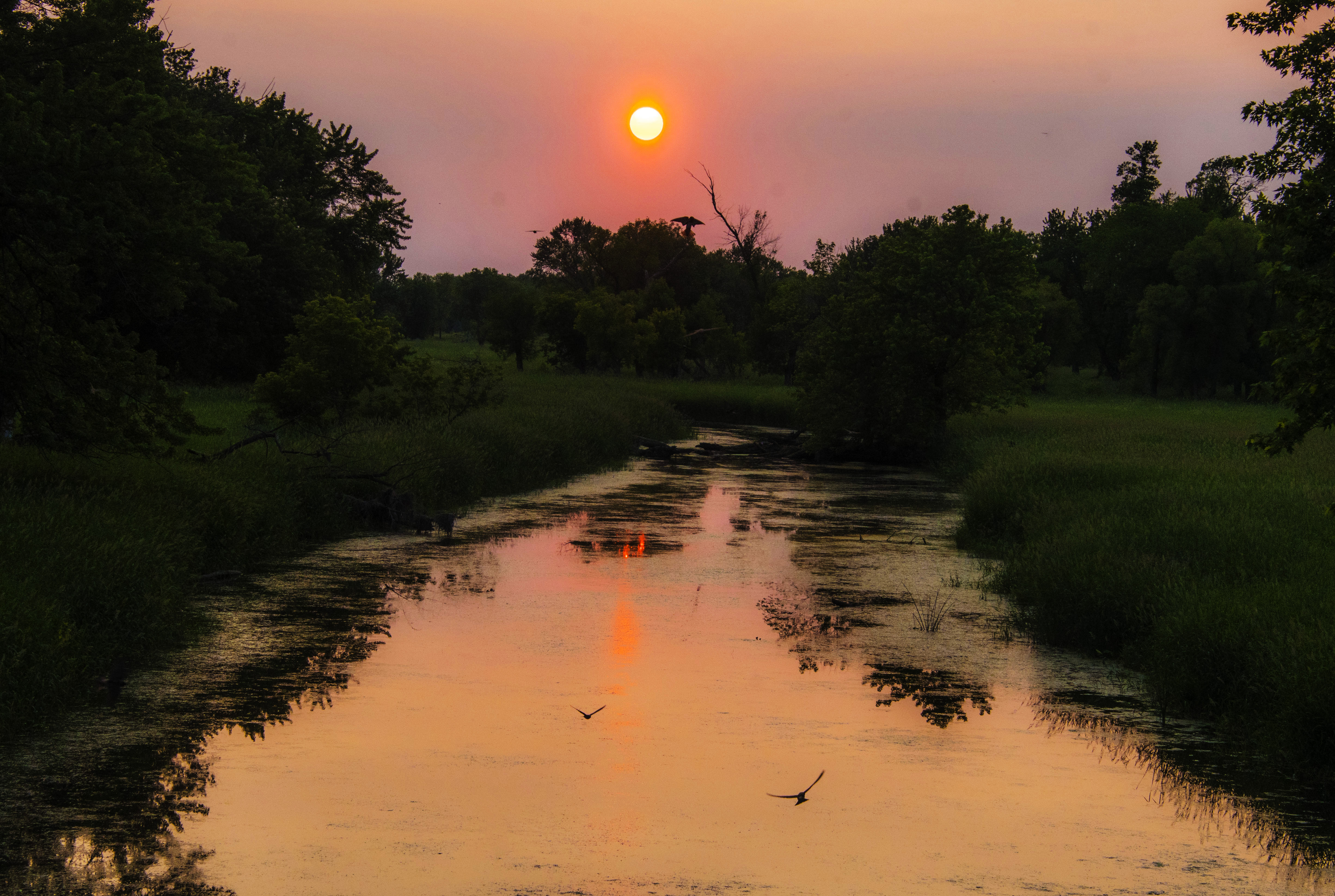
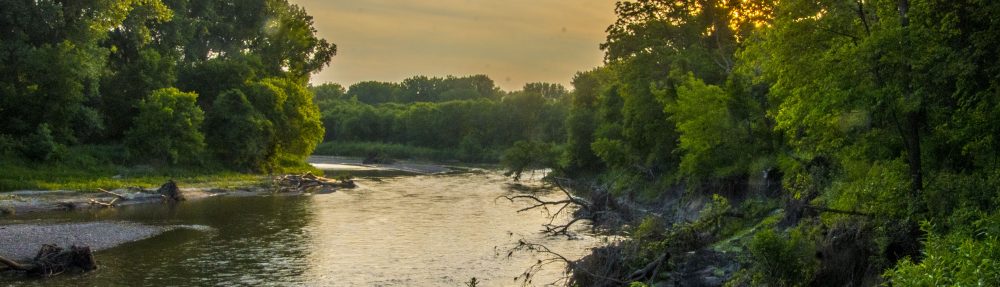
An image made of the Minnesota River just a few miles from the headwaters earlier this week, with help from a couple of cliff swallows that nest beneath a bridge.

So goes some of my thinking nowadays. It’s difficult to stay positive, not with two sons now in their 40s. I think a lot about their future, and I become incredibly concerned when I see a baby in its young mother’s arms. What kind of life will that child face in ten years? Twenty? Will he or she reach my age before the turn of the century on a planet than now seems on fire, now as global warming refugees are more and more commonplace? What about its mother? So young and hopeful … 

A week or so ago we were at Itasca State Park making images in a muted light thanks to smoke stained skies. Back then the smoke was less dense than it is now, and the scent of acidic smoke was certainly less than it is now. This week my images were made around here, all with that red-ball sun peeking through dense grayness. Some of the images were striking and beautiful. A pretty poison, someone once said. So I keep making pictures … those of reddish suns and smoke stained skies.

A Mayfly Moment

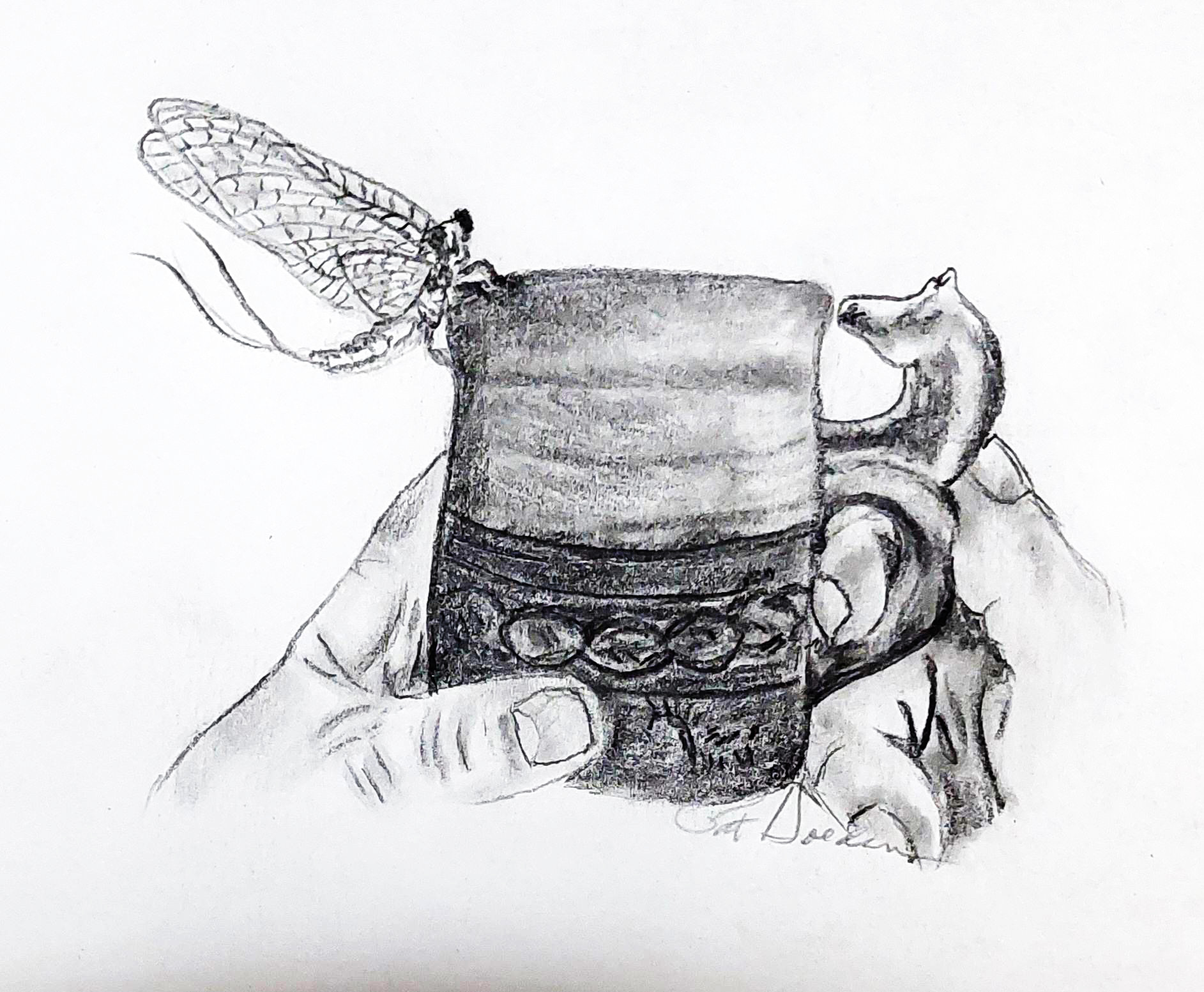
Ever so quietly, so unexpectedly, it appeared, perching on a peaceful morning as warblers serenaded from complete camouflage within the leaves towering high above. Suddenly, and from seemingly out of nowhere, the mayfly appeared on the edge of my mug of tea, posing beautifully across the breadth of kilned clay from the Norge Horse handle of Gene Tokheim’s beautiful mug.

What wasn’t there to like? An early morning seated comfortably with tasty tea mere meters away from a dense deciduous timber. A slight breeze dancing across the campground grasses, with the fresh morning sun warming my back in the coolness of the shade. A collective moment of peace and quiet as I studied Gene’s artistry, one with the Norge Horse handle, a cup I’ve used for my morning tea since it was gifted to me many years ago as an appreciation gift for the years of serving on the Clean Up the River Environment (CURE) board of directors.

Thanks to my artist friend, Pat Doeden, who sketched my brief mayfly moment.

Briefly I wished for my camera knowing that even the slightest movement would end the magic moment shared with the delicate mayfly. So I simply sat, still and stilled, enjoying a brief and magical moment amid thoughts from our brief camping trip. This was our last morning at Itasca State Park, Minnesota’s oldest and largest of 66 state parks. Itasca was a last moment decision, one that came with the social media announcements of the “yellows” being in bloom. “Yellows” would be yellow ladyslippers, one of about a half dozen of the uniquely shaped native orchids within our borders, and an instant draw. “We’re going to Itasca if I can find a spot,” I warned Roberta. “The yellows are in bloom.”

Although I have files of the pot-bellied orchids in the archive, as I have with so many other wildflowers, orchids and birds, there is yet this sense of counting and courting emerging seasons. Seemingly hundreds within a given year. That’s just how it is and I offer no apologies.

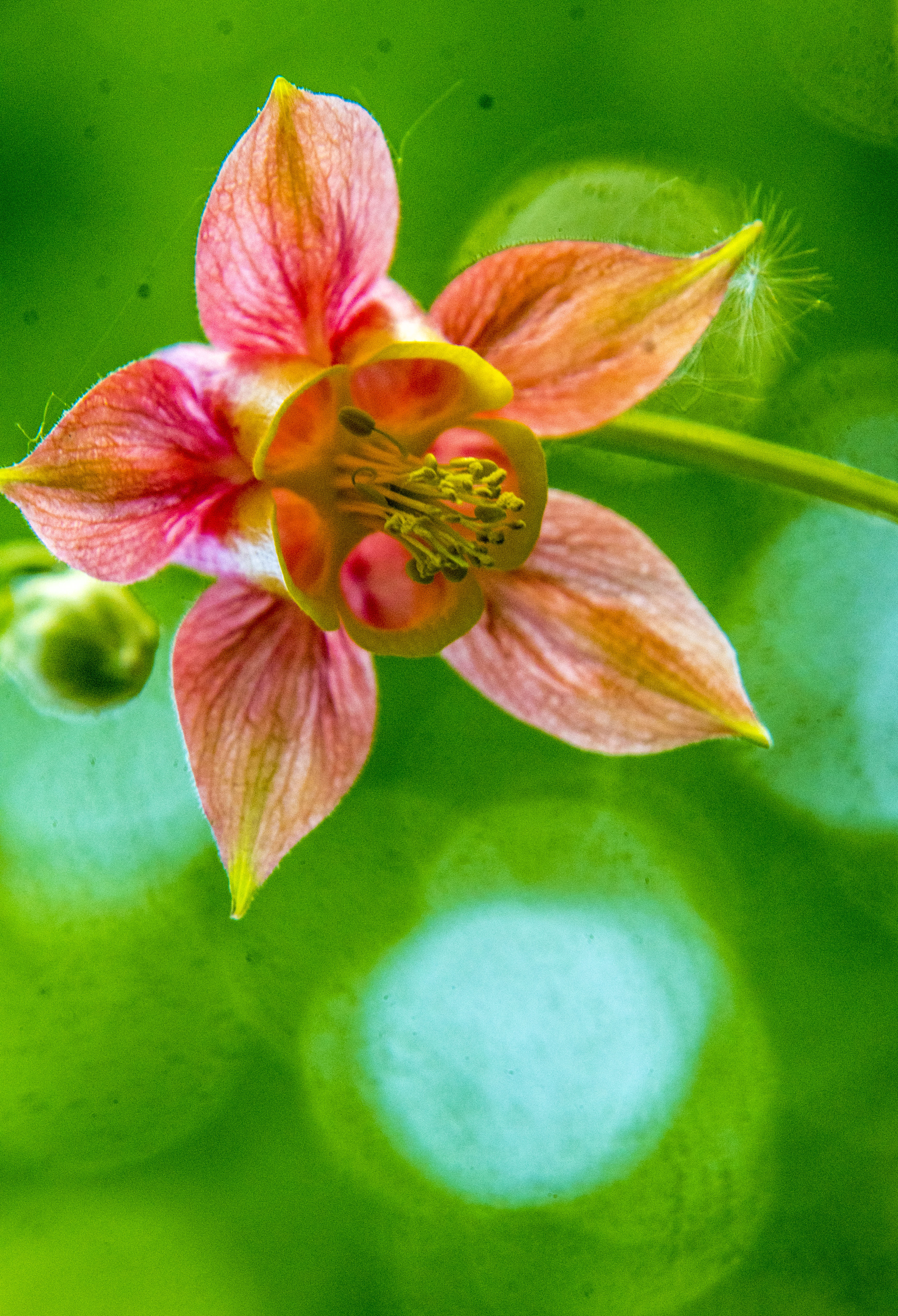
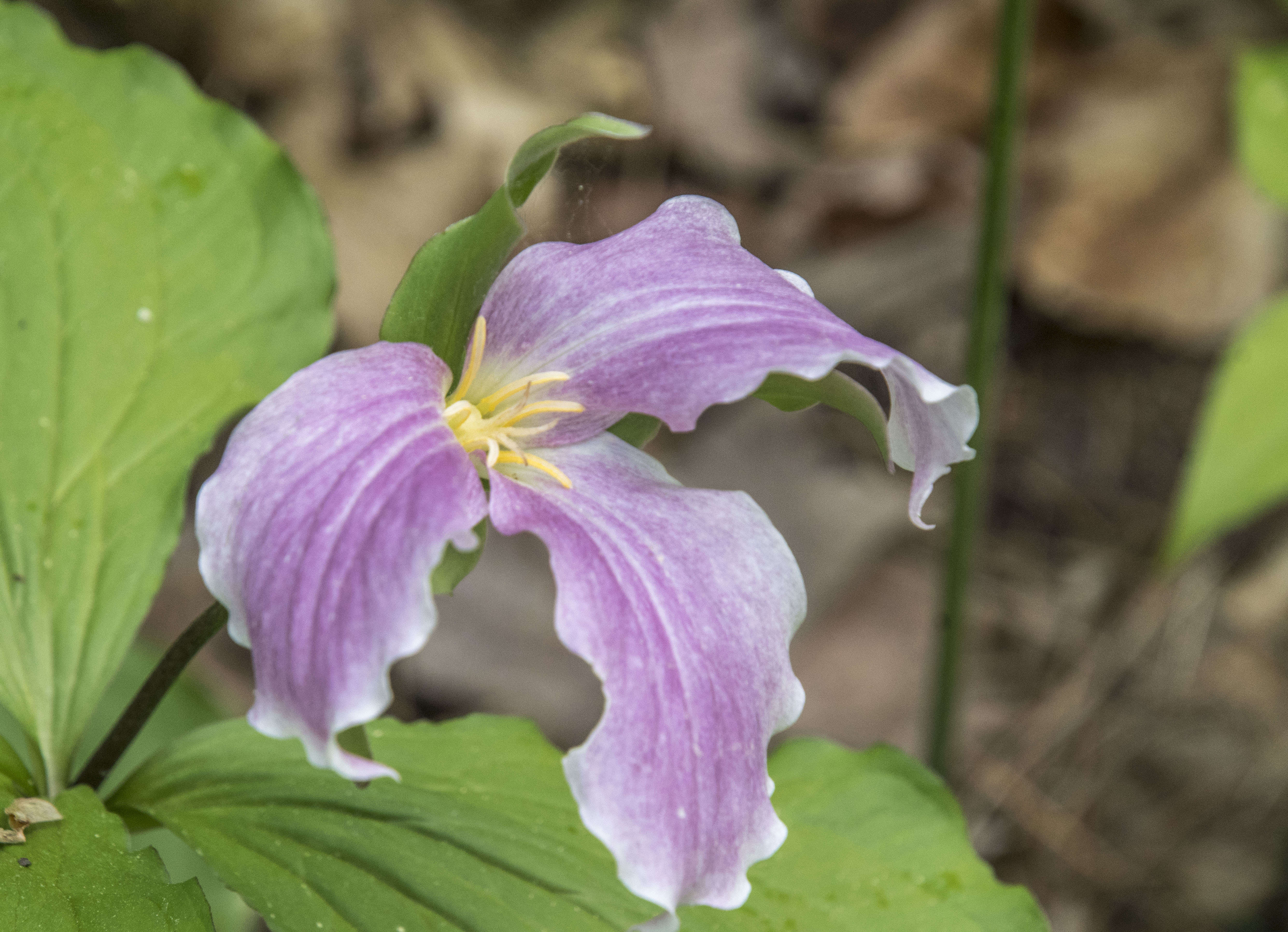
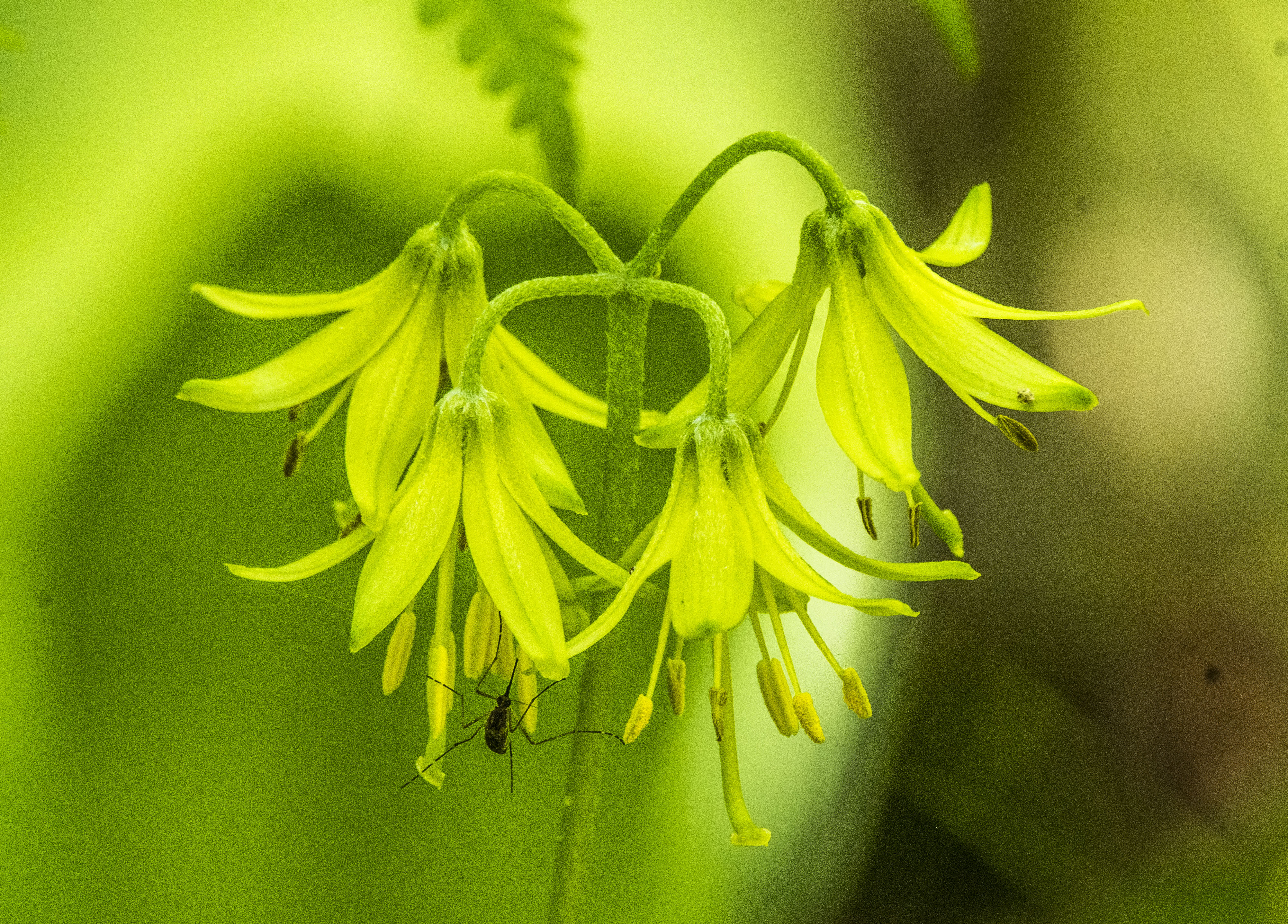
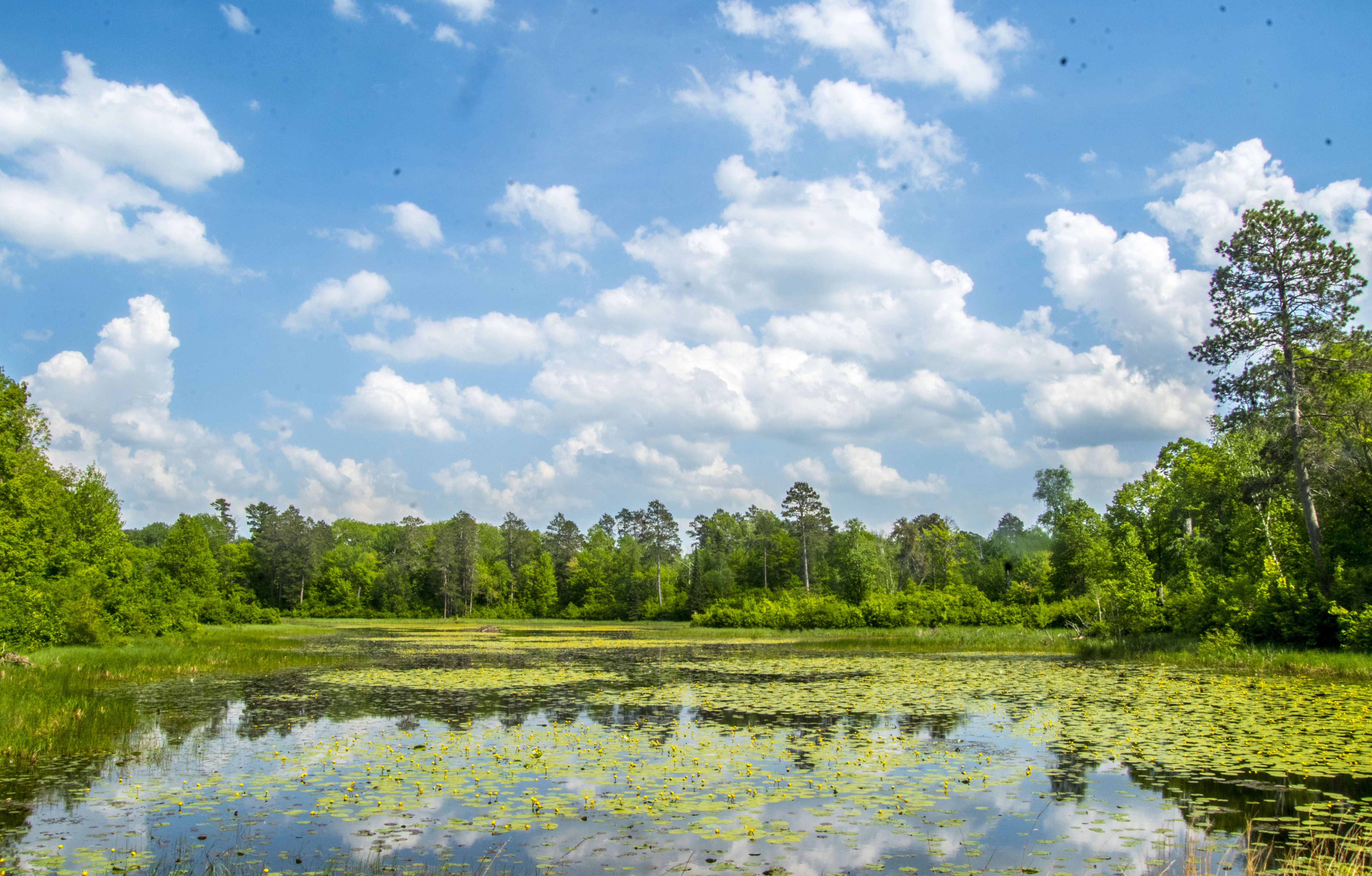
On the afternoon of our arrival we had driven the one-way paved road around the western edge of Itasca where we edged along ever so slowly, often stopping so I could climb out with my old Nikon to capture ever more images. Of reddish columbines (commonly called “honeysuckle”, it seems), bluebeard, bellwort, spent and purpled trilliums and, of course, the yellow ladyslippers. This is obviously an abbreviated list. Our’s was a long, slow and eventful motor tour filled with numerous wildflowers along with a few scenics, including a huge, shallow lake dotted with yellow lillypad blossoms and those plate-sized circular leaves afloat on the surface. 

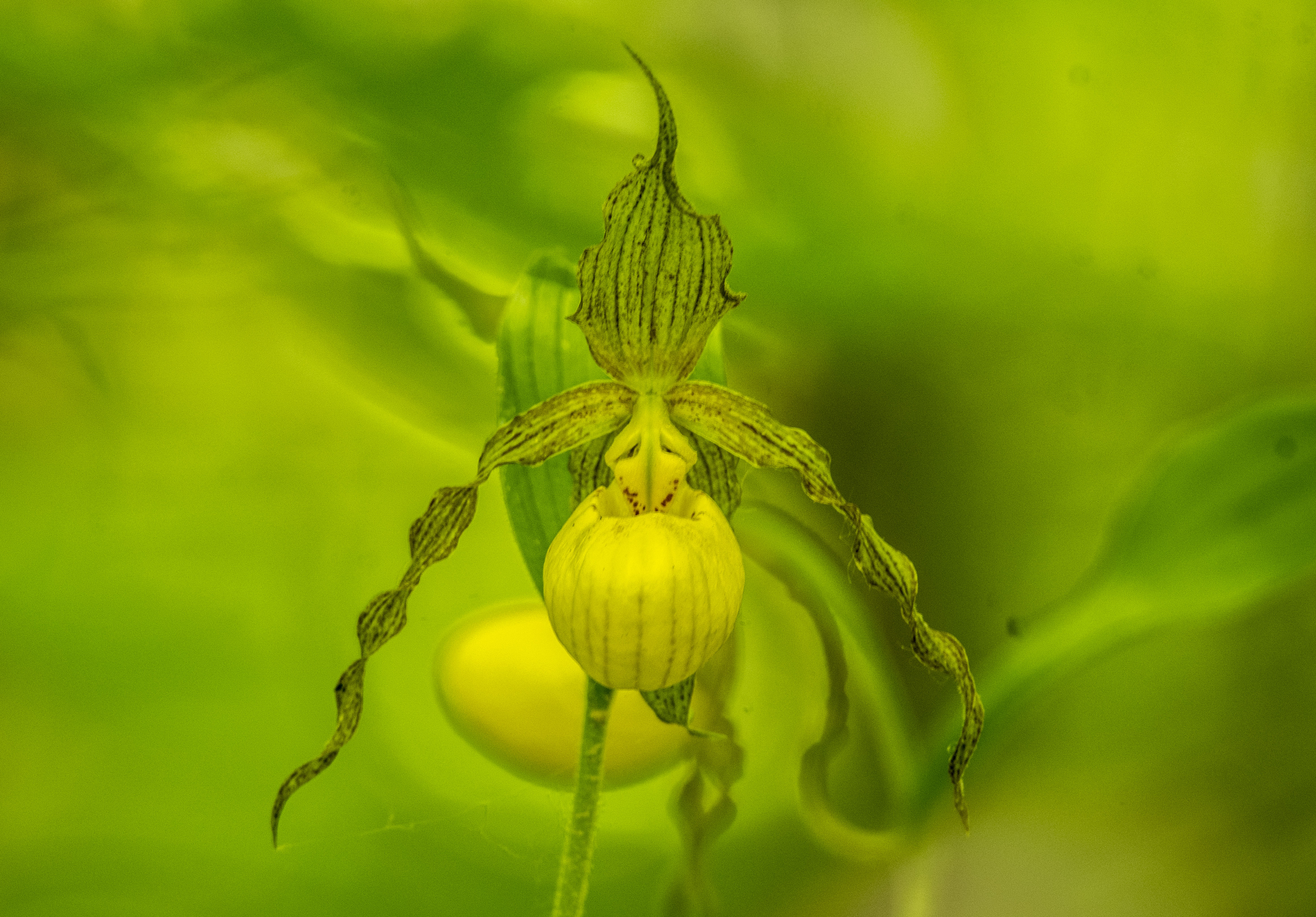
We came for the yellow ladyslippers, and they didn’t disappoint.

The following morning we made our way to a trail recommended by a park employee, for perhaps there was a chance for some bog images. Initially we had thought of making the 30 mile trip up to Lake Bemidji State Park where I’ve photographed numerous bog plants over the years. “We likely won’t have what you saw at Bemidji, but we do have a boardwalk and bogs on the Dr. John Lewis Trail,” she said.

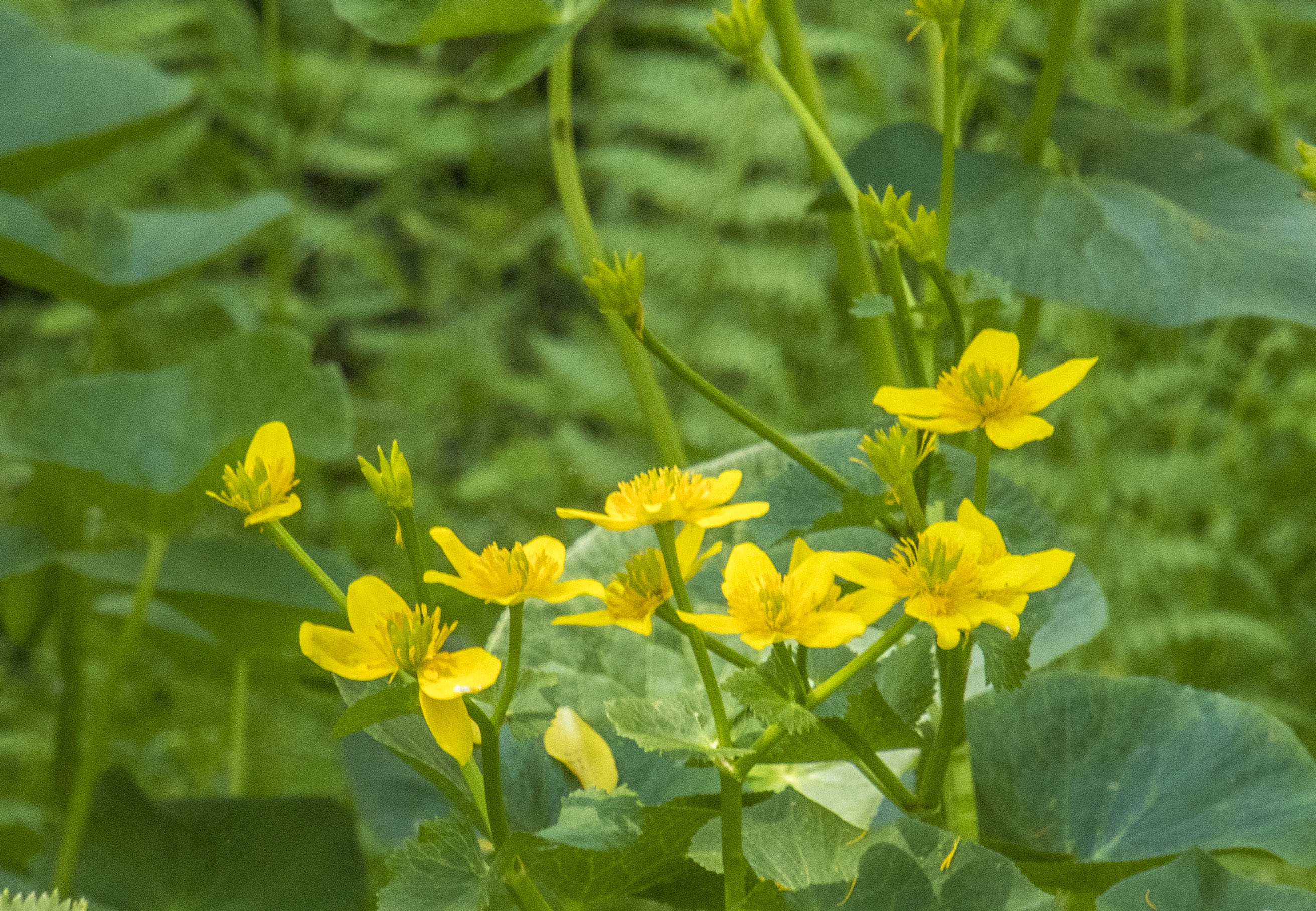
With Joe Pye on leash we headed out on what would become a quite hilly and challenging trail. While we didn’t see any stemless ladyslippers or pitcher plants, marsh marigolds greeted us from all corners of the boggy part of the forest floor path. Marigolds formed a bright yellow carpet stretching up the foot of the hills amidst aged-old and gnarly trees. Beyond the boardwalk and into the dense timber we found dozens of other wild flowers … and fleeting warblers way too high to see let alone photograph. 

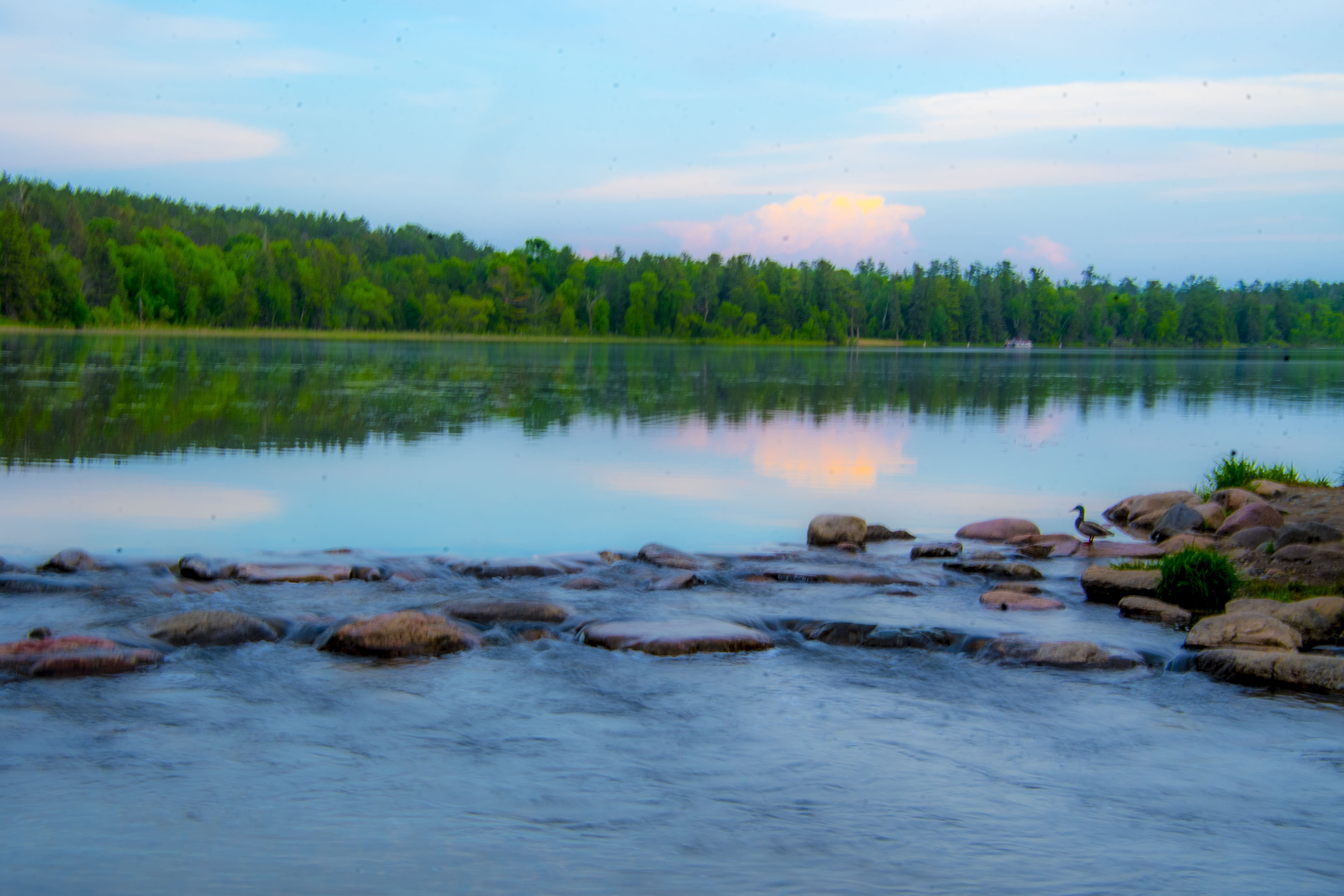
As the mayfly sat, with no indication of movement, I thought once again of the headwaters, the site where the waters of Itasca Lake eases over what has become the stepping stones for generations of millions of families, our’s included. They were just five or so miles up the road. It took a couple of nights before we would walk the quarter mile path past the start of the river I’ve spent so many of my years living alongside. Funny how thoughts come and go. 

I am now working on a state park photographic journal and my thoughts coming here, besides the yellows, was finding a creative moment there at the headwaters, working with waters that within a few years will flow through Minneapolis toward Hastings, a ten year home back when I was raising a young family. Then it would flow past Reads Landing, then Winona and Prairie du Chien, all holding fond memories, and later Dubuque, where I landed for two years at the beginning of a long photojournalistic career. On downriver to Mark Twain’s Hannibal, about 50 miles from my childhood home, then past St. Louis and the Missouri Bootheal into Delta Region. Ribs and old friends in Memphis. Those first fried pickle chips in Natches served as a side with pan fried catfish, and finally skirting the Atchafalaya Basin and eventually New Orleans … a city froth with memories. Career wise, and personal-wise. It all begins here at the headwaters.  

This shallow lake on the “one way” was filled with lillypads.

We were mostly successful with just a handful of tourists who wouldn’t hang around long. Photographically we weren’t so fortunate. A smoky sky and cloud cover to the west would likely diminish any ambient sunset colors,  although there was a beautiful late sun reflecting off a distant towering bank of clouds. About a half dozen older couples ambled in and out during our hour or so at the site, including a 60-ish fellow who attempted to tiptoe over the headwater rocks and nearly did a face plant just two stones from the end, all captured on his wife’s cell phone. 

Then a family arrived by bicycle and a near teenage boy did what the older fellow couldn’t. His baby sister simply found a cooling spot rich with stones and simply sat right in the midst of my hopeful image. My goal of a humanless sunset image seemed to be in jeopardy. Eventually, though, they collected themselves and biked back down the trail. Left alone, a mallard couple flew into stilled Lake Itasca just beyond the stepping stones. It was just us and the mallards. Then, like the humans, the drake began to amble from rock to rock in harmony with the bubbling waters. 

A mallard drake checks out the stepping stones across the Mississippi River headwaters from Lake Itasca.

So there I sat, hours later on a quiet and dewy morning, facing the forest and sipping tea from Gene Tokheim’s beautiful mug while mentally recalling our collective imagery and experiences. Then the mayfly came to perch in perfect profile across from Gene’s Norge Horse. What a beautiful and peaceful way of bringing this short yet eventful camping experience to a conclusion.

For several moments we sat quietly, me in my camping chair, the mayfly on the mug, enjoying a moment of shared serenity. When I turned to catch sight of a flash of color, likely from a noisy and darting yellow rumped warbler, the mayfly must have flown for the mug was suddenly and unfortunately naked. Despite the number of nice images captured and the beautiful sights we had seen and shared, that brief moment with the mayfly was perhaps my fondest moment of all. Sometimes it’s just the small and simple things, and this was one of those times.