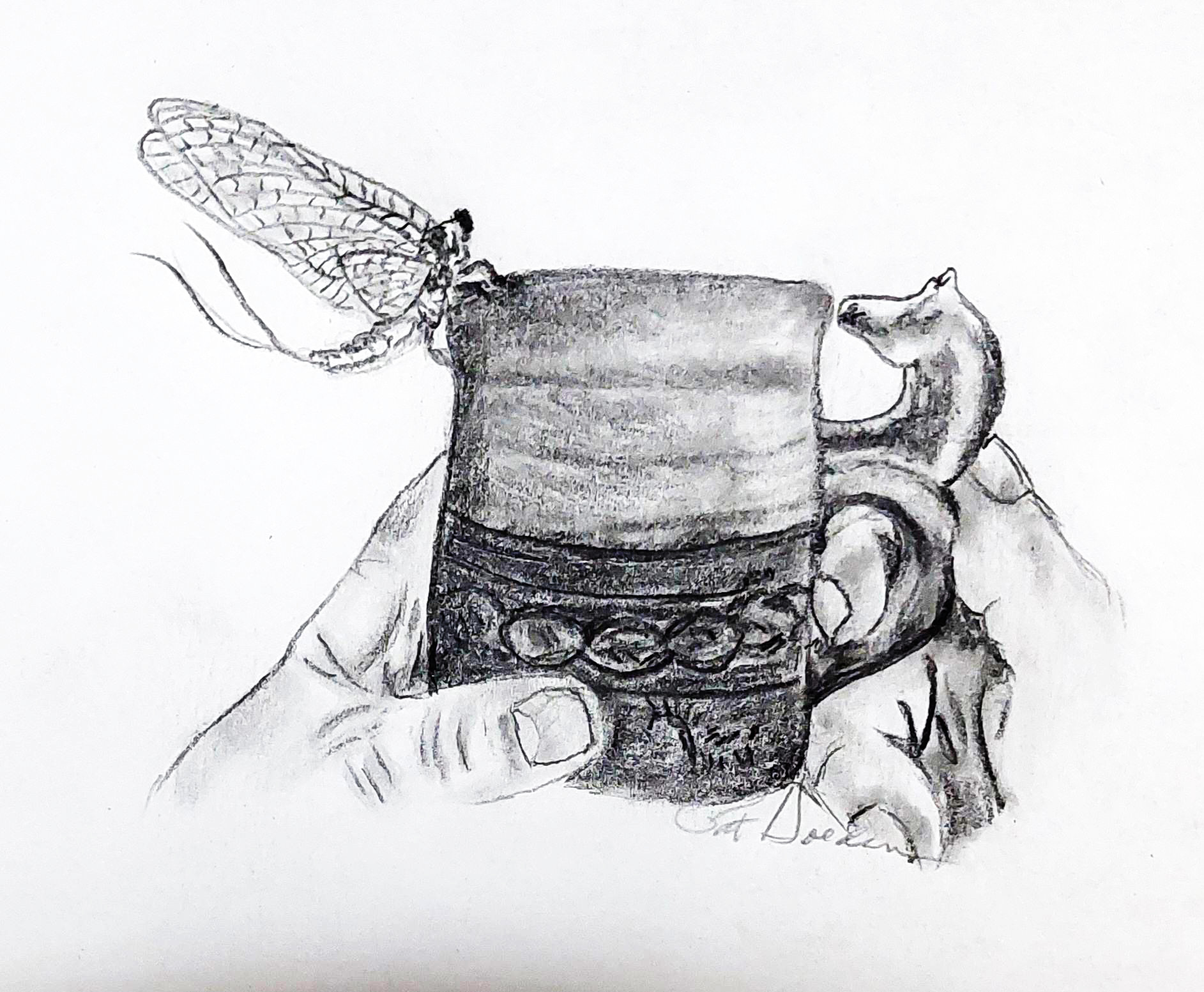
Ever so quietly, so unexpectedly, it appeared, perching on a peaceful morning as warblers serenaded from complete camouflage within the leaves towering high above. Suddenly, and from seemingly out of nowhere, the mayfly appeared on the edge of my mug of tea, posing beautifully across the breadth of kilned clay from the Norge Horse handle of Gene Tokheim’s beautiful mug.
What wasn’t there to like? An early morning seated comfortably with tasty tea mere meters away from a dense deciduous timber. A slight breeze dancing across the campground grasses, with the fresh morning sun warming my back in the coolness of the shade. A collective moment of peace and quiet as I studied Gene’s artistry, one with the Norge Horse handle, a cup I’ve used for my morning tea since it was gifted to me many years ago as an appreciation gift for the years of serving on the Clean Up the River Environment (CURE) board of directors.
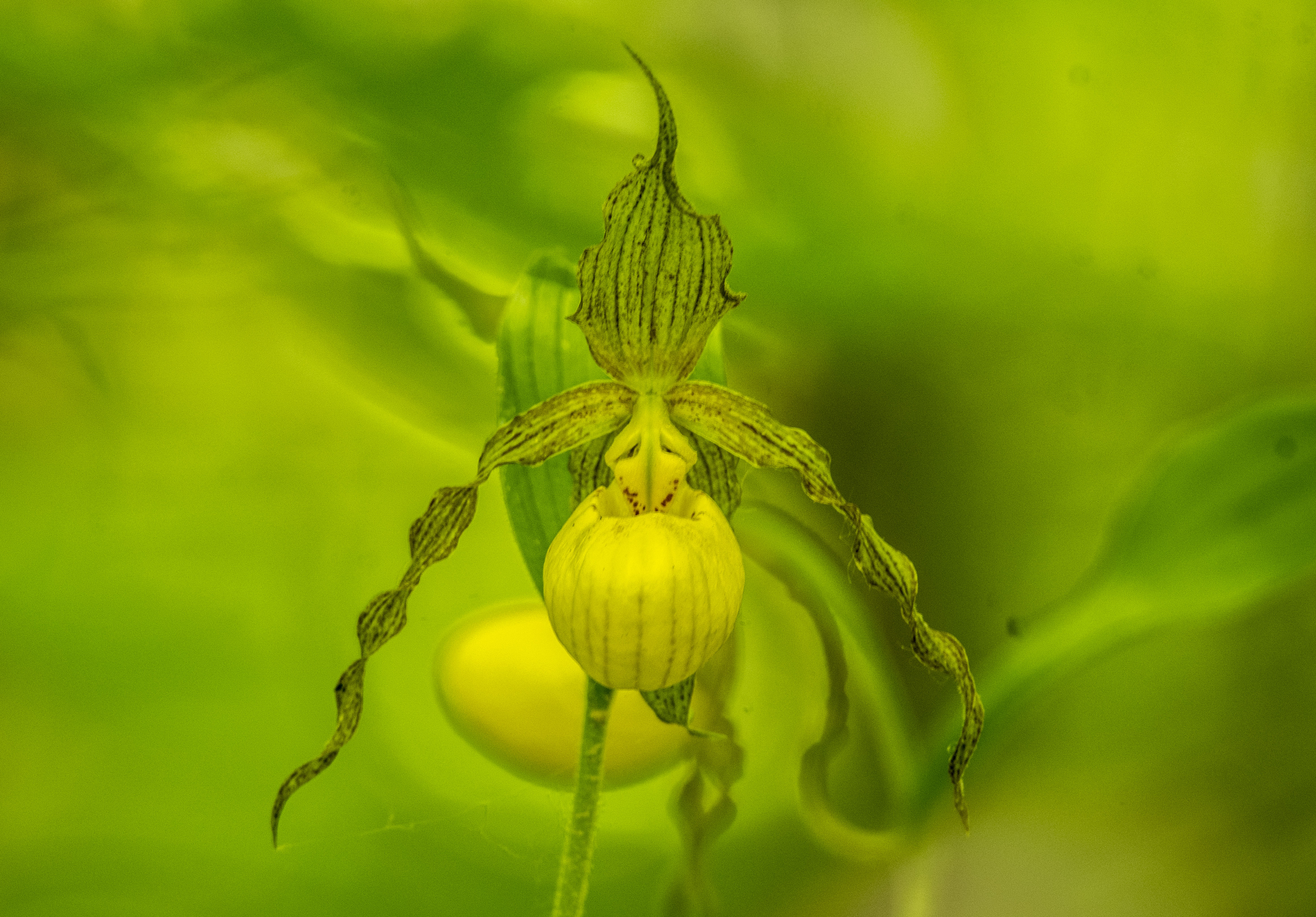
Briefly I wished for my camera knowing that even the slightest movement would end the magic moment shared with the delicate mayfly. So I simply sat, still and stilled, enjoying a brief and magical moment amid thoughts from our brief camping trip. This was our last morning at Itasca State Park, Minnesota’s oldest and largest of 66 state parks. Itasca was a last moment decision, one that came with the social media announcements of the “yellows” being in bloom. “Yellows” would be yellow ladyslippers, one of about a half dozen of the uniquely shaped native orchids within our borders, and an instant draw. “We’re going to Itasca if I can find a spot,” I warned Roberta. “The yellows are in bloom.”
Although I have files of the pot-bellied orchids in the archive, as I have with so many other wildflowers, orchids and birds, there is yet this sense of counting and courting emerging seasons. Seemingly hundreds within a given year. That’s just how it is and I offer no apologies.
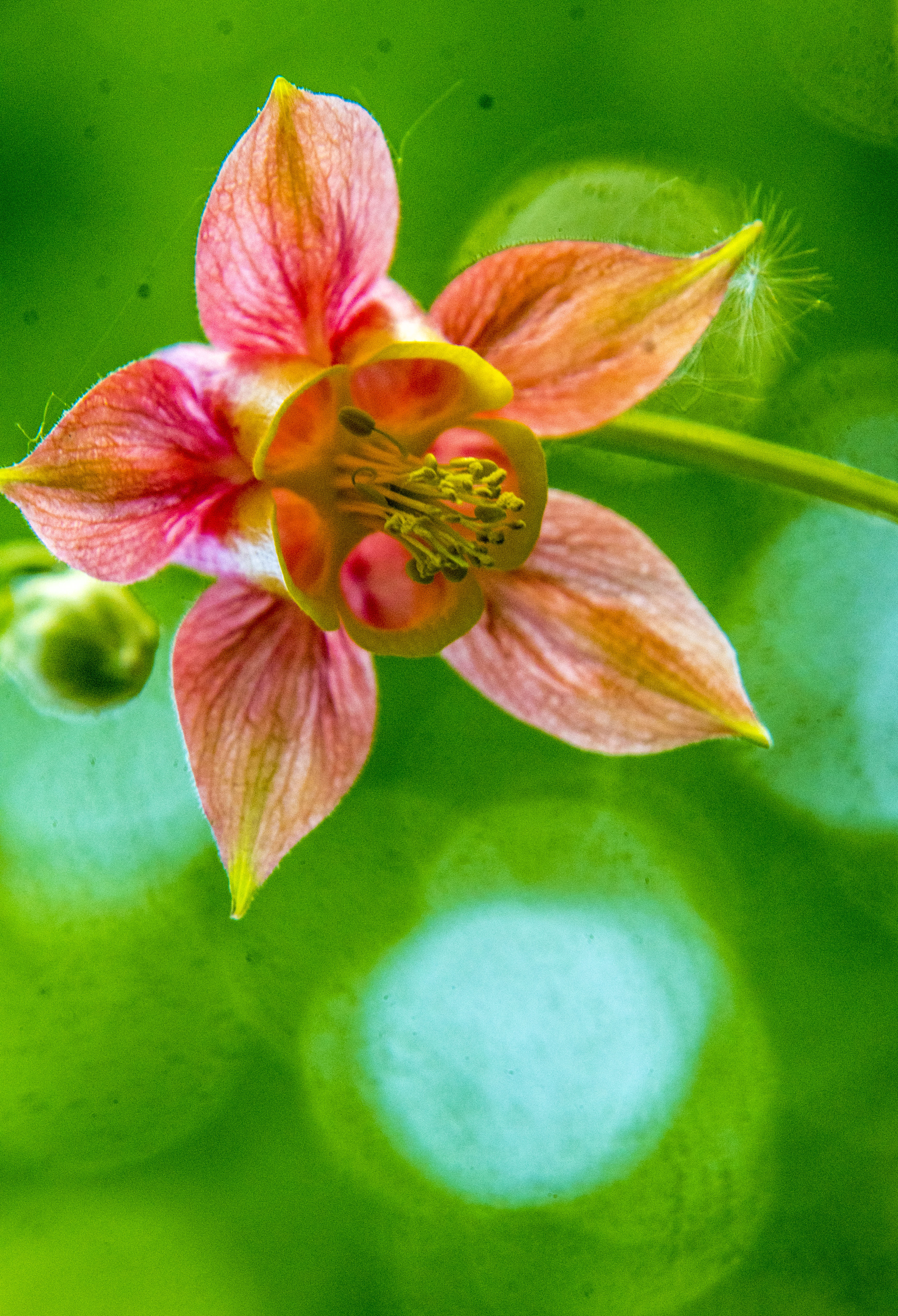
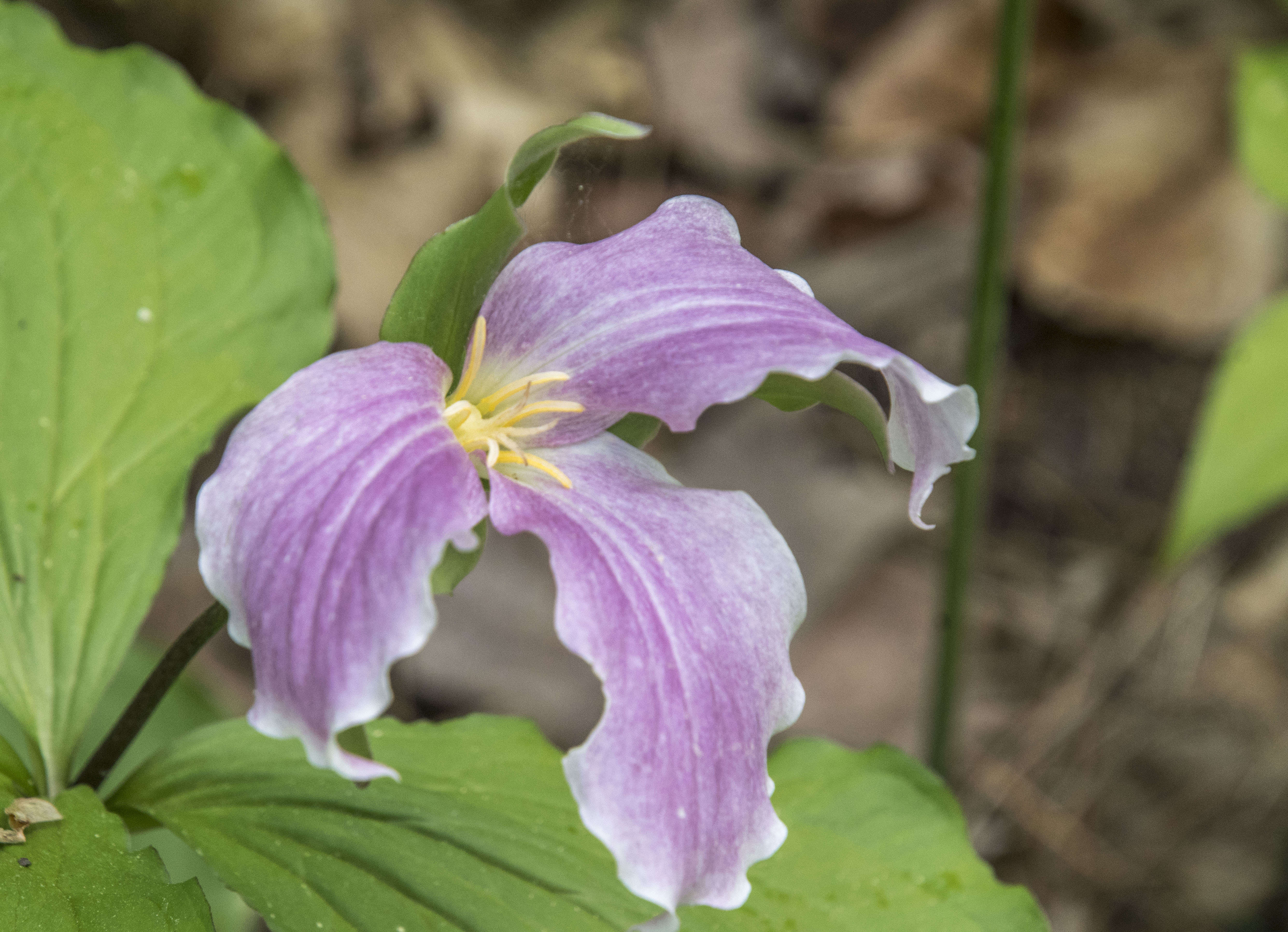
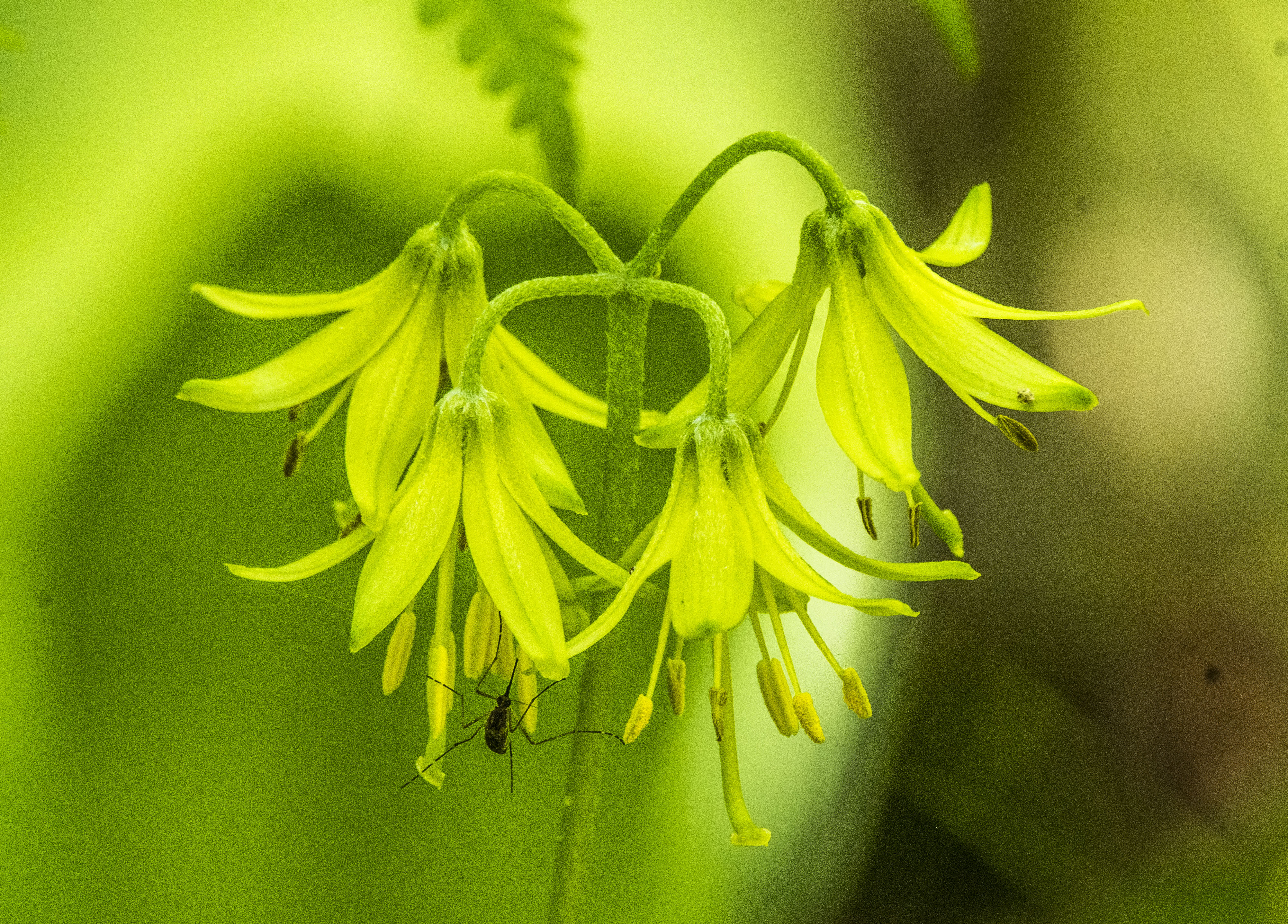
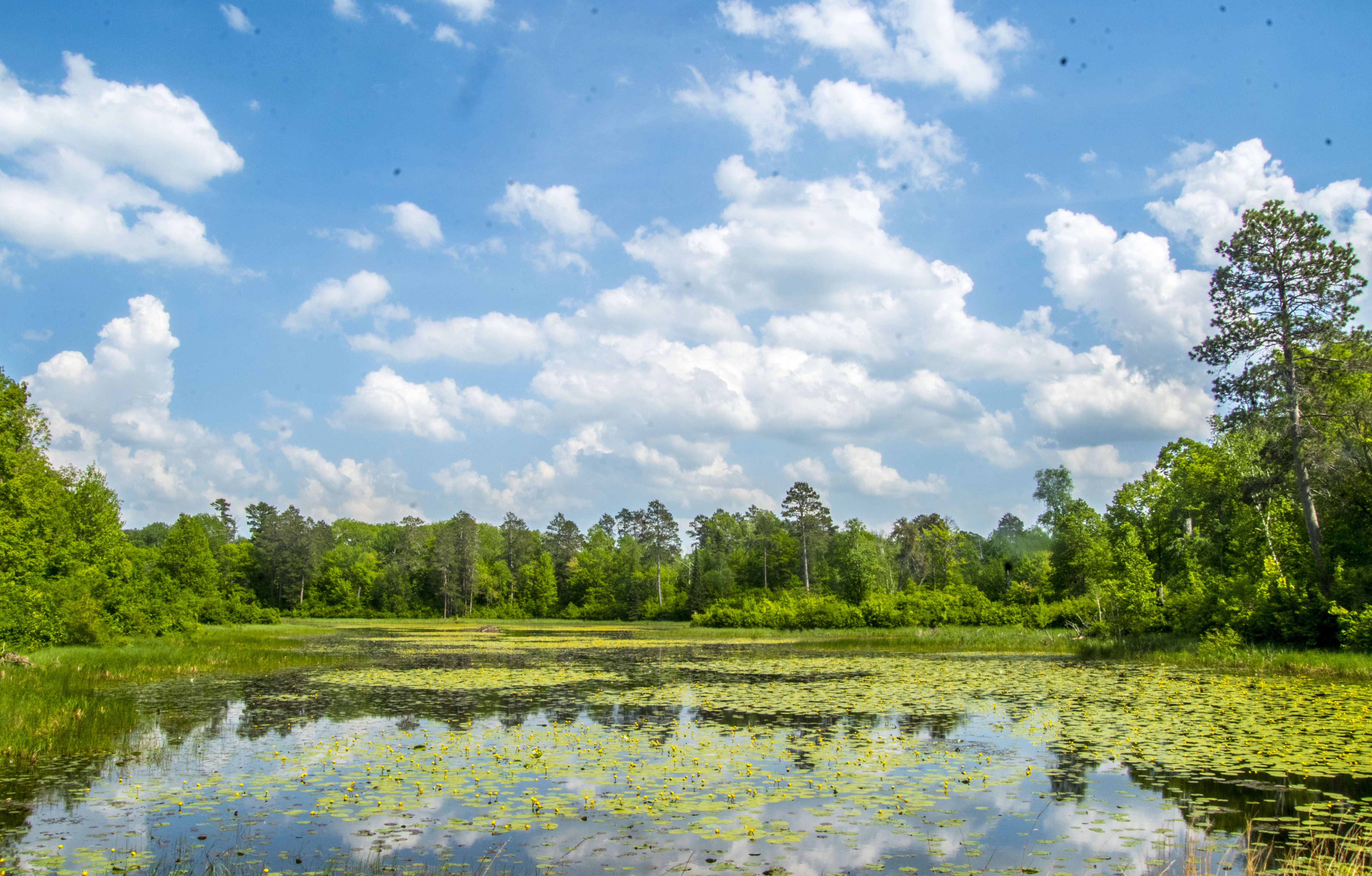
On the afternoon of our arrival we had driven the one-way paved road around the western edge of Itasca where we edged along ever so slowly, often stopping so I could climb out with my old Nikon to capture ever more images. Of reddish columbines (commonly called “honeysuckle”, it seems), bluebeard, bellwort, spent and purpled trilliums and, of course, the yellow ladyslippers. This is obviously an abbreviated list. Our’s was a long, slow and eventful motor tour filled with numerous wildflowers along with a few scenics, including a huge, shallow lake dotted with yellow lillypad blossoms and those plate-sized circular leaves afloat on the surface.
The following morning we made our way to a trail recommended by a park employee, for perhaps there was a chance for some bog images. Initially we had thought of making the 30 mile trip up to Lake Bemidji State Park where I’ve photographed numerous bog plants over the years. “We likely won’t have what you saw at Bemidji, but we do have a boardwalk and bogs on the Dr. John Lewis Trail,” she said.
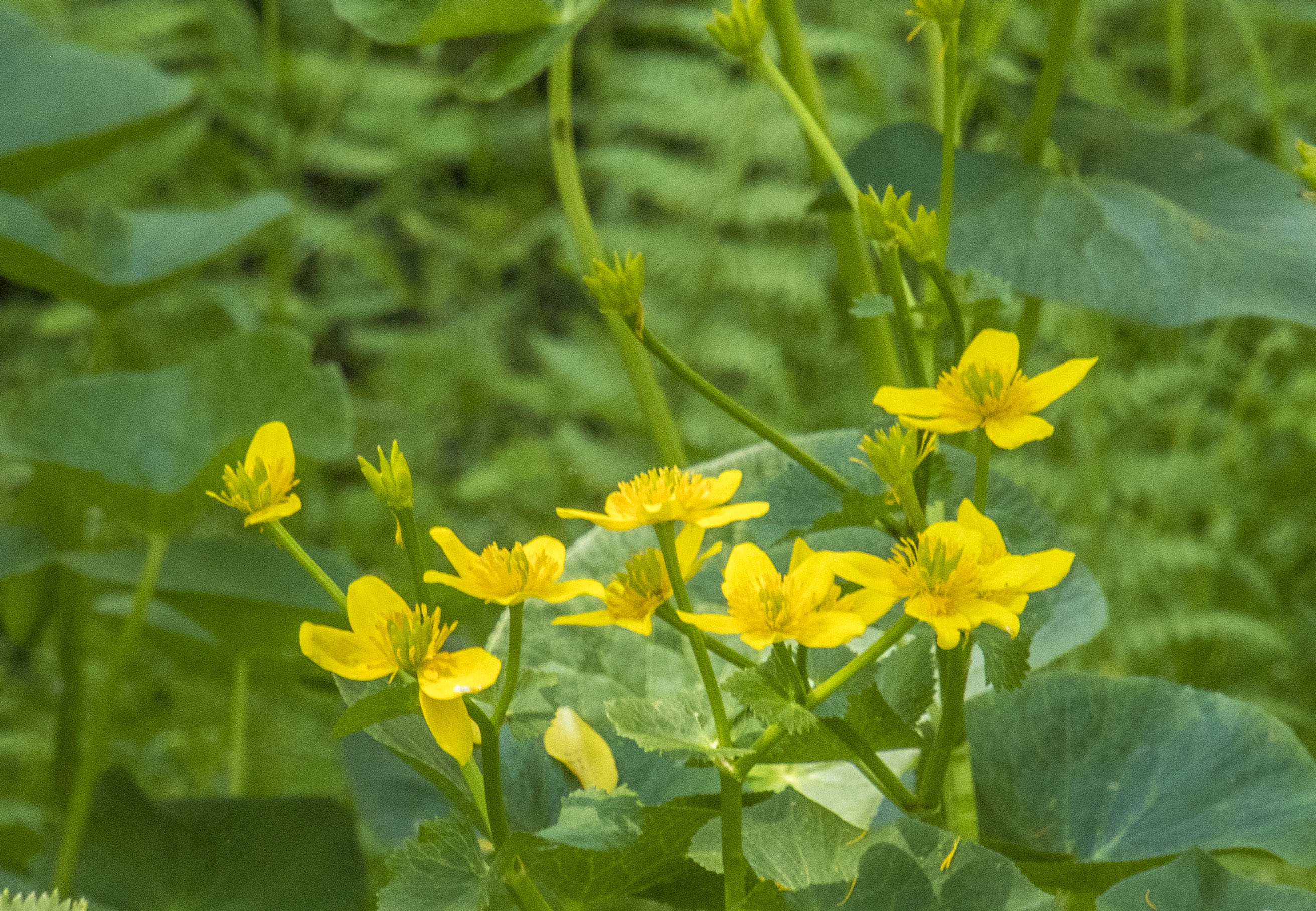
With Joe Pye on leash we headed out on what would become a quite hilly and challenging trail. While we didn’t see any stemless ladyslippers or pitcher plants, marsh marigolds greeted us from all corners of the boggy part of the forest floor path. Marigolds formed a bright yellow carpet stretching up the foot of the hills amidst aged-old and gnarly trees. Beyond the boardwalk and into the dense timber we found dozens of other wild flowers … and fleeting warblers way too high to see let alone photograph.
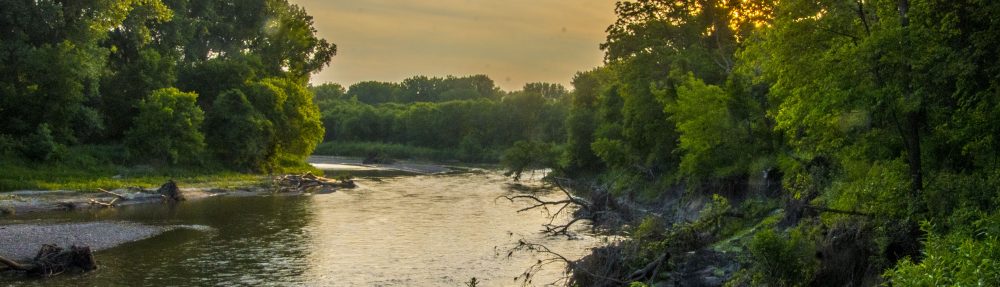
As the mayfly sat, with no indication of movement, I thought once again of the headwaters, the site where the waters of Itasca Lake eases over what has become the stepping stones for generations of millions of families, our’s included. They were just five or so miles up the road. It took a couple of nights before we would walk the quarter mile path past the start of the river I’ve spent so many of my years living alongside. Funny how thoughts come and go.
I am now working on a state park photographic journal and my thoughts coming here, besides the yellows, was finding a creative moment there at the headwaters, working with waters that within a few years will flow through Minneapolis toward Hastings, a ten year home back when I was raising a young family. Then it would flow past Reads Landing, then Winona and Prairie du Chien, all holding fond memories, and later Dubuque, where I landed for two years at the beginning of a long photojournalistic career. On downriver to Mark Twain’s Hannibal, about 50 miles from my childhood home, then past St. Louis and the Missouri Bootheal into Delta Region. Ribs and old friends in Memphis. Those first fried pickle chips in Natches served as a side with pan fried catfish, and finally skirting the Atchafalaya Basin and eventually New Orleans … a city froth with memories. Career wise, and personal-wise. It all begins here at the headwaters.
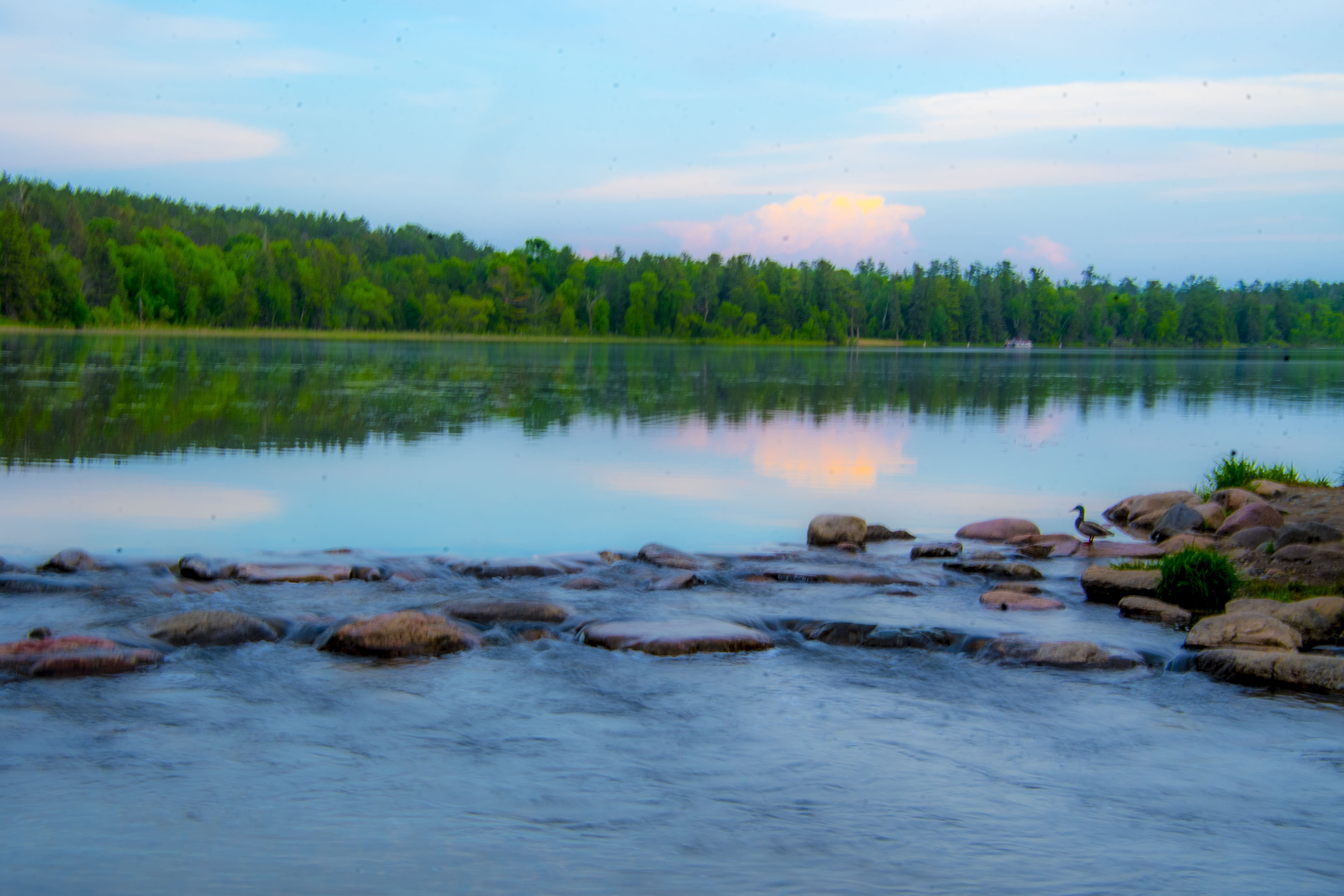
We were mostly successful with just a handful of tourists who wouldn’t hang around long. Photographically we weren’t so fortunate. A smoky sky and cloud cover to the west would likely diminish any ambient sunset colors, although there was a beautiful late sun reflecting off a distant towering bank of clouds. About a half dozen older couples ambled in and out during our hour or so at the site, including a 60-ish fellow who attempted to tiptoe over the headwater rocks and nearly did a face plant just two stones from the end, all captured on his wife’s cell phone.
Then a family arrived by bicycle and a near teenage boy did what the older fellow couldn’t. His baby sister simply found a cooling spot rich with stones and simply sat right in the midst of my hopeful image. My goal of a humanless sunset image seemed to be in jeopardy. Eventually, though, they collected themselves and biked back down the trail. Left alone, a mallard couple flew into stilled Lake Itasca just beyond the stepping stones. It was just us and the mallards. Then, like the humans, the drake began to amble from rock to rock in harmony with the bubbling waters.
So there I sat, hours later on a quiet and dewy morning, facing the forest and sipping tea from Gene Tokheim’s beautiful mug while mentally recalling our collective imagery and experiences. Then the mayfly came to perch in perfect profile across from Gene’s Norge Horse. What a beautiful and peaceful way of bringing this short yet eventful camping experience to a conclusion.
For several moments we sat quietly, me in my camping chair, the mayfly on the mug, enjoying a moment of shared serenity. When I turned to catch sight of a flash of color, likely from a noisy and darting yellow rumped warbler, the mayfly must have flown for the mug was suddenly and unfortunately naked. Despite the number of nice images captured and the beautiful sights we had seen and shared, that brief moment with the mayfly was perhaps my fondest moment of all. Sometimes it’s just the small and simple things, and this was one of those times.

