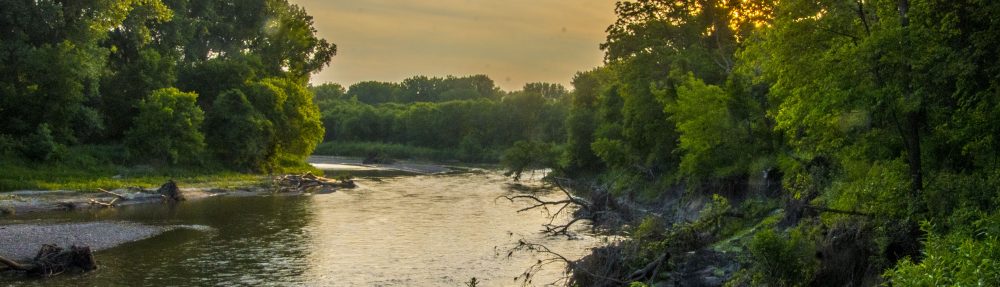
We were on the way home from visiting our sixth Minnesota State Park in the past two weeks when we saw the sign pointing toward the Sherburne National Wildlife Refuge. Just a short jog off our Google-assisted path home, so why not take a chance for once again photographing some Sandhill Cranes. Yes, I’m an obsessed “crane chaser!”
So we headed a bit south and west toward the seven-mile motor loop that meanders through this haven of “Cranesville” with high hopes and a quest for a picnic lunch. Yes, our anticipation was high, for we had made the earlier decision to postpone the last state park on our planned trip, one that was relatively close to Crex Meadows just across the Wisconsin border where Sandhills are often photographed. Visiting Sherburne was a nice salve for sore feelings.
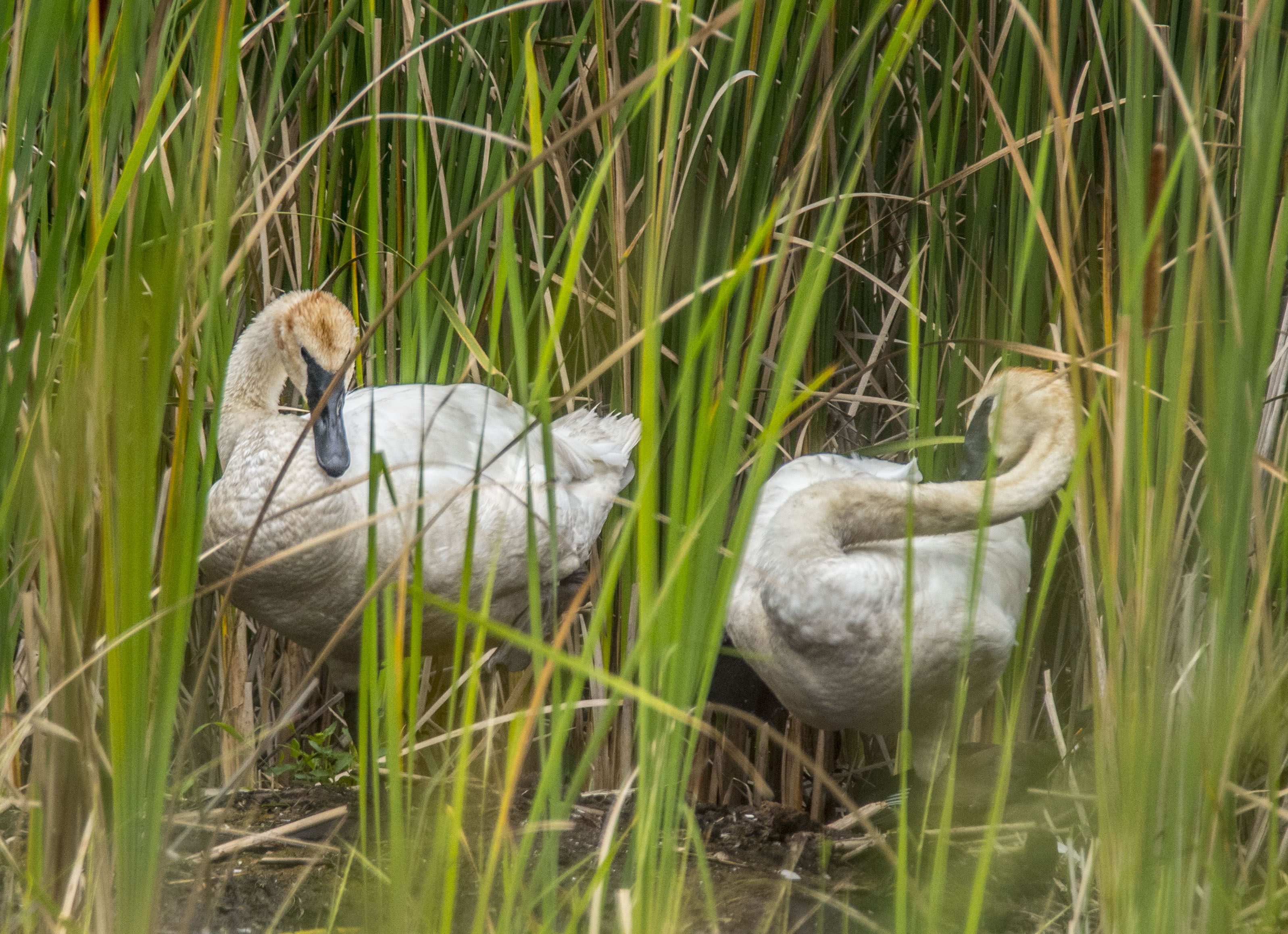
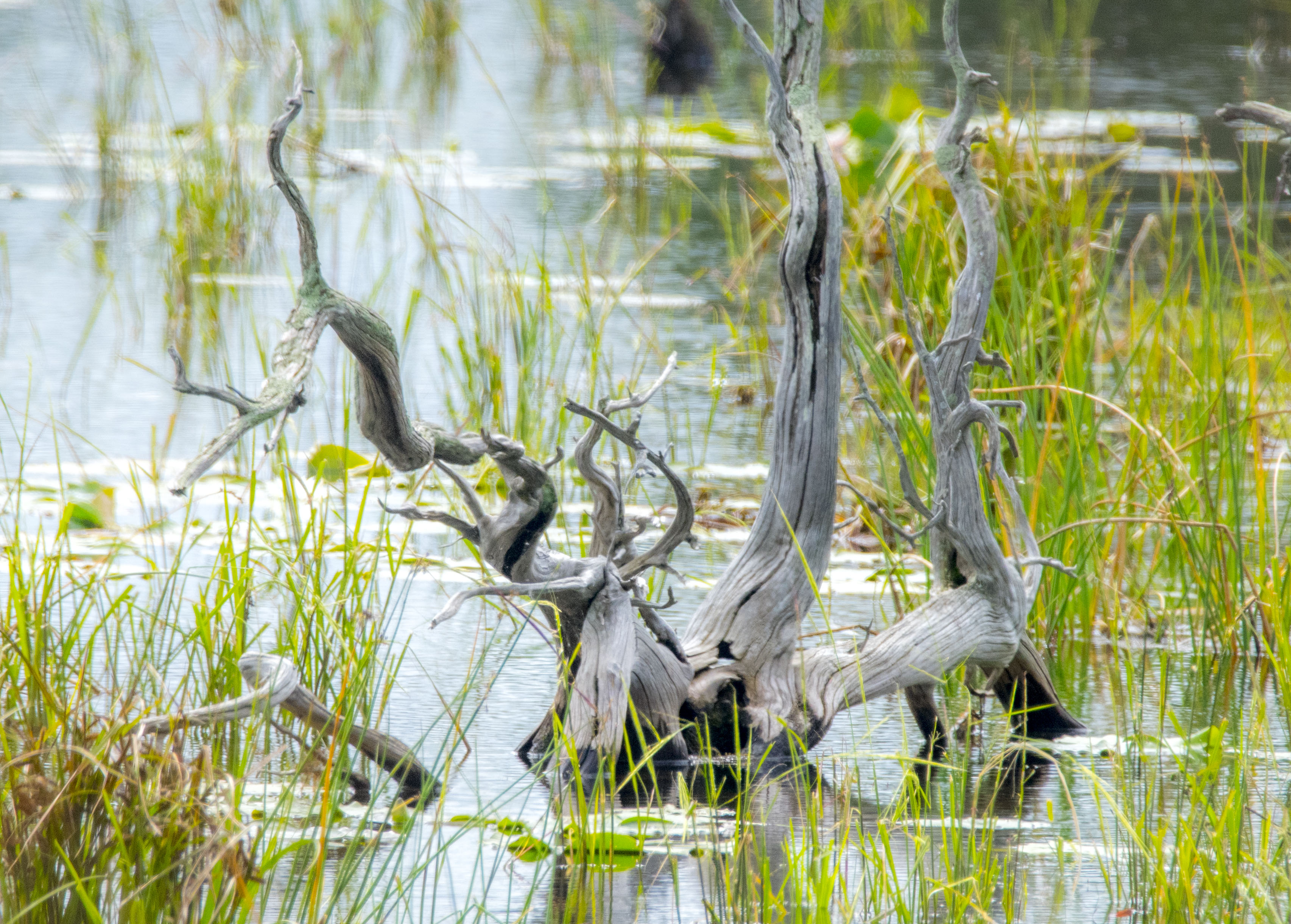
What we found was a lazy afternoon in the Refuge. Numerous swans at rest and preening in cattail hideaways. Resting cormorants in the skeletons of long dead trees sunning themselves to dryness. Kingfishers posed on woody spikes with watchful eyes. Long-beaked Green Herons poised for murder and mayhem. Beautiful wild flowers painting the adjacent prairies and glowing global teacups of white water lilies floating on the calm surfaces of the wetlands.
And not a single sighting of a Sandhill Crane. Not one.
“Off to the grain fields and prairies north of here,” was my shared thought, for we had passed three on the trip out not too far north, and actually along the highway we had just driven from. My suspicion was that the trio was a mated couple with their fully grown colt, and they were stoic and beautiful in the small patch of prairie next to an oak grove. Had we not been in a rush we might have pulled off for a picture, so we moved along.
Was this absence another sign of our dwindling summer? The weekend before we left on this excursion to hopefully complete my personal photo journal of the Minnesota State Parks, we had delivered a print to a farmer friend who has been quite kind over the years in suggesting nature sightings on his land. Next to his farm site we photographed power lines filled with seemingly hundreds of Redwing Blackbirds that had congregated as they do before migration. That we’ve seen the small family flocks of Canadian Geese flying around Listening Stones is another sign of a waning summer, but what really caught my attention was the bright blue, starred blooms of asters in the woody fringes of the state parks. It seems so early. Too early.
But yes, we are more than halfway through August so fall is quickly approaching, and nature is opening its annual gallery of these many seasonal changes that await us.
Our wildlife loop through Sherburne was almost shocking for it was my first time in the many loops I’ve made through there over the years without seeing a single Sandhill Crane. Spring, summer or autumn we’ve always been greeted by cranes, and once it was before we even reached the welcoming signs and kiosk less than a mile past the gate. After Thanksgiving last fall we spotted hundreds in two different groups along the edges of distant wetlands. Not this time, and we scanned the distant landscapes thoroughly with the 600 mm lens.
Regardless of species, the spring hatch has now grown mature enough that the parents are offering “flying lessons” to gorge up for the upcoming migrations. We must include the Sandhill Cranes among those offering such important lessons, for before long the prairies will be winter quiet.
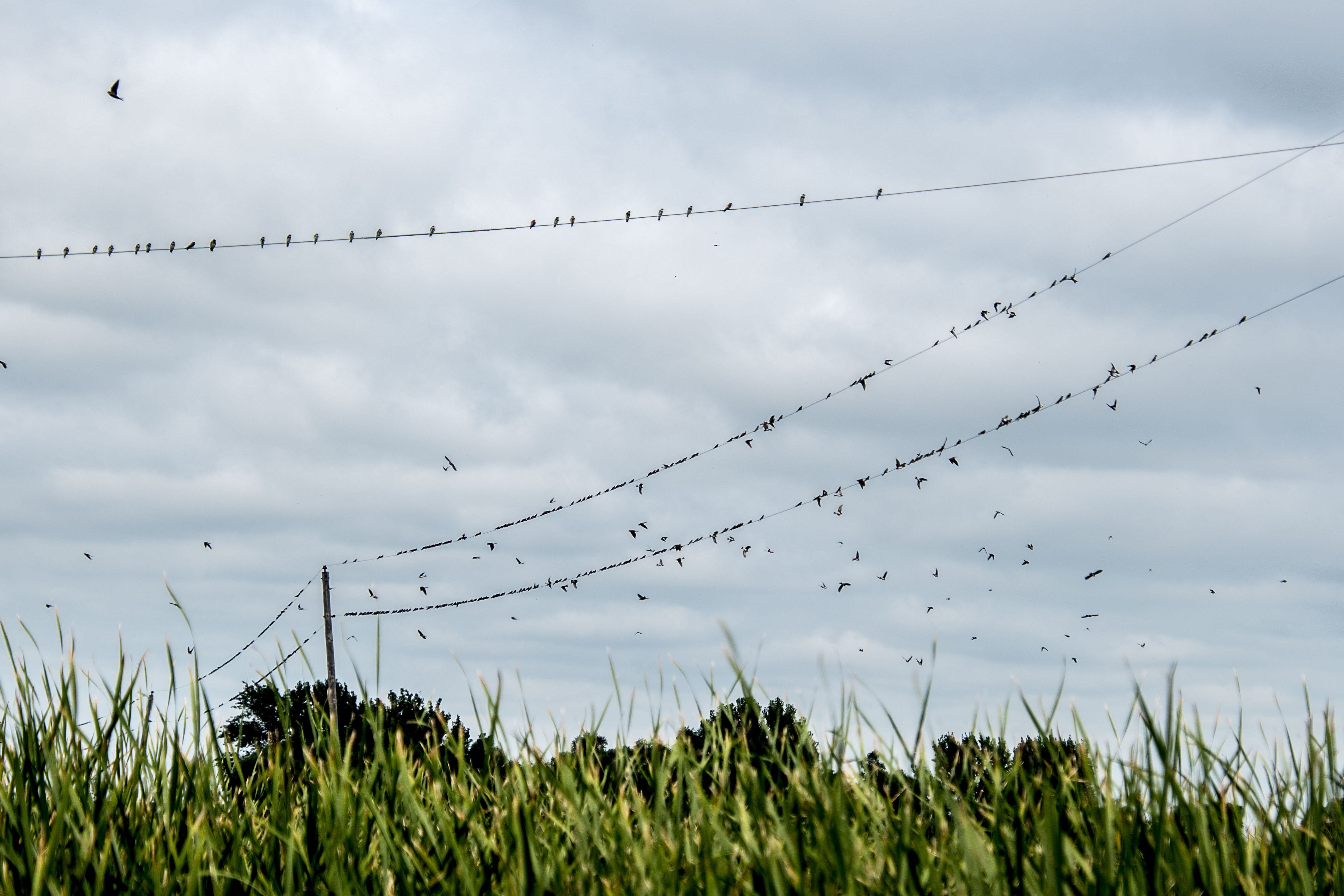
Around the house the number of barn swallows has nearly tripled in the past couple of weeks, as the young seem just as adept at flying above the prairie for mosquitoes and other insects as their matured parents. A few years ago I recall sitting on the deck with a class of cold tea looking at all of the swallows perched on the clothes lines and the several perchable edges of the outbuildings. Our prairie was noisy with the loud chatter of a late morning. We had gone inside for a quick lunch and when we returned a little later there wasn’t a swallow in sight. All were all gone. And the silence was deafening. In a midday instant the migration had parted.
Sherburne was sort of like that on our drive through late last week. Yes, it was a lazy and warm afternoon. There was barely a ripple on the surfaces of the multiple wetlands, so besides the feeling of laziness it was also incredibly calm. Peaceful in a way that makes your breathing easy.

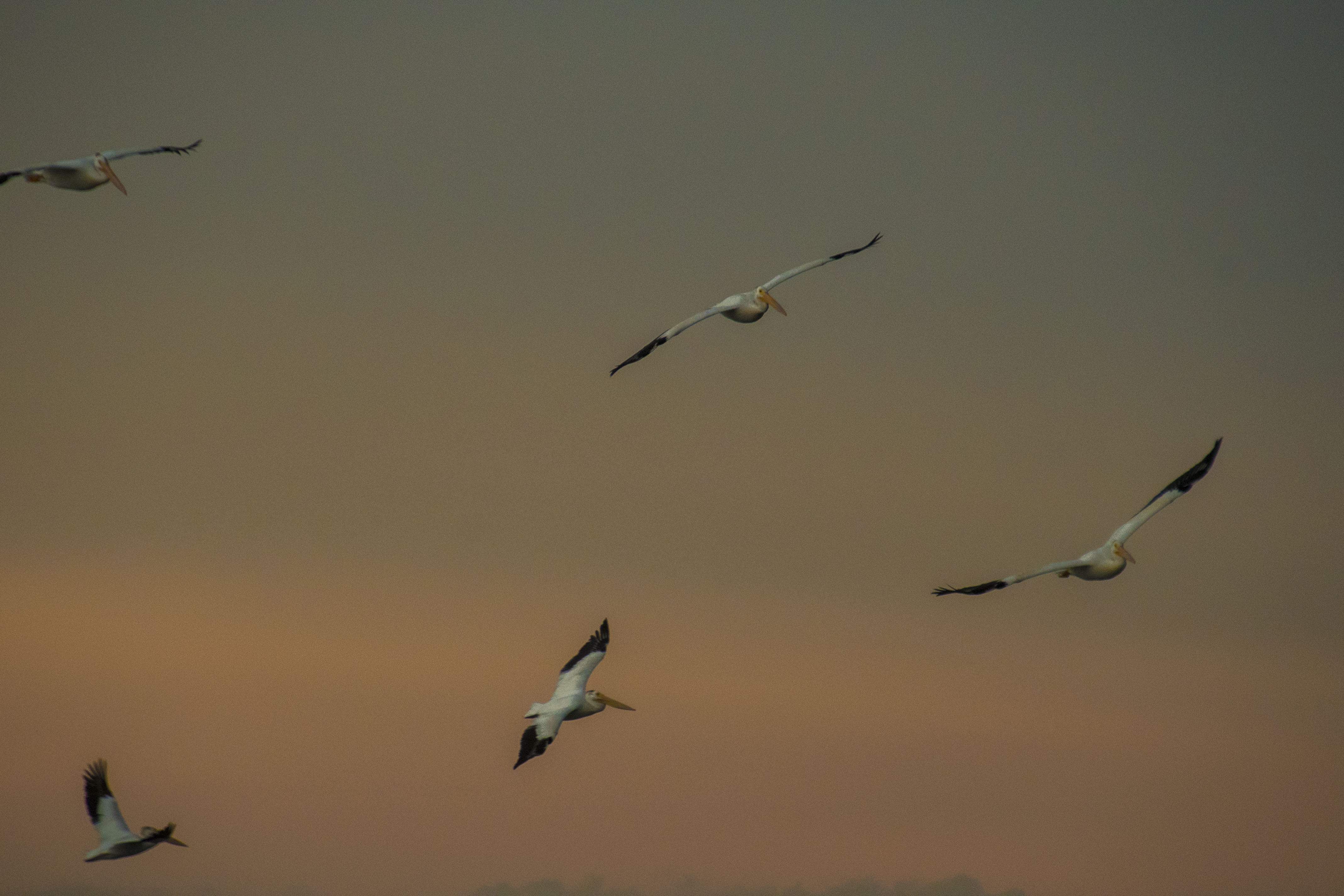
It was almost like we were intruding on sacred natural moments, viewing scenes we weren’t supposed to see. In terms of humans we were almost all alone for we saw only a couple of cars, and only one had eased around our camper and pickup. Perhaps the “regulars” already were aware that the Sandhills were off feeding away from the refuge. My guess is that if we had been there hours earlier around dawn or even later in the evening we would have seen the beautiful skeins flying in, necks and legs straight like an arrow in flight, silhouetted in a sky in the full color of a brilliant sunset. Just not then, not in an early and easy afternoon.
Perhaps the asters had given us the clue all along. I was somewhat shocked to see them already in such a mature bloom, and I suppose the shorter hours of daylight should have been previously noted … and perhaps it was by folks more astute about the constant messages sent by nature. Those blue blossoms have rarely lied. and our summer is nearing an end.
Yet I missed the poetic stalking, that unmistakable purposeful stride through tall prairie grasses; that watchful and protective eye of the tall standing male as the female and colt garner food nearby; that unique call of the wild that Aldo Leopold claimed was not the call of a mere bird, but a “trumpet in the orchestra of evolution.” Yes, that bird.



 Listening Stones Farm