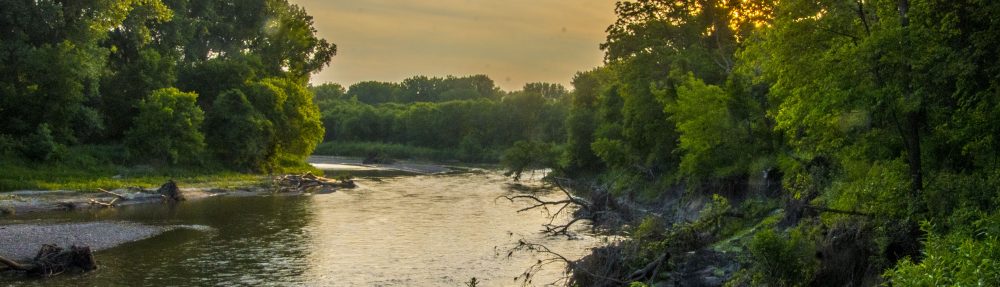
Few will mistake me for a phenologist for I fail to track calendar time by the gathering of my oddly celebrated seasons … those numerous seasons consisting mainly of bird arrivals and the breaking blossoms of spring flowers. Each of these countless seasons offer mostly smiles of recognition and joy. One might compare each as a meeting up with old friends at some obscure cocktail party, with each offering a welcoming sigh of recognition.
Perhaps I fall short in my tasks of phenology in that I fail to chart my observations from day to day, let alone year to year like an avid and true naturalist and phenologist, although I do try to capture as many of the arrivals as possible with my camera. Years ago there was an elderly naturalist named Ed Stone who lived south of Renville on the rise above Vicksburg County Park near the Minnesota River. Ed charted his finds on a day to day basis, keeping immense records of precipitation, temperatures, the breaking of daylight and the setting of the sun right along with his astute observations of nature along his bluffy hillside. If you asked when the skinks were first sighted on the flat outcrops just beyond his quiet home, he’d flip through his recording books to tell you. Such seasons were clearly evident in his detailed collection of works. Ed Stone was a true phenologist and someone I truly admired.

Then, there is me. By now many my notable seasons have already occurred, seasons that began back in early March with the skeins of snow and Canada geese along with the murmurations of Redwing blackbirds and starlings. This was about the time Pasque Flowers poked through the dry grasses on a hill above the Big Stone National Wildlife Refuge, typically our first bloomer of the year.
As an amateur in the art of observation it seems that the waterfowl migrations were a bit early this spring, especially when compared to a year ago, and my neighboring birders felt as though the same might have happened with the waders, those wonderfully sleek and graceful shore birds. My spring seasons are never complete until the oriels, Gold Finches and Rose Breasted Grosbeaks champion our feeders. These past few days, though, have not been unlike an anxious child awaiting Christmas. Now they’ve all returned, and moments ago, actually, my Yellow Warbler was spotted. All now accounted for; all adding vivid color to our little farm!
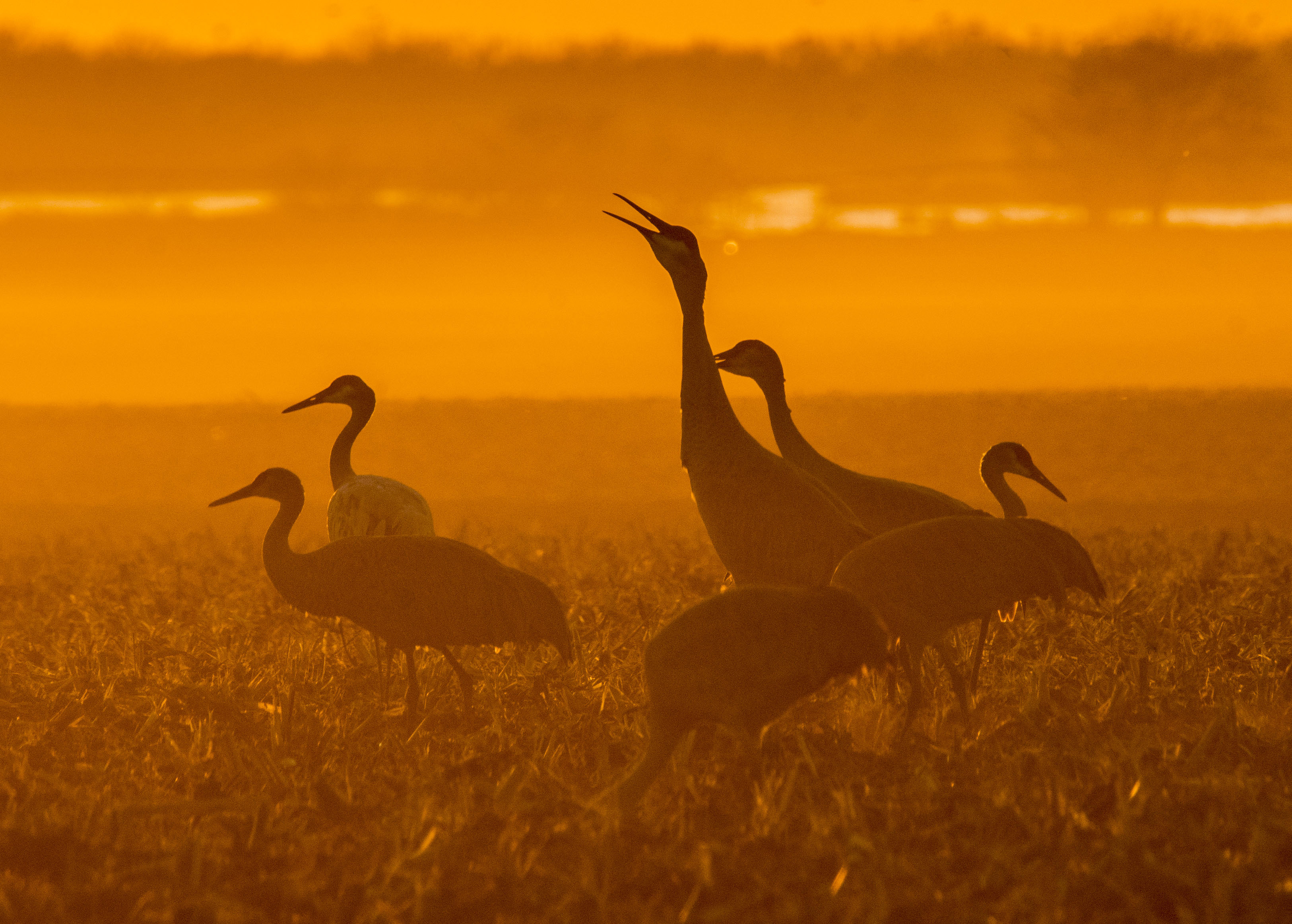
It can’t already be two months since we motored off to central Nebraska for the annual Sandhill Crane migration, an event that leaves you in awe for their migrations are of the ages; migrations that began long before mankind appeared in these prairielands, if the crane hype is accurate. On this visit we opted for an early morning blind viewing along with perhaps 40 or so crane chasers. The night before, then through the heart and eve of the day after exiting the blind, we were basically road tripping between the area around Rowe Audubon Center near Kearney and the Crane Trust headquarters below Grand Island. This was my fourth such pilgrimage for the migration and perhaps my most productive image wise.
We ended our time on a corner below Crane Trust with cranes feeding in untilled stalk fields on either side of the gravel roads. Above them, up in the skies, hundreds of thousands of cranes, in wave after wave, from all directions, were flying towards the Platte River to settle in as the sun eased below the horizon in the western sky. All around us rapturous melodies from times perhaps more historic than mankind itself drifted from the heavens.
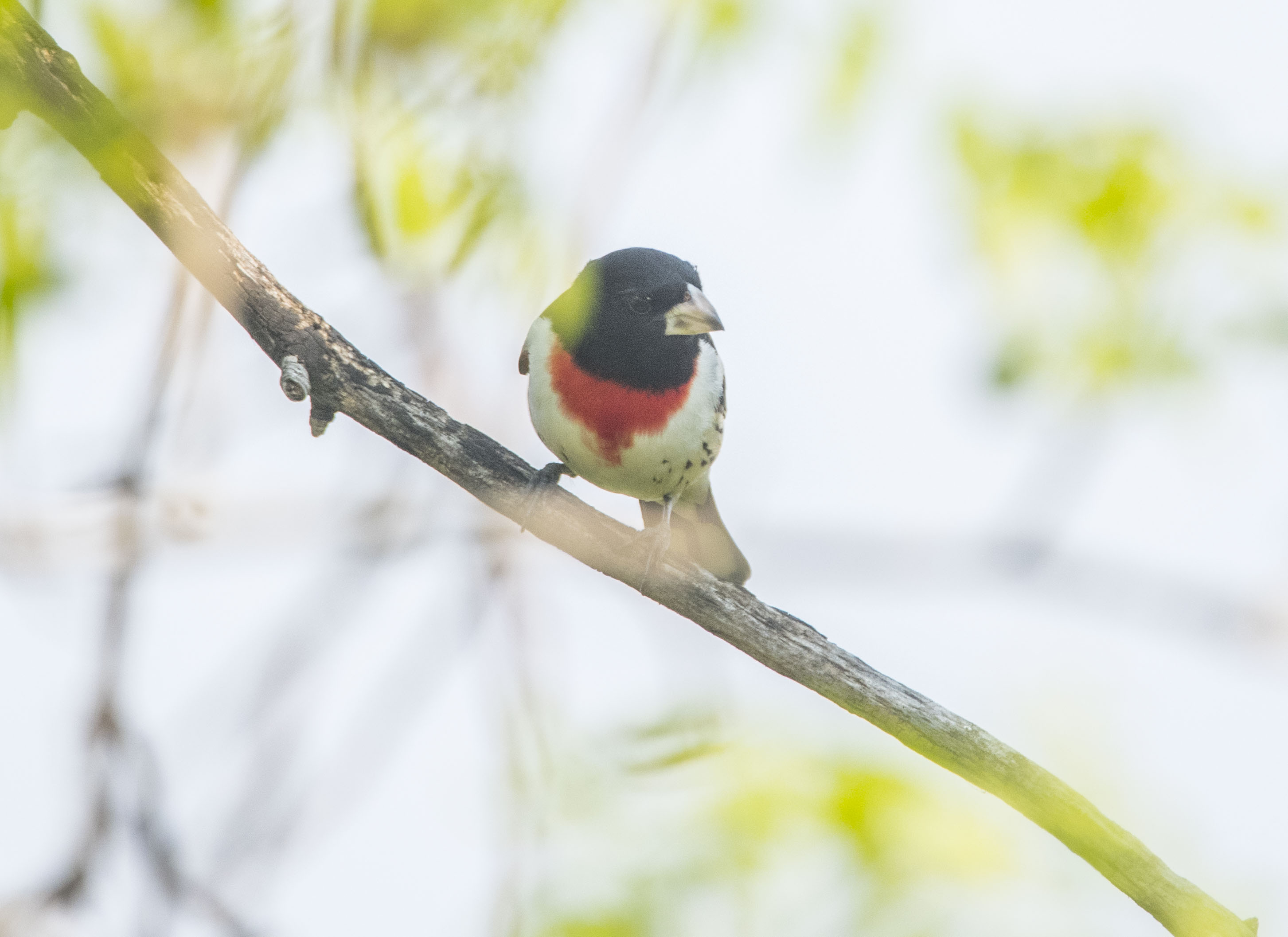
Back here at home, spider-webbed skeins of snow geese and the seemingly more organized skeins of Canada Geese plied the skies around the same time. Murmurations of redwings and starlings filled the groves, our own included. A farmer friend alerted us to a grouping of migrating Bald Eagles on a WMA adjacent to his farm. Weeks later came the waders, or the more commonly labeled shorebirds. Yellow Legs and American Avocets were coursing through the shallow depressions in the area grain fields. Our prairielands were coming alive, season upon season, species after species. What a glorious time!
One species that was so common a year ago, the White-Faced Ibis, must have ventured for a different route this year. Last spring they were frolicking in those same flooded depressions in the area fields as their kin. We’ve yet to see one. One of my birder buddies spoke of a lake being drained about two hours southeast of here where reports of a couple thousand shorebirds were busy feeding in the shallow waters. About the same time, though, I was in the midst of preparing for an exhibit and simply ran out of time. He now believes most of the shore birds have now passed through.

By April’s Earth Day we tried for an image I’ve thought about dozens of time. My aim was to capture a sunrise at Glendalough State Park where in past years hundreds of blooming pasque flowers blanketed a hilltop near the entrance. A park ranger suggested in a message that the tiny beauties should be peaking around the Earth Day Monday, so we set the alarm for 3 a.m. and headed out the next morning for the park. We made it in ample time but was faced with an unexpected heavy and cold-to-the-bone wind, along with a hill with but a handful of pasques poking through the grasses. Tall trees fronted my sight line toward the rising sun. Things happen like that in nature photography.
Yet, all wasn’t lost. Our day was saved when we drove deeper into Glendalough and ventured onto the loop toward the picnic grounds where we spotted three wild turkeys, including an amorous old tom. The sun had just risen, splashing a fantastic yellow hue to the morning. The light was nearly perfect. And, in front of us was the old tom, in his full mating display, strutting about with the longest and bushiest beard I can remember seeing. Perhaps the old guy had never ventured outside of the park boundaries. What a lovely moment! And, yes, capturing a tom in mating display is among the seasons I love to capture.
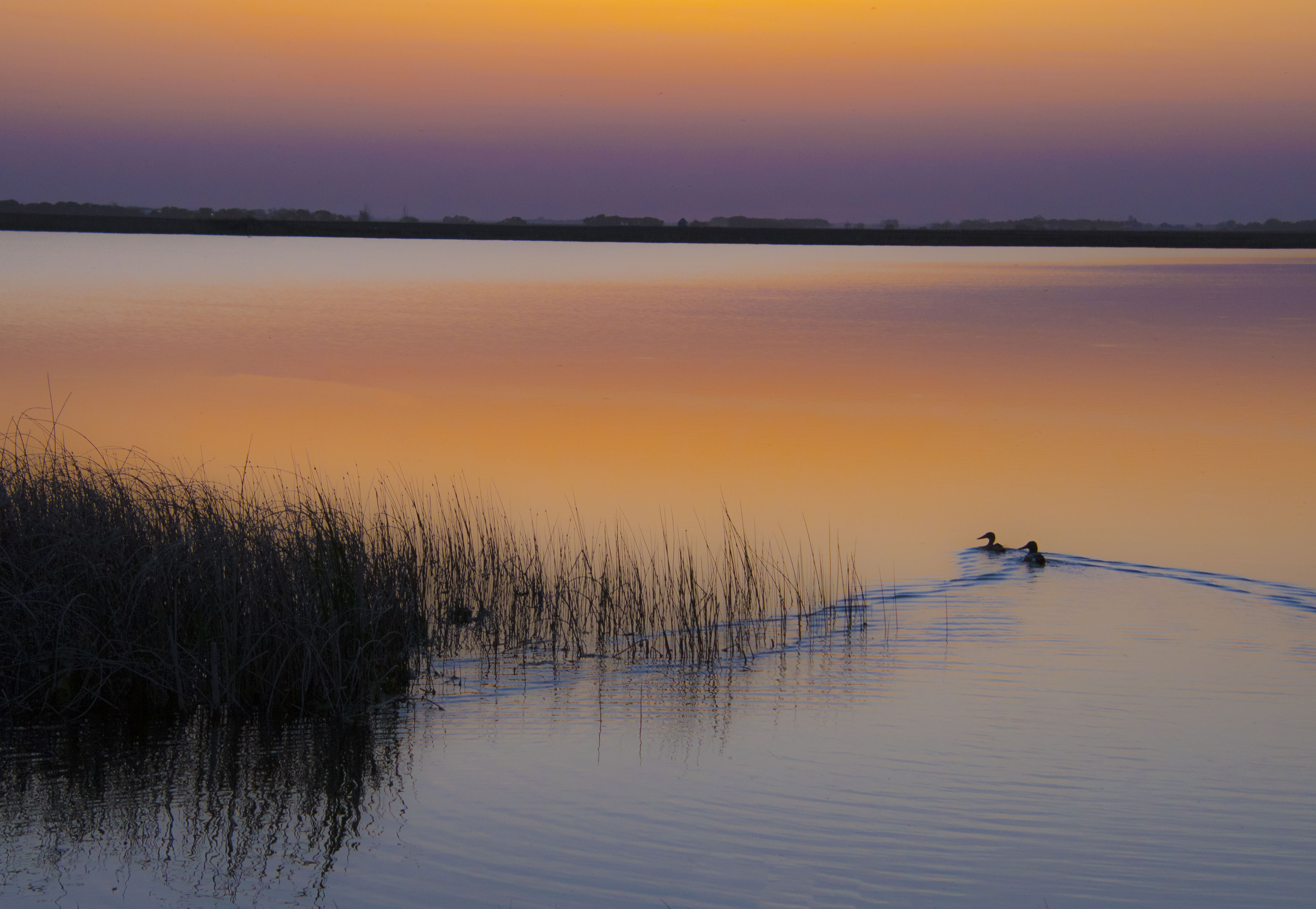
Another species. Another season. So it goes, on and on. And, even better, more await. Soon we’ll be seeing Prairie Smoke and White Ladyslippers, both common to the prairie. Dozens of woodland species are already making their wondrous debuts, all adding to this glorious mix of personal seasons.
A few years ago a fellow nature photographer wondered about just how many images of prairie grasses or flowers she would ever need, and I guess the same might be said about any one of my numerous seasons. Is there a limit? Can there be a new light, or perhaps a color enhancement, that seems new and different? There is all of that, yet it perhaps comes down to a simple truth, that of welcoming those old familiar friends from nature back into your life.
 Listening Stones Farm