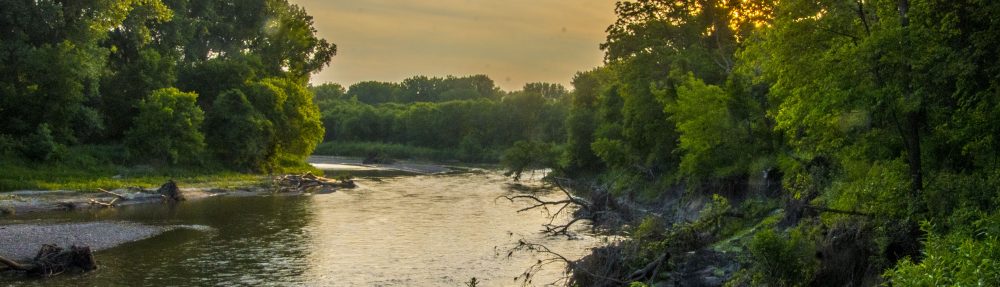
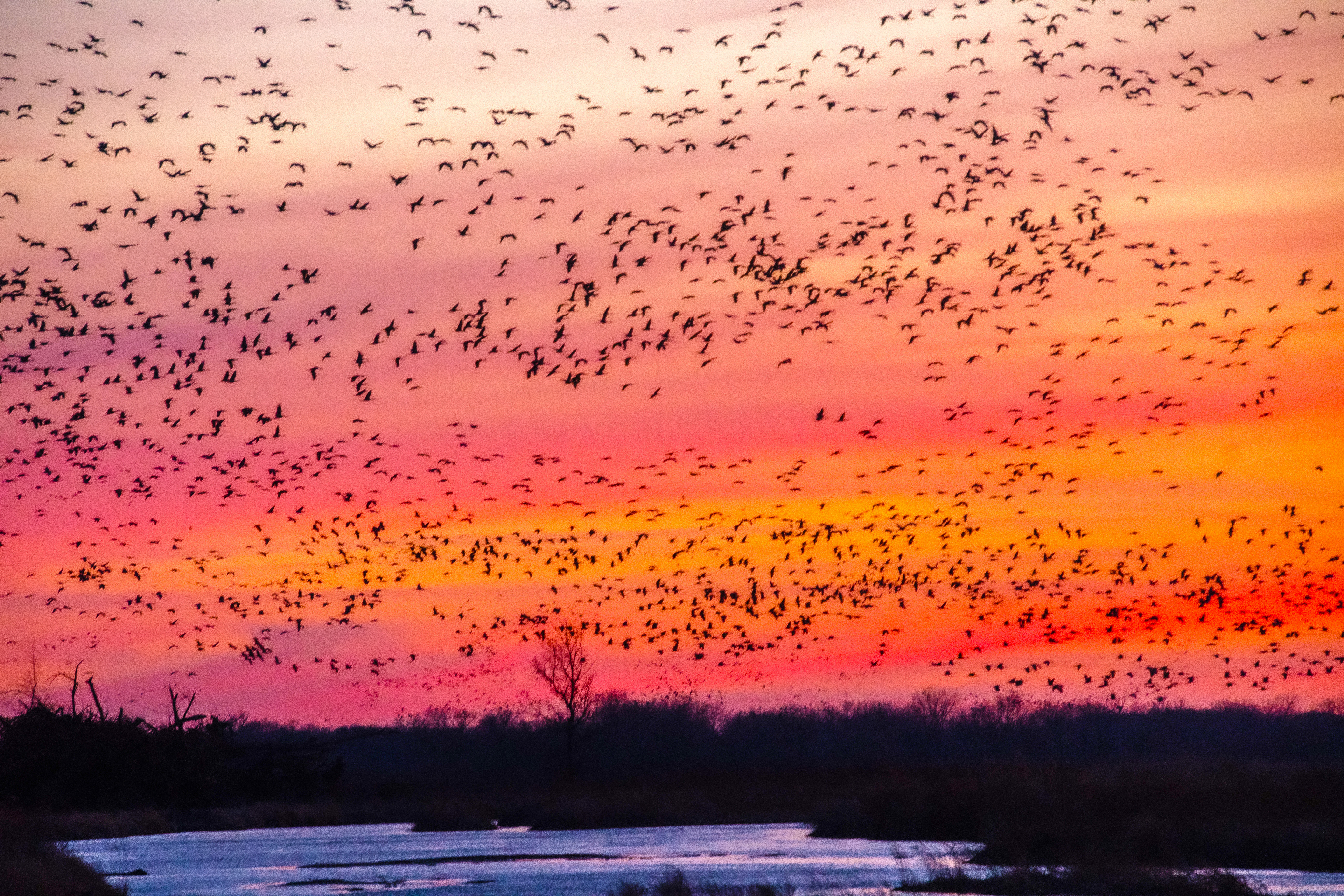
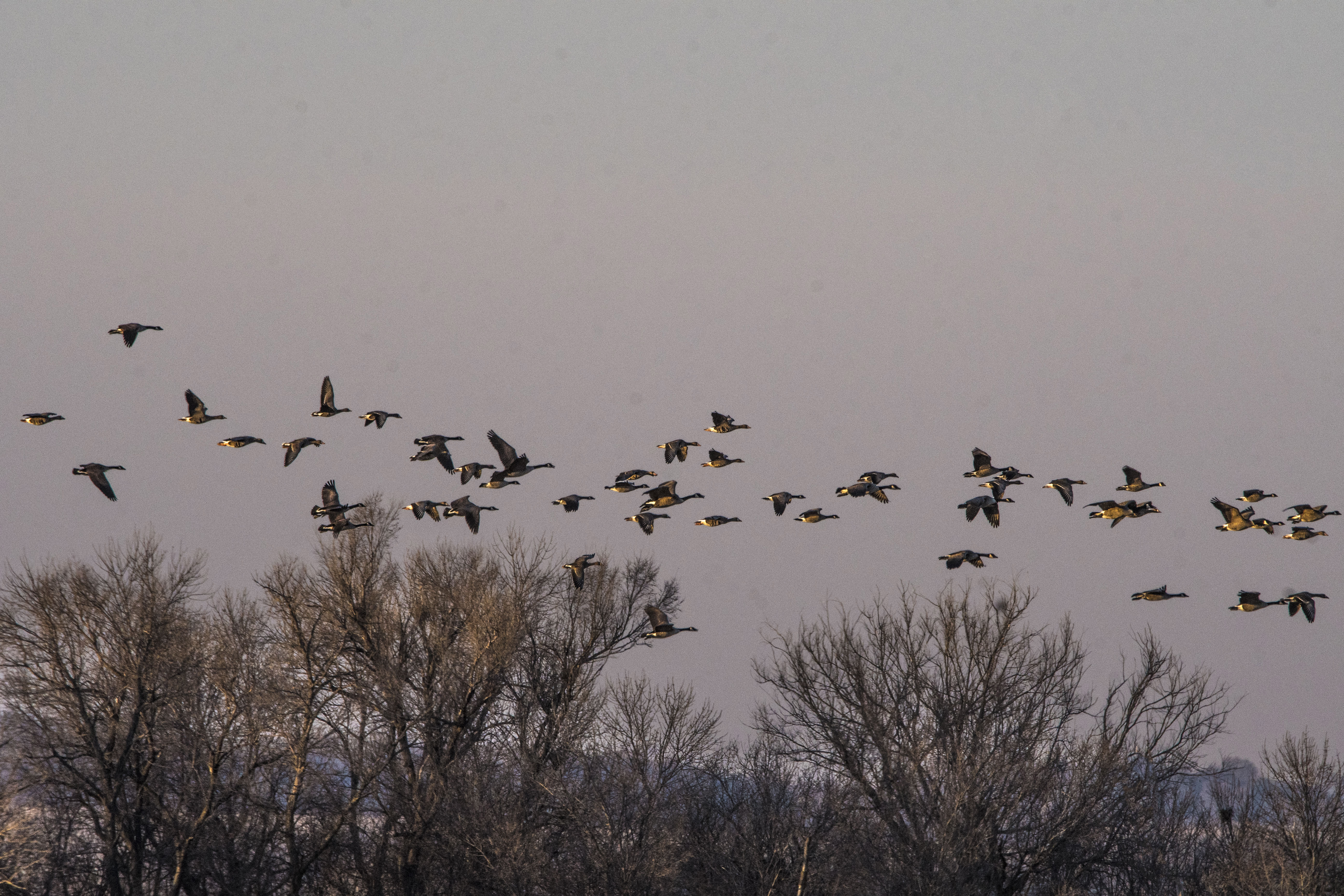
So lets talk about our warming planet, for in case we don’t get it, our feathered friends surely do. For example, records from the annual Sandhill Crane migration in Central Nebraska indicates this is one of the earliest overall arrival of the cranes with this being the last week of February and the first two days of March, with nearly a quarter million birds already camping out overnight in the shallow Platte River. This is more like the numbers expected by mid-March.
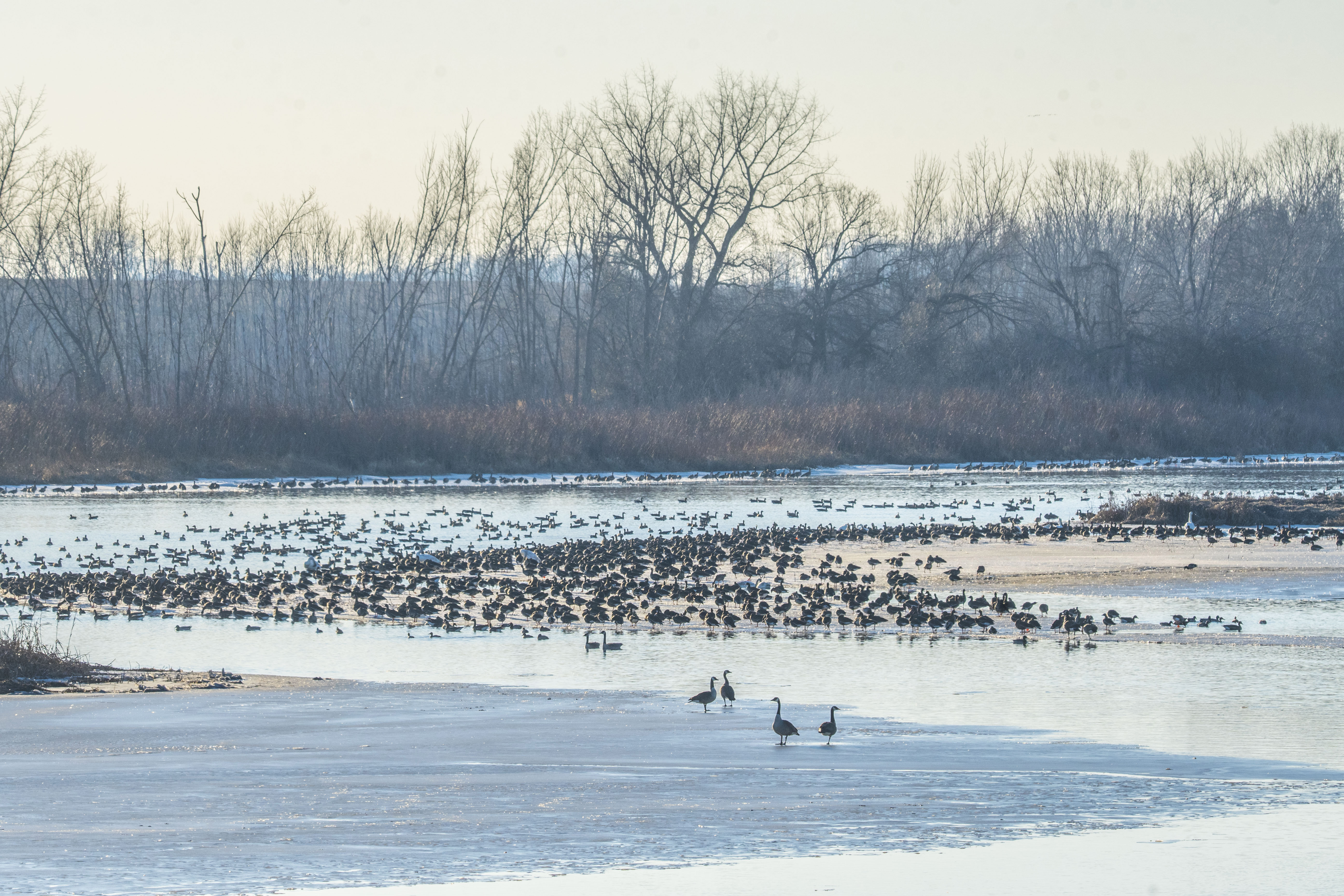
Local naturalist, Jason Frank, who organizes the annual Salt Lake Birding Weekend, noted, “This will be the earliest waterfowl migration I’ve ever seen; almost all the duck species that pass through here are here right now. The only species I haven’t seen yet are Blue and Green Winged Teal. Waterfowl migration will certainly be past peak by the time of the bird count April 27, but it remains to be seen what happens with shorebirds. If it stays this dry, they may not linger long as they pass through.”
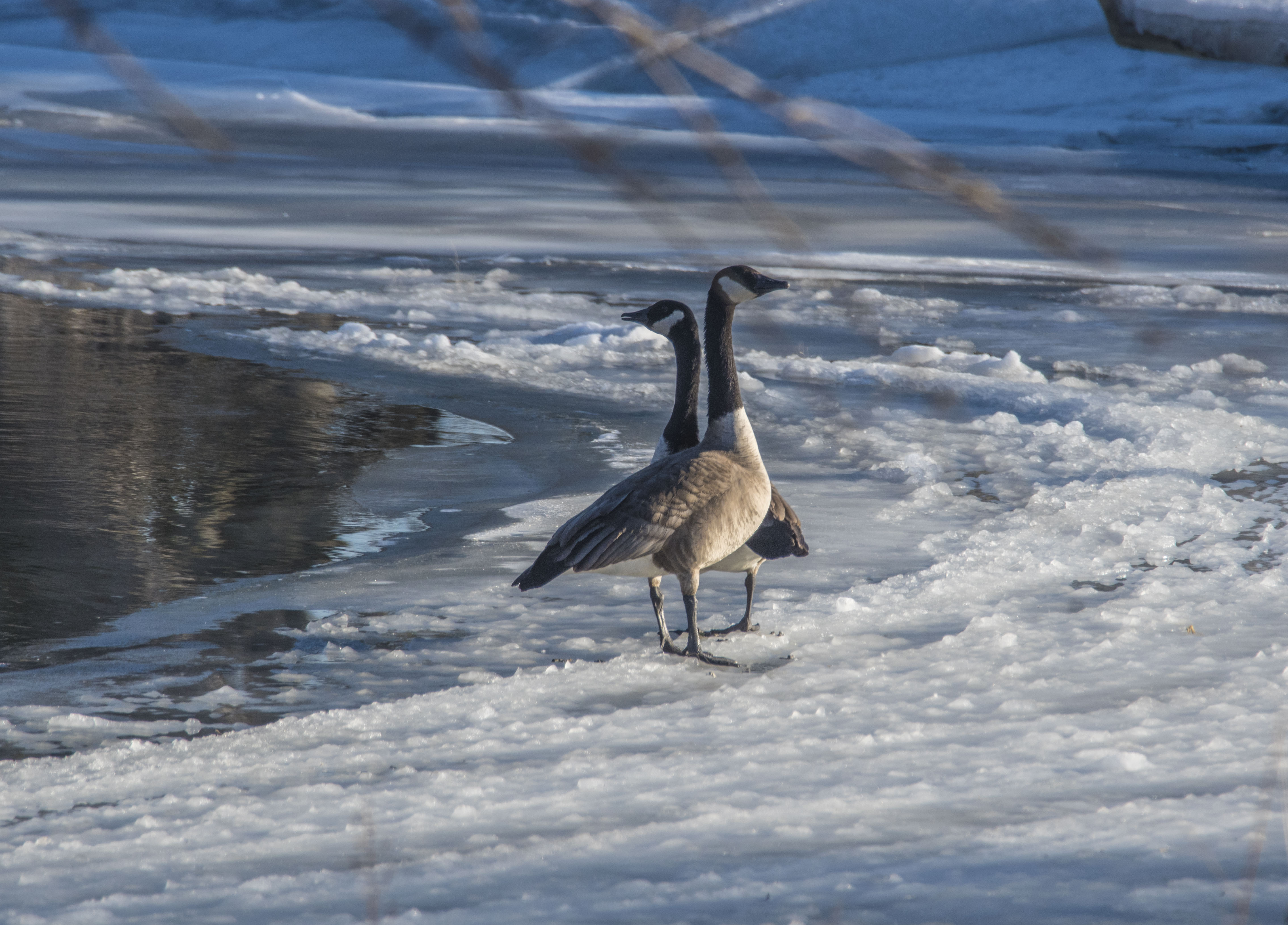
Then there is this: Last Monday three young men were ice fishing on a small wetland north of us. Ice on nearby Big Stone Lake was considered so unstable and unpredictable that our local bait shop officially closed off their guiding and rental season, as ice was melting and stacking up along the shore. Temperatures were in the high 60s, and perhaps even 70 degrees. On February 26. They, along with many of us, were giddy.
All of which changed the next day when the guys were nowhere to be seen as winds hustled across the prairie at speeds around 20 mph, with gusts a good 10 mph stronger. Clouds, thick and densely gray, choked off any semblance of sunny, blue skies. Thermometers seemed generous at 9 degrees above freezing. Winds were so blustery that on the way home from the countywide caucus that night our car gave us grave concern on the way home. Blasts of snow and dirt coursed through the darkness where the fishers had parked about 30 hours earlier.
Some folks at the caucus were wondering what might we expect as we move even deeper into the aspects of global warming. “What’s normal anymore?” asked one woman. When it was suggested that the weather swing might be our new normal, she simply stared while seemingly thinking it over.

If one goes deep into the daily newspaper they will find buried stories concerning issues with global climate change. Refugees trudging across the jungles and deserts of Mexico in search a more humanly sustainable future course through our southern states seemingly ruffled monthly by hurricanes and tornadoes. Tornadoes ravaged a Chicago suburb and communities through Michigan and Ohio already this week. A huge wildfire burns out of control in the Texas Panhandle into Oklahoma, the largest in Texas state history. Last Sunday a story appeared on the fear surrounding the southern shores of Lake Superior, which for the first time in recorded history was completely ice free. Only 2.7 percent of ice coverage was reported for all the Great Lakes for the entire winter.
“We’ve crossed a threshold in which we are at a historic low for ice cover for the Great Lakes as a whole,” GLERL’s Bryan Mroczka, a physical scientist, was quoted as saying. “We have never seen ice levels this low in Mid-February on the lakes since our records began in 1973.”
Here is another report from the Sunday newspaper: This winter’s shrinking supply of cold air in the atmosphere has coincided with what is probably going to be one of the warmest winters on record. Many locations in the United States are on track for a record-warm winter as temperatures soar to near and above 30 degrees warmer than normal in the season’s final days. On Monday, Dallas hit a record high of 93 degrees. Minneapolis reached 65 — 32 degrees above average. Chicago touched the 70s on Tuesday. Globally, more than 200 countries have seen record warmth this week, according to weather historian Maximiliano Herrera. January was the eighth consecutive month to register as that month’s warmest on record, while 2023 was Earth’s warmest year on record for both the land and oceans.
All of which brings to mind a moment in a Master Naturalist’s “Gathering Partners” presentation several years ago when someone asked a University of Minnesota climate specialist what we should expect in respect to a warming climate. His offerings: that we in the central part of Minnesota should expect to have summers and winters much like we see in the band across from Omaha to Des Moines; and that a preview of the BWCA area would most likely be witnessed in Granite Falls where outcrops of gneiss and granite along the Minnesota River mirror the rocks on the Canadian Shield. Despite his good intentions, he wasn’t close. No one, apparently, can accurately predict what will happen as our planet continues on its current warming trend, temperatures of which when viewed over the past few centuries resembles a hockey stick — although there has been no edging that would complete the mental profile.
All speculation aside, and with deep respect to him and others concerning the changing climate, we humans haven’t any idea of what a burning planet will resemble in the years ahead … not even for next year, 2025. You may recall back in the “teens” that the worldwide goal from the international climate conferences was that for our planet and its species to survive long term certain perimeters needed to be in place by 2025. So little has been accomplished, and indeed, county-level arguments are being roused around here on allowing for methane digesters along with a pipeline. We have a political party that resists any conclusive attempt at halting the earthly fire. While all this may sound new to us, warnings of global climate warmth began in the 1970s yet most of us act as if nothing needs to change, and to hell with Al Gore!
We humans have been far too passive, and perhaps that comes with the labeling, that ever evasive “tipping point” seems as a moving target to where it no longer means much. Way back then those warming slopes didn’t look so steep, and the potential impacts were far off into the future. Not next year! Given the scientific knowledge at the time, perhaps what we needed was what a major newspaper like The Guardian did by introducing new terms back in 2019 that “more accurately describe the environmental crises facing the world”. Instead of “climate change” the paper chose the terms “climate emergency, crisis or breakdown” and “global heating” over “global warming”.
The editor said, “We want to ensure that we are being scientifically precise, while also communicating clearly with readers on this very important issue. The phrase ‘climate change’ sounds rather passive and gentle when what scientists are talking about is a catastrophe for humanity.”
Well, there you go. Catastrophic storms and unpredictable weather come on a daily basis across the globe. Perhaps this is our “new normal” even if there is nothing “normal” about the escalating temperatures. However, if you still question the absolute yet unpredictable science perhaps you should simply reach for your binoculars and watch the birds. Our feathered friends seem to have a far better grasp on our changing climate than we humans.
 Listening Stones Farm